Joe and Sam are two long time bleacher buddies at Truist Park, the home field of the Atlanta Braves. Joe was sitting with his military grade binoculars, which he was using to watch the warm-ups when Sam arrived with a huge container of ballpark food.
“Whatcha got there? “ asked Joe.
“Just the usual,” replied Sam, “Honey dipped chicken, extra large conecuh sausage, and…”
“A king-sized CoCola,” Joe finished for him.
“Yep. Ya gotta love Southern ballpark food,” said Sam.
Sam did look as though he had enjoyed a bit more than his fair share of it, but he dug in, not looking as though further damage to his waistline was high on his list of concerns.
“Speaking of honey dipped, did you see what happened the other night with the bees?” Joe asked.
“Nope. I had to miss the game. Had what you call a social commitment,” replied Sam.
“Well anyway, I was watching the game from here as usual, and from across the park I heard some screams, so I put the glasses on it, and people were running away like old fork-tailed Uncle Ned had just shown up looking for some lost souls.”
“Bees?” said Sam.
“Yep, a whole swarm of them. People were acting like the storm troopers had landed. But one guy was different.”
“What did he do?” asked Sam.
“Had what I think was a drink cup. Walked over, calm as you please, captured the queen, and walked out of the park with her. All the rest just followed along like he was the Pied Piper emptying out Hamelin. I heard later that he was an actual beekeeper, and he just took the swarm home.”
“Well, don’t that beat all,” said Sam. “Downright lucky he was here.”
“Next game, they let him in for free, seeing that he hadn’t got to watch the game he paid for, and they gave him a jersey with Beekeeper written where the name usually is.”
Joe continued, “But I was thinking: You are right about it being lucky; has to be a good omen.”
“Now how is that?” asked Sam.
“Cummon, think about it,” said Joe. “You call yourself a Braves fan?”
“None Braver,” said Sam.
“Think back a bit,” said Joe.
Sam thought for a moment, and his eyes got wide. “Say, you’re right! What a sign. Watch out NL East; the pennant’s in the bag. With the bees, we can’t lose.”
Challenge to the Reader: OK, baseball trivia buffs: What got Sam so excited about the bee story?
Answer: The Boston Braves were called the Boston Bees from 1936 to 1941, and the ballpark was called The Beehive. Sam realized the bees were just finding their new home, and yes, the bees actually did invade a Braves game, but the Boston Bees were another entry in a long line of terrible Boston Braves teams.
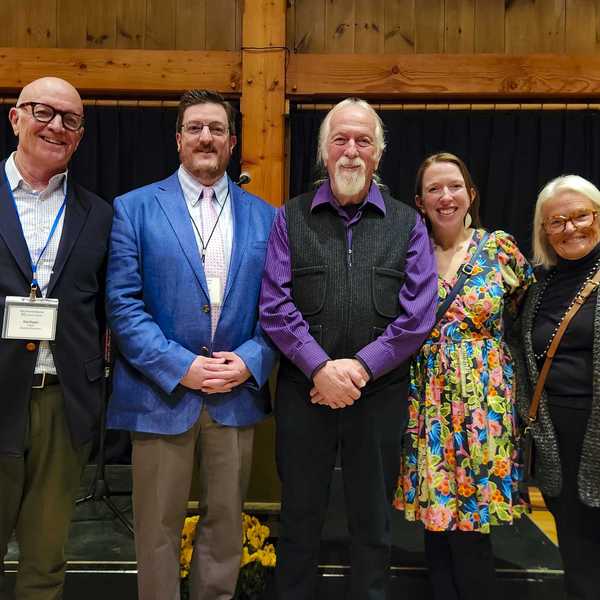
Millerton resident Theodore Kneeland is a former teacher and coach — and athlete.
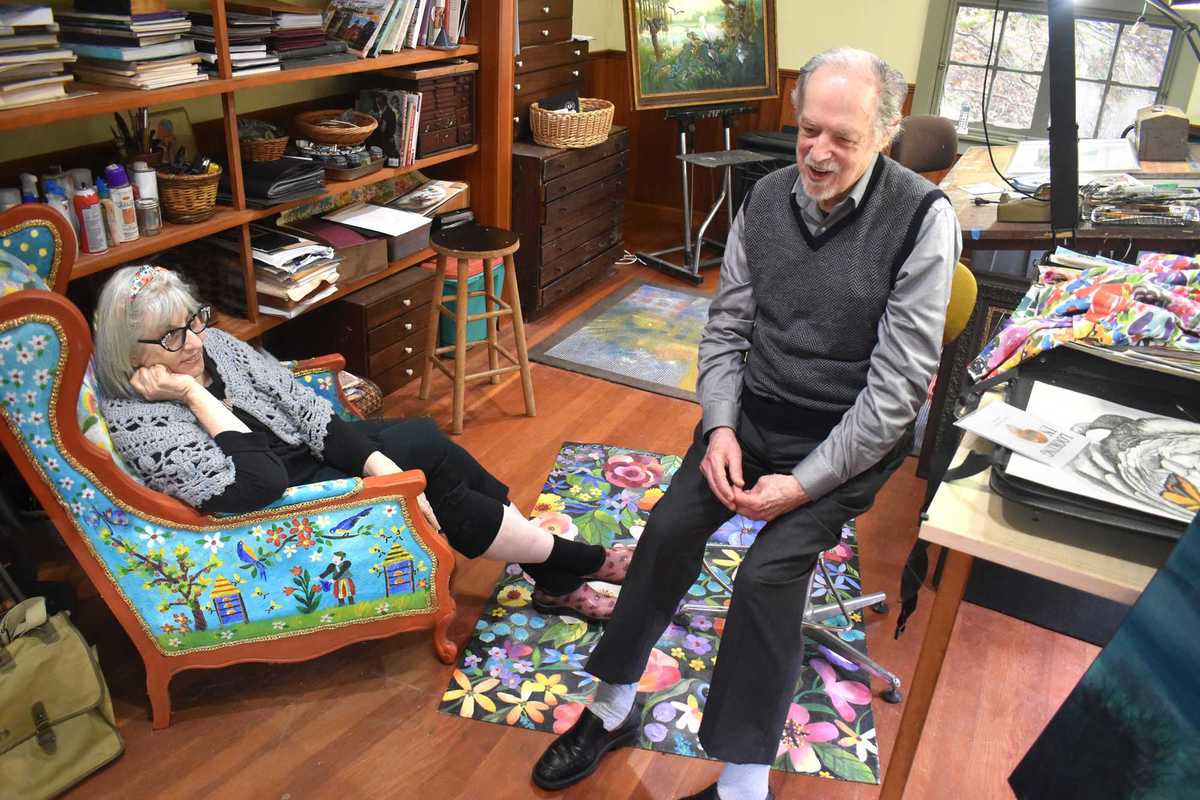
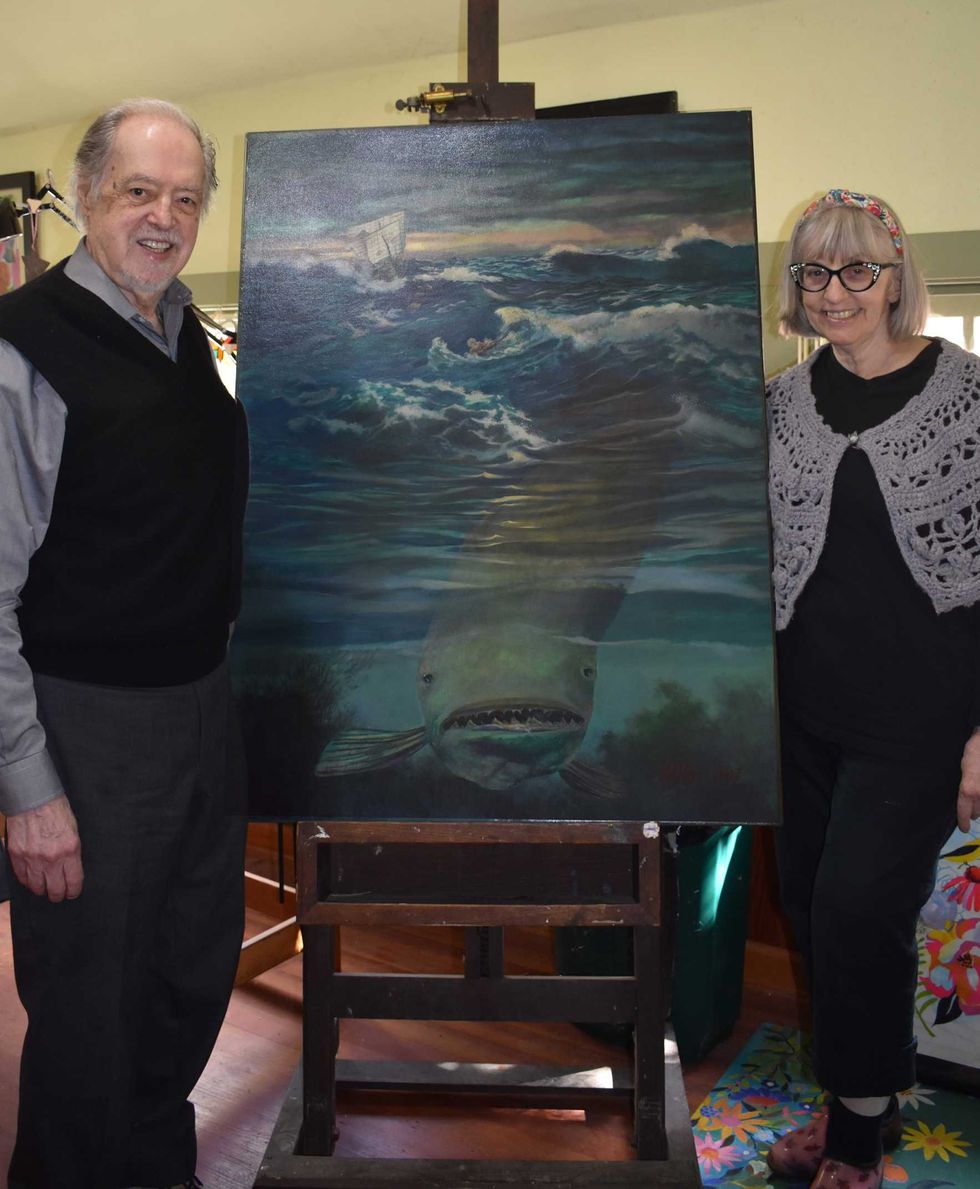 Justine and Victor Valla in their studio with a painting of Victor’s,”Jonah and the Whale.” Robin Roraback

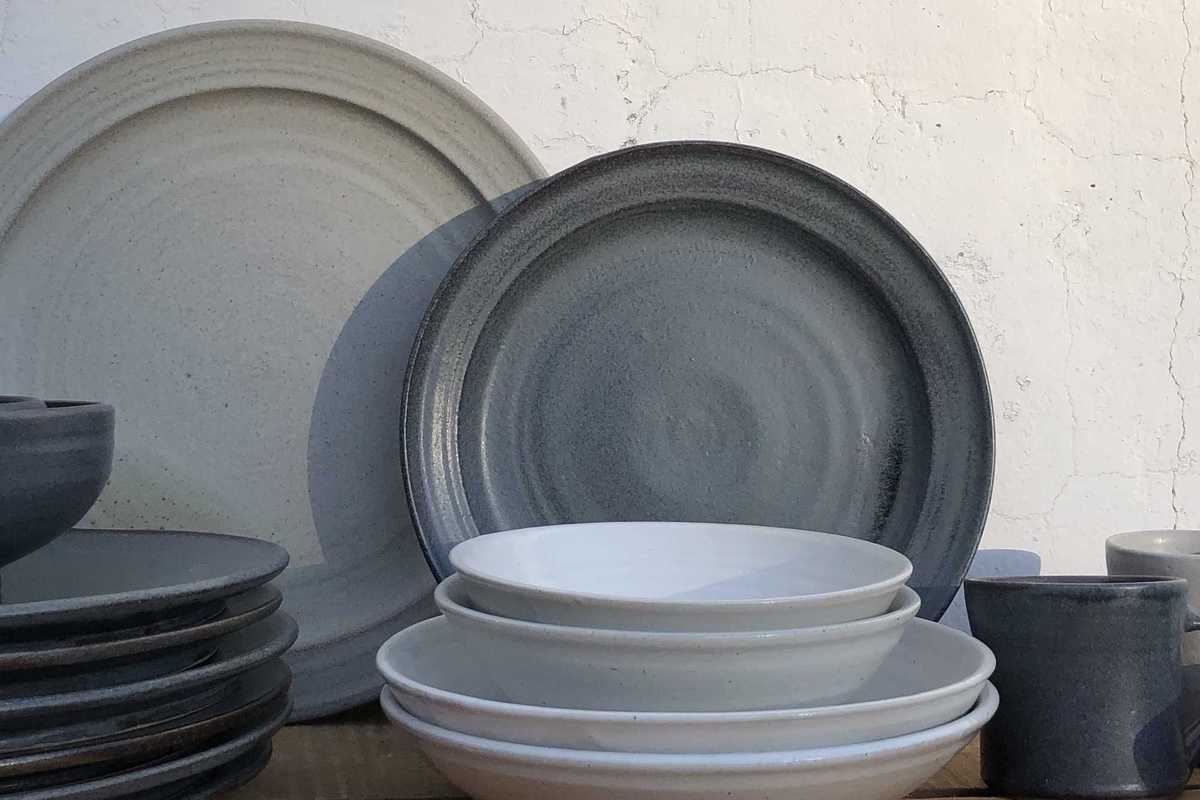
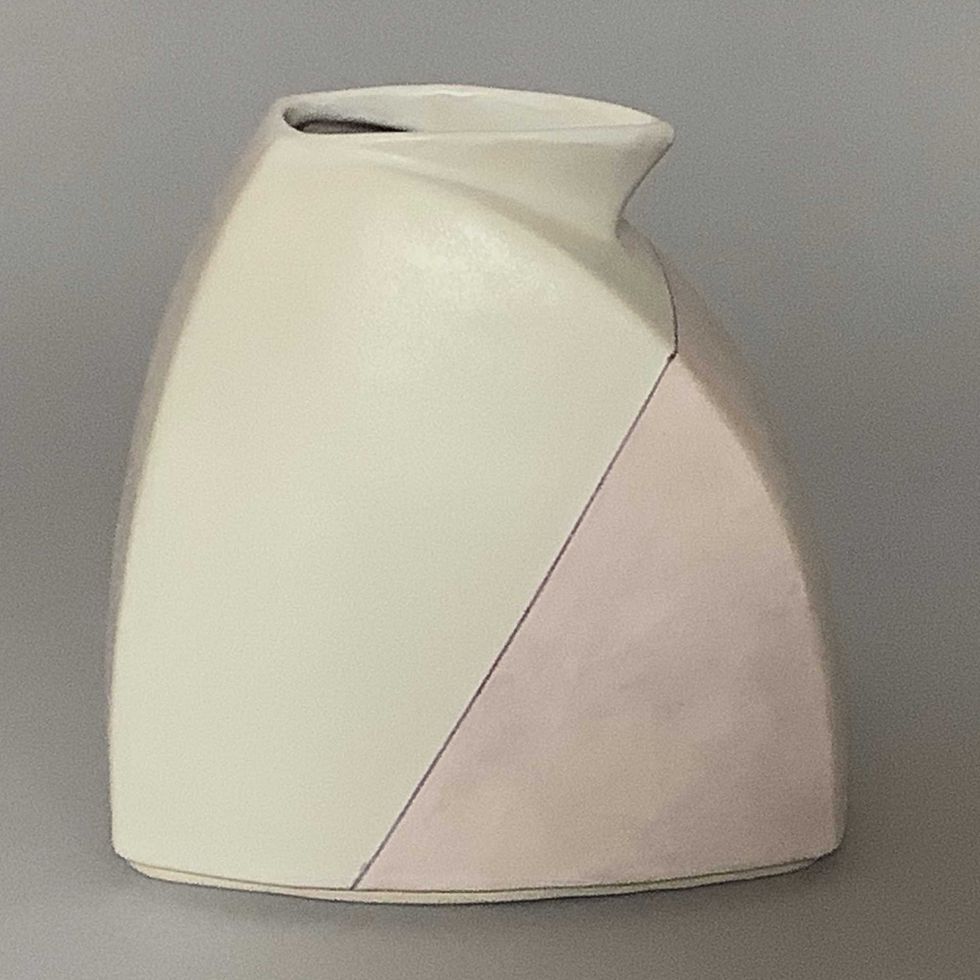 A ceramic vase by Kathleen Heidemann.Provided
 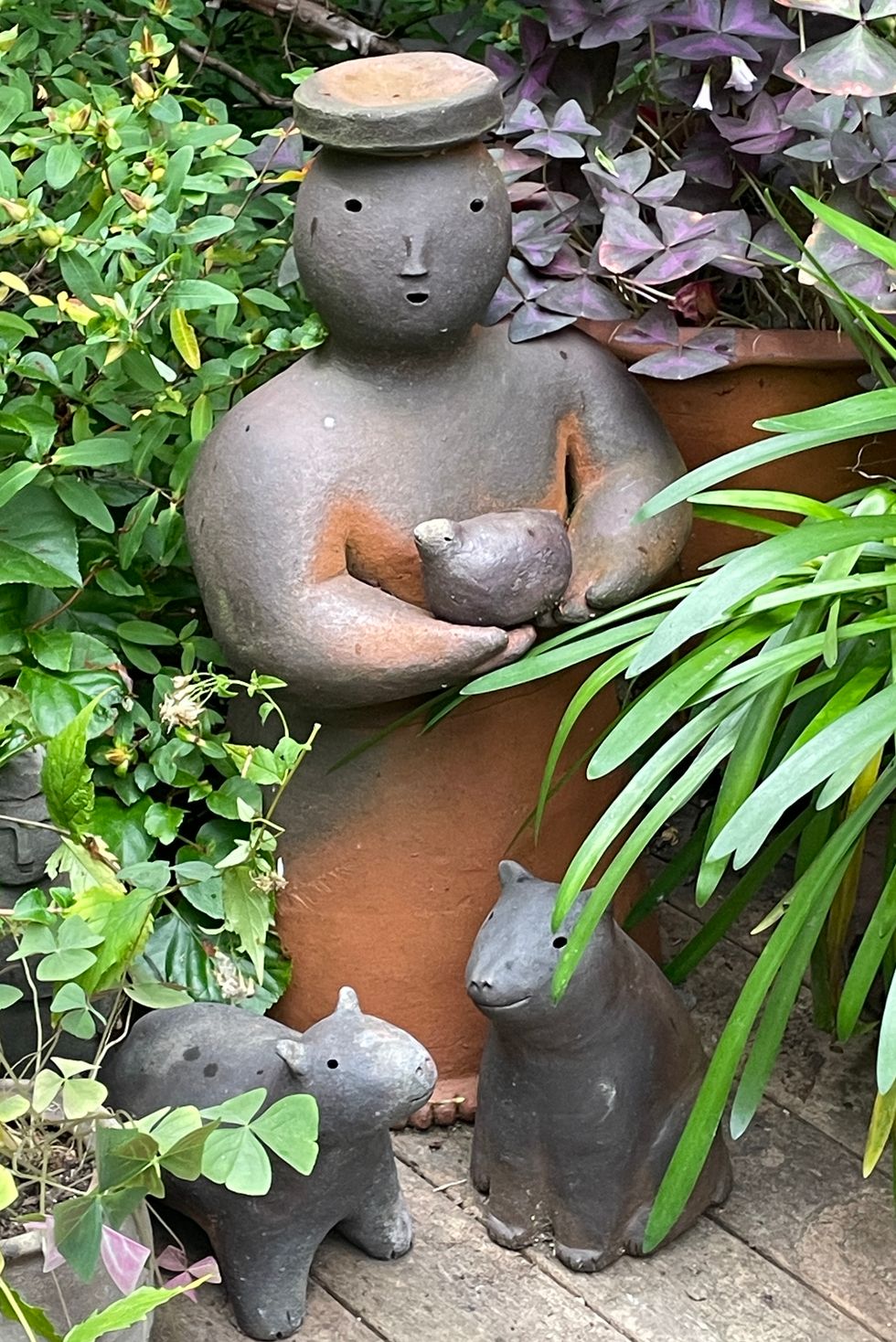 Joy Brown’s delightful ceramic sculptures.Provided