If you wish to drag me up in front of a House Un-American Sporting Committee and accuse me of harboring unnatural thoughts against the American Sports Scene, I will not protest and will go quietly, canceled bleacher ticket in hand.

You see, I am not a fan of post-seasons.

Yes, I know that October baseball, January football, and March Madness are supposed to be the be-all as well as the end-all; but for me, those “second seasons” lack the most important element that makes the first season so gratifying: intimacy.

We rabid denizens of the bleachers live with our teams for months at a time.  We follow and bemoan the injury reports; we look carefully at each day’s line-up; we live and die with each at bat, each success or failure, and every twist of fate. We are married to our sport in ways that may make spouses sputter, children chide and friends fade. 

Then comes the post-season. Suddenly, everyone seems interested. The internet jumps to new life, the ratings go through the roof and the commentators raise their voices even higher. Excitement abounds and profits follow. What could be better?

It’s as though your beloved spouse went to some sort of miracle working spa and came home a new person, looking like the person you married all those years ago. But what if you were perfectly happy with the old spouse? What if all the excitement tended to wipe away all those shared memories for something that was supposedly better? More exciting? More, well, more?

No, I guess I’m just of creature of long-term, shared memories. When the newly-minted, wonderfully-exciting post-season of the moment starts up, you will find me under the bleachers, reading a book, wishing that it was the middle of the season, a time when old fans like me felt properly at home.


Millerton resident Theodore Kneeland is a former teacher and coach — and athlete.

Latest News

Where the mat meets the market

Where the mat meets the market

Kathy Reisfeld

Elena Spellman

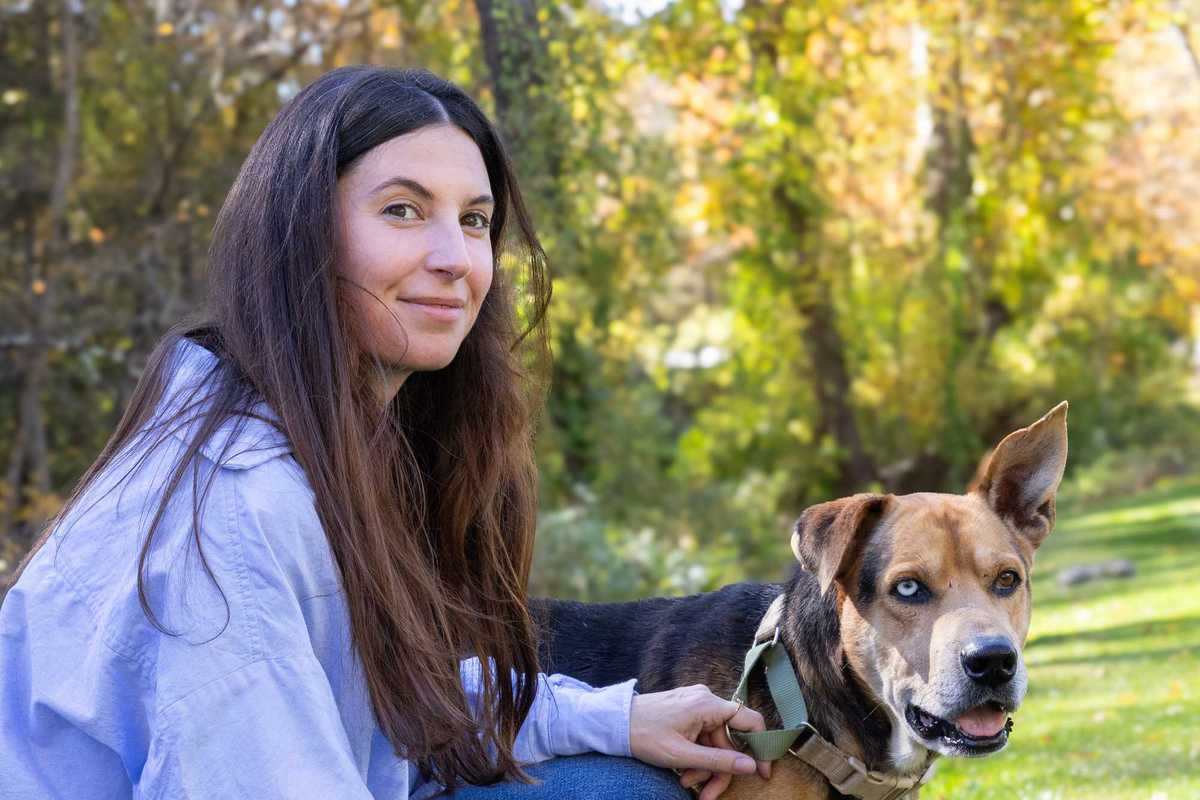
Reisfeld has spent nearly 30 years in finance, building a client-centered advisory practice that eventually led her to go independent. But her relationship with money began long before her career.

When her mother became ill during Reisfeld’s childhood, finances tightened. It wasn’t poverty, she said, but it was constrained enough to teach her how money — or its lack — can dictate the terms of one’s life. That lesson took on a deeper meaning as she watched her mother remain in a difficult marriage without full financial independence. “Money represented autonomy,” she said. “Freedom.”

Keep ReadingShow less
google preferred source

Want more of our stories on Google? Click here to make us a Preferred Source.

To mow or not to mow?

To mow or not to mow?

A partially mowed meadow in early spring provides habitat for wildlife while helping to keep invasive plants in check.

Dee Salomon

Love it or hate it, there is no denying the several blankets of snow this winter were beautiful, especially as they visually muffled some of the damage they caused in the first place.There appears to be tree damage — some minor and some major — in many places, and now that we can move around, the pre-spring cleanup begins. Here, a heavy snow buildup on our sun porch roof crashed onto the shrubs below, snapping off branches and cleaving a boxwood in half, flattening it.

The other area that has been flattened by the snow is the meadow, now heading into its fourth year of post-lawn alterations. A short recap on its genesis: I simply stopped mowing a half-acre of lawn, planted some flowering plants, spread little bluestem seeds and, far less simply, obsessively pluck out invasive plants such as sheep sorrel and stilt grass. And while it’s not exactly enchanting, it is flourishing, so much so that I cannot bring myself to mow.

Keep ReadingShow less
Capitol hosts first-ever staging of Civil War love story

Playwright Cinzi Lavin, left, poses with Kathleen Kelly, director of ‘A Goodnight Kiss.’

Jack Sheedy

Litchfield County playwright Cinzi Lavin’s “A Goodnight Kiss,” based on letters exchanged between a Civil War soldier and the woman who became his wife, premiered in 2025 to sold-out audiences in Goshen, where the couple once lived. Now the original cast, directed by Goshen resident Kathleen Kelly, will present the play beneath the gold dome of Connecticut’s Capitol in Hartford as part of the state’s America250 commemoration — marking what organizers believe may be the first such performance at the Capitol.

“I don’t believe any live performances of an actual play (at the Capitol) have happened,” said Elizabeth Conroy, administrative assistant at the Office of Legislative Management, who coordinates Capitol events.

Keep ReadingShow less
Hunt Library launches VideoWall for filmmakers

Yonah Sadeh, Falls Village filmmaker and curator of David M. Hunt Library’s new VideoWall.

Robin Roraback

The David M. Hunt Library in Falls Village, known for promoting local artists with its ArtWall, is debuting a new feature showcasing filmmakers. The VideoWall will premiere Saturday, March 28, at 6 p.m. with a screening of two short films by Brooklyn-based documentary filmmaker and animator Imogen Pranger.

The VideoWall is the idea of Falls Village filmmaker Yonah Sadeh, who also serves as curator. “I would love the VideoWall to become a place that showcases the work of local filmmakers, and I hope that other creatives in the area will submit their work to be shown,” he said.

Keep ReadingShow less
google preferred source

Want more of our stories on Google? Click here to make us a Preferred Source.

google preferred source

Want more of our stories on Google? Click here to make us a Preferred Source.