
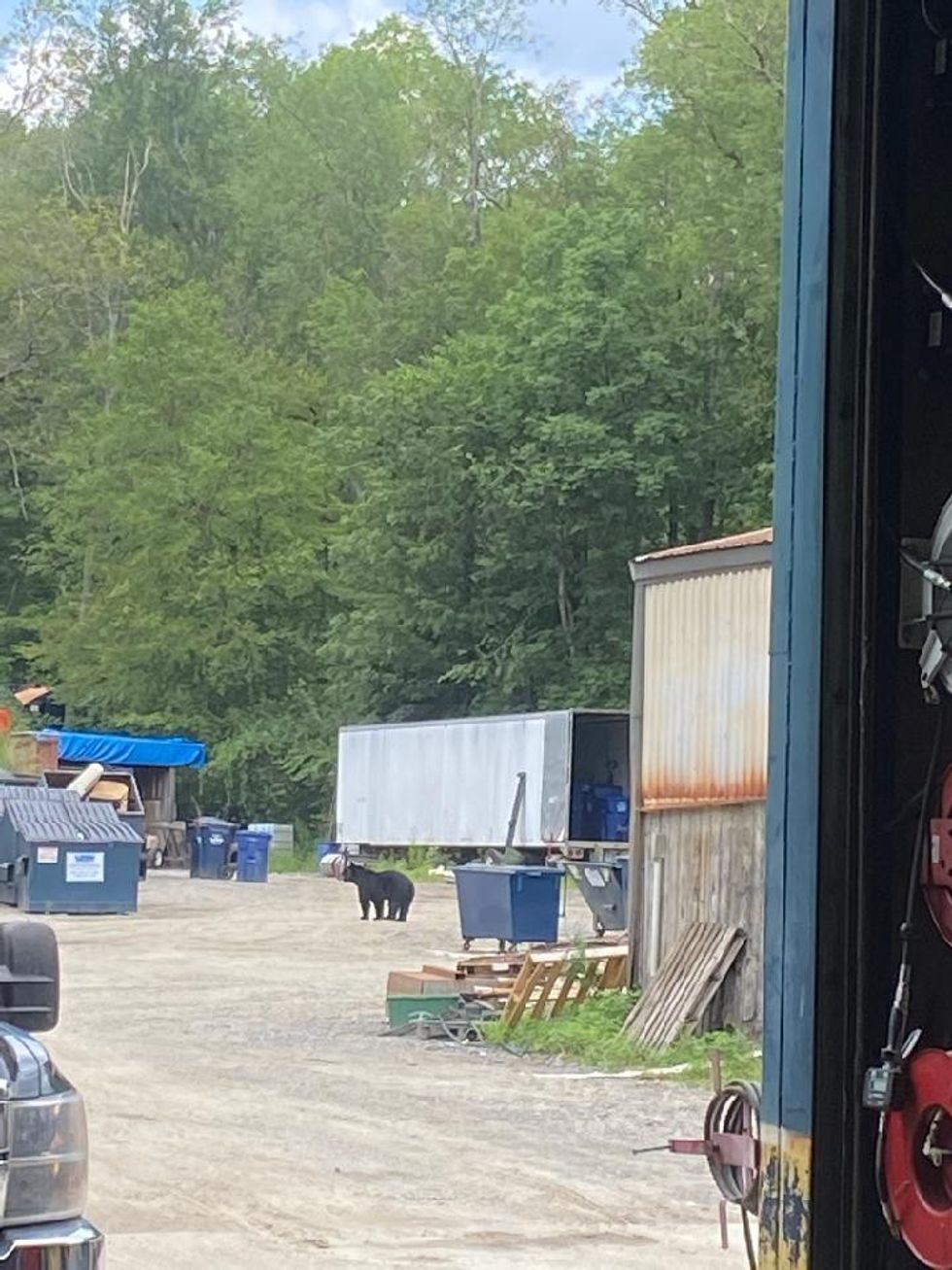
HARLEM VALLEY — Many residents who have the pleasure of living in the beauty of rural Dutchess County, especially here in the northeastern section, know there is a price to pay. That bill comes due every year when black bears decide that the quickest route to a delicious dinner is through someone’s trash can.
Jomo Miller, public information officer at the New York State Department of Environmental Conservation (DEC), said he doubts this year is any different than others on the bear front. Miller said the number of complaints the DEC has received this summer has been fairly average, despite the disagreement of many residents.
Wassaic resident Amanda Forbes has spotted numerous bears this year; one even ripped apart her neighbor’s garbage can after ambling over from her father’s house next door.
“There are so many bears this year in our area,” said Forbes. “I have also had two bears run in front of me while driving in the middle of the day. The other neighbors have reported seeing multiple bears around our yards and at the intersection of Poplar Hill and Sinpatch Road since the beginning of summer. There is definitely more activity than usual this year.”
With new development encroaching on these fuzzy residents of the forest, people have acknowledged “progress” has forced many bears to seek sustenance outside of their natural habitats. Bears are often seen hunting for bird seed and other morsels from feeders and scraps from patio tables and barbecue grills — a bear favorite.
While Miller suggested there may be a greater “perception” of bears due to their many guest appearances on social media, Scott Cale, general manager of Welsh Sanitation, said the problem is pervasive in both New York and Connecticut.
Cale noted bear raids may be abating somewhat as berries and other natural bear goodies are appearing, but until it’s time for the bears to take that long winter snooze, customers may end up needing to repack trash after a bear has, well, trashed it.
If that can’t be done due to early-rising, and hard-working drivers have already made their pass, Cale said customers may call the company and ask for a no-charge return visit — from the garbage truck — not the bear. Cale does warn, though, that the return pick-up might not be immediate.
Both men have non-fool or bear-proof suggestions for stiffling the huge creatures, who have a sense of smell 50 times greater than humans. That’s part of what evidently provides them with a road map for trash collection, more helpful than a schedule tacked to a tree.
With no guarantee that anything will work, try to control the smell of your trash by keeping trash cans clean; double-bag your trash; and even dip a rag into ammonia or vinegar and attach it firmly to the outside of the can, so it hangs inside before closing the lid. Bears apparently don’t like the smell, which interferes with their super sniffing powers.
Lid straps may help, although Cale notes their presence may poke the bear, who might react by kicking the can or otherwise abusing it. Straps, of course, also stymie the automatic machinery that collects trash these days. But a call to one’s garbage hauler to say straps are being used makes all the difference, as ever-helpful drivers will then stop, undo the straps, complete the collection and then continue on their way.
Cale did note that bears can be very determined when their tummies are running on empty. Several years ago, the company experimented with what were alleged to be very expensive bear-proof bins. Apparently, however, the bears — not having read the descriptions — retaliated by pushing them over and jumping up and down on them until they burst. Cale added that one especially beastly bear even pulled a massive steel container some 50 yards into the woods where apparently a Teddy Bear Picnic had been planned.
In short, there are no simple solutions nor any guarantees, but Cale suggests customers with problems report it to the DEC, which tracks bears and might take action. That could involve attempting to train the bear away from the behavior.
Sometimes bears are captured and taken as far as 100 miles away. With most being smarter than the average bear, as Yogi would say, they’ve got good memories and often find their way back to their home base. Sadly, as a last resort, some bears who threaten public safety may be euthanized.
There may be little to do but “grin and bear” the situation and hope for a bumper berry crop.
To register bear complaints, call the DEC office at 518-402-8883. For trash assistance, call Welsh Sanitation at 845-877-9354.




 Farm & Friends 2025.Provided

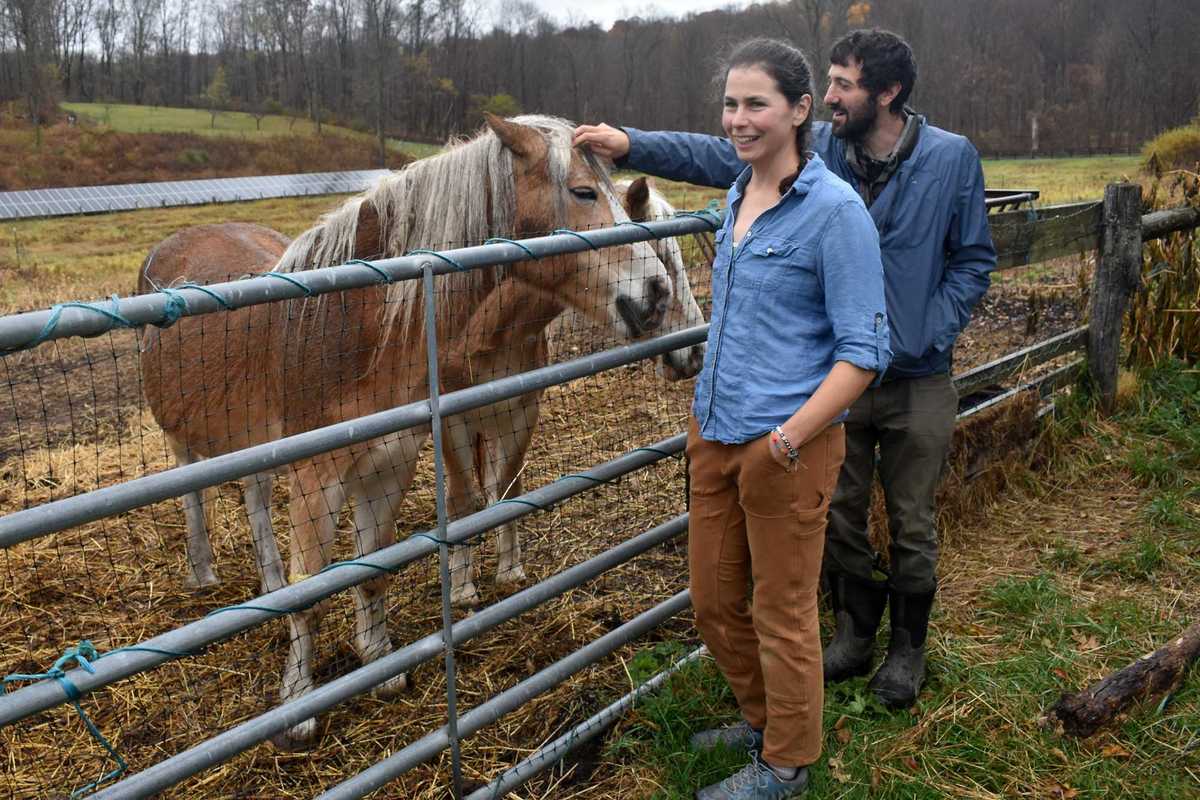
 Mark Stonehill and Miriam Goler with their winter greens at Full Circus Farm in Pine Plains. L. Tomaino