All across America, many corporations — especially those staffed with well-paid lawyers — have seen an opportunity not to pay suppliers, not to honor contracts or, simply, to invoke a delay of indeterminate length to the performance of contractual responsibilities. How? They find comfort in a clause buried deep in every contact called “Force Majeure.”
Simply put, contracts between companies or individuals call for one side to give the other side something in return for financial payment or exchange (you deliver my goods and I supply your wages). Those payment dates — and other performance issues — can be delayed when something happens that was either an Act of God (floods, tornadoes, etc.), any war event in the territory covered by the agreement, changes in laws that were not foreseen by either party before the agreement was concluded, strikes and labor disputes that affect the progress of the use of the rights in the agreement and, basically, unforeseen accidents. “Unforeseen” is a key word here.
In my business (licensing rights for print or media adaptation) I have rarely see a definition of “force majeure” include any mention of epidemic or pandemic specifically. And yet, more than one major company (Disney, for example) are claiming that the pandemic qualifies for a delay in their deadline for payments and contractual performance.
Now, some could say that the government (state, not federal, so far) lock-down on normal business attendance qualifies as such a disruption that was unforeseen and therefore the disruption is in the spirit of the force majeure clause in the agreement. However, this flies in the face of the work-at-home order all these companies instituted wherein employees are required to continue their use of the rights and materials all the while the parent company delays payments and performance. In short, the workers continue using the agreement rights granted while the right’s holders are left out in the cold financially.
Ah, but there’s a precedent in law, especially in New York and California, where the party seeing to invoke force majeure (well, Disney simply invoked it, without “seeking” any discussion) must attempt to perform its contractual duties and even if partly successful it cannot invoke complete force majeure suspension of agreement terms. In short, if all work is forced to stop, that’s a legitimate excuse to invoke force majeure. If work is not cut off, then, if the parties are fair with one another, they should decide jointly on how to proceed.
To do otherwise, is to allow this terrible pandemic to wreak more havoc on lesser financial parties than necessary. In these times of joint responsibility and suffrage, the last thing we need is an overreach of power over the little guy.
Writer Peter Riva, a former resident of Amenia Union, now lives in New Mexico.






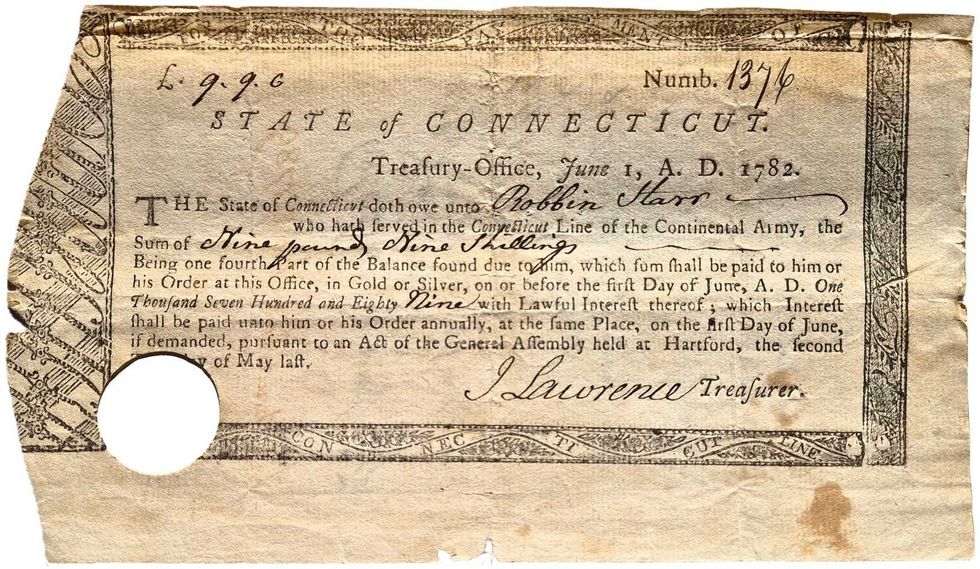 Pay Bill for Robin Starr’s service in the Continental Army.Courtesy the Alex Breanne Corporation
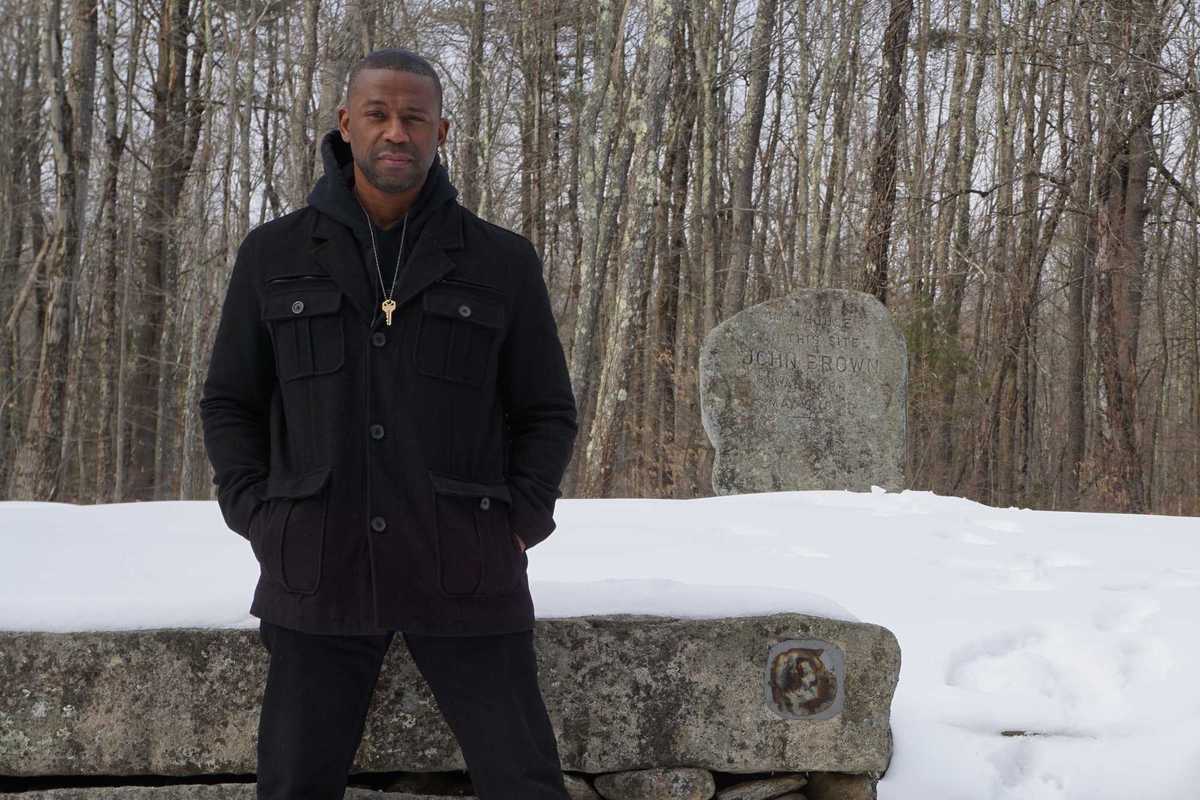
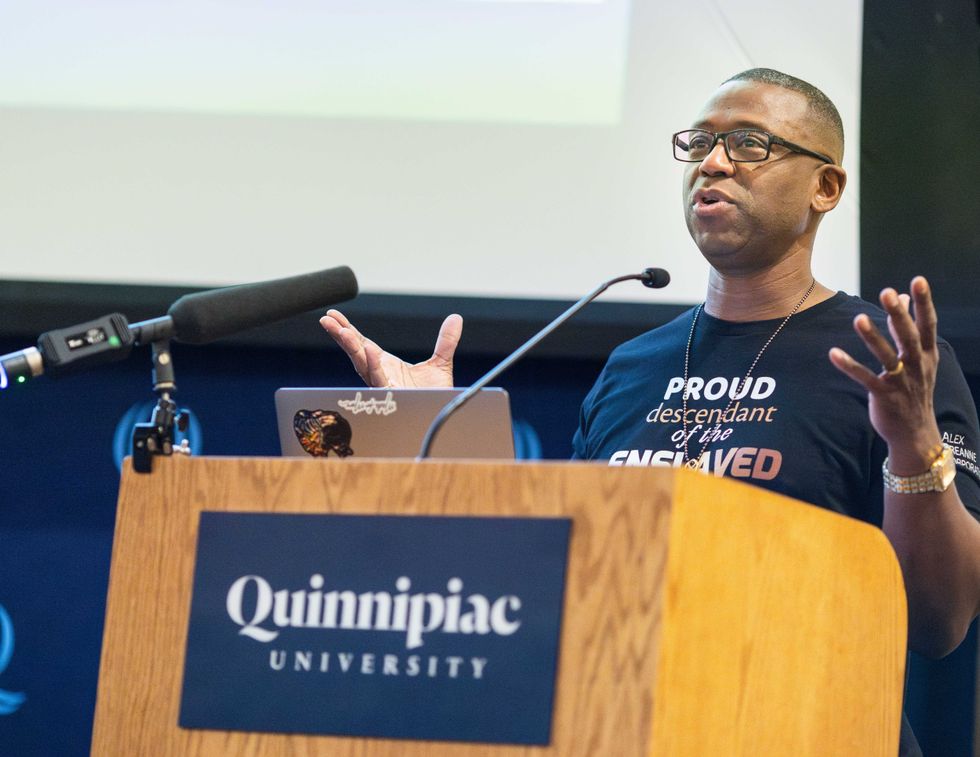 John Mills speaking at Quinnipiac University.Courtesy the Alex Breanne Corporation

 Stephanie Saetta,with her rescue dog George and Blue (left), a shepherd mix awaiting his forever home.Madi Long