The county, the town of North East and village of Millerton all focused their attention on police reform last week, when Dutchess County held a virtual public hearing on how to improve the Millerton Police Department (MPD) on Monday, Feb. 8. The town and village, meanwhile, held a joint Zoom meeting on Wednesday, Feb. 10, on its work thus far reworking the MPD’s policies and procedures. The meetings were held virtually due to the coronavirus pandemic, as all meetings are these days to keep the public safe while still hoping to draw as large of a crowd as possible; both were well publicized and quite well attended.
The meetings were a direct result of Governor Andrew Cuomo’s Executive Order, announced last June when he warned every single police agency in New York State they must review their policies and procedures, discuss them with community stakeholders and submit new plans to his office by April 1 or risk losing their state funding.
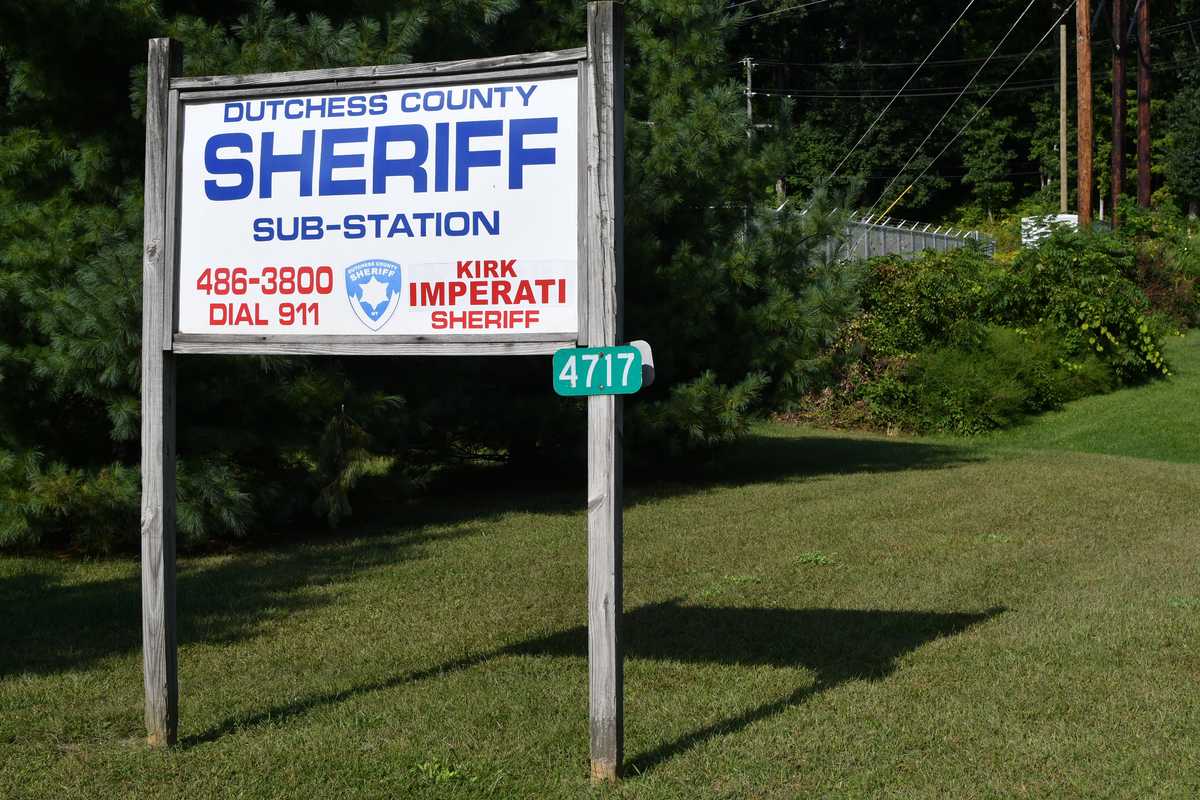
Millerton is among the Harlem Valley municipalities that have their own police force, albeit a part-time force. The village of Millbrook has a police department; the town of Pine Plains has a police department; Amenia has only a police constable. The Dutchess County Sheriff’s Office has a sub-station located on Route 22 in Amenia while the New York State Police has its Troop K Barracks on Route 44 in Millbrook and a sub-station on Route 22 in Dover Plains.
Key among Cuomo’s concerns was the need to “address any racial bias and disproportionate policing of communities of color” in the wake of George Floyd’s death on May 25, 2020 in Minneapolis, Minn., which ignited a months’ long social justice movement across the U.S.
While the volatility sparked by such issues hasn’t specifically touched the Millerton community, one participant at the county hearing did raise his desire to see the MPD create a way to deal with racial discrimination and hate crimes, which was an issue a few years back when some anti-Semitic posters were hung in the village and surrounding communities, including Millbrook and Lakeville, Conn.
Another resident questioned why the village runs the police force when it’s a mere fraction of the size of the town, rather than the town managing the department.
Yet another comment recommended creating a citizen oversight group between the village and the town to help manage the MPD. Also suggested was that “clear roles and responsibilities of local and county law enforcement” be defined.
One comment praised the MPD for reaching out to local youth, and for dealing with them in unconventional yet productive and positive ways.
The town/village meeting on the 10th seemed to deal with a lot of procedural issues, including how body cameras and dashboard cameras operate, as well as how officers typically approach motorists.
The possible benefits of expanding the MPD’s schedule, from basically covering the overnight shift to including more daytime shifts, was also discussed.
One comment Mayor Debbie Middlebrook made after the joint town/village meeting, was that she was surprised at “the thought the police might write tickets as a source of funding,” noting “the village receives very little in ticket revenue.”
According to Middlebrook, Village Treasurer Kelly Kilmer told her “the last check the village received for police fines was for $25,” adding that police cases are prosecuted in the North East Town Court and then the State of New York sends the village any financial portion of the court fees it is due, which doesn’t amount to a whole lot.
That said, the mayor added she thought the “public listening meetings went well… I think just listening allows the participants to speak without worrying about getting negative feedback on their comment… [and] is a healthy process” adding “I was very pleased to hear the positive comments on how respectful our officers have been.”
The Joint Village of Millerton and Town of North East Police Committee said it hopes to have a draft police reform plan prepared by mid-March, well in time for the April 1 deadline.
We think it’s great that the committee, supported by Dutchess County Executive Marc Molinaro and the County Legislature, the North East Town Board, the Millerton Village Board and the Millerton Police Department, with assistance from the Dutchess County Sheriff’s Office, other law enforcement agencies and community stakeholders have been able to work alongside each other and come up with a plan to improve how the MPD police.
To be honest, we didn’t see a lot of problems to begin with — the MPD has been keeping this community safe for a long time with just a part-time force and limited resources — not an easy task.
The big picture here is that the Millerton Police Department has been keeping law and order and peace in all that time, and let’s face it, this is probably the least peaceful period of our lives. That in and of itself is pretty amazing. It’s always good to seek to make things better. But let’s not lose sight of the fact that the MPD is a vital part of this community and it is doing an essential service during an incredibly stressful and challenging moment in history. That said, thanks to everyone who has spent so much time to improve something that already works so well.
The Joint Village of Millerton and Town of North East Police Committee just held another virtual public meeting on Wednesday, Feb. 17, after press time. The group is planning upcoming meetings on Wednesday, Feb. 24, and Wednesday, March 3, both at 6 p.m. The meetings will be held via Zoom; the links will be posted one day prior to the meeting on the village’s website. For that information and the committee’s full schedule, go to www.villageofmillerton.net.

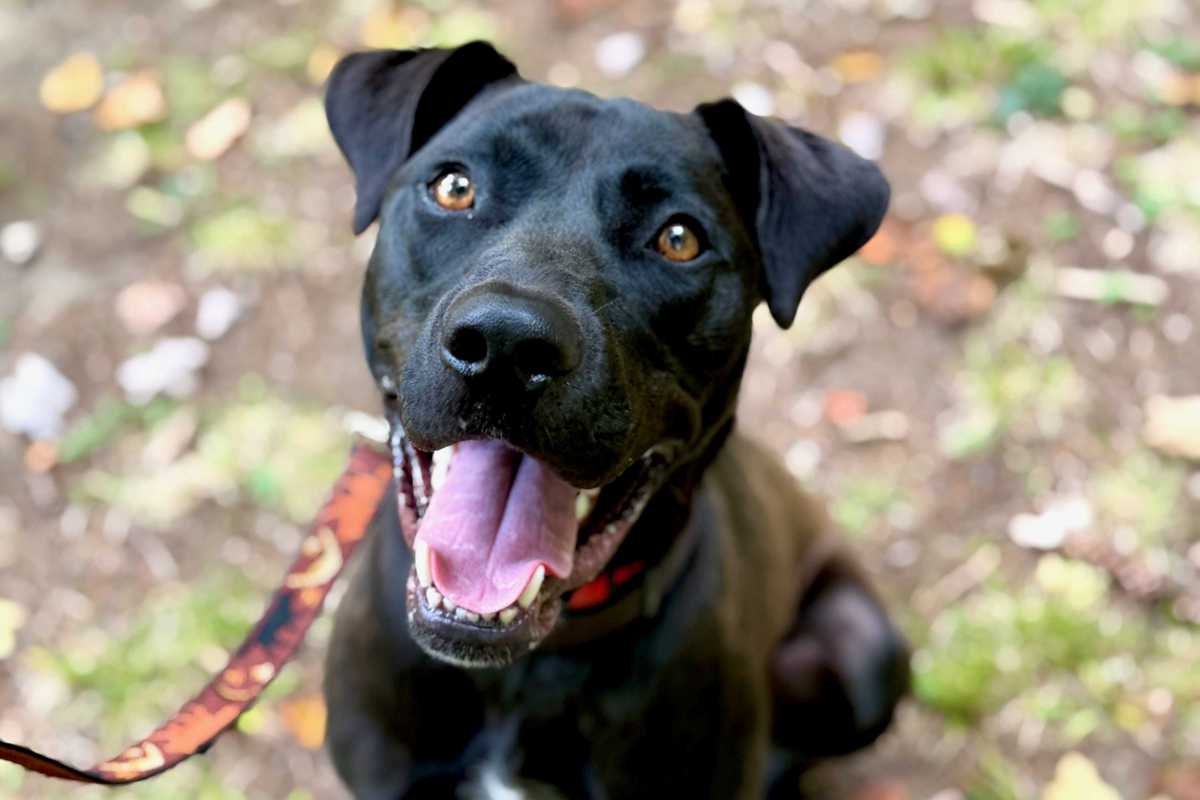
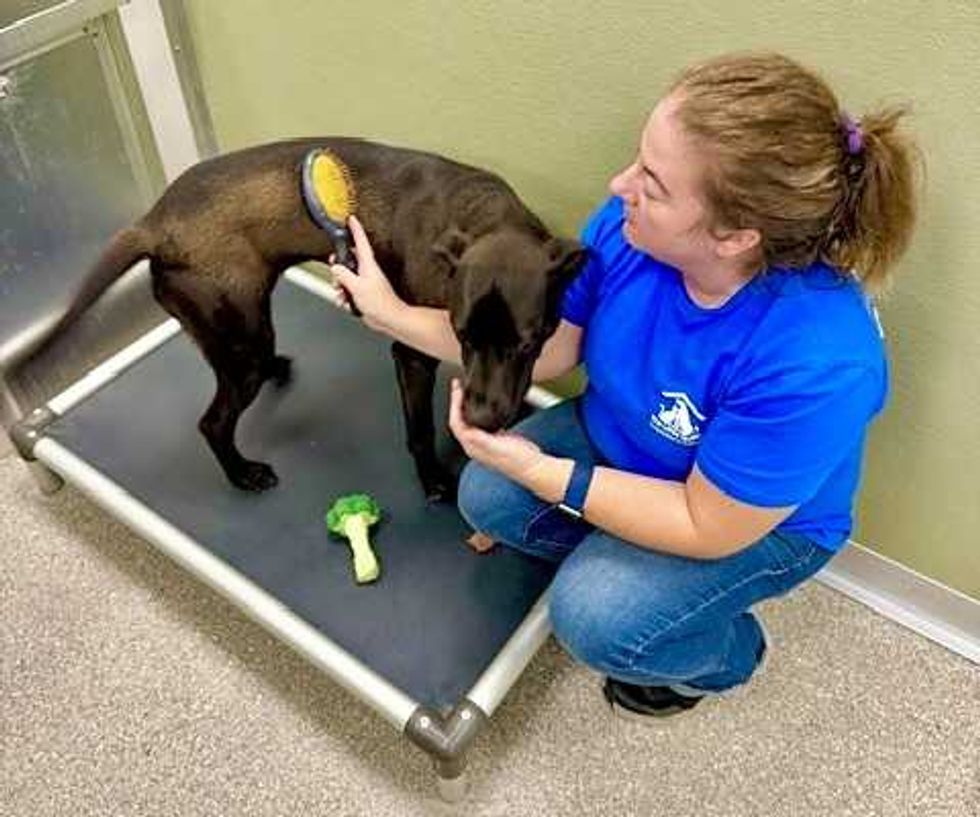 Tiffany Lemelin, shelter manager, brushing Marsala upon arrival.Provided
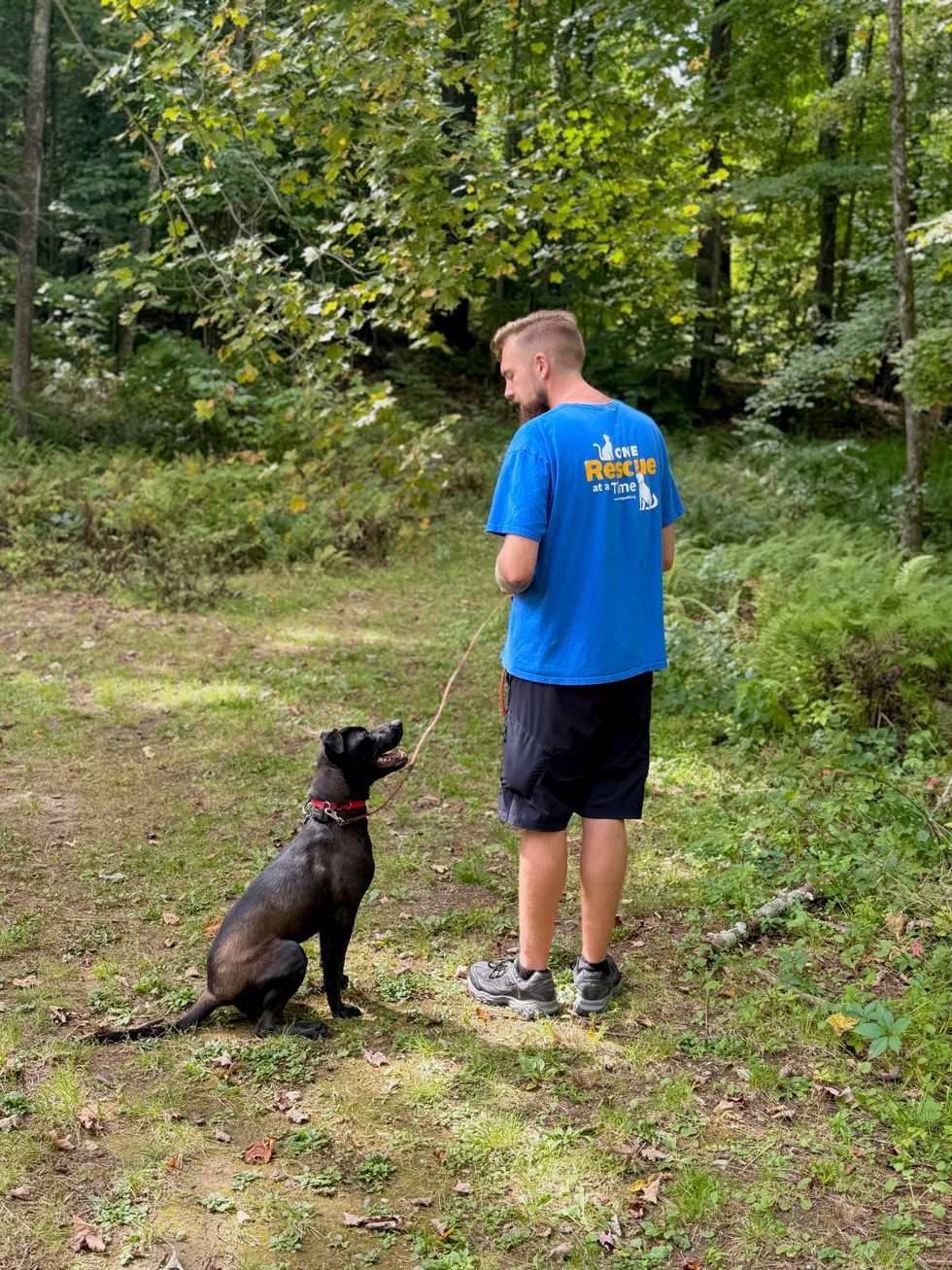 Michael DeBarba, certified dog trainer working with Marsala.Jennifer Almquist
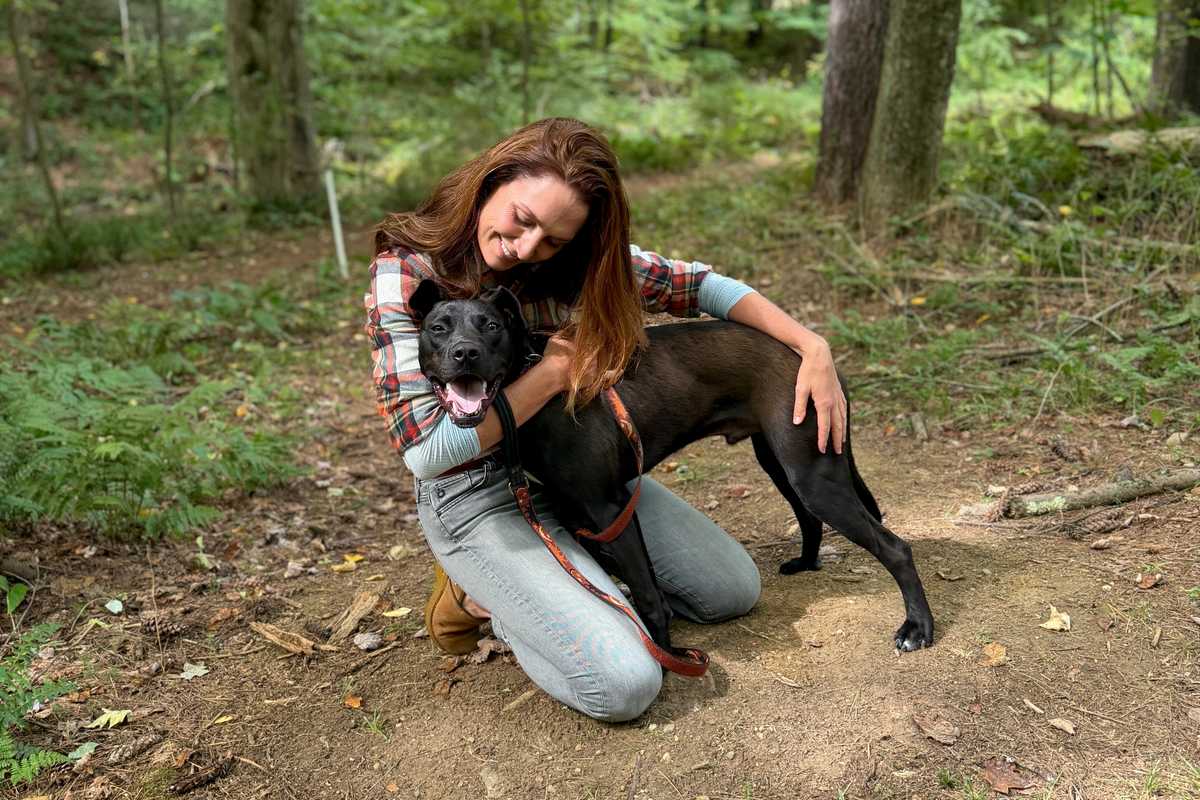 Marsala wins a heart.Jennifer Almquist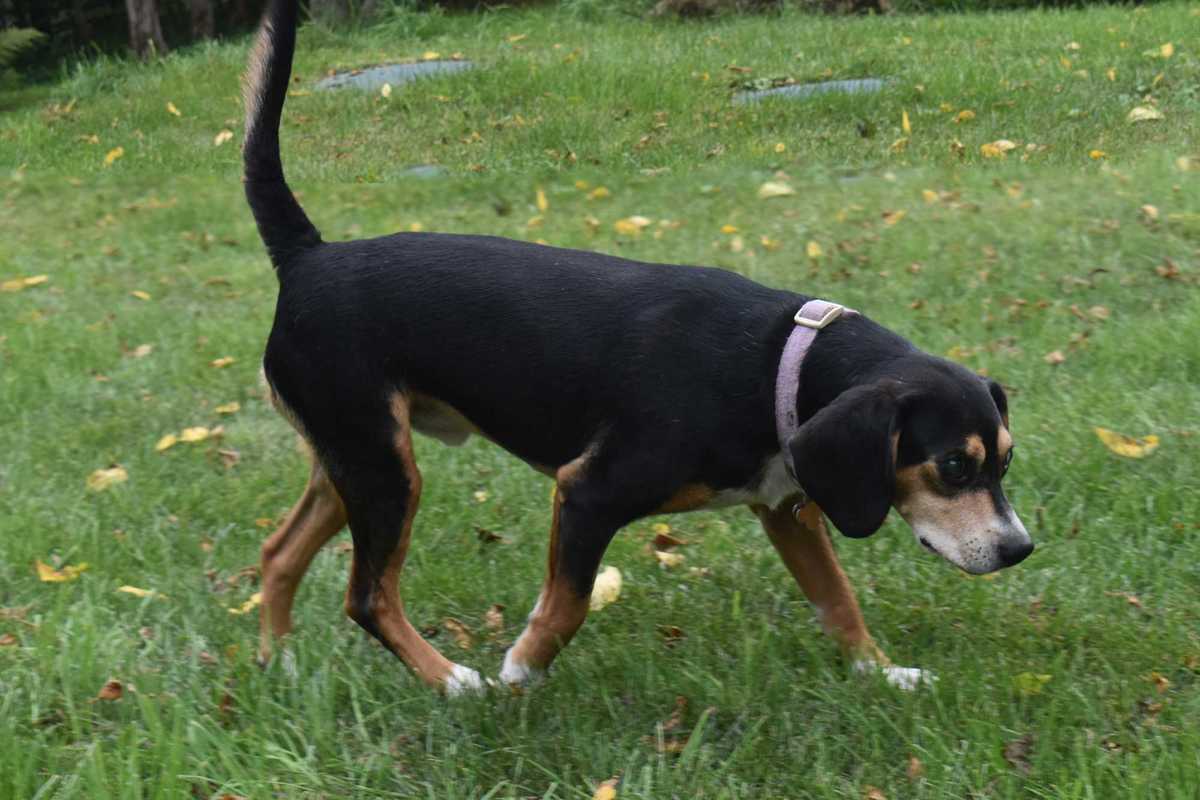
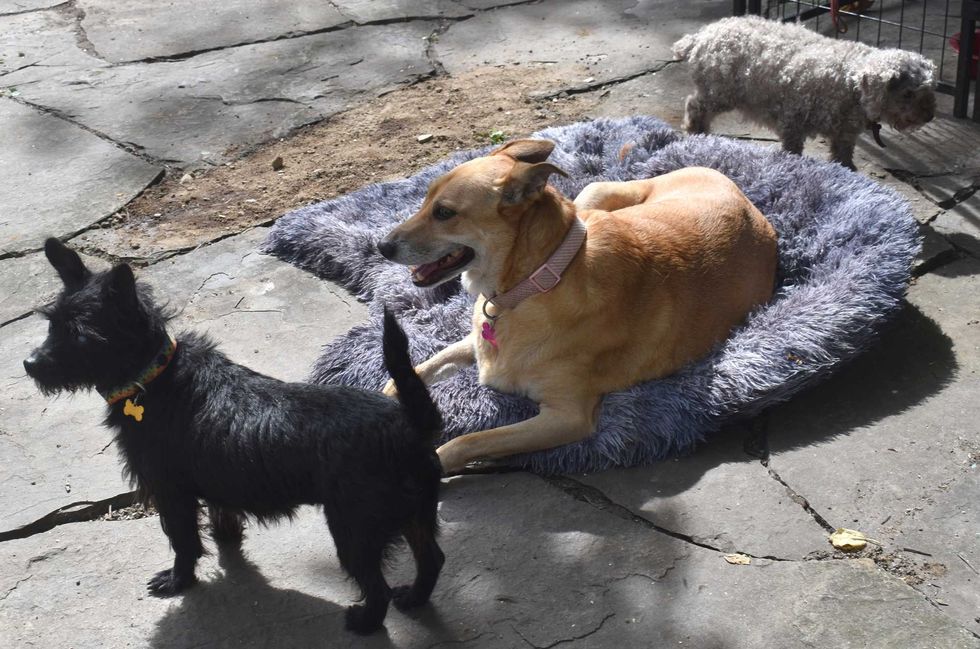 Sadie, center, a Carolina dog, plays with her friend Negra, a terrier mix. Bella Linda, the small poodle, has since been adopted.L. Tomaino
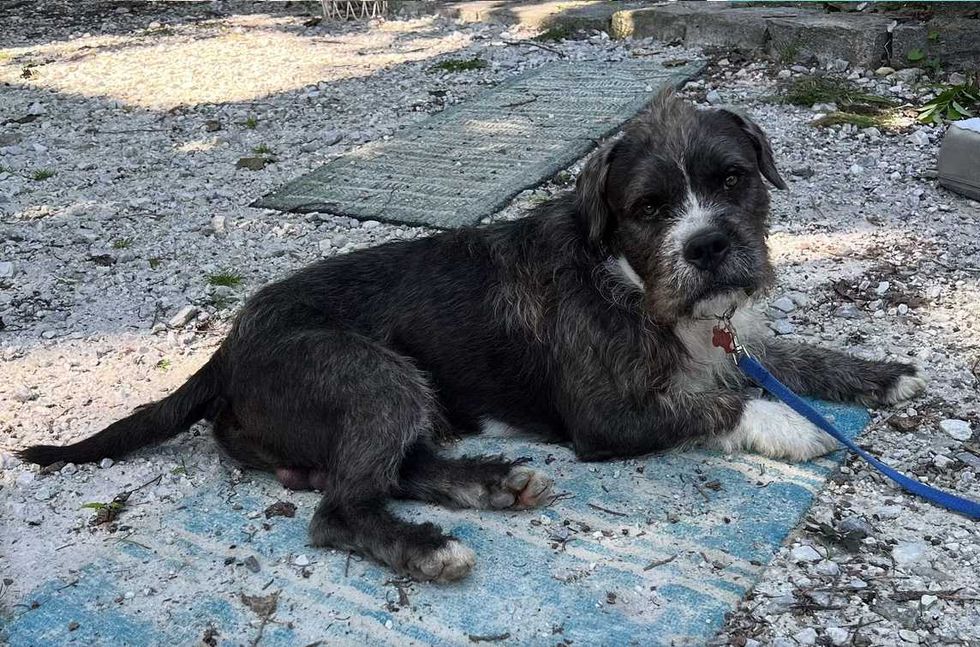 Wesley, a young, exuberant mix, is looking for an active home.L. Tomaino
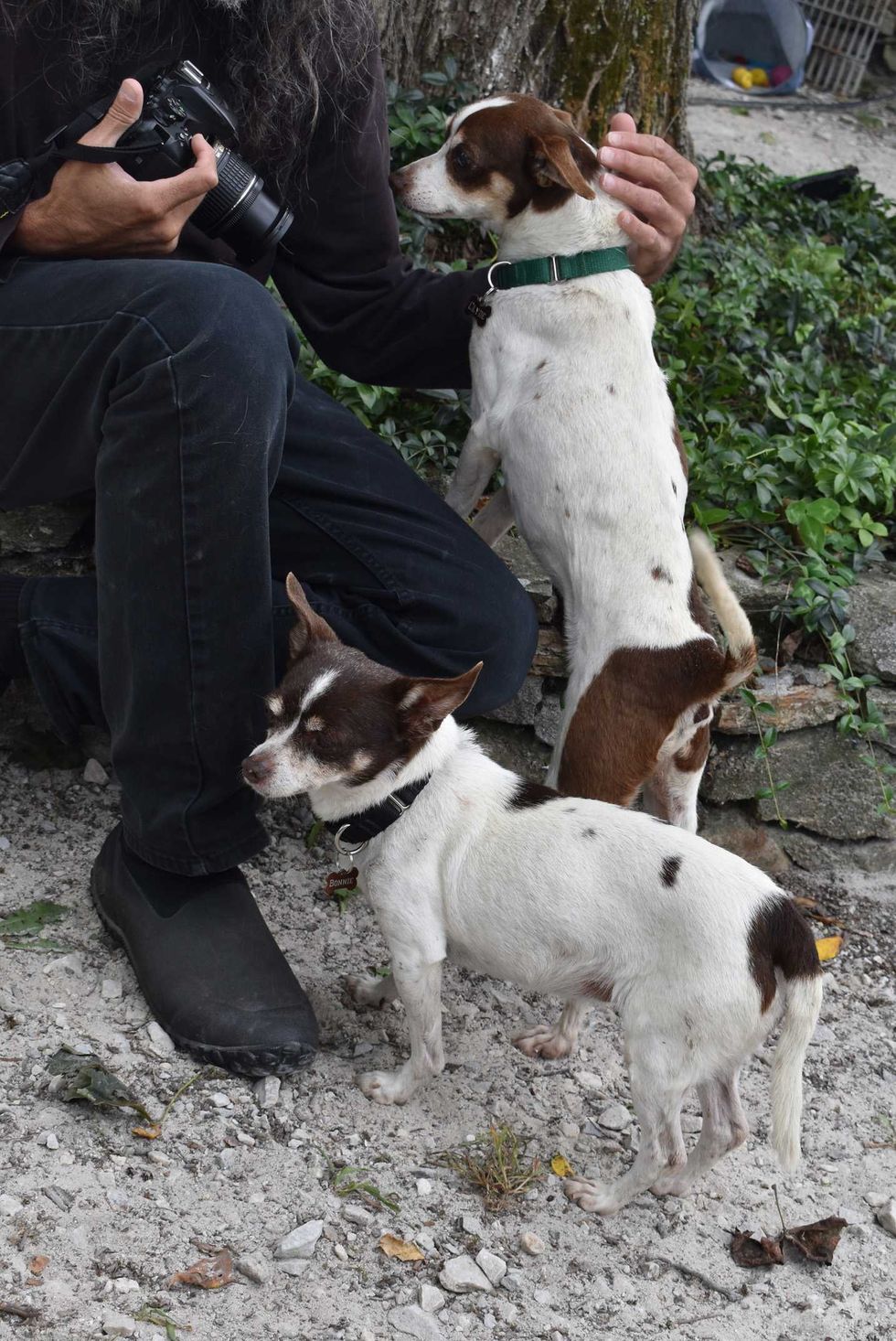 Bonnie and Clyde, an affectionate terrier pair.L. Tomaino