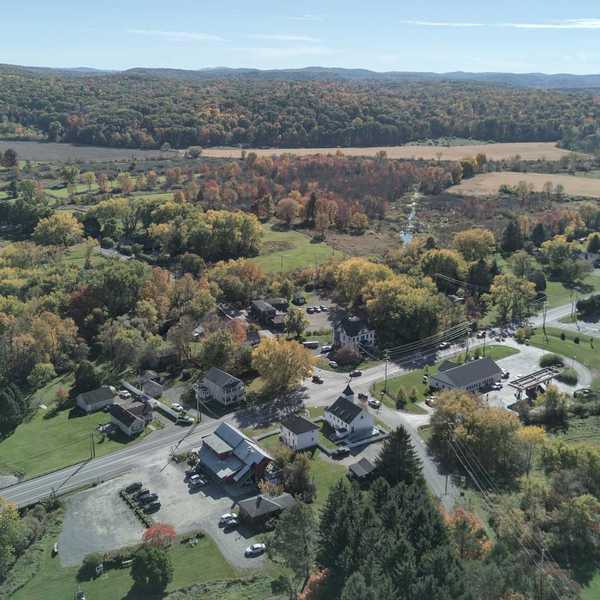
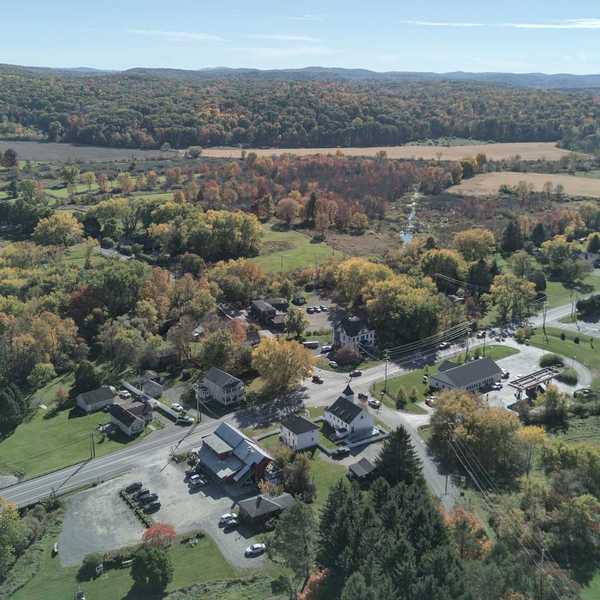
The formation of a wastewater sewer district for the Village and the Town is beginning to coalesce after decades of discussion and study about how to move beyond septic system solutions.
At the last Town of North East Board meeting on Feb. 9, Supervisor Chris Kennan noted that a project of this magnitude was not for the faint of heart, but it is necessary for the economic future.
The thinking behind the need for a sewer system for the Village and the Town was a top planning initiative in the creation of the Comprehensive Plan, adopted for the Village and the Town, adopted in 2019.
That plan cited the lack of sewers as a principal weakness that needed to be addressed. Quoting directly from the Plan: “To encourage development of a thriving, vibrant, stable and diverse economic base that offers ample employment and entrepreneurship opportunities for all, the Town and Village will plan for public sewers.”
Another goal stated in the plan: “Recognize and support the Village of Millerton’s charming character, its role as the primary center for commerce, culture and social interaction in the Town, and a place where businesses are prosperous and meet the needs of both residents and visitors.”
And a wastewater system was listed among top capital improvement projects needed to meet the goal of economic vibrancy.
In the summer of 2022, through the Dutchess County Municipal Investment Grant Program, the Village and the Town were awarded $200,000 to support a preliminary engineering design study to replace an aging and failing wastewater system with an advanced water resource recovery system, and provide opportunity for future expansion.
Last month, the proposed Village wastewater system was the subject of a public hearing in the Village. The project envisions establishing a municipal wastewater system, including a new septic tank effluent collection system, treatment system, new outfall, and adoption of sewer use regulations. Phase 1 of the Project is to serve the Village of Millerton and, subject to creation of a Town Sewer District, to serve a portion of the Town of North East pursuant to an intermunicipal agreement.
A proposed system would be owned and operated by the Village, which would create a sewer district and operate a sewer plant located in the Village. The Town’s wastewater district, which would extend along the Boulevard (Route 44), would be made up of 27 commercial properties. The businesses in the Boulevard District east of the Village would benefit, and it would be a critical requirement to attract a food market.
The Town has been working with engineering consulting firm Tighe & Bond, which has also been working with the Village and has created a plan for how the Town will form its district. There will be discussion about how to form a district under Town law, and public information sessions followed by public hearings. And eventually there will be a vote.
In the case of the Town, Board members plan to decide on a next step by their upcoming meeting, which is March 9.
For perspective’s sake, more than a year has passed since Kennan remarked at a Town Board meeting that the Town has needed a sewer for decades. He described the project as elusive and daunting, despite efforts over the years to make it happen.
It likely will be years in the making, but well worth it.







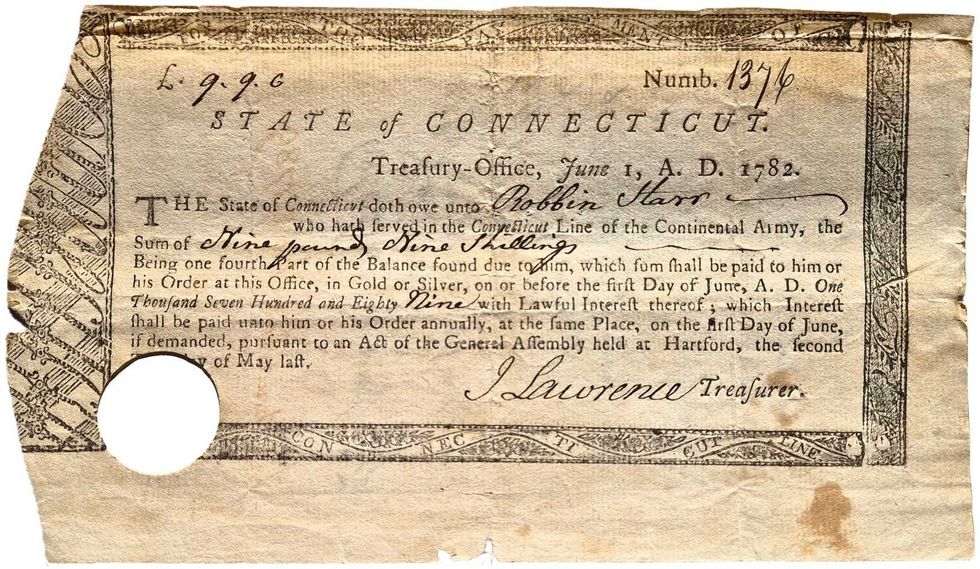 Pay Bill for Robin Starr’s service in the Continental Army.Courtesy the Alex Breanne Corporation
 John Mills speaking at Quinnipiac University.Courtesy the Alex Breanne Corporation

 Stephanie Saetta,with her rescue dog George and Blue (left), a shepherd mix awaiting his forever home.Madi Long