Defeating COVID-19, one shot at a time
The New York State rollout of the COVID-19 vaccine is gaining local traction. My wife and I had our first Moderna injection on Saturday, Feb. 27. The organization at the vaccination site in Amenia, at Sun River Healthcare at 3360 Route 343, was well done and commendable.
The side-after effects of the vaccine were minimal: I had a mildly sore injection site the following day, but otherwise experienced no adverse effects. My wife felt fine. A second dose is scheduled for us in four weeks.
I encourage all of you able-bodied readers to receive your injections ASAP. Together we can defeat this foreign invader and protect one another.
For those of you who are eligible for the vaccine, the Amenia clinic can be reached at 845-838-7038. There are other vaccination sites throughout Dutchess County; to learn where, go to www.dutchessny.gov/Departments/DBCH/COVID-19-Vaccine-Information. To see if you’re eligible for the shots, go to www.covid19vaccine.health.ny.gov.
Take care, stay safe and God bless you.
Larry Conklin
Millerton
Editor’s note: Larry Conklin writes the monthly Veteran’s Corner column for The Millerton News.
Do your part and get vaccinated
After a slow start, vaccination against COVID-19 is becoming increasingly available, and eligibility for vaccination is gradually spreading. Unfortunately, many people are choosing not to be vaccinated. Not only does this deprive those persons of very valuable protection, it also does a real disservice to everyone in the community and the nation.
Some people refuse vaccination because they think it may not be effective. Yet studies on thousands of people have shown that the vaccines, which have been made available are extremely successful in preventing infection, and virtually 100% effective in preventing serious illness and death.
Other people worry that the vaccines may not be safe, because they were developed and made available remarkably quickly. But the speed was the result of an enormous effort. Safety was not compromised. Extensive trials established the vaccines’ safety before they were released, and, by now, millions of people have been vaccinated safely. Side effects, when they occur, are mild, and it is impossible to get infected from being vaccinated, since none of the vaccines contain any live virus.
Still other people refuse to be vaccinated because they fear a government plot to harm us. Not a shred of evidence of such a plot has been discovered, while COVID-19 harms all of us in a great many ways, both direct and indirect.
So far, COVID-19 has killed over half a million people in the United States, sickened millions more and caused incredible economic and social damage. Unfortunately, the pandemic is far from over. The longer it lasts, not only will the number of people who are getting sick and dying from the existing forms of the virus keep increasing, but the more variants of the virus, possibly even deadlier, will appear.
It is critical that we bring this pandemic to an end as quickly as possible. Everyone who gets vaccinated not only is benefitting his or her own health, but also is helping to protect the health and lives of many others. Let’s all do our part!
Cavin P. Leeman, M.D.
Amenia
An explanation regarding WQQQ 103.3 FM’s changes
Dear Editor,
Thank you for the opportunity to communicate with WSHU Public Radio listeners saddened by our decision to cease broadcasting on WQQQ 103.3FM (Sharon, Conn.). We have heard from passionate listeners dismayed by the news.
For nine years, we programmed WQQQ 103.3FM via a contract with the station owner, under which we paid to provide programs to Litchfield and Dutchess Counties. It was no longer sustainable for us to continue.
I am sorry if this caught you by surprise. WSHU communicated broadly and proactively to our WQQQ friends. Beginning in September 2020, we sent many emails, newsletters and letters announcing the change; during our last week we ran on-air announcements. The information has also been online, at www.wshu.org/wqqq.
Like many nonprofits, we operate with razor-thin margins and a very lean staff. I was brought on as station manager as part of a planned executive transition to follow the founding general manager. I was tasked with rebuilding staff capacity, increasing fundraising and creating a sustainable business model. As I took over WSHU’s budgeting daily operations, we were hit by a global pandemic, a volatile economy and a very uncertain future.
Many of you asked: Why not fundraise more? We already fundraise on the air four times a year — for about 10 days each time — and solicit donations via direct mail throughout the year. We receive over 60% of our funding from donations. We receive 34% of our funding from corporate underwriting and special events. The remaining 6% comes from the Corporation for Public Broadcasting.
The impact of the pandemic left us with a large deficit at the end of fiscal year 2020 in July. It was imperative that we started FY21 with a balanced budget, while there was no end in sight for the pandemic or the erratic economy.
The goal of any nonprofit is to identify a sustainable business model that matches the philanthropic support available in the current economic climate. That is why we created the FY21 budget assuming a 20% drop in revenue across the board. In order to create a balanced budget, we had to reduce our expenses by $800,000. We did this by cutting WQQQ, cutting staff members’ salaries up to 15% and not replacing staff who had left the station prior to the pandemic. We went from a budget of $5.4M to $4.8M, and from a lean staff to an even leaner one.
These measures ensured the survival of the station. I can report seven months into our fiscal year we are breaking even. If we had not made drastic cuts, we would now be swimming in an exceptionally large deficit on top of the deficit incurred at the end of last year.
I recognize that this does not bring back your favorite programs on WQQQ.
However, you can continue to hear WSHU’s programming on our website, our app or via a smart speaker. Information is at www.wshu.org/wqqq.
Reach me at rdael@ex.wshu.org with additional questions. Thank you, and warm regards.
Rima Dael
WSHU General Manager
Fairfield, Conn.

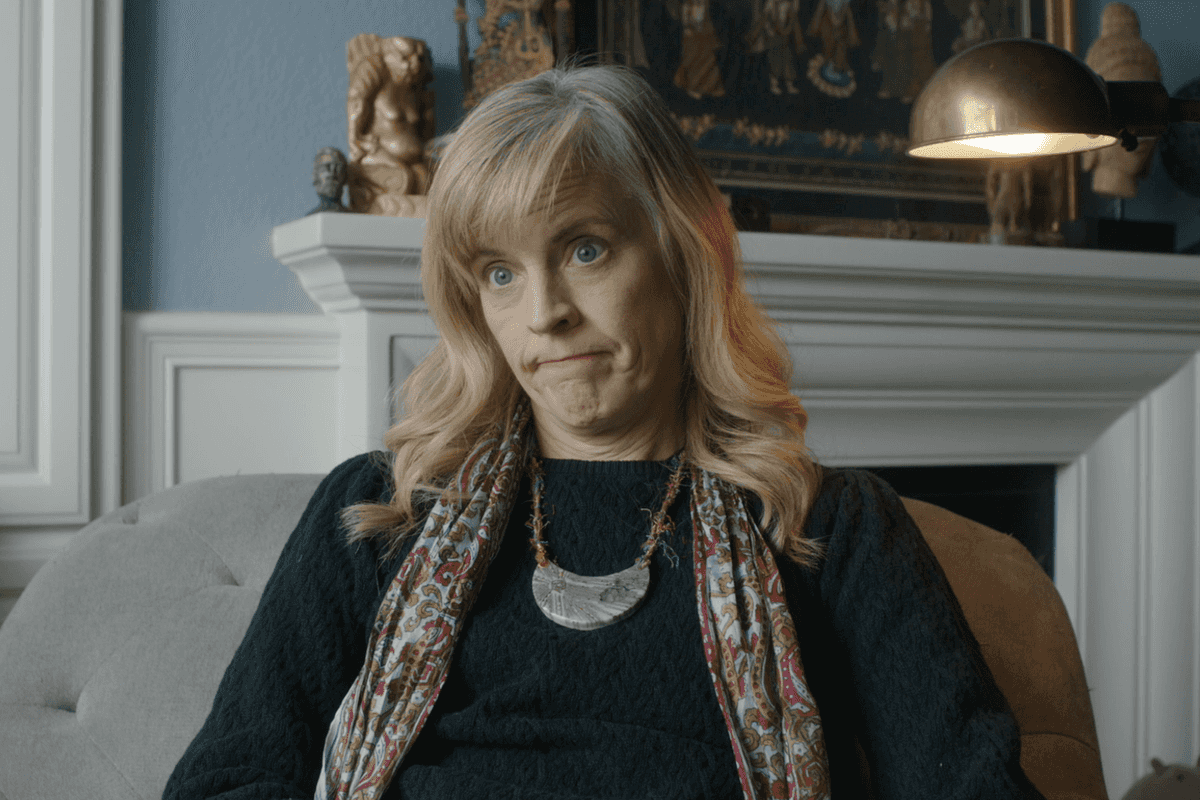

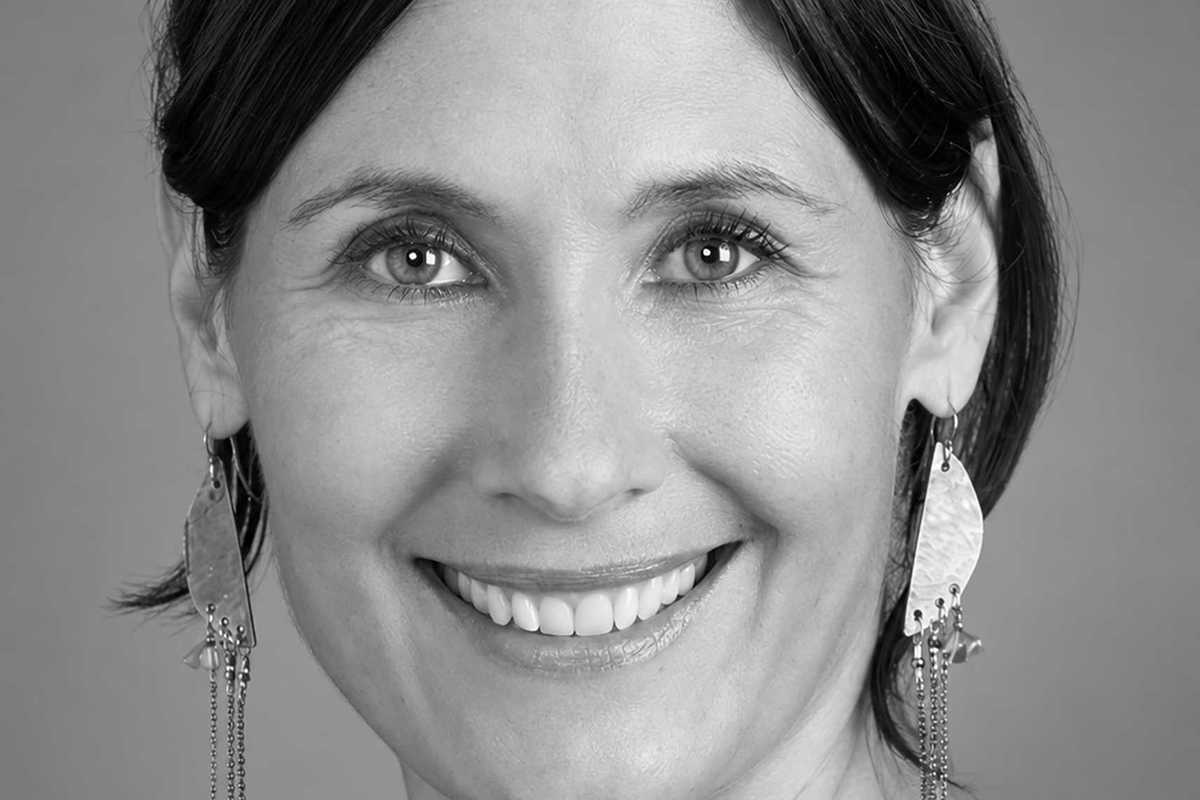


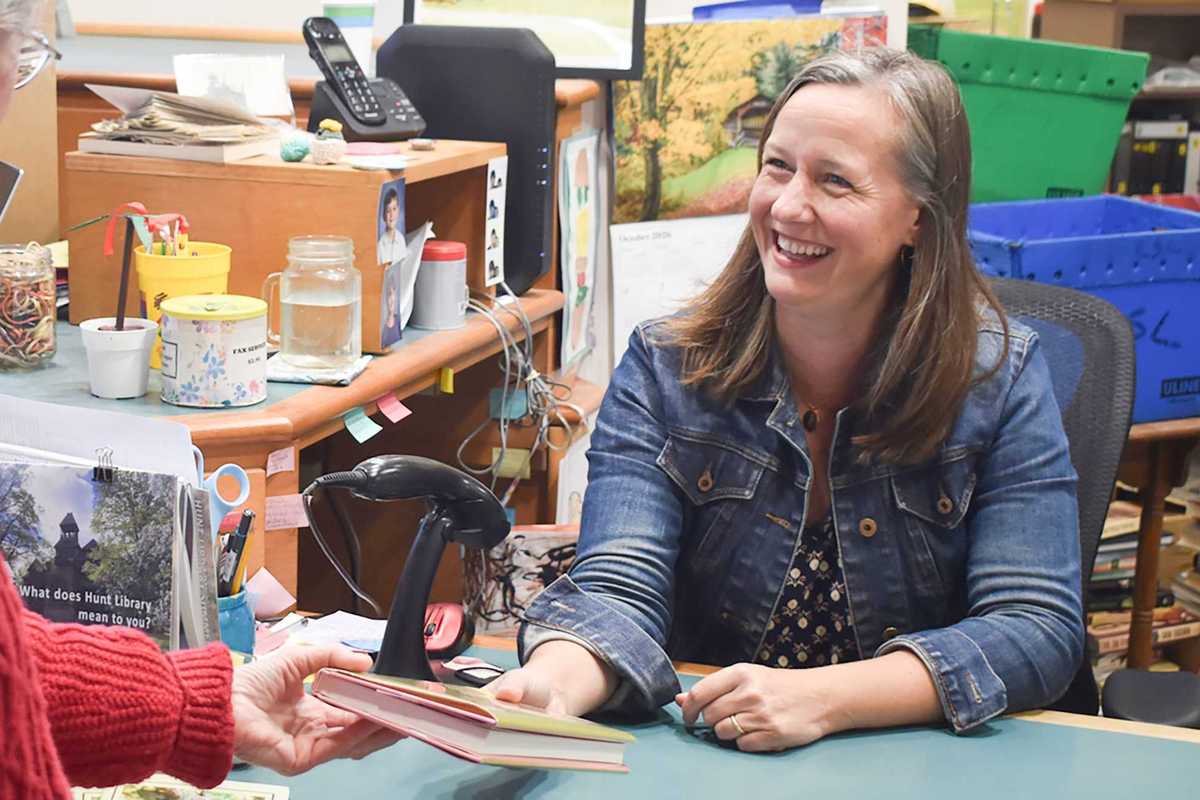
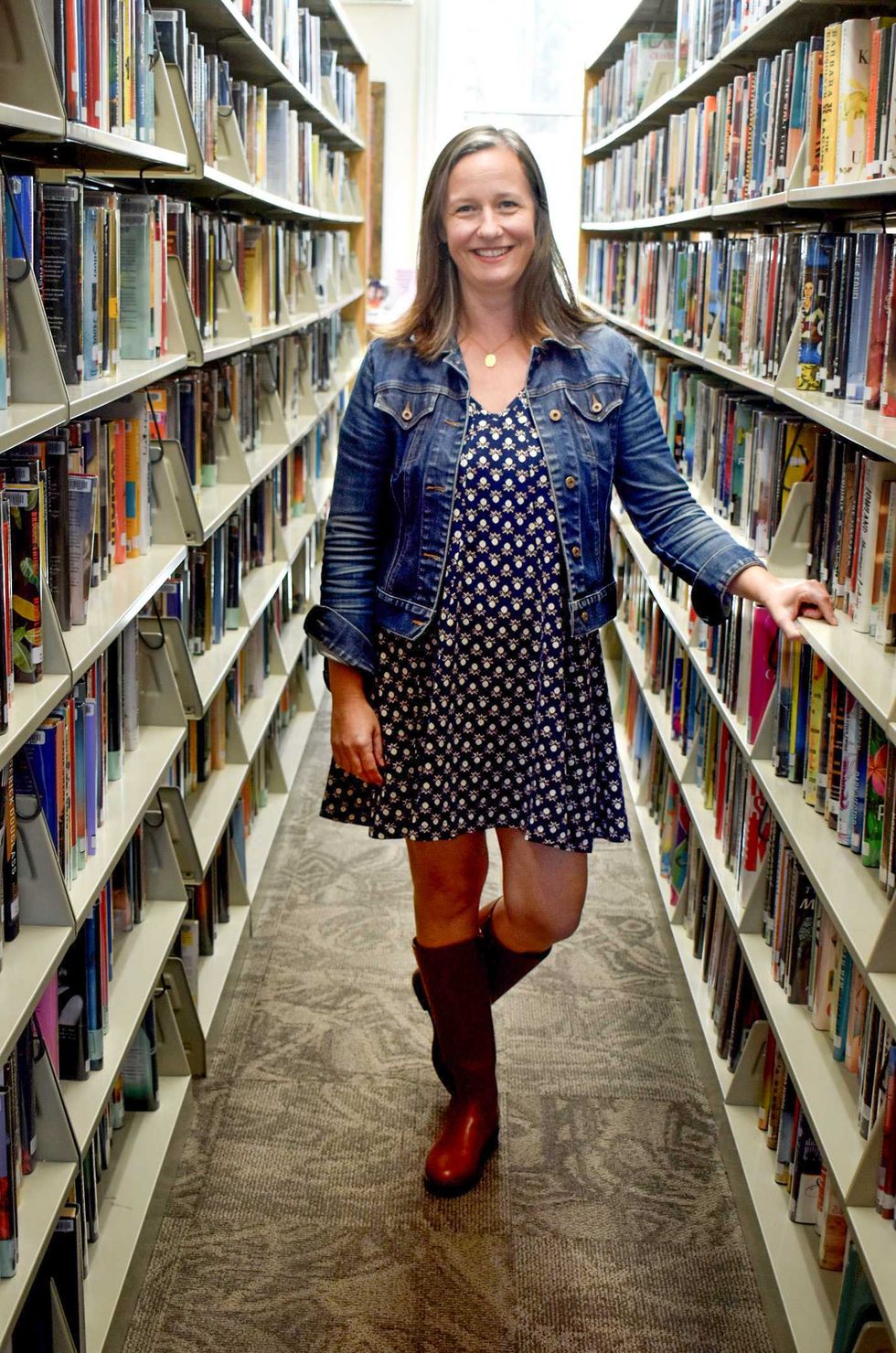 Meg Sher, executive director of the David M. Hunt Library in Falls Village.L. Tomaino