
On Tuesday, Dec. 21, 2021 Dutchess County’s newest commissioner of the Department of Behavioral & Community Health, Livia Santiago-Rosado, MD FACEP, appointed one day previously by Dutchess County Executive Marc Molinaro on Dec. 20, penned the following letter to Mary T. Bassett, MD, MPH Acting Commissioner at the Empire State Plaza Corning Tower in Albany. It follows below.
Dear Acting Commissioner Bassett,
As the newly sworn-in health commissioner for Dutchess County, I share your concern for the current state of the COVID-19 pandemic in New York. The recent emergence of the highly transmissible Omicron variant, superimposed over an existing Delta surge, is a concerning development in the context of the pandemic. Understanding that there are no “silver bullet” public health or clinical interventions, our best bet is a targeted layered approach. Masking, vaccines and boosters, and contact tracing and social distancing are all important, but no individual strategy is sufficient to contain transmission and prevent disease. The value of each strategy is enhanced when multiple strategies are layered on top of each other. Any (and all) interventions aimed at reducing the circulating coronavirus load should be pursued to optimize their synergies.
One non-pharmacologic intervention is to increase testing capabilities to include home testing. We have been hearing from Dutchess County residents about ongoing shortages of at-home kits in retail stores, so we were thrilled that the State will be sending a supply of these kits, giving us an opportunity to improve access to rapid testing for our community. The knowledge of a positive test result is likely to alter the individual’s behavior, so these tests represent an important adjunct in the work of containing transmission.
Treatment modalities, such as monoclonal antibody infusions like casirivimab and imdevimab (Regeneron), remain avenues that have been relatively underutilized in the current comprehensive approach. I recognize that there have been some barriers to utilize these more broadly; these infusions do require a licensed provider’s order, a registered nurse to administer them, and for recipients to occupy an infusion chair or bed for up to two hours. The concomitant nursing shortages that have plagued much of our state complicate this further. However, hospitals and clinics have in many cases failed to prioritize this service to our communities, perhaps choosing not to direct resources to this endeavor.
Many hospitals have been hard-hit in the last 22 months: lost revenue, workforce contractions, disrupted flow and poor efficiency in the face of ever-changing policies arid conditions on the ground in the midst of a pandemic. Their focus now is on trying to regain financial ground, directing their scarcer-than-usual resources to ensuring services such as elective surgeries proceed. In doing so, they are left with little bandwidth to participate in vaccination, testing or treatment. Treatments in particular seem to have been relegated to oblivion, and access to antibody infusions, the only outpatient treatment in our arsenal, has been exceedingly limited. In some cases, hospitals have leaned on their emergency departments, but this practice inappropriately places further strain on emergency departments that are bursting at the seams.
This is also inappropriate, however, as monoclonal antibodies are indicated for stable COVID- positive patients who do not require emergency care.
Perhaps the needle could be moved if the State were to issue specific guidance in this regard. We ask that you strongly urge hospitals and clinics to prioritize the provision of access to interventions geared to contain this pandemic, and specifically to ensure they have mechanisms to provide monoclonal antibody infusions for appropriate patients.
Thank you for your consideration.
Livia Santiago-Rosado, MD FACEP, was appointed as the new Dutchess County’s new commissioner of the Department of Behavioral & Community Health on Monday, Dec. 20. Her expertise is in emergency medicine and she was involved for almost two decades in leadership, change management and advocacy. Dr. Santiago-Rosado lives in LaGrange.


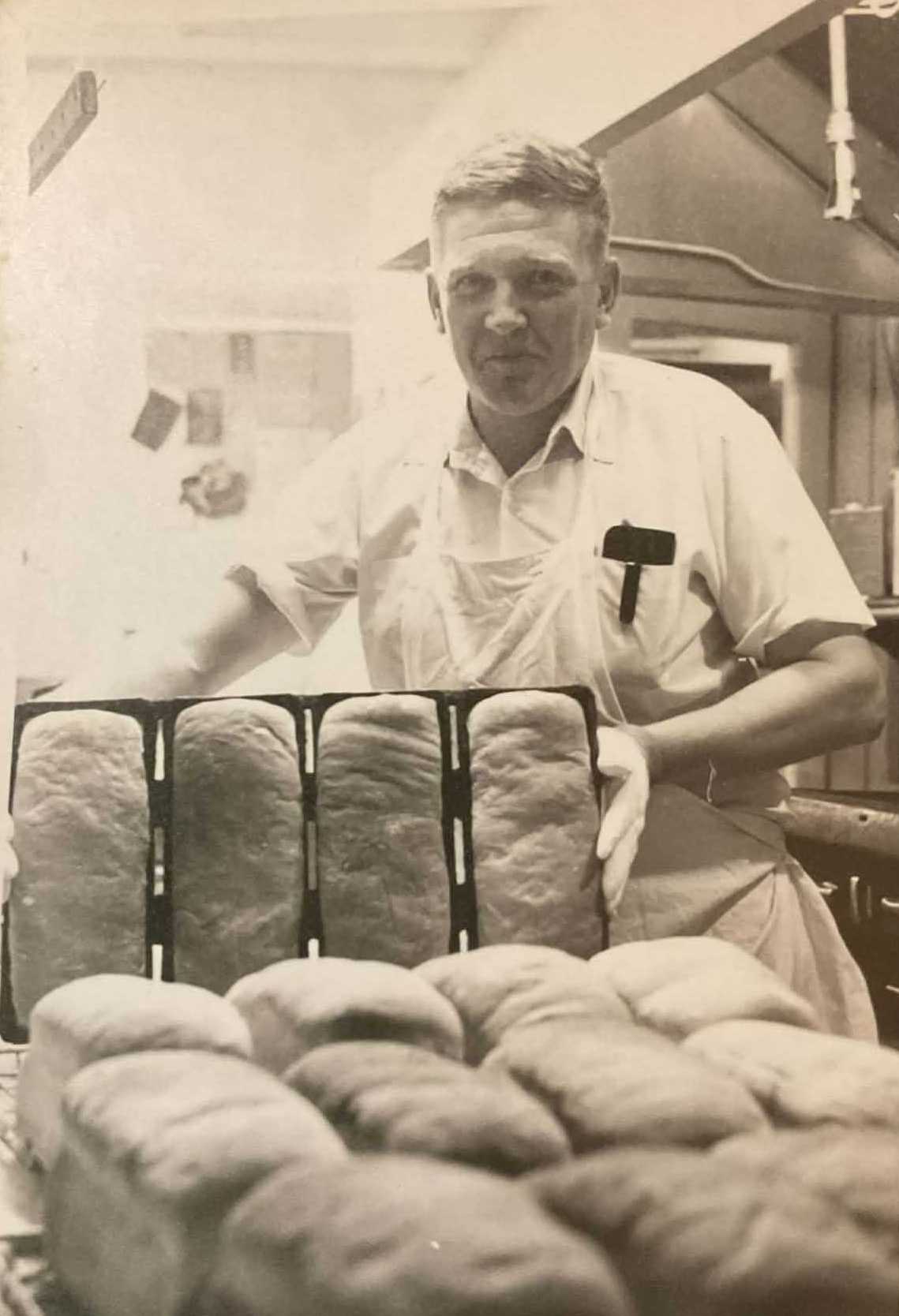 George Phillips bakes fresh bread in the early morning hours at the Edgewood Restaurant.Provided


 Subtle grids and softly layered lines by Agnes Martin draw the eye at Dia:BeaconD.H. Callahan




State should prioritize alternatives to contain COVID-19 pandemic