When asked where they prefer to live out their lives, repeated surveys of seniors overwhelmingly say the same thing: in their own home. They’ve lived there for decades. It’s where they raised their children, and where they still gather for holidays.
All the same, keeping a home in good condition can easily become more than seniors can handle on their own. Imagine you live to 100. Now imagine being 100 and climbing a ladder to clean the gutters.
There’s no shame in asking for help to prepare your home for the future, whether the home will be kept in the family or sold. “Successful aging” is a term we’ve used in this column before, and it applies to homes as well as the people who live in them.
In every decade between 1930 and 1980, Dutchess County saw double-digit population growth. Along with that growth came tens of thousands of new houses. Your home may date to that era. Is it aging as gracefully as you?
The story of Pete and Lucy
Pete and Lucy are in their late 80s and have been married for almost 60 years. They moved up from Queens to a new home on a quiet back road in rural Dutchess in 1962. They’ve been retired since the late 1990s and could afford preventive work on their home — if they knew what needed doing. They don’t know that the kitchen lights are flickering because squirrels have been chewing on the wiring. It’s a fire waiting to happen.
The roof was last replaced in the 70s. It leaked during July’s heavy rains, but not where Pete and Lucy could see it. Now, there’s mold growing behind the walls.
The home has certainly appreciated in value, but is it right to leave these issues to their adult children, who have their own homes and families? More immediately, it’s increasingly unsafe for the parents to live in a deteriorating house. The bill to bring everything back into good repair is likely to be huge, right when the costs of caregiving can be expected to grow.
Having the conversation
What can adult children do to avoid the situation Pete and Lucy are in?
• Ask aging parents about home maintenance history, including any problems they’ve noticed.
• Offer to help. It may be easier for adult children to locate contractors, who have been in short supply since the pandemic.
• Fix it while parents are alive, rather than trying to do it after they’re gone.
Help for income-qualified homeowners
Rebuilding Together Dutchess County (RTDC) is accepting applications for their home repair and accessibility modification programs. These services are provided at no cost to qualified homeowners to help ensure that individuals can live safely and independently.
The deadline for applications to be considered for the 2022 Rebuilding Day program is Sept. 30. Income-qualified Dutchess County homeowners, especially seniors, persons living with a disability, military veterans or parents with school aged children, are encouraged to apply. Call 845-454-7310 or go to www.rtdutchess.org for details and applications.
Golden Living is prepared by Dutchess County OFA Director Todd N. Tancredi, who can be reached at 845-486-2555, ofa@dutchessny.gov or via the OFA website at www.dutchessny.gov/aging.




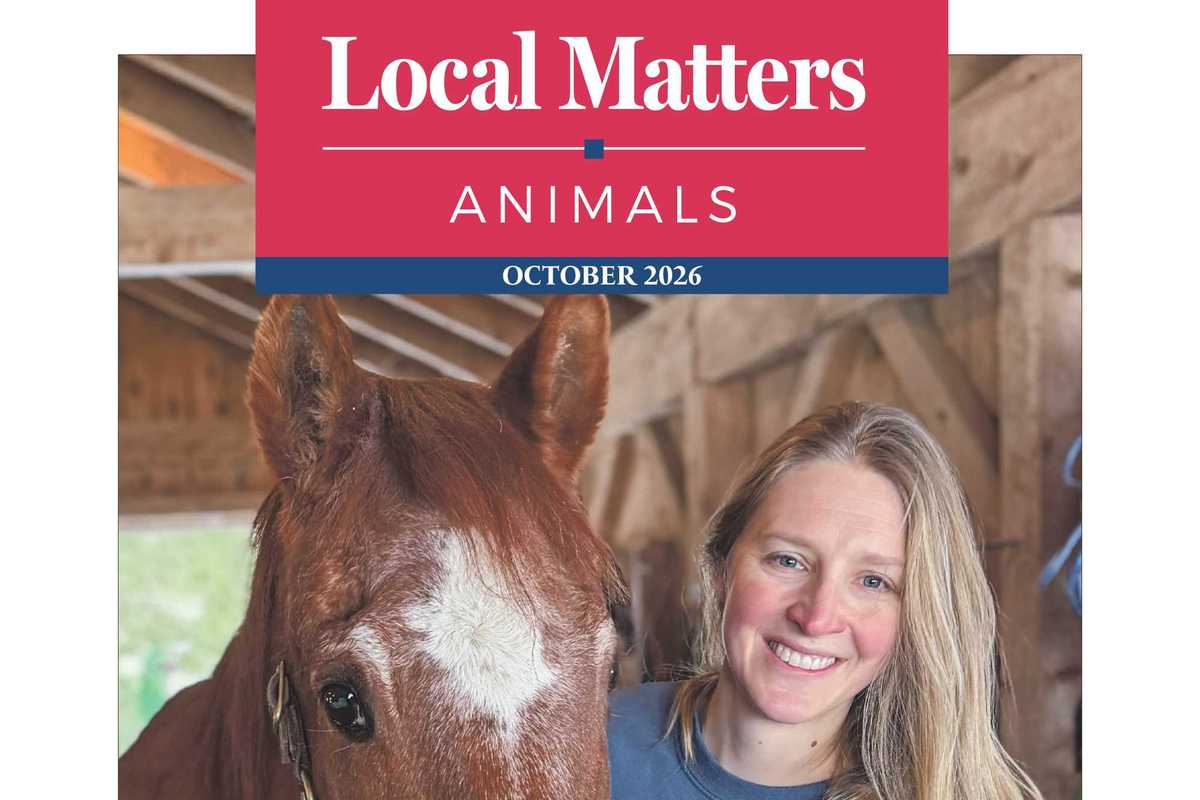



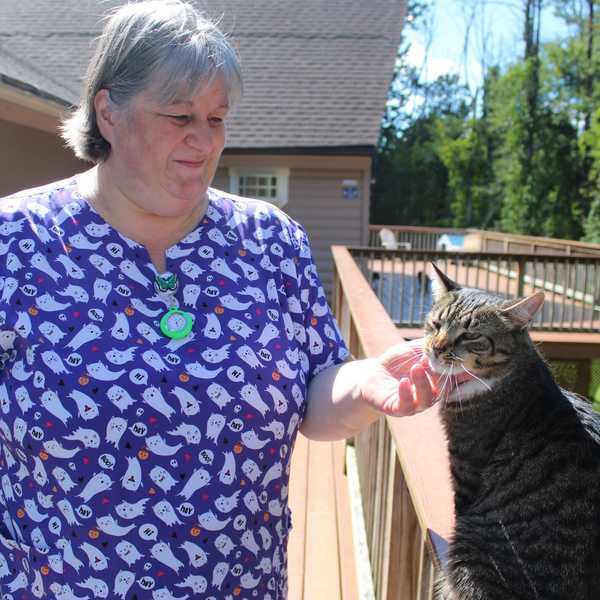
 Tiffany Lemelin, shelter manager, brushing Marsala upon arrival.Provided
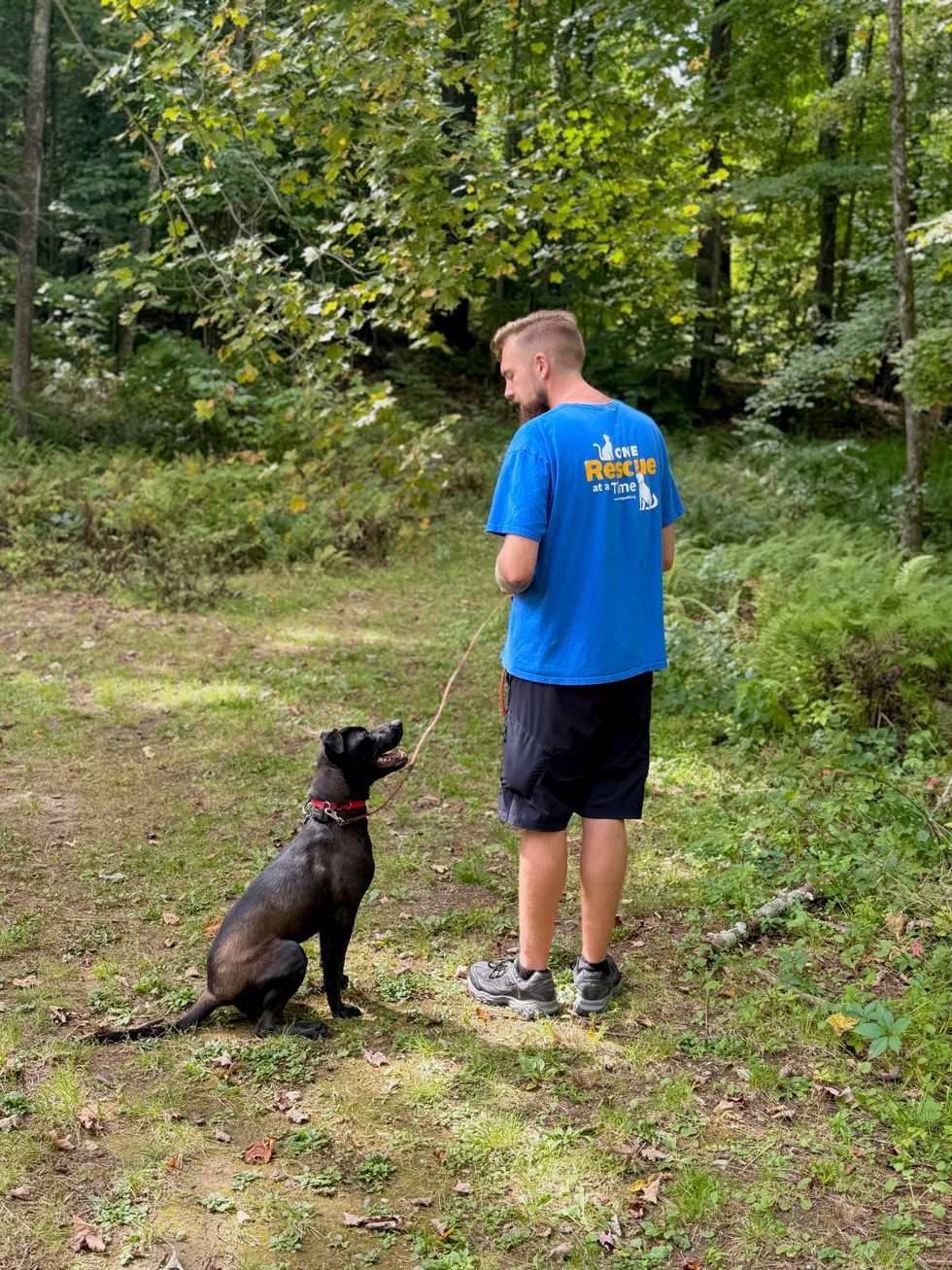 Michael DeBarba, certified dog trainer working with Marsala.Jennifer Almquist
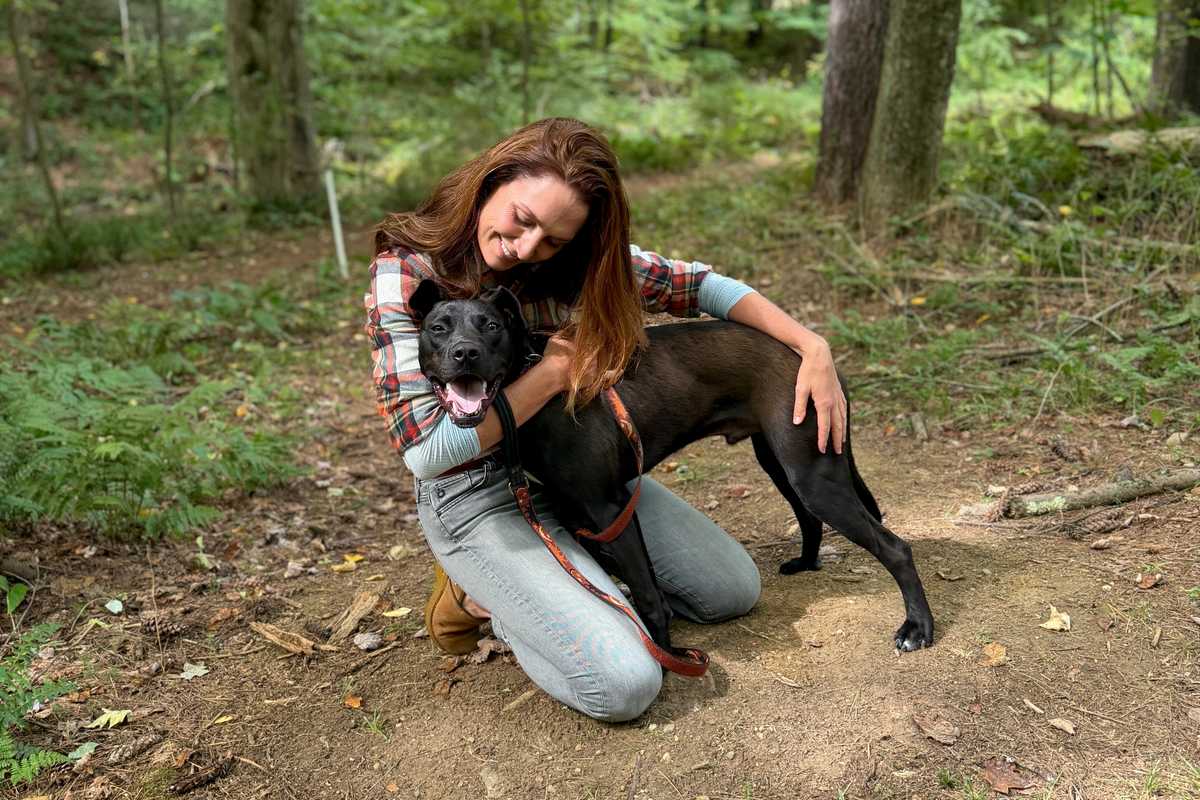 Marsala wins a heart.Jennifer Almquist
 Sadie, center, a Carolina dog, plays with her friend Negra, a terrier mix. Bella Linda, the small poodle, has since been adopted.L. Tomaino
 Wesley, a young, exuberant mix, is looking for an active home.L. Tomaino
 Bonnie and Clyde, an affectionate terrier pair.L. Tomaino