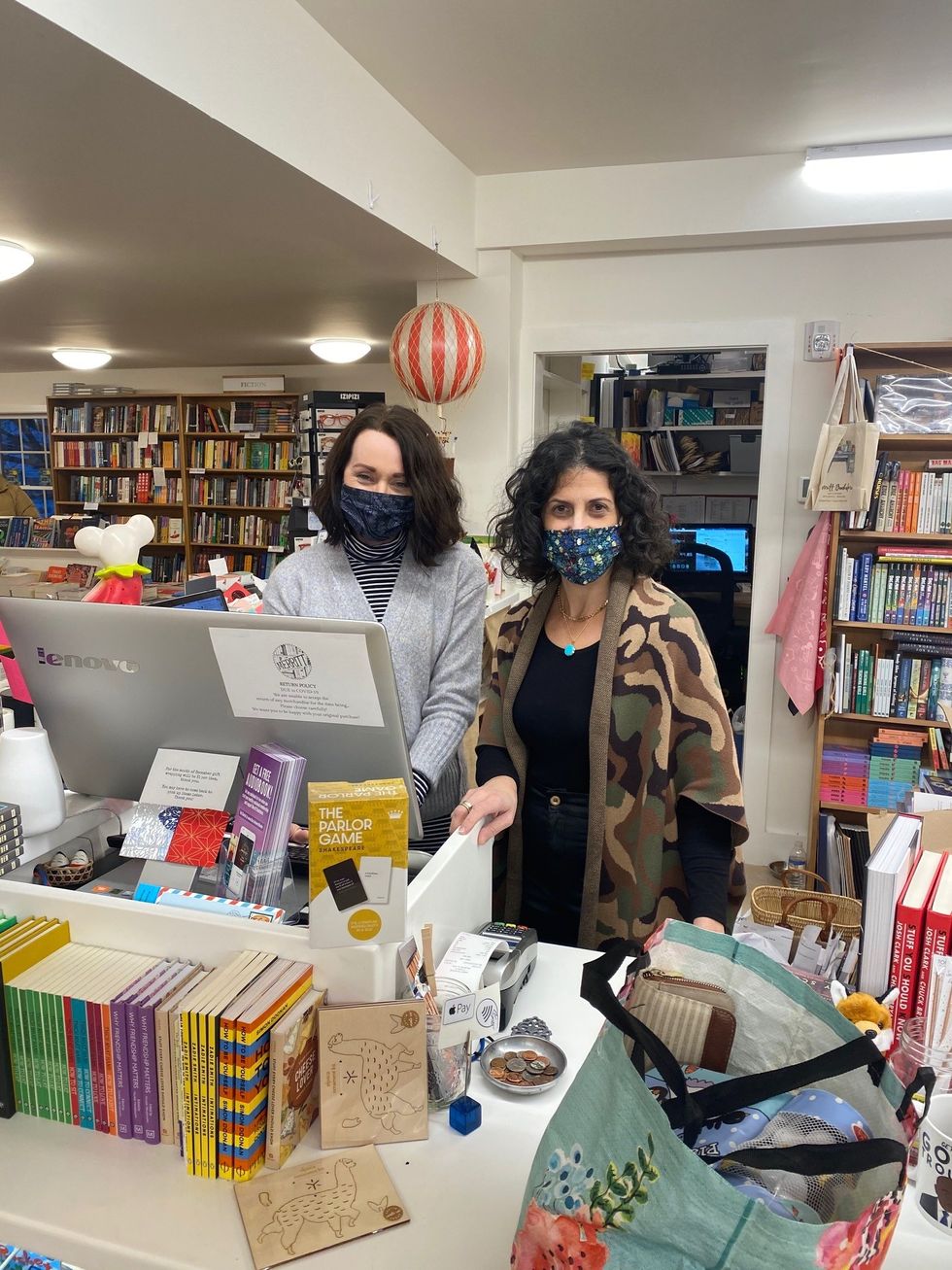
MILLBROOK — At the beginning of 2020, the Millbrook Business Association (MBA) was looking forward to a good, if ordinary, year. With a new president, Millbrook village Trustee Kevin McGrane, new vice president, David Gruning, and a new website (still being designed), the future held promise. But by spring 2020, the coronavirus pandemic had changed everything, including the Millbrook economy and how local businesses were faring.
Governor Andrew Cuomo ordered non-essential businesses to shut down temporarily in mid-March due to the virus. Some were able to simply change their hours and offer curb-side service or delivery, like restaurants; others, later on, could open at a limited capacity by enforcing safety protocols like requiring face masks and offering hand sanitizer. Now, roughly one year later, the MBA gave an update on how local businesses are faring.
Jennifer Moriarty, who owns the gift shop, Juniper, on Franklin Avenue, said she is grateful her business is doing well. She credits her customers shop online and in person, understanding how important it is to shop local. Juniper has adjusted its hours and days.
“Our customers care and stand by us,” said Moriarty. “To survive these trying times we need this to continue.”
Gruning said that the home décor business he’s involved with, Millbrook House, located at 3300 Franklin Ave., which also sells unique gift items and offers interior design services, has a clientele that comes mostly from the city, by appointment. That, he said, has made a difference in maintaining a steady customer base that’s not reliant on walk-in business.
Millbrook House follows all COVID-19 safety measures, and is looking forward to seeing things return to normal, said Gruning. The business is currently updating its website.
Irene Wing, who manages St. Joseph’s Church’s thrift store, Uncle Al’s Attic, said it’s being very careful to observe all safety measures, and continues to only allow a few customers in the shop at once. It’s still managing to maintain a steady business, she said.
The pandemic has brought city residents and others to Millbrook, said Wing. She spoke of three young ladies who were in the Hudson Valley hiking before winter arrived, who stopped in the village to investigate. They told Wing that they were surprised at how careful everyone was about wearing masks, social distancing, while still being friendly and inviting. Wing said she hopes that will bode well for future business in Millbrook.
Alicia Adams Alpaca reported an uptick in online sales during the pandemic, said employee Heather Loveland, who feels the Franklin Avenue store is lucky it can sell online. The popular shop is open, sanitizing, requiring masks and following all CDC guidelines for keeping shoppers safe.
A number of village businesses made good use of the warmer weather before the colder weather arrived, with sidewalk sales and outdoor dining.
The Antiques Mall and Millbrook Antiques both capitalized on the idea, and business was steady throughout much of the spring and summer, according to those who worked there. Black Friday and Small Business Saturday saw active sales, reported the two longtime businesses. They hope January and the rest of winter will keep the trend going.
But there have been changes in the Millbrook business community, according to the MBA. The Painted Peach, which was located on Front Street next to the Post Office, has closed. Its owner and one of the vendors who sold out of the store now sell their wares out of the Antiques Mall. It seemed like a good fit, said Gruning, who added the women fortunately have a loyal following.
J. McLaughlin manager Ann Barton reported the upscale clothing store is holding its own, as it has many steady customers.
“We’ve been busy,” said Barton after the holidays. “[Customers] feel safe, because we limit the amount [who can shop at once]. We sanitize continuously; clothes are left for 24 hours after they’ve been tried on before they are brought back out.”
Barton said the store also has new customers from the city, who want to escape to the “country” for a break.
The new Cordially Corinne’s has been open for a few months now. Its owner, Corinne Tardio, said her paper specialty shop did better than expected during the summer, but did not report on holiday sales. She’s taking every safety precaution to protect her customers.
Marona’s Market manager Jan Smith said business has picked up during the pandemic. The community-minded supermarket is sanitizing regularly and following all safety protocols. Smith said she sees new faces all the time as well as her “steadies.”
Two other businesses that closed include the Blue Barn B’nB. Proprietor Joan LaCasse retired after six years in Millbrook, announcing she wanted to relax.
“I’ll have fond memories, and I’ve made good friends,” she said. “But it’s time for a new chapter, to turn to a new page.”
Samantha’s Sweet Shop on Church Street also closed, due to owner Samantha Martin getting ill, though no word if it was with COVID-19. The sweet shop was open for only two summers as well as for 2020. Martin said she was “sad” about closing, and thanked everyone who helped her along the way. She added the sweet shop wasn’t her primary business and that all proceeds supported the community.
“It is hard to keep a business open in Millbrook — support for all of the small businesses is imperative for them to stay open,” she said. “This is their livelihood and saying you’ll support them and buying [their goods] are two different things.”
And that’s the bottom line, agree Millbrook merchants, who hope locals and visitors will do exactly that in 2021, to help them survive the current health crisis and beyond.







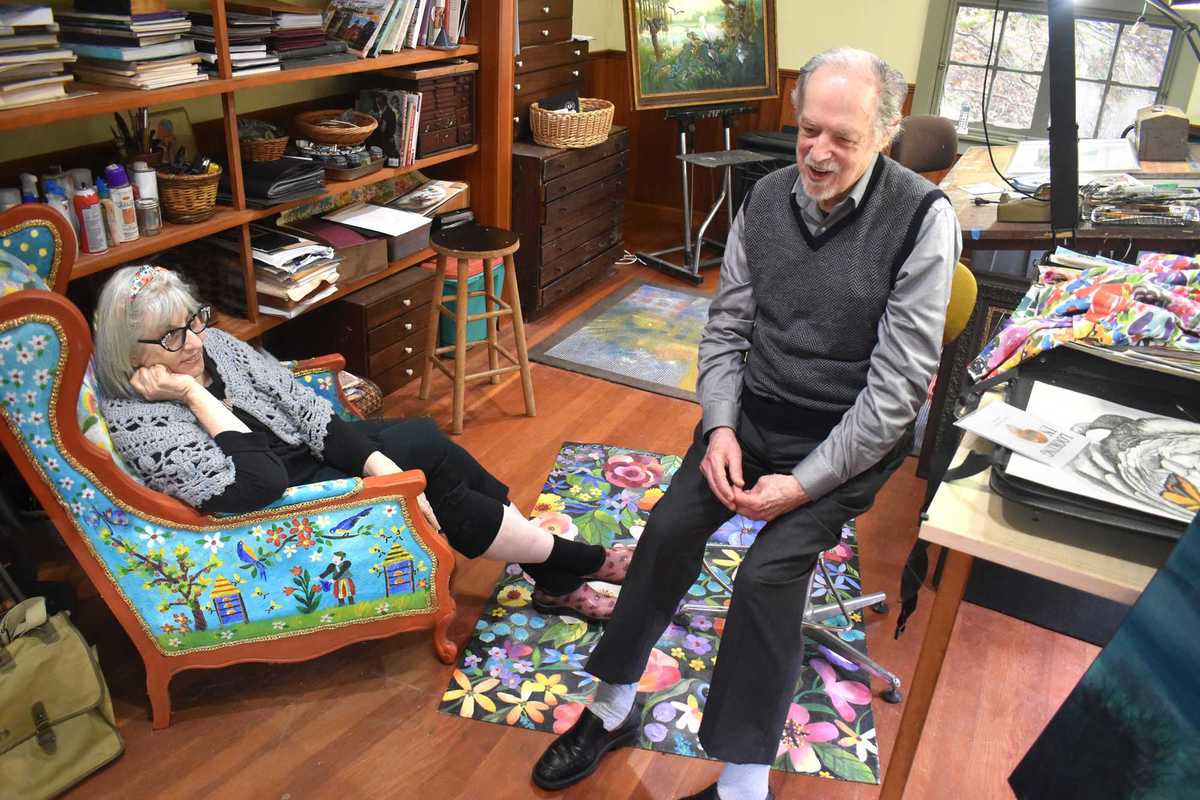
 Justine and Victor Valla in their studio with a painting of Victor’s,”Jonah and the Whale.” Robin Roraback