MILLBROOK — An ambitious series of gardening talks under the umbrella title “Garden Matters” kicked off at the Millbrook Library with its first program, “Building Healthy Soil,” on Saturday, Feb. 21.
Gardeners of varied experience turned out for the opening session of what organizers describe as a year-long exploration of healthy, sustainable gardening practices.
The library’s adult program coordinator, Jen McCreery, introduced the event and said monthly talks are already planned through February 2027. The extended schedule, she noted, reflects strong community interest in topics ranging from soil health to practical techniques for home gardeners.
Among those attending was Denise Bauer, immediate past chair of the library’s Friends organization, who said the library’s pollinator garden project would not feel complete without a series on healthy gardening. Bauer added that Emma Sweeney, past president of the Millbrook Garden Club, was instrumental in planning the series alongside McCreery.
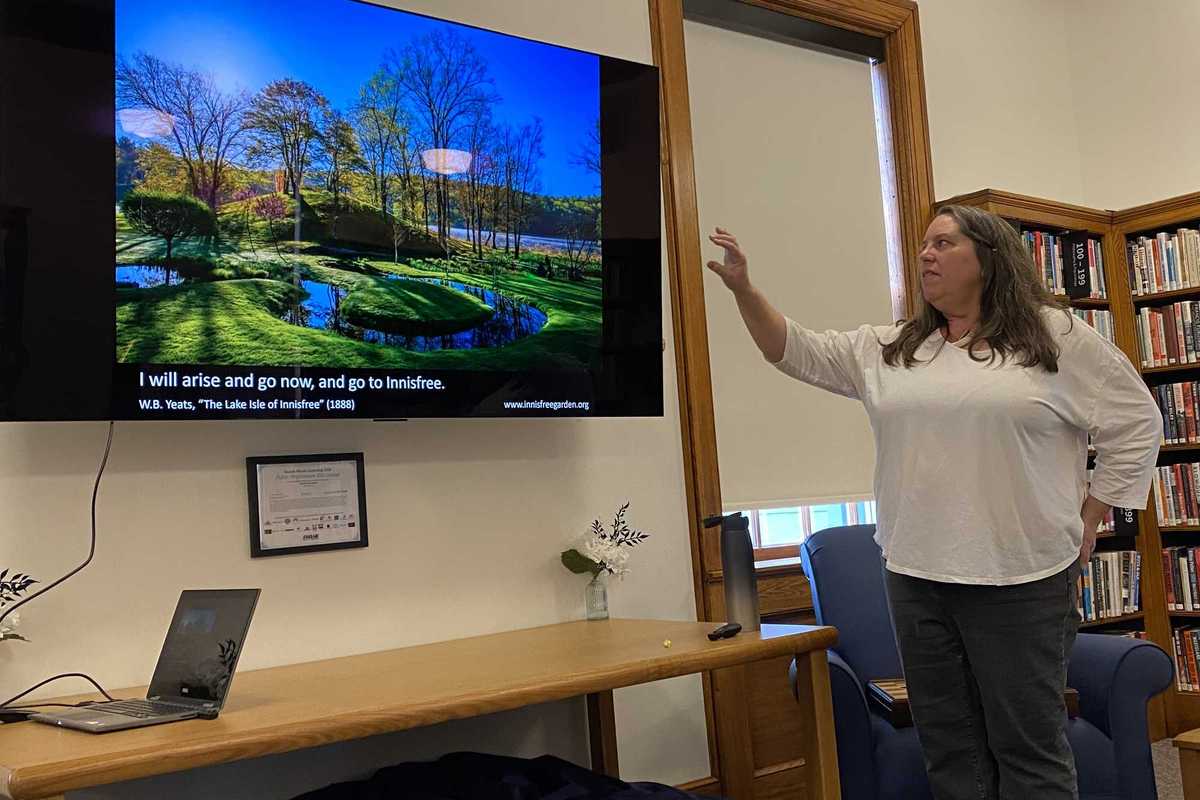
The program was presented by Stonewood Farm co-managers Alex Kohler and Maggie Thomas. They began with a brief history of the farm that has evolved since its founders Ken Holzberg and Tom Kopfensteiner first purchased the property. Over 13 years, the founders engaged in selective clearing, working carefully with the land’s topography and preserving natural features.
Today, a 1.5-acre plot holds the fruit and vegetable gardens.
Operating as a nonprofit since 2021, Stonewood Farm supports local food distribution programs, including the food pantry at Lyall Community Church and Meals on Wheels.
The talk covered a wide range of soil-related topics, including understanding soil health, managing fertility, pest and disease management, tillage, tool care, bed preparation and the importance of “closing the loop” to keep gardening local.
Successful gardening is rooted in science, Thomas explained.
“Farmers are scientists; everyone interested in growing things is a scientist,” Thomas said, noting that growing things involves relationship.
“Relationship is probably what matters,” Kohler agreed. “Soil, air and water co-exist; they can’t exist in isolation.”
Proponents of minimal soil disruption, both Thomas and Kohler emphasized that organic matter is the gardener’s best friend. For example, earthworms exist in a certain stratum within the soil layers, inhabiting and benefitting the top ten inches.
“The deeper you dig, the more disruptive you are,” Kohler said, recommending four inches or less.
“Avoid deep tillage,” Thomas said.
Compost provides vital nutrients to soil, so much so that it is termed “black gold” by gardeners, Kohler said. A thick layer of compost does wonders, but refrain from adding anything citrus to your compost.
Companion plantings are helpful in warding off insects and disease in plants. For example, Kohler said, team basil with tomatoes, Marigolds with peppers, Nasturtiums with squash and plant a few alliums. Beneficial insects should be encouraged, including green lacewing flies, lady bugs, and all manner of predator bugs.
“Most big bugs you want to encourage,” Kohler said, but acknowledged that some big bugs are bad.
“Soil is alive; bring nutrients together for a healthy garden,” both advised, while cautioning that the nutrients are finite. “Choose to replenish the soil.”
The Garden Matters series is presented by the Millbrook Garden Club in partnership with Stonewood Farm and the Friends of the Millbrook Library. The next library event in the series is “Grocery to Garden,” to be taught by Jessica Williams of Odd Duck Farm, Highland, New York, on Saturday, March 14, at 11 a.m. For more information on the Millbrook Library series, go to www.millbrooklibrary.org.





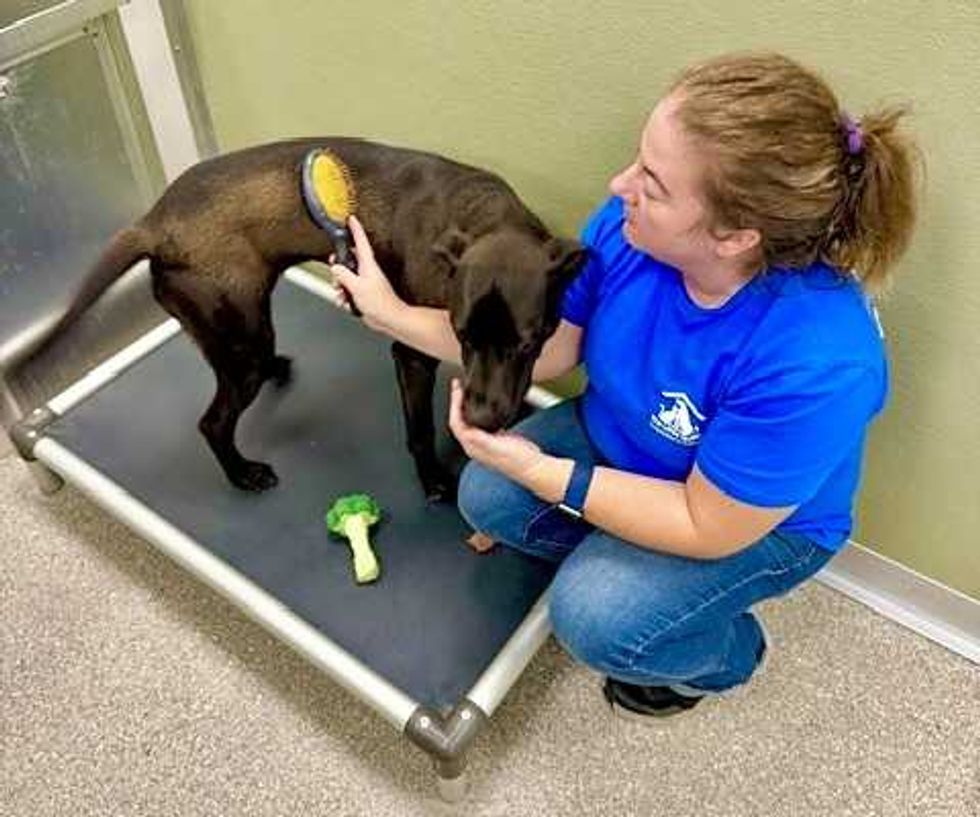 Tiffany Lemelin, shelter manager, brushing Marsala upon arrival.Provided
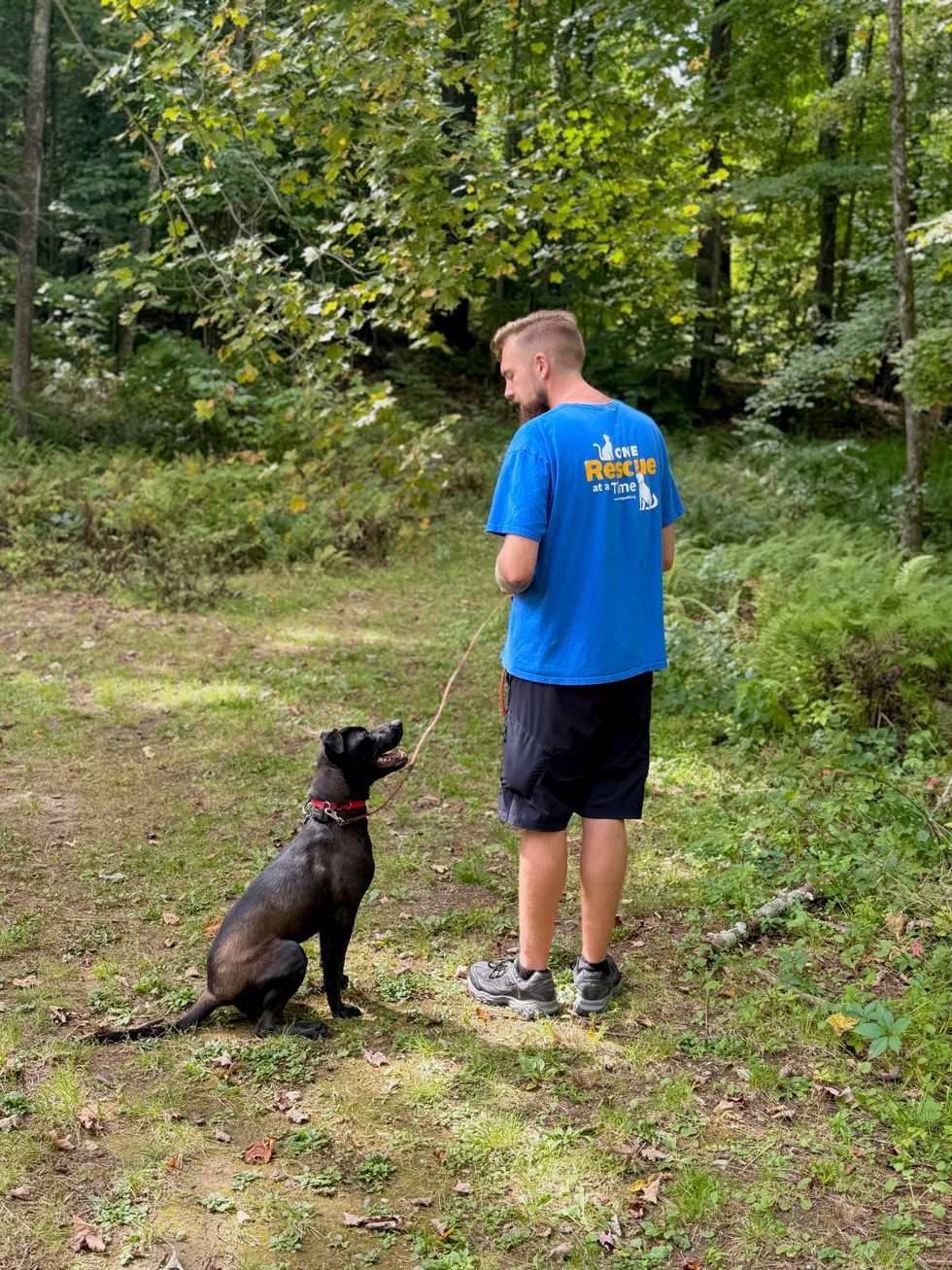 Michael DeBarba, certified dog trainer working with Marsala.Jennifer Almquist
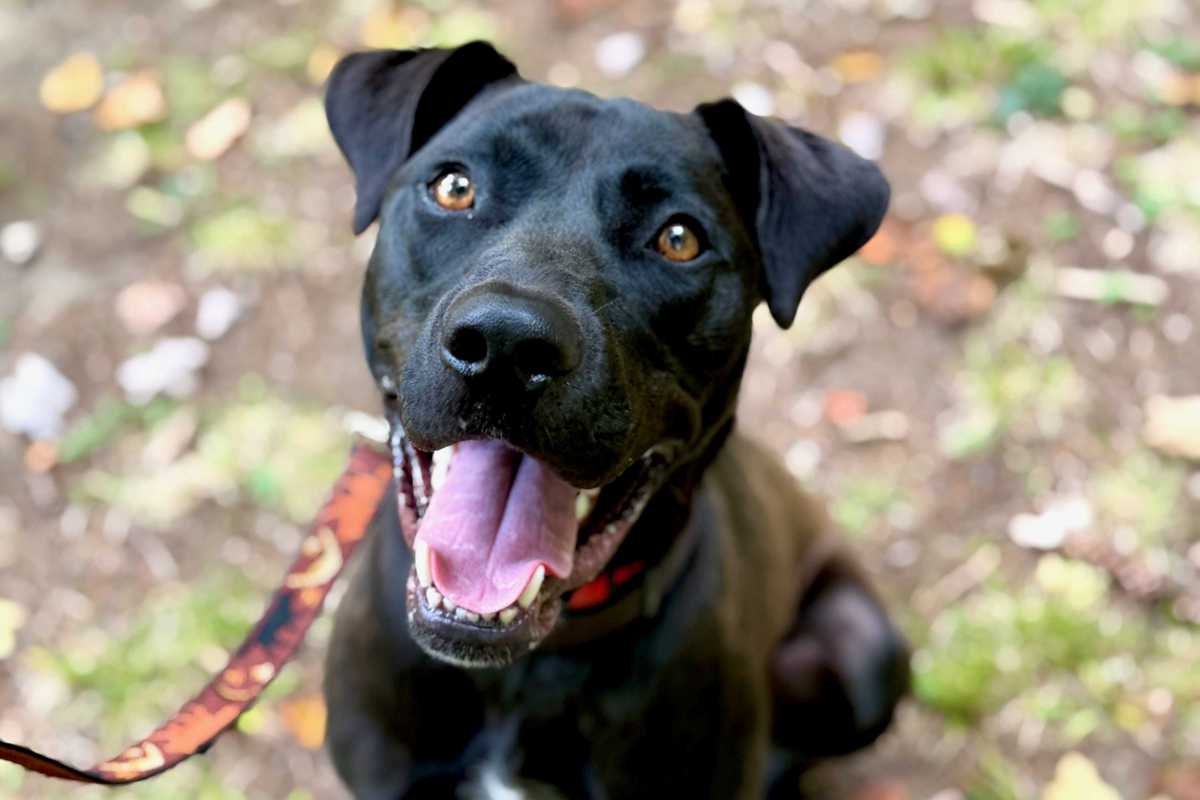
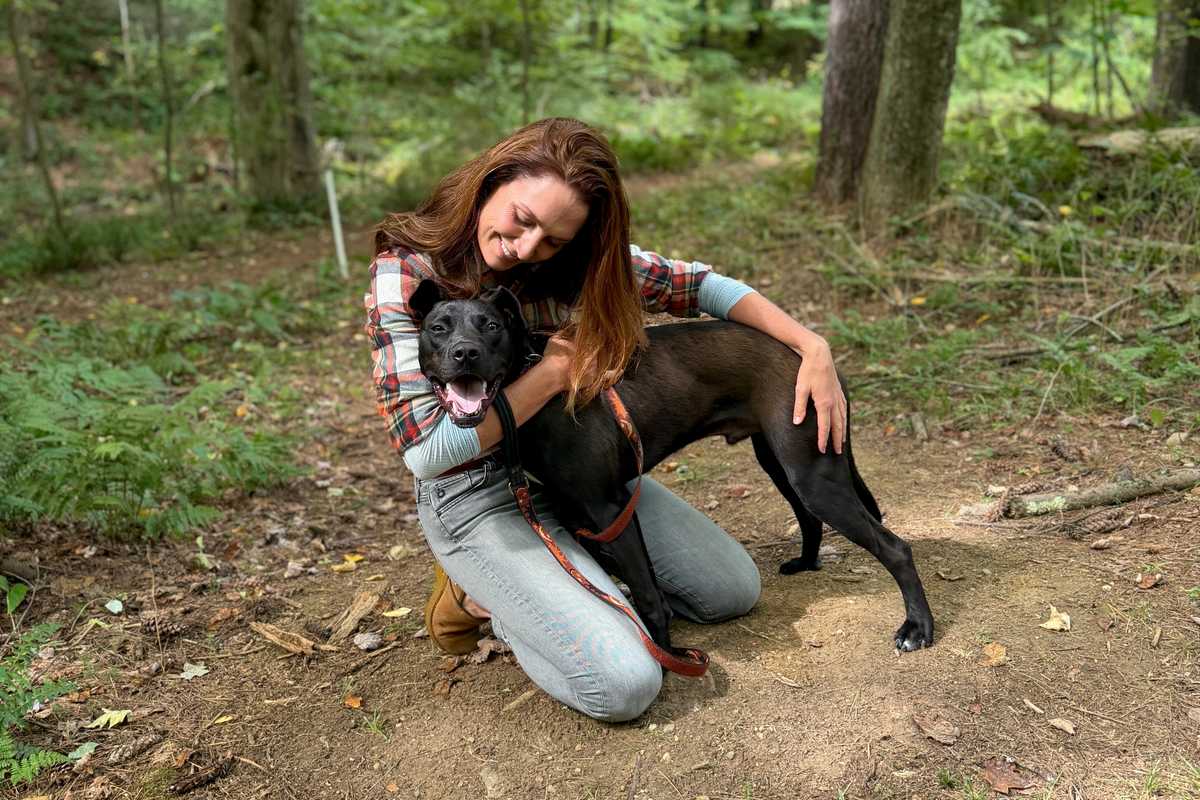 Marsala wins a heart.Jennifer Almquist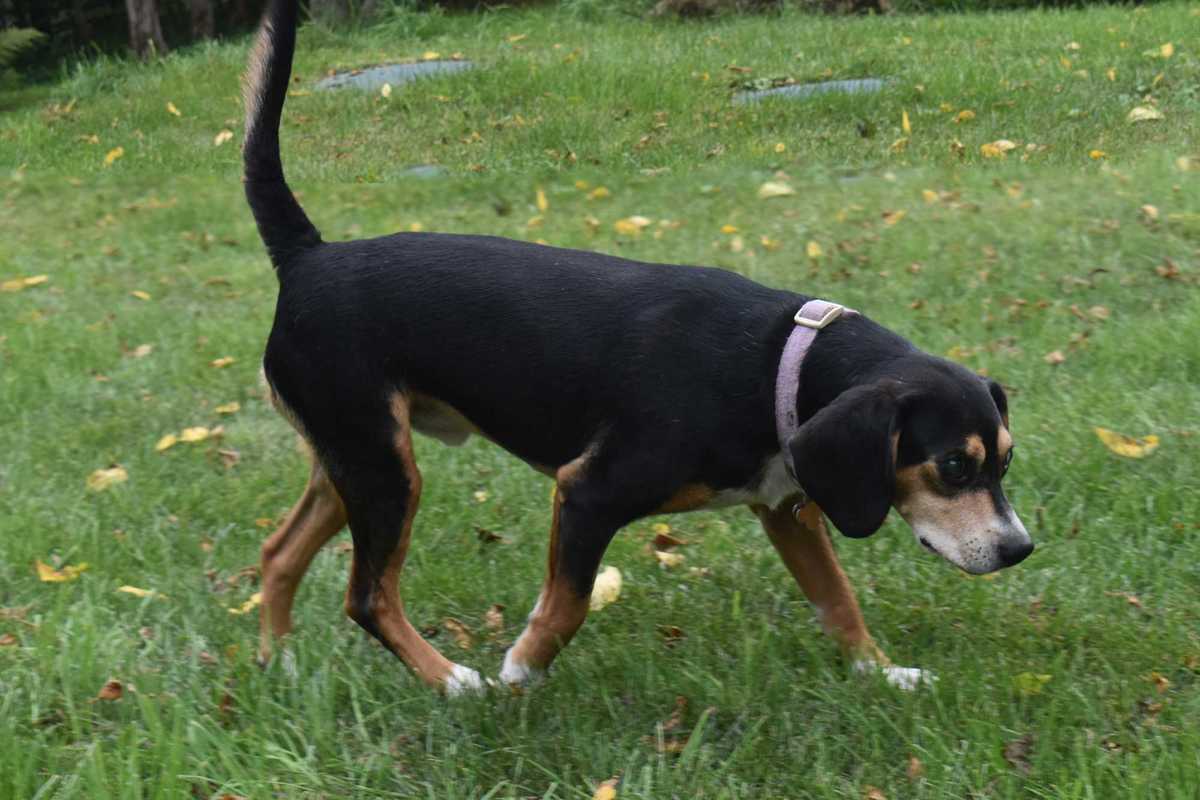
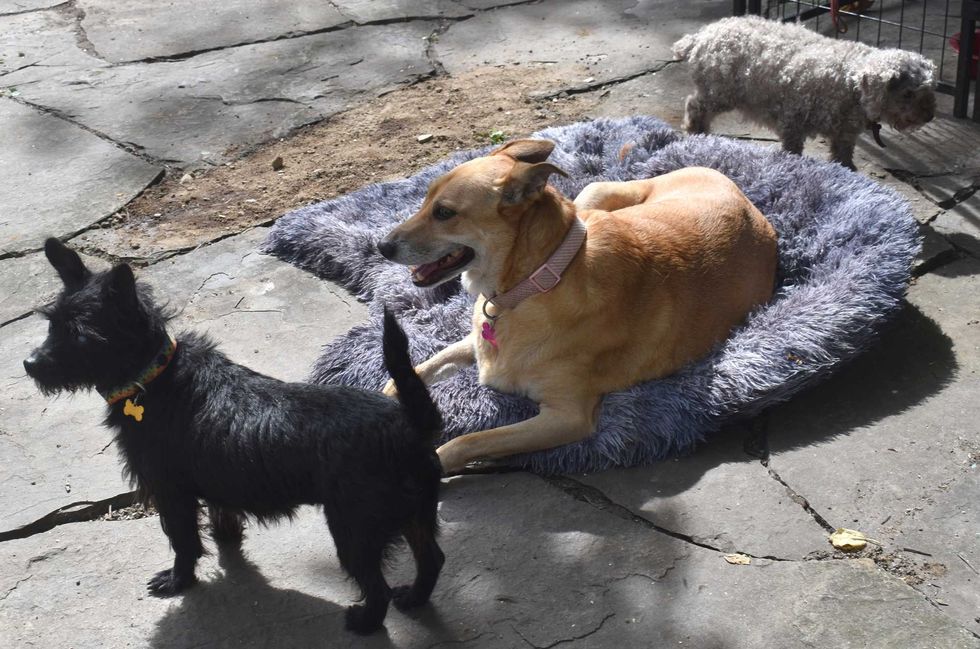 Sadie, center, a Carolina dog, plays with her friend Negra, a terrier mix. Bella Linda, the small poodle, has since been adopted.L. Tomaino
 Wesley, a young, exuberant mix, is looking for an active home.L. Tomaino
 Bonnie and Clyde, an affectionate terrier pair.L. Tomaino