Mariann Edgar Budde, Marilynne Robinson and Paul Elie offer voices of courage

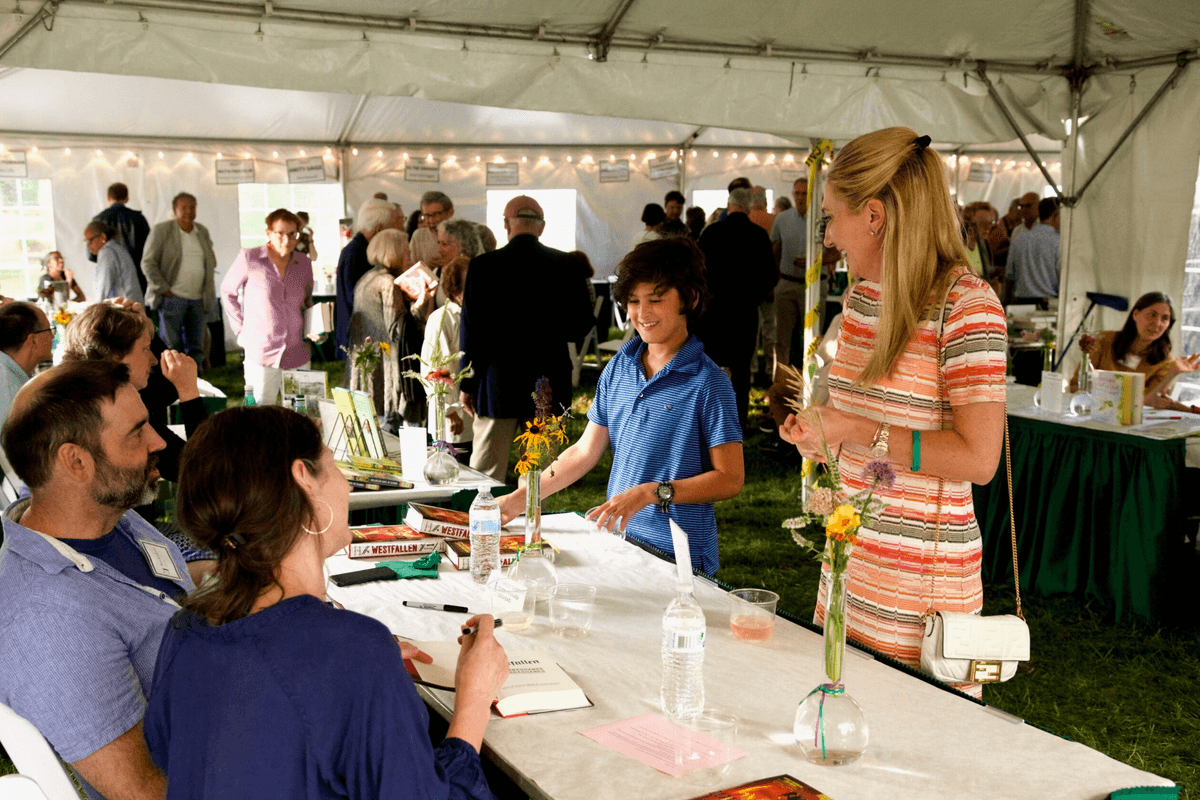
Bishop Mariann Edgar Budde (foreground), Paul Elie, and Marilynne Robinson sign books for attendees.
L. Tomaino

Bishop Mariann Edgar Budde (foreground), Paul Elie, and Marilynne Robinson sign books for attendees.
On Sunday, Sept. 28, at the Mahaiwe Performing Arts Center, a full audience eagerly gathered to hear authors Bishop Mariann Edgar Budde, Marilynne Robinson and moderator Paul Elie discuss what is happening in the United States.
The talk was part of the 2025 Words, Ideas, and Thinkers Literary Festival (WIT), presented by the Authors Guild.
Mary Rasenberger, CEO of the Authors Guild, introduced the panel, saying, “With the growing tyranny and attacks on democracy, what can we do? Budde and Robinson will give us reason to hope.”
The day after the inauguration on Jan. 21, Budde ascended to the pulpit at the National Cathedral in Washington, D.C., to ask the new president “to have mercy upon the people in our country who are scared now.” She is bishop of the Diocese of Washington, D.C., and author of three books.
Marilynne Robinson, well known for her four-book Gilead series, is the recipient of many awards for her fiction and nonfiction, including a Pulitzer Prize.
Moderator Paul Elie, a regular contributor to The New Yorker and author of several books, has twice been a finalist for the National Book Critics Circle Award.
Elie began the talk by asking Budde what considerations she had when speaking to the current president.
Budde said she “worried about the consequences of speaking to a country that had been barreling toward division.” She wanted to “speak for those being dehumanized” and to offer “a gentle exhortation” on their behalf.
Elie asked Budde to define bravery and Robinson to define courage. Robinson said, “Courage celebrates all the other virtues.” Courage answers the question: “How generous can you be at your own cost?”
Budde answered, “At times in life, you may be called upon to do something you haven’t done before which involves a risk. At those times, we are invited to be brave.” She continued, “Courage is of the heart, when we become aware of that summons that beckons us.”
Elie commented, “Courage is a learned trait, but courage is not encouraged.”
Robinson said, “People need a meaningful measurement of courage and honesty on which to judge themselves.”
“People that should be traditional guardians of democracy continuously backpedaled. We need courage,” she continued. “We should be screaming in the streets about people starving who counted on us. We’ve made concessions until we feel there is nothing left to defend.”
Budde said, “Movement-building is critical.” She spoke of a “quiet network working to protect people” in Washington, D.C., including lawyers, people helping with food and those walking children to school when their parents are afraid to — fearful of being detained.
She advised, “I try to never violate the dignity of people who see the world differently. This is part of the solution. We have to overcome the reflex to see people in the worst possible way who oppose us.”
Elie asked, “How can we make more pointed recommendations for action? What can we do now?”
Budde said to ask ourselves, “What is being summoned from me now? What should I be doing? The next right thing will be revealed to us.”
Robinson said, “No one has power now except the people. There is no salvation now except democracy, and that is what I hope for.”
For more information, go to authorsguild.org
Millerton News
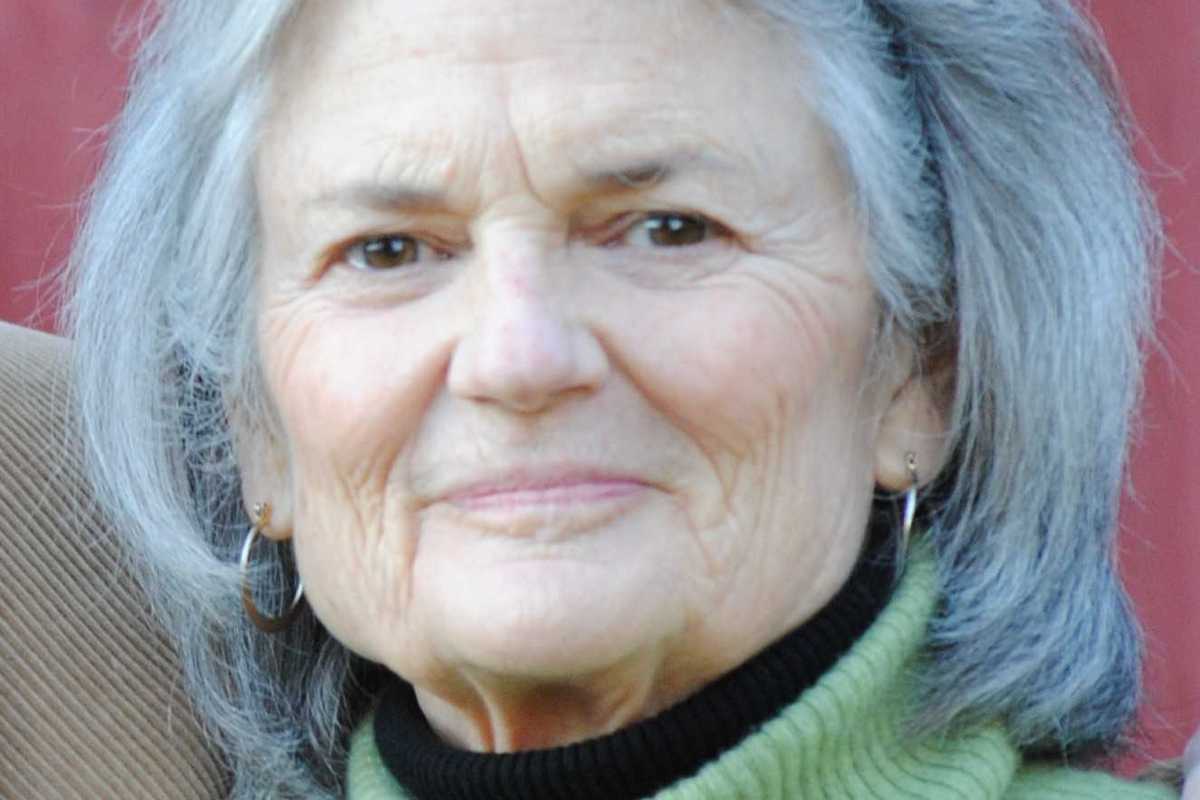
LAKEVILLE — Priscilla Rudd Wolf was born in Norwalk, Connecticut on May 29, 1946, the youngest daughter of Roswell Hopkins (“Hop”) Rudd and Josephine (“Jo”) Bauman. She was six years younger than her closest sibling, Eve, and had two older brothers Ben and Roswell. Priscilla, affectionately known as Prissy, and then only as Pris, when she had any say about it, grew-up as a dorm kid at Salisbury boys’ school, not an easy feat for a girl in the 1950s. By about age 12, her main goals in life were to (1) become a cheerleader, and (2) make her way onto American Bandstand; Jo wisely sent her off to Walnut Hill, an all girls boarding school, at age 14. Over the years, Pris gave mixed reviews of her boarding school days, but she always recounted fondly her summer visits to Block Island with her best friend, Jeannie Smith, and summer days at home in Lakeville. She loved sunbathing on the back porch of Hop and Jo’s lake house which was in clear view of Hop’s summer camp for boys where Peter Wolf was a counselor one summer. The rest is history with interludes along the way.
Priscilla pursued her love of literature at the University of Pennsylvania. She graduated in 1968 and started teaching 2nd Grade in Cornwall, Connecticut. Despite her “small town” upbringing, Pris was constantly surrounded by music, especially Jazz, thanks to Hop’s love of the drums, and her oldest brother Roz, who would go on to become an avant-garde Jazz trombonist. She was deeply influenced by the folk and rock music of the 60s and the social revolution sweeping the country at that time. She ventured to Canada and reconnected with Peter in Montreal. The precise details of how, when and where the romance bloomed remain murky—some say the decision to marry came one night from a Oudji Board—and on Nov. 28, 1970, Pris and Pete married and eventually made their way to New Brunswick, Canada, where they settled in a farm house in the middle of a potato field.
Their first daughter, Jessica, was born in Bath, New Brunswick, on June 1, 1976. Soon after, Jo became sick and Pris returned to Lakeville to be with her mom. Peter stayed behind in Canada with their 3 dogs: Farley, Dizzy and Gracie. Just before Christmas 1976, Pete was awoken by the dogs in the middle of the night to find the house burning down around him. He managed to escape with the dogs and two bags of clothes he grabbed on his way out the door. By the time the fire brigade arrived, the house had burned to the ground.
Peter and the dogs traveled to Lakeville to join Pris and infant Jess, who were living in Hop & Jo’s house on the lake. Sarah was born on Feb. 10, 1978. Back in her hometown and with two young daughters, Priscilla embraced her role as mom and home maker. On May 28, 1984, Zach was born. Pris and Pete fostered a home of unconditional love and acceptance. There was plenty of time for play, creativity and reading. Pris spent countless hours reading to her kids, and while TV was not allowed, the best movies were: anything featuring Ginger Rodgers and Fred Astaire, musicals, and the finest cinema (Priscilla’s favorites): Tootsie, Hopscotch, and Romancing the Stone, to name a few. Priscilla found her professional home and a community of friends at the Indian Mountain School where, following in her mother’s footsteps, she began working as a tutor for students with learning disabilities. She went back to school for a master’s degree in education and became head of the tutoring department and librarian. She would go on to develop what became the “Learning Center.” During her 30-year career at IMS, she shepherded generations of students through learning challenges and trained colleagues to do the same. She had endless patience for her students, many of whom were new English speakers or struggled with learning differences. All of them found acceptance, support, humor, and encouragement in the tutoring room with Priscilla. Her colleagues found a mentor, a skilled skit writer and performer for faculty roasts (stage name Prisca Fontain), a yoga instructor, a walking partner, and a loyal friend.
In her free time, Pris rarely sat down. She discovered yoga in her 50s and became an instructor. She loved to dance, to garden, to float in the lake atop Mount Riga and to take long walks. She was a devoted mother and grandmother who gave her grandchildren, as she had her children, the gift of constant, unconditional love and acceptance.
In March 2019, Priscilla was diagnosed with ALS, a disease she refused to succumb to and kept at bay by sheer force of will. Peter never left her side, becoming her primary caretaker and providing the constant love and support he had brought to their marriage for 55 years. She died peacefully in her home on May 24, 2026, five days before her 80th birthday. Her family is grateful to the friends and caretakers who stayed by her side throughout her devastating illness and to those who remember her as vivacious, funny, and always full of love.
Priscilla is survived by her brother, Ben Rudd, her husband of 55 years Peter, and their three children, Jessica, Sarah and Zachary, her son-in-law Carlos Fierro, and her grandchildren: Benjamin, Joesphine, and Emilia Fierro-Wolf.
A celebration of Priscilla’s life will be held at the Salisbury Congregational Church on Aug. 29 at 4 p.m.
If you wish to make a donation, please go: alsunitededct.org
Millerton News
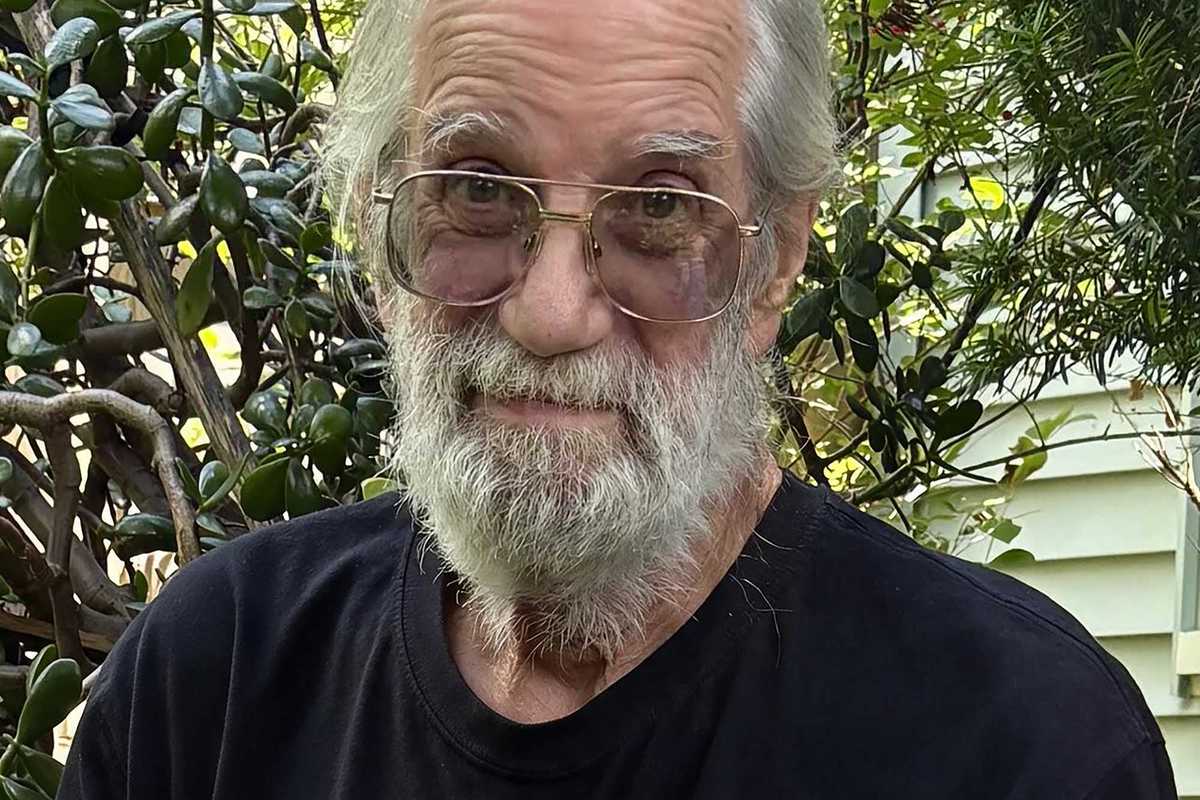
FALLS VILLAGE — It is with great sadness that we announce the passing of Frank Camille Grusauskas of Falls Village, Connecticut, on July 22, 2026, at the age of 70. Frank was born on Nov. 14, 1955 in Goshen. He was a beloved father and grandfather, uncle, brother, and partner. He was a fine woodworker and craftsman, an insatiable library patron, a musician, and a lover of life and the natural world. He was an extraordinary and talented man.
Frank spent his boyhood exploring the woods behind his childhood home, on Pie Hill Road in Goshen. He was the youngest and only son of Francis and Doris Grusauskas, with four older sisters, who he called his “Other Mothers.” From an early age he embraced Native American culture, and one of his favorite pastimes was walking local cornfields after a rain, in search of arrowheads, points, and stone tools.
Curious by nature, Frank spent his lifetime learning about earth science, history and art. He loved to sit outside on his front patio pondering crossword puzzles. He was a voracious reader and read until the day before he died. The book he reached for most during his final week was To Catch a Fish, by Mark Kurlansky.
From an early age, Frank lived his life enjoying one pleasure as he anticipated the next. He taught himself to play guitar and mandolin, and loved to camp with his family and instruments at bluegrass festivals, jamming with friends and strangers into the night. He loved seafood, the ocean, homegrown cannabis, throwing dinner parties, stoking the woodstove—his house often approaching 90 degrees in the dead of winter—gardening, and creating. From basket weaving to bread-making, and carving wooden birds and spoons, to tying flies and feather earrings, Frank was almost always working on something. He was resourceful and unconventional in his life and in his creativity. Even the sandcastles he built with his kids while vacationing in Cape Cod were works of art—giant sea serpents and elaborate pyramids and ziggurats with precisely sculpted stairways.
Frank’s passion for woodworking began at the age of five, when his father gave him a pearl-handled jackknife, a block of wood, some nails, and a hammer in their tiny basement. Frank learned to appreciate wood, as his father would only give him a piece of wood if he planned to use it wisely. He banged together a crooked birdhouse, then taught himself to whittle—which, he recalled, was how he learned to work with and against the grain. Frank attended Wamogo High School, and one year of college at Eastern Connecticut State University, before choosing his path of self-taught artisanship. To anybody interested in working with wood, he recommends starting with Bruce Hoadley’s book Understanding Wood—or, “traveling way back in time to watch the Viking ship builders,” which he did via books.
At the age of 26, Frank realized his dream of building a modest and beautiful house on a shoestring budget and with his own two hands, and with the help of his father and his close friends Richard Zimany and Mike Minnick. His children still call that house their home. While raising his three children, he worked as a carpenter, sheetrocker, roofer, painter, sculpture builder, cabinet maker, caretaker, and gardener.
Frank’s deep respect for trees and a reverence for the wood that they produce kept him inspired through his prolific retirement years. In his home workshop, which looked out over his beloved Robbins Swamp, he produced fine bowls, hundreds of spoons and cooking utensils, abstract sculptures inspired by the natural world, tables, chairs, and so much more. Following a brief hospitalization in 2016, during which his son brought him a book on lutherie, Frank spent the next three years building guitars and mandolins, many of which his musician son still plays.
Frank was diagnosed with pancreatic cancer on June 10, and the disease progressed rapidly. He was kept mostly pain-free and remained curious and present throughout the end. He is predeceased by his parents, and sisters Joan Crown, Patricia Rickard, and Denise Garrett. As was his wish, Frank died at his home on Robbins Swamp, where he loved to watch the beavers and murmurations of starlings. He was surrounded by his family.
Frank is survived by his longtime partner of 28 years, Trudy Schaelchli, his sister Barbara Costello and her husband Tom, his first wife Norma DeMay, his children Caitlin, Maria Rose, and Jonathan, and his three grandchildren, Arthur, Eloise, and Phoebe. He is greatly missed, and will never be forgotten. “Love you to tears.”
Calling hours for Frank Grusauskas will be held from 1-3 pm on Saturday, August 8 at the Conklin Funeral Home in Millerton, NY. Please save the date for a celebration of Frank’s life at the Salisbury Town Grove on Saturday, November 14, time TBD. In lieu of flowers, please consider donating to Visiting Nurse and Hospice of Litchfield County, at vnhlc.org/giving/donate.
Millerton News
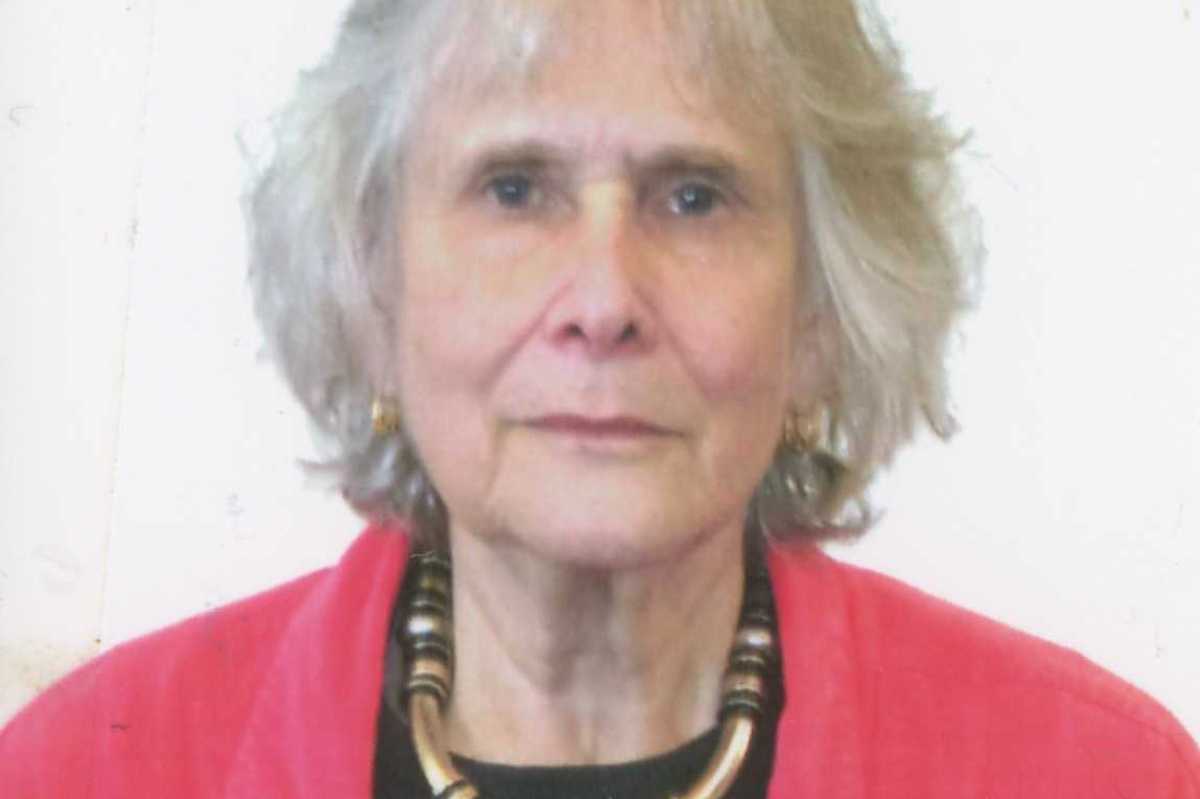
SALISBURY — Stacie A. Weiner passed away on July 7, 2026. Born on March 2, 1945, Stacie lived her last 51 years with her partner and spouse, Danella Schiffer, as well as with many adopted stray cats. Important people in her life include her beloved cousin Ellie Voss, Jenn Scott, a dear friend and colleague from RBC Wealth Management where she worked, Kevin Prell, also from RBC, Peter Menikoff of Salisbury and Rob Breakell, her trainer at the Canaan YMCA. Stacie was indebted to Dr. Sharynn Hall, MD, a brilliant, compassionate and supportive medical oncologist from Yale New Haven Health. Diagnosed with advanced cancer in Dec. of 2024, Stacie spent her last 1-1/2 years with determination and resilience; never complaining about her situation. She stayed active until her last month.
Stacie grew up in Poughkeepsie, New York, and obtained a BA degree from Goddard College in Vermont in 1966 with a major in drama. She then earned an MA degree from New York University in 1974 also in drama and studied toward a Ph.D. in Japanese theater. While pursuing studies at NYU, she worked as an elementary school teacher.
Realizing that experts in Kabuki and Noh theater had limited career paths, Stacie joined Citibank in its training department. With an interest in finance, she transferred to the bank’s finance division where she became a commercial lender in 1979. This launched her 47 year career in the financial services industry. In 1985, Stacie was recruited to Chemical Bank to head a lending team that focused on law and accounting firms. Six years later, she joined U.S. Trust as a private banker responsible for the company’s high net-worth individuals. Wanting to provide full brokerage services to individuals and small businesses, Stacie joined Merrill Lynch in 1995.
Having bought land in Salisbury with Danella, they built a passive solar home in 1980. Eager to live there full time, Stacie relocated in 1998 and joined A. G. Edwards and Sons as a financial consultant in its Farmington, Connecticut office. There, she provided a full range of investment advisory services to individuals, business owners and not-for-profits. With the eventual acquisition of A.G. Edwards by Wells Fargo, she left in 2010 to join the highly respected asset management firm of RBC Wealth Management in Farmington. Eventually, she transferred to its Great Barrington, Massachusetts office. With her financial acumen, Stacie was past president of the Connecticut Estate and Tax Planning Council. She held annuity and insurance product licenses in addition to those required for financial planning and investment.
Throughout her life, Stacie was an avid reader with a breadth of knowledge. She relished all learning opportunities. So for example, when people rang the door bell to proselytize their religion, Stacie would invite them in to learn what she could; and perhaps convert them to Judaism. Her magazine subscriptions weighed on average five pounds weekly and she amassed shelves of murder mysteries. Twice weekly, she took Spanish lessons online with the goal of speaking and reading the language. Stacie’s serious side was complemented by her wry sense of humor as exemplified by a Mae West quote that hung in her office...”Between two evils, I always pick the one I never tried before.”
Stacie welcomed pastime activities that were challenging and helped her to be physically fit. She obtained a student pilot’s license and enjoyed exploring the Berkshires from above. She also taught Tai Chi and took boxing lessons at the local YMCA.
Very importantly, Stacie was committed to supporting her community. At the time of her passing, she was Chair of Salisbury’s Zoning Board of Appeals as well as one of two Salisbury representatives to the Housatonic River Commission. Some years back, she was Salisbury’s representative to the Region 1 High School Board of Education. Stacie also served on the investment advisory committee of the Northwest Community Foundation of Connecticut. With a deep concern about protecting the environment, child and animal welfare, world peace and social justice, Stacie generously supported dozens of charities.
In cleaning out Stacie’s home office, buried in her filing cabinets, were scores of letters thanking her for her friendship and support when in need. Stacie led a rich and giving life that touched many of us.

Want more of our stories on Google? Click here to make us a Preferred Source.
Millerton News
SHARON — Gary R. Cunningham, 76, of Hilltop Road, passed away peacefully at his home on July 1, 2026, following a long illness. He was the devoted husband of the late Kimie (O’Hanlon) Cunningham.
Born on May 14, 1950, in Sharon, Gary was the son of the late Robert and June (Parsons) Cunningham.
He worked as a painter throughout his career, but his true passions extended far beyond his trade. A talented guitarist, Gary enjoyed playing with several local bands during his younger years, and music remained an important part of his life.
Gary also had a lifelong love of auto racing. Whether attending local flat-track races, following NASCAR, or traveling throughout New York, New England, and Delaware for racing events, he was happiest at the track. Lebanon Valley Speedway was among his favorite destinations, and Tony Stewart was one of his all-time favorite drivers. Gary and Kimie even celebrated their marriage at the Racing Hall of Fame in upstate New York—a fitting tribute to a passion they shared together.
Gary is survived by several cousins.
In keeping with his wishes, all services will be private.
Memorial contributions may be made to the Sharon Volunteer Ambulance, P.O. Box 357, Sharon, CT 06069.
The Kenny Funeral Home has care of arrangements.
Millerton News
CANAAN — Colaine Alicia (Davide) Duntz, 80, of 112 Canaan Valley Road, passed away peacefully at her home on July 28, 2026. She was the beloved wife of the late Howard Duntz Sr.
Born on Jan. 24, 1946, in the Bronx, New York, Colaine was the daughter of the late Colaine Gardner.
Colaine was a devoted wife, mother, grandmother, and great-grandmother whose love and kindness touched everyone who knew her. She dedicated many years of service to the Hotchkiss School in Lakeville, where she was valued for her hard work and caring nature. She found great joy in caring for others and took immense pride in creating a warm and welcoming home.
In her free time, Colaine enjoyed gardening, reading, and spending time with her animals. Above all else, she treasured time with her family. Some of her happiest moments were those spent with her beloved husband, with whom she shared many wonderful years.
She is survived by her three children: Colaine Korie Duntz (Danny), Howard Clarence Duntz Jr. (Connie), and Fawn Korene Duntz Marshall (Wayne), all of Canaan; her grandchildren, Elizabeth, Mary, Abbiegail, and Sarah; her great-grandchildren, Thomas, Susan, Greyson, Charlie, and Jase; and one great-grandchild expected to arrive soon.
Colaine will be remembered for her caring spirit, unwavering devotion to her family, and the love she shared so generously throughout her life. Her memory will live on in the hearts of all who knew and loved her.
There are no services planned. Arrangements are under the care of the Newkirk-Palmer Funeral Home 118 Main St Canaan CT 06018.
Millerton News
WEST CORNWALL — (Edie) May Haskell Gorat passed away July 7, 2026, after a short illness. She had attended Sharon Center School and Housatonic Valley Regional High School. She enjoyed flower gardening and baking.
She is survived by her daughter, Edith May (Chicky) Gorat of Idaho and a son Peter Gorat Jr. of West Cornwall, three grandchildren, Nicole, Danielle and Peter Gorat, a sister, Olive Haskell Goddard of Cape Cod, and a brother John Haskell of Kent and several nieces and nephews.
A memorial service will be held on August 15, 2026 at 2:00 at the United Church of Christ 8 Bolton Hill Rd Cornwall CT. Donations may be made to the Cornwall Fire Department or The Guild of West Cornwall CT.
Want more of our stories on Google? Click here to make us a Preferred Source.
Want more of our stories on Google? Click here to make us a Preferred Source.