They say as you get older, you know more people, have more connections. And, yes, that’s true. What catches up to you, every once in a while, is just how common events and facts may be — so common that you suddenly find yourself knowing so many similar events when you never expected even one.
I now have five friends and colleagues who are struggling every hour of every day to get trusted people and families out of Afghanistan. Some have tried to get families past the Taliban to the airport and, hopefully, into the American sector. People call each other hourly, seek faxes and emails with paperwork, stamped by the U.S. State Department or the U.K. Ministry or the French government, to wave in front of machine gun waving Taliban regulars opposing their leaving to safety.
No one is fooled with Taliban verbal promises that these interpreters, employees of “the West,” have nothing to fear. The reality is threats, physical and verbal abuse, children terrorized and, never to be forgotten, guns being pointed in faces — including children’s.
In the same way you may have heard of Kevin Bacon’s game of 6 degrees of separation, let me assure you that if you look into it, you have less separation than 6 degrees to get to men, women, children who are in harm’s way, outcast in their own country as it implodes into civil war.
Make no mistake, the Taliban may seem to have control, but that’s a momentary illusion. And within the Taliban there are factions ranging from blood thirsty terrorists to men who want to make money and retain power.
Outside of the Taliban there are pro-Western holdout communities who are arming and getting ready for civil war.
Caught between are these families, these devoted interpreters, assistants to the media, these local coordinators for decades of media and business interests’ needs.
Yes, if you look for the connection to you, you can find it — it’s less than 6 degrees of separation, that’s how small the world is now. These people are known to you — it is personal and that’s why you should care.
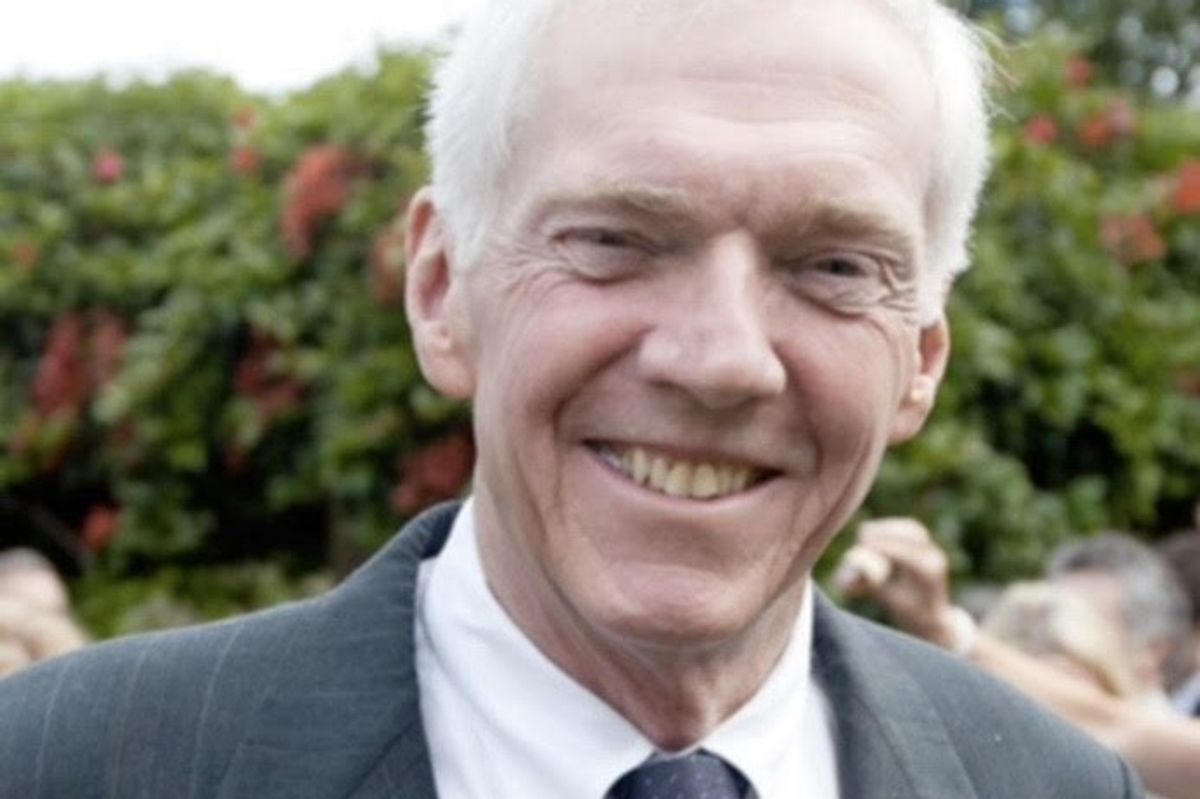
Writer Peter Riva, a former resident of Amenia Union, now resides in New Mexico.





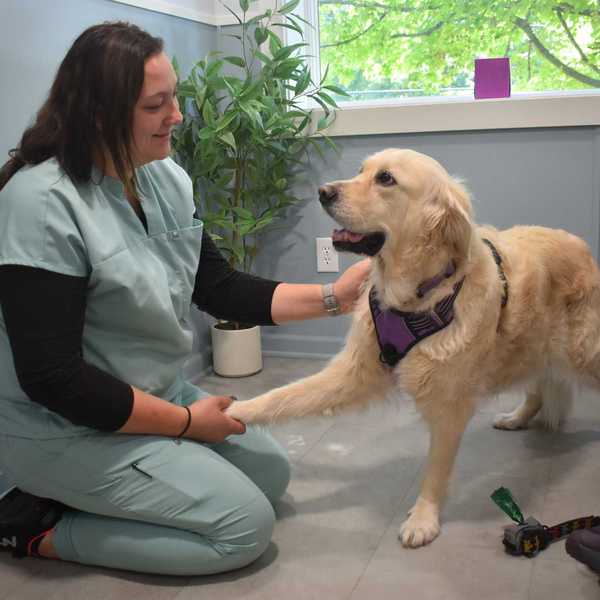
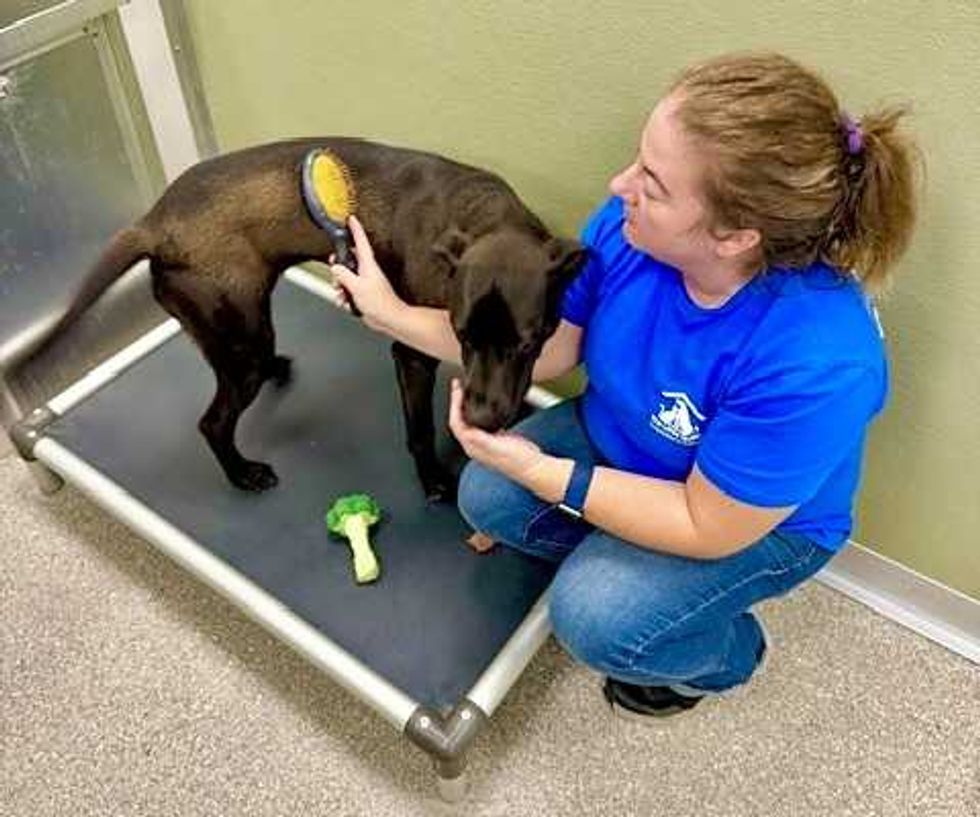 Tiffany Lemelin, shelter manager, brushing Marsala upon arrival.Provided
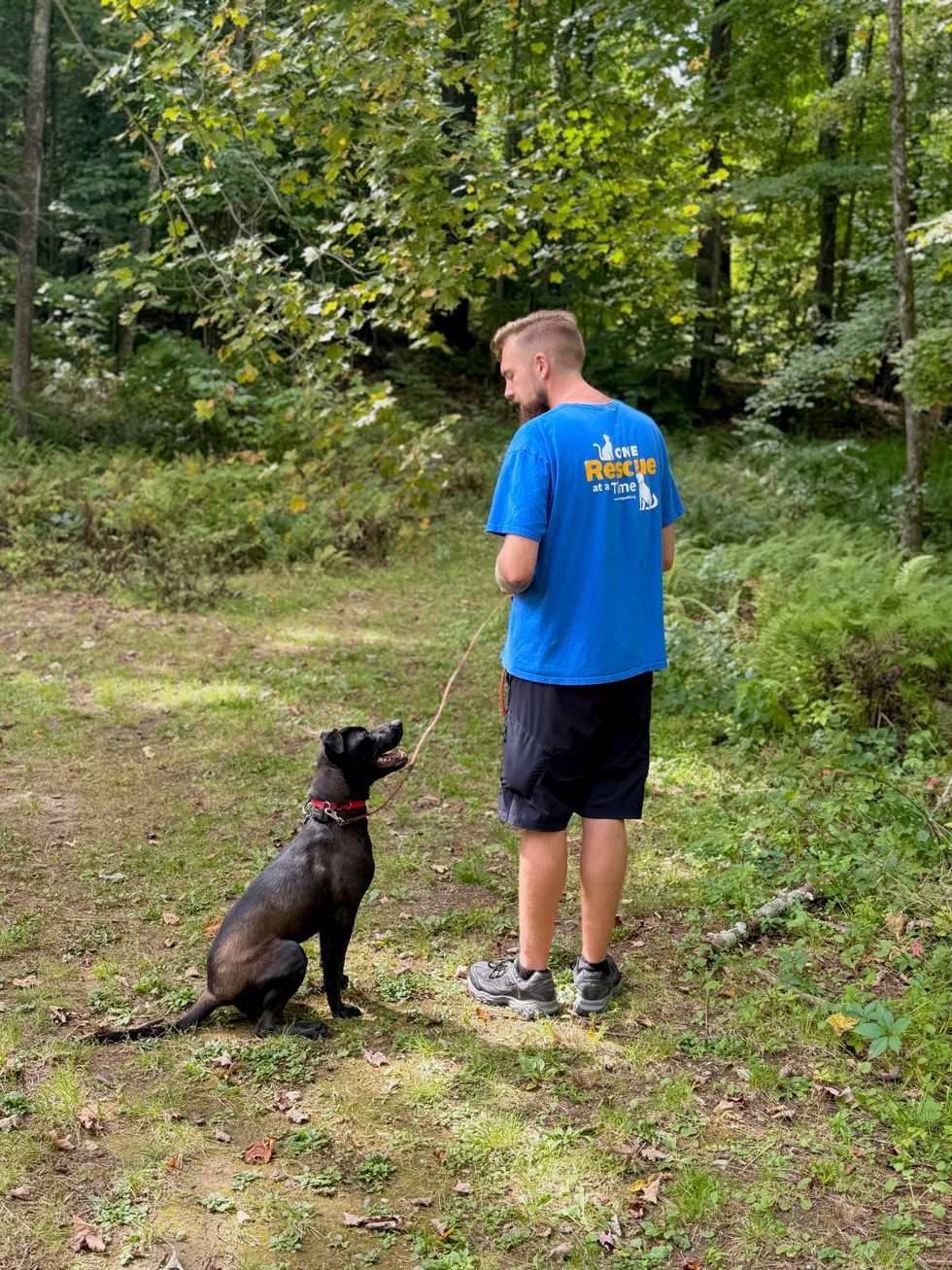 Michael DeBarba, certified dog trainer working with Marsala.Jennifer Almquist
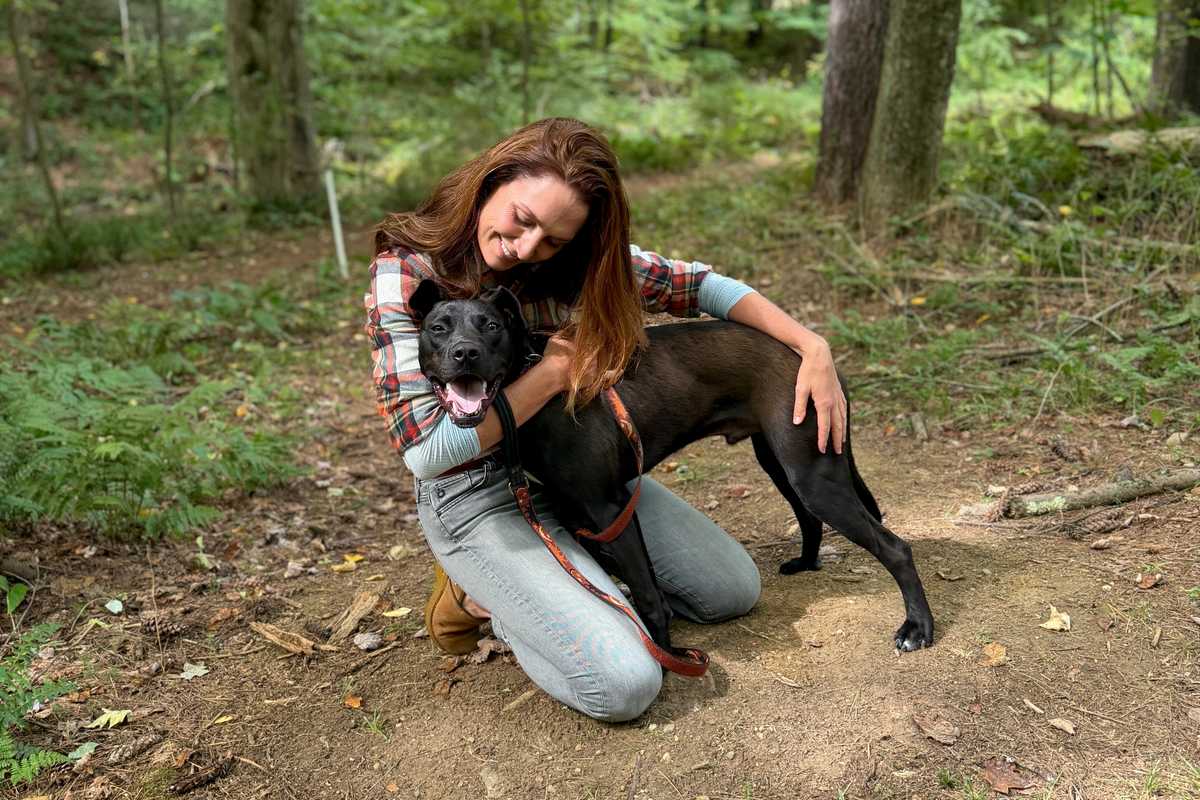 Marsala wins a heart.Jennifer Almquist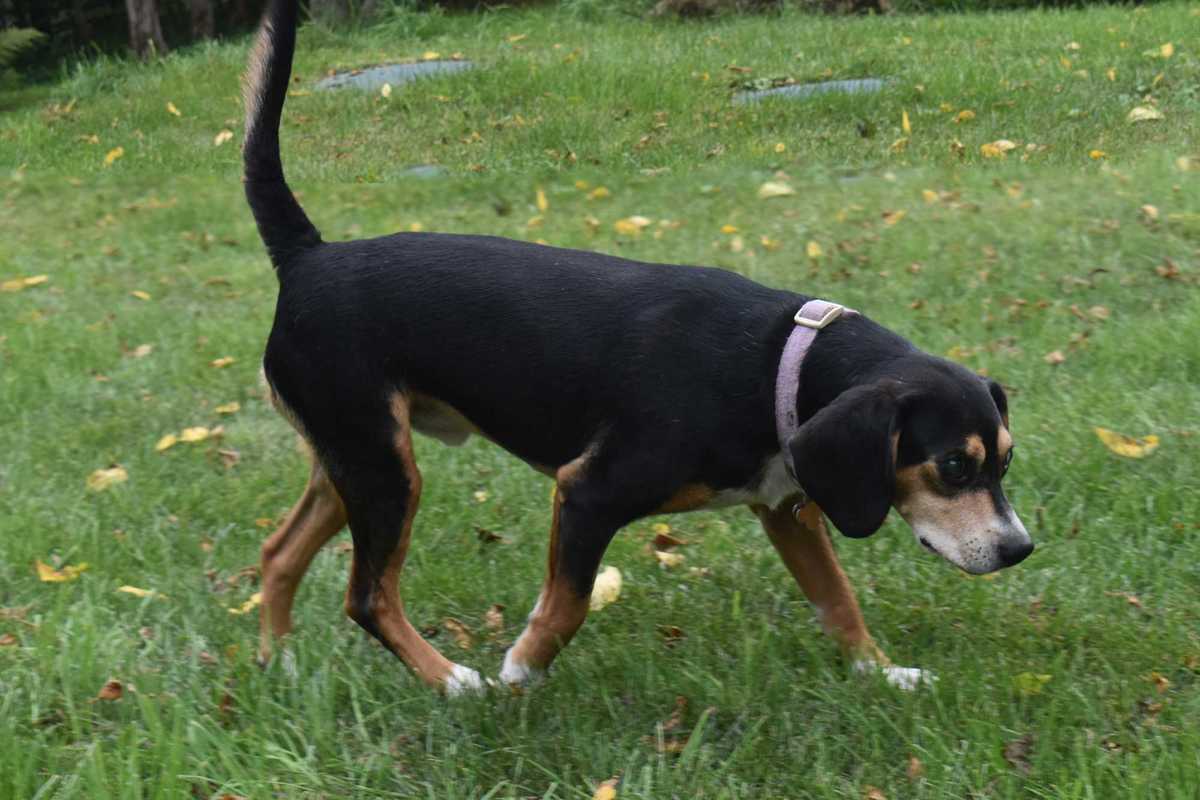
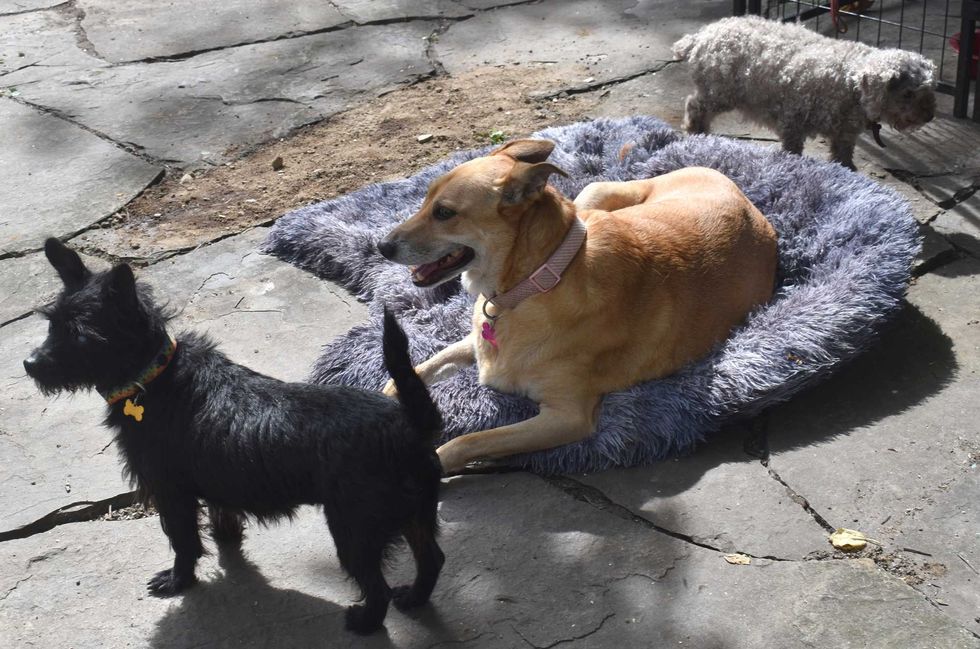 Sadie, center, a Carolina dog, plays with her friend Negra, a terrier mix. Bella Linda, the small poodle, has since been adopted.L. Tomaino
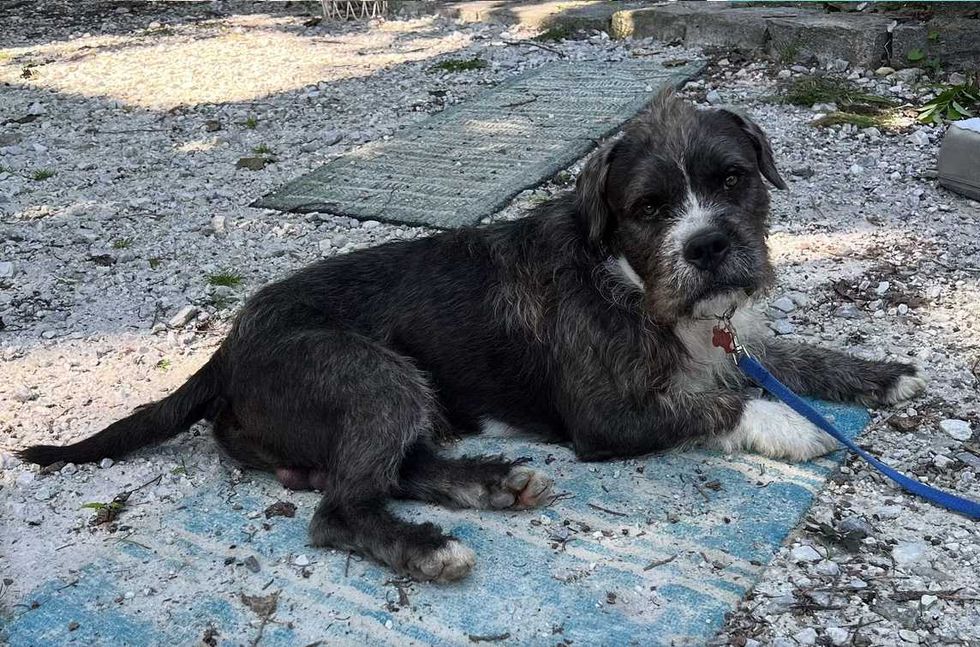 Wesley, a young, exuberant mix, is looking for an active home.L. Tomaino
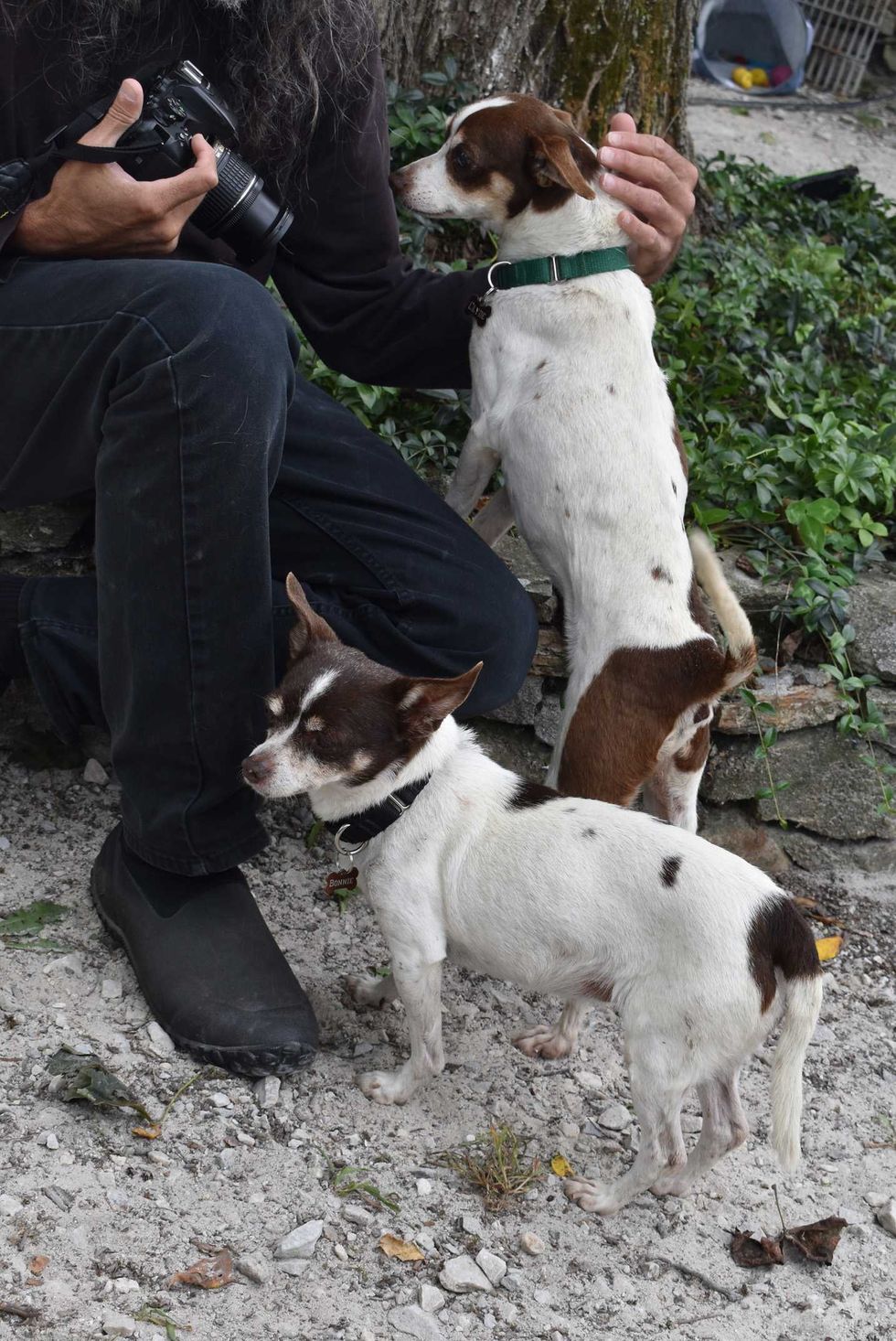 Bonnie and Clyde, an affectionate terrier pair.L. Tomaino