Thank you!
Your support is sustaining the future of local news in our communities.

Growing the next generation of local journalists

Every summer, our newsroom becomes more than a place where stories are written—it becomes a classroom, a workshop, and, we hope, the starting point for future careers in local journalism.

This year, eight interns joined The Lakeville Journal and The Millerton News for an intensive six-week experience that immersed them in community reporting. Three were high school students attending Housatonic Valley Regional High School, The Hotchkiss School and Loomis Chaffee School. The remaining five were college students from Ithaca College, Marist University, the University of Connecticut, Loyola University and Northwestern University. Although they arrived with different backgrounds and varying levels of journalism experience, they all shared a connection to the Northwest Corner of Connecticut or neighboring Dutchess County and a curiosity about the communities most call home.

Rather than watching from the sidelines, the interns became part of the newsroom. They covered local events, interviewed residents, wrote feature stories, attended meetings, and worked alongside our editors and reporters as they learned how local journalism comes together—from the first interview to the final edit. Along the way, they discovered that reporting is equal parts preparation, persistence, curiosity and listening.

Their education extended well beyond reporting assignments. Throughout the summer, community leaders and media professionals volunteered their time to lead weekly workshops on subjects that every journalist should understand.

Attorney and LJMN Media Inc. board member Devereaux Chatillon explored media law and intellectual property. Veteran photographer Anne Day shared practical techniques for creating stronger images, even using a smartphone. Francesca Donner, former gender editor at The New York Times and founder of The Persistent, challenged the interns to think critically about representation in journalism. Compass editor Natalia Zukerman discussed the art of interviewing, while our news editors Christian Murray, Aly Morrissey and Nathan Miller offered practical lessons in reporting, feature writing and the newsroom process.
Perhaps the greatest lessons, however, came from simply being out in the community.

Several interns told us they now pay far more attention to what’s happening around them than they did before the program. Others said the experience pushed them beyond their comfort zones, whether that meant approaching strangers for interviews or covering busy public events. One intern joked about discovering “there can be a lot of drama over a tennis court,” a reminder that every community has stories waiting to be uncovered. Another described the experience as “breaking the bubble”—seeing familiar towns through fresh eyes and recognizing the people and issues that shape everyday life.

This week, each intern shares what they learned during the summer on pages B1 and B2.

Programs like this depend on people who know that local journalism matters. We are deeply grateful to the William and Mary Greve Foundation and individual donors for their generous support of this year’s summer internship program. We also welcomed one intern through our partnership with Marist University, another investment in developing future journalists.

That investment couldn’t be more important.

Strong communities need strong, reliable local reporting and coverage of town halls, school boards, housing, healthcare, environmental issues, local businesses, sports, and the countless stories that rarely make national headlines but shape daily life here.

The newsroom will feel a little quieter when they head back to school, but we have every reason to believe we’ll be hearing from many of them again.

Latest News

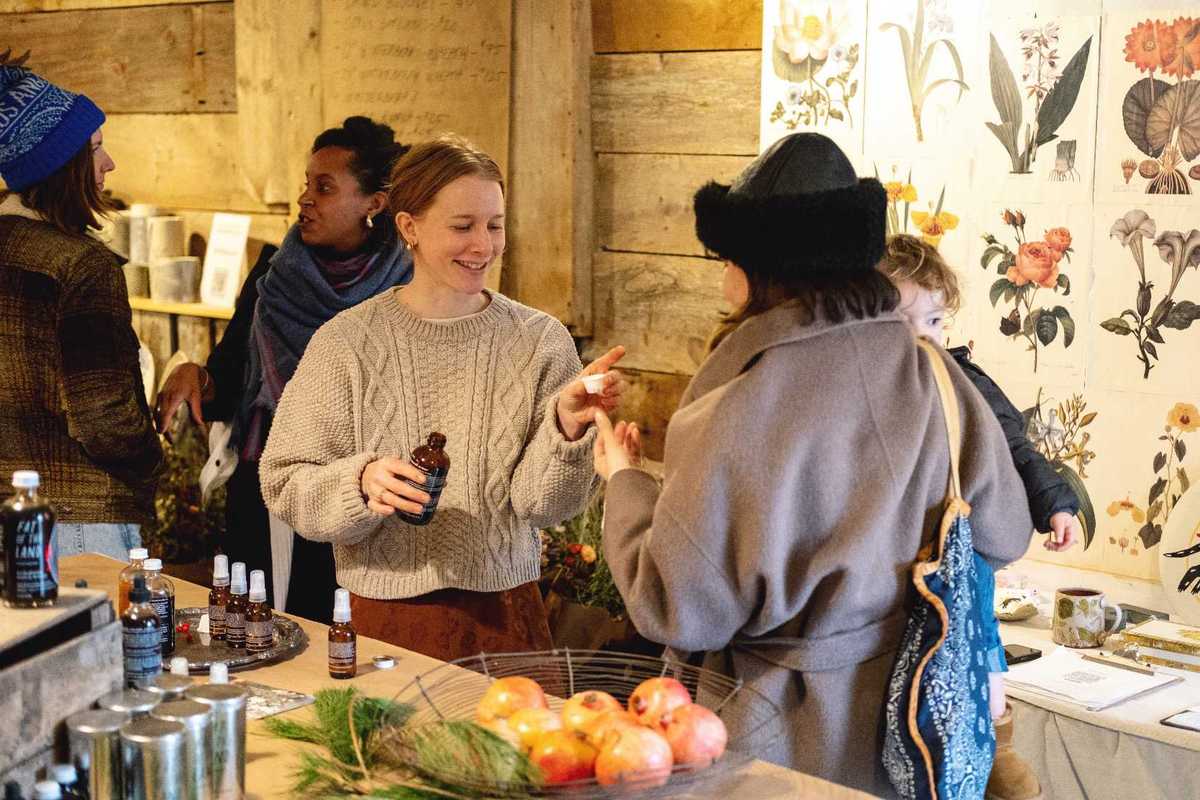
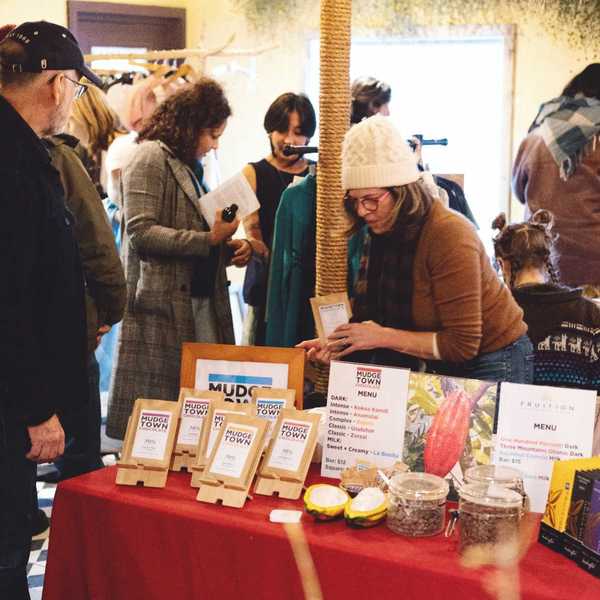
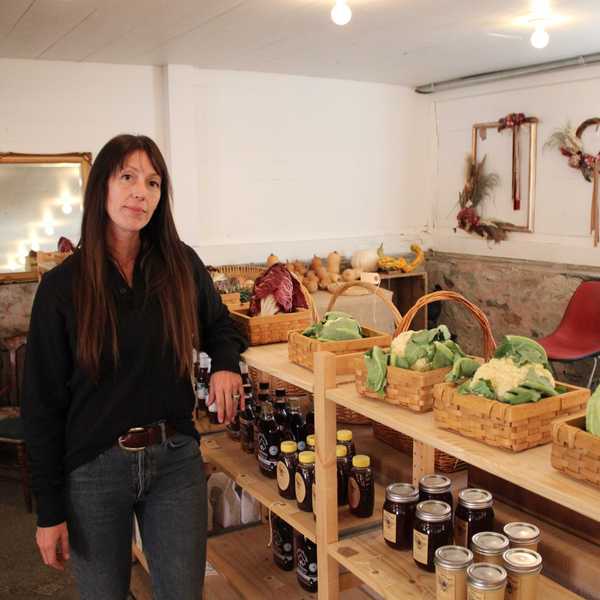
Farm & Friends: a holiday market that gives back

The Farm & Friends holiday market returns Nov. 21 and 22, featuring local makers, food producers and seasonal gifts.

Provided

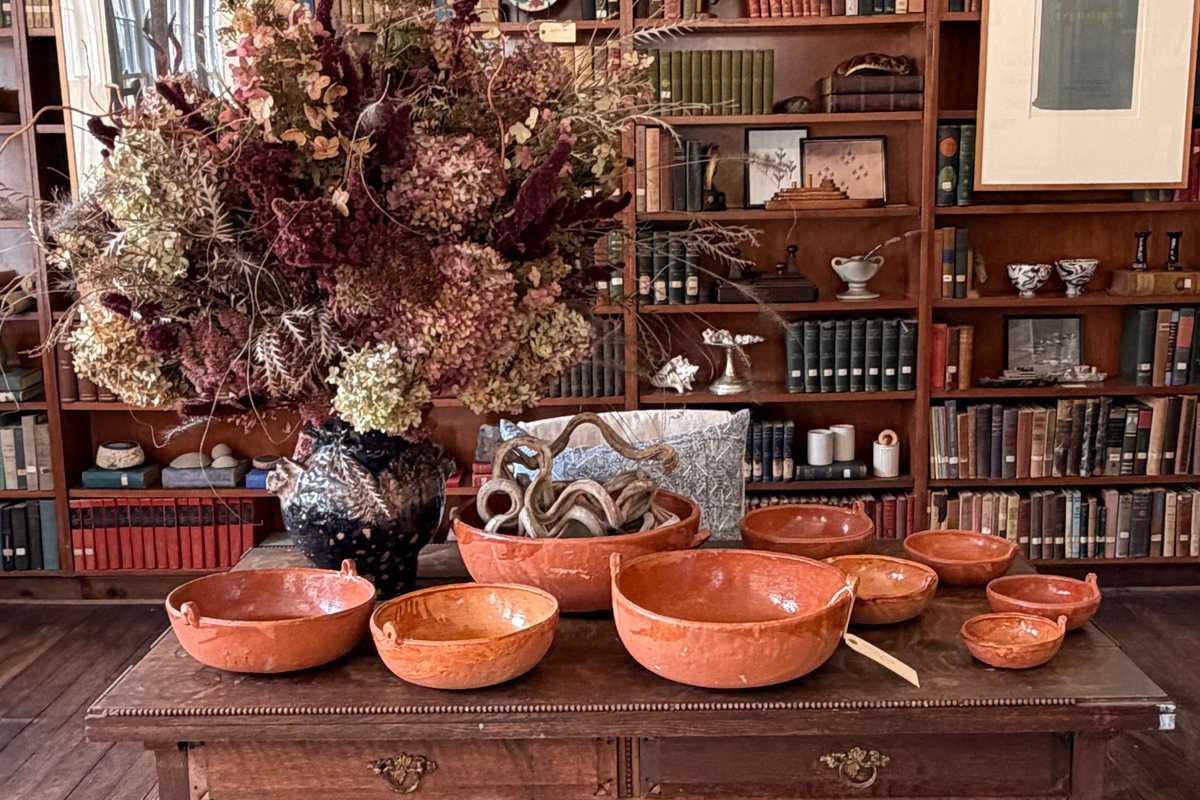
According to PBS, “More than 5 million people have lost their Supplemental Nutrition Assistance Program, or SNAP, benefits since President Trump’s so-called One Big Beautiful Bill passed last year.” Combined with rising costs and new eligibility requirements, these cuts have placed additional pressure on families struggling to make ends meet. As more people turn to food banks and pantries for assistance, local farms are playing an increasingly important role in meeting that need. Hungry Reaper Farm in Morris, for example, supplies food and CSA shares to a variety of nonprofit organizations and schools.

In Dutchess County, The Webatuck Valley Farm Collaborative is working to strengthen the pipeline from farms to foodbanks. Led by Rock Steady Farm, Sweet Freedom Farm and Wildseed Community Farm and Healing Village, the collaborative hopes to double the infrastructure capacity for at least 15 local farms. This will allow them to increase supplies for food pantries and regional schools while expanding the farms’ reach to industrial buyers and distributors. By their estimation, the food hub “will supply and impact 9 school districts, 13 food pantries, and partner with 6 institutional buyers and 8 aggregators and distributors.”

Keep ReadingShow less
google preferred source

Want more of our stories on Google? Click here to make us a Preferred Source.

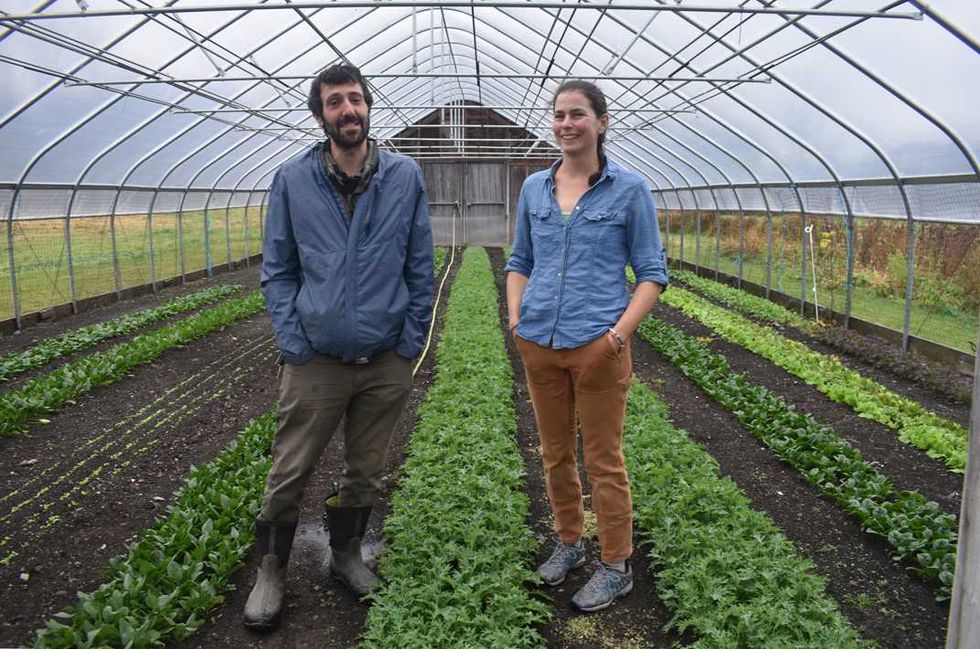
Under the big top at Full Circus Farm

Under the big top at Full Circus Farm

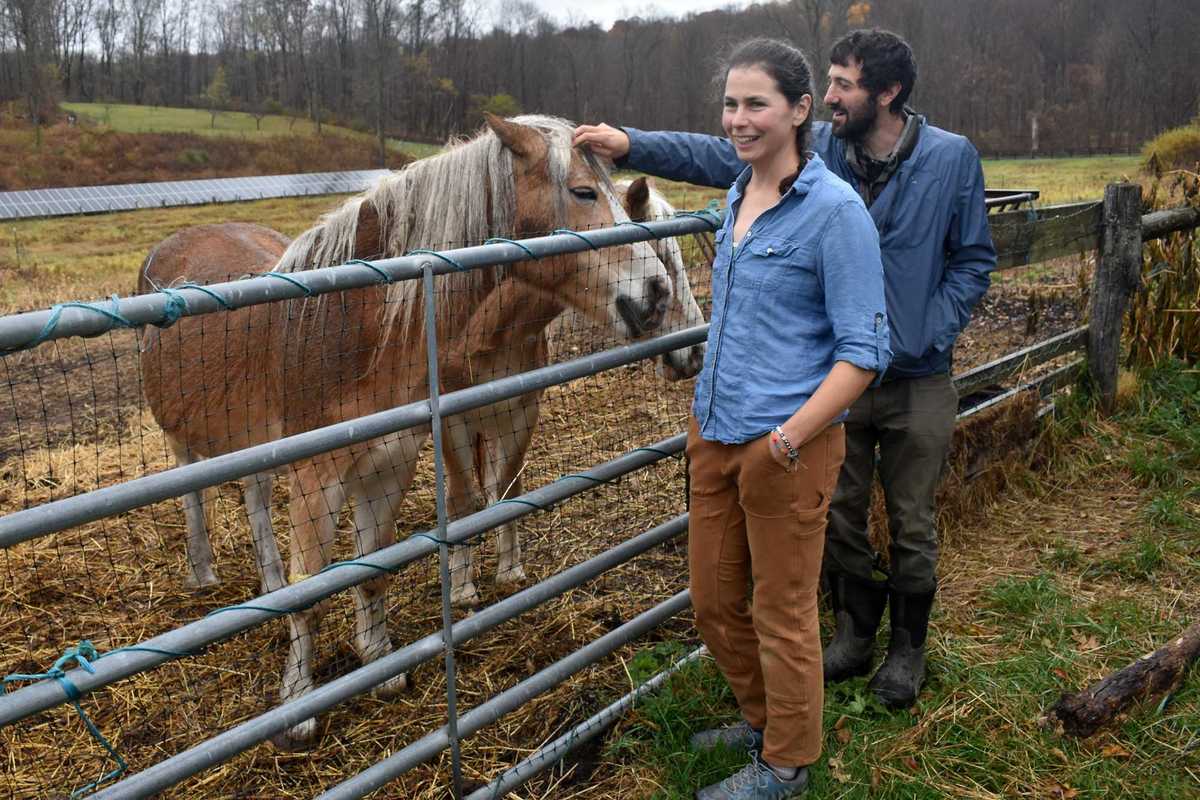
Miriam Goler and Mark Stonehill with their Haflinger horses, Sunshine and Sandy, at Full Circus Farm in Pine Plains.

L. Tomaino
We share this farm with such amazing human and nonhuman neighbors.
— Mark Stonehill

For Mark Stonehill and Miriam Stonehill Goler, the founder of Full Circus Farm in Pine Plains, farming has always been about more than what comes out of the ground.

“From the very beginning, we’ve envisioned the farm as a place not only for food production, but also merriment and community,” they said.

Keep ReadingShow less
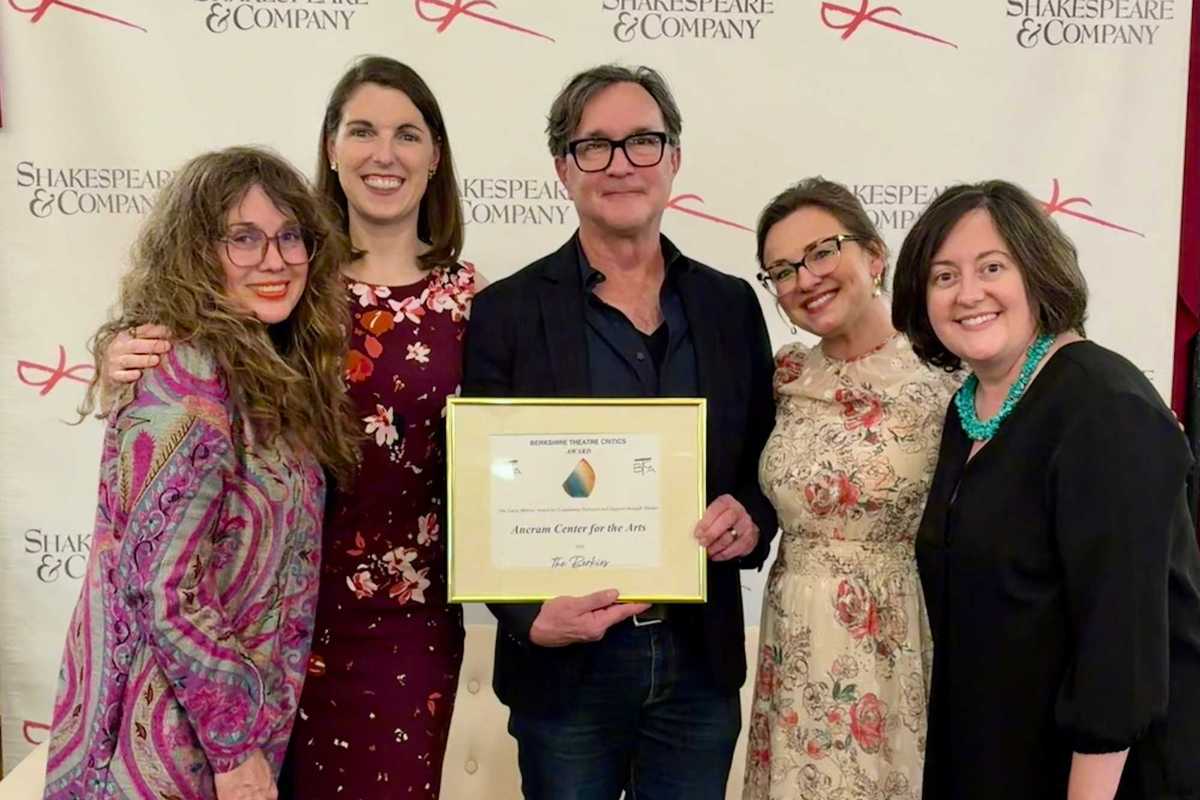
At Ancram Center, community takes center stage
Ancram Center staff and teaching artists after the ceremony.From left to right,Simone Stevens, Sarah Katan, Jeffrey Mousseau, Erin Krom and Chris McCoy.
Provided

At the Ancram Center for the Arts, the stage has been host to numerous award winning professional actors, but it also often belongs to a neighbor with a story to tell. Other times, the performance moves out of the theater altogether, transforming a pond, a field or a corner of town into a stage.

That commitment to bringing theater into the community — and the community into the theater — has earned the Ancram Center the Larry Murray Award for Community Outreach and Support through Theater, one of the Berkshire Theatre Critics Association’s annual Berkie Awards.

Keep ReadingShow less
The Cornwall Whale resurfaces in West Cornwall

The Cornwall Whale is the brain-child of visual and experiential designer Lindsay Stadig.

Provided

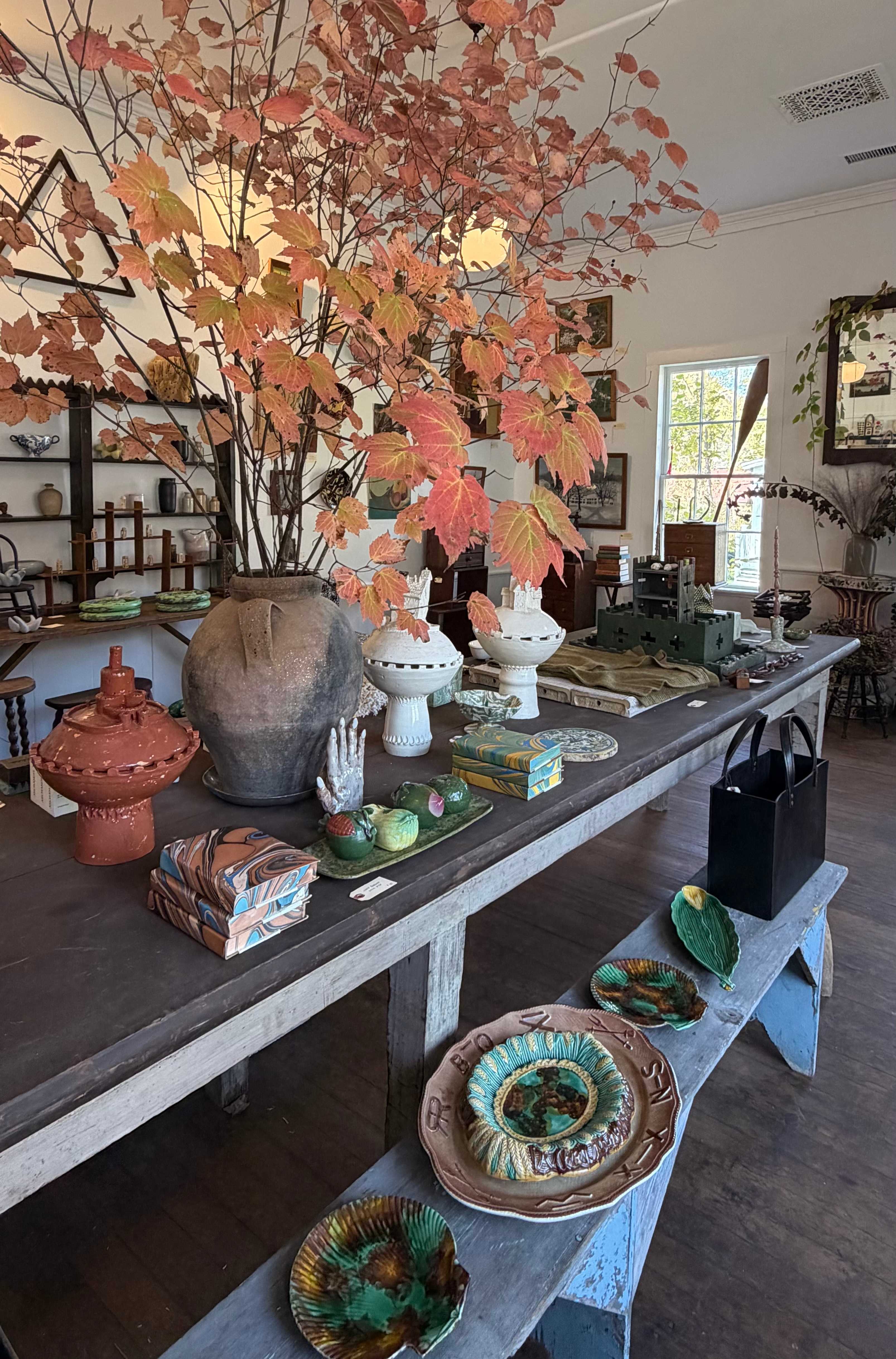
There’s something oddly familiar yet intangibly foreign about the Cornwall Whale. It’s not an interiors store, even though there are chairs and furnishings for sale. It’s not an art gallery, though there are paintings and sculptures occupying every corner of the space. It’s not a boutique, even with locally handmade shoes and carefully selected garments. No, The Cornwall Whale is something truly unique in the world of the truly unique.

The enigmatic shop popped up in the early winter of 2025 at the Hughes Memorial Library, right on the bank of the Housatonic River in West Cornwall. It is the brain-child of visual and experiential designer Lindsay Stadig.

Keep ReadingShow less
google preferred source

Want more of our stories on Google? Click here to make us a Preferred Source.

google preferred source

Want more of our stories on Google? Click here to make us a Preferred Source.