Thank you!
Your gift keeps The Millerton News in our towns.

Five years of nonprofit local news

Five years ago this September, our communities made a bet that strong, independent local reporting was worth preserving – and that a nonprofit model could help preserve it.

It was a new model for sustaining newspapers that had served this region for generations – The Lakeville Journal since 1897 and The Millerton News since 1932.

Five years of expanded, independent, local reporting supported by readers, advertisers, and donors is worth noting – and celebrating, especially as so many local news outlets are disappearing.

Our reporters are covering the important stories that affect you: the changing landscape of local health care; the spread and containment of hydrilla in Twin Lakes; the growing cost of emergency medical services; debates over housing, schools and major development projects; and, through our recent “Pockets of Poverty” series, the financial hardship that too often goes unseen in our communities.

We also record the shared life of our communities – anniversaries and festivals, school milestones, performances, traditions, achievements and the people who make our towns such interesting places to live.

People turn to The Lakeville Journal and The Millerton News not only to understand the issues affecting their communities, but to feel connected to them.

Covering the difficult questions matters; so does helping people see themselves, their neighbors and the life of their towns reflected in these pages.

Your support has also helped us invest beyond the printed newspaper. We have expanded our journalism education efforts, both with our paid summer internships, and with the new student-produced newspaper at Housatonic Valley Regional High School. Expansion plans are underway.

Your support has also strengthened the tools and systems behind our reporting, with upgrades to our websites and the creation of an audience development position focused on helping more people find, use and engage with our coverage – in print, online, through newsletters and across other digital platforms.

And, with your continuing support, we are continuing to build.

In the months ahead, readers will see redesigned newspapers, shaped in part by reader feedback, and a deeper focus on answering the questions our communities are asking – not simply reporting what happened, but helping readers understand what it means, why it matters and what comes next. We’ll also be creating more opportunities for readers to tell us what they want to know and where our coverage can be most useful.

This work has been sustained by donors and foundations, advertisers and subscribers, readers and community partners – all helping make strong local news possible.

Your support has been an important part of that. Because of you, we are still here, still reporting, still improving and still looking ahead.

Thank you for believing in this work and for helping make it possible.

Latest News

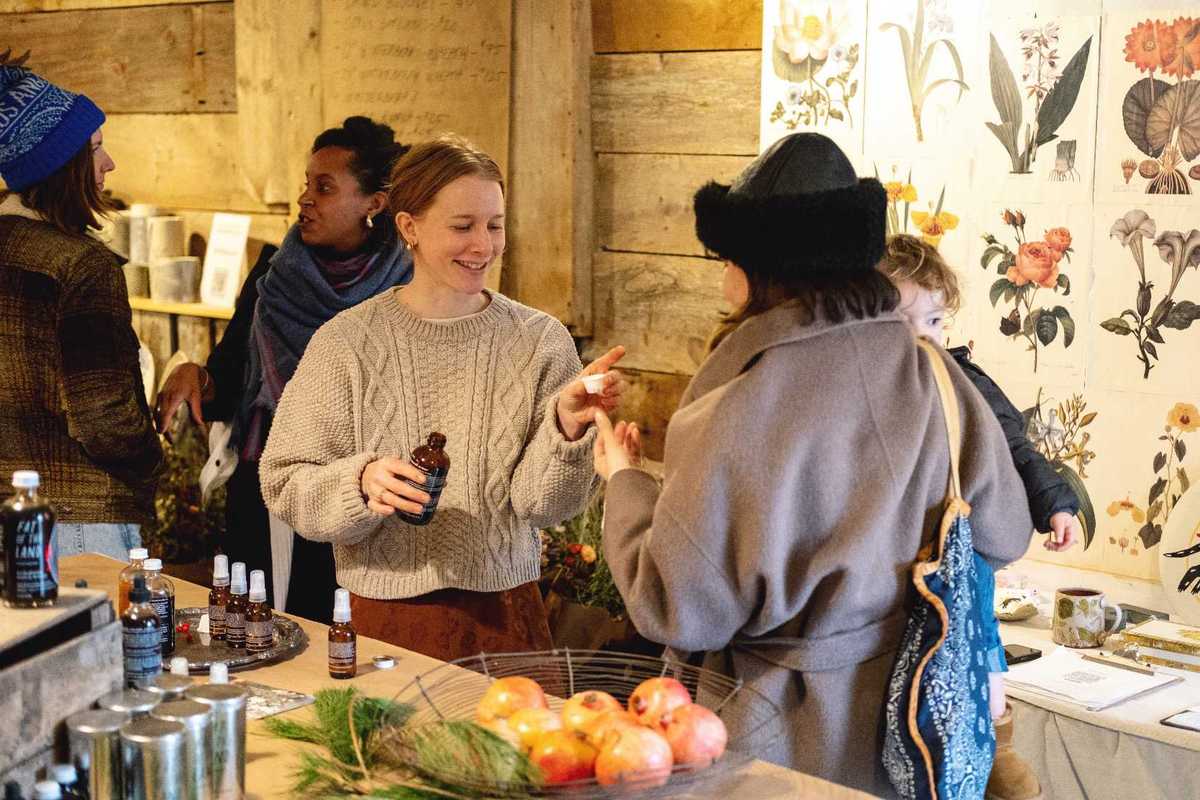
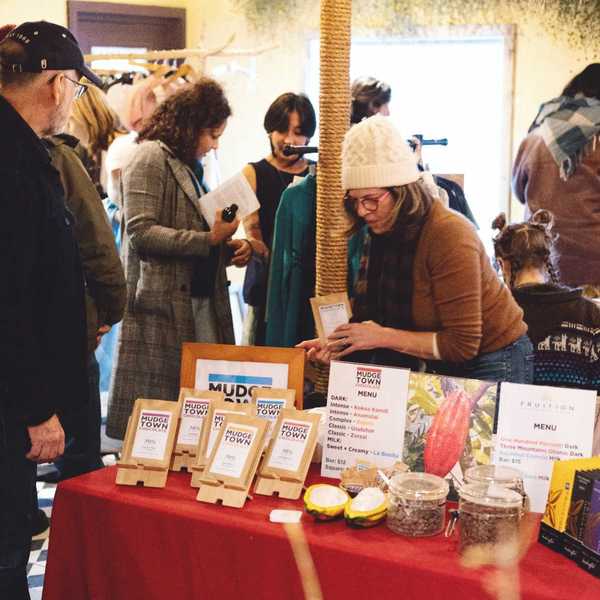
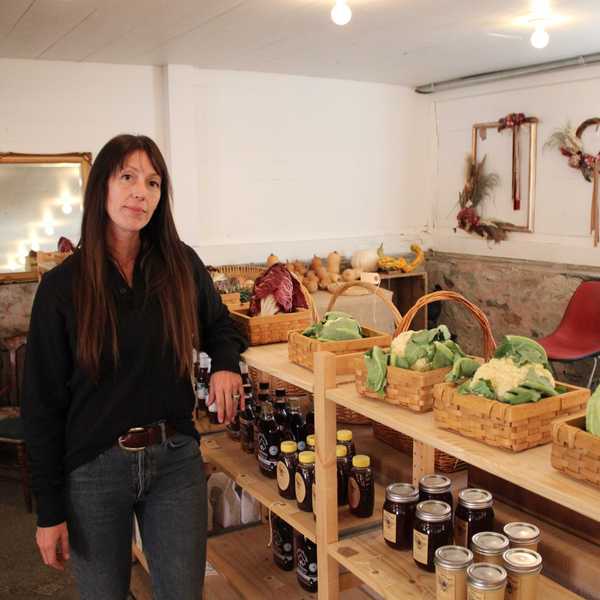
Farm & Friends: a holiday market that gives back

The Farm & Friends holiday market returns Nov. 21 and 22, featuring local makers, food producers and seasonal gifts.

Provided

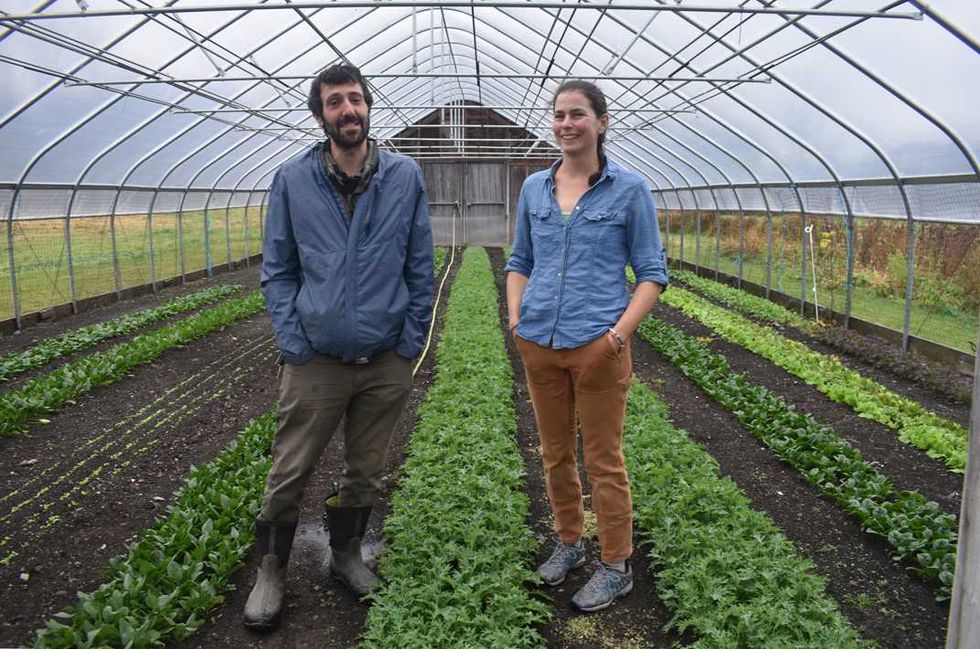
According to PBS, “More than 5 million people have lost their Supplemental Nutrition Assistance Program, or SNAP, benefits since President Trump’s so-called One Big Beautiful Bill passed last year.” Combined with rising costs and new eligibility requirements, these cuts have placed additional pressure on families struggling to make ends meet. As more people turn to food banks and pantries for assistance, local farms are playing an increasingly important role in meeting that need. Hungry Reaper Farm in Morris, for example, supplies food and CSA shares to a variety of nonprofit organizations and schools.

In Dutchess County, The Webatuck Valley Farm Collaborative is working to strengthen the pipeline from farms to foodbanks. Led by Rock Steady Farm, Sweet Freedom Farm and Wildseed Community Farm and Healing Village, the collaborative hopes to double the infrastructure capacity for at least 15 local farms. This will allow them to increase supplies for food pantries and regional schools while expanding the farms’ reach to industrial buyers and distributors. By their estimation, the food hub “will supply and impact 9 school districts, 13 food pantries, and partner with 6 institutional buyers and 8 aggregators and distributors.”

Keep ReadingShow less
google preferred source

Want more of our stories on Google? Click here to make us a Preferred Source.

Under the big top at Full Circus Farm

Under the big top at Full Circus Farm

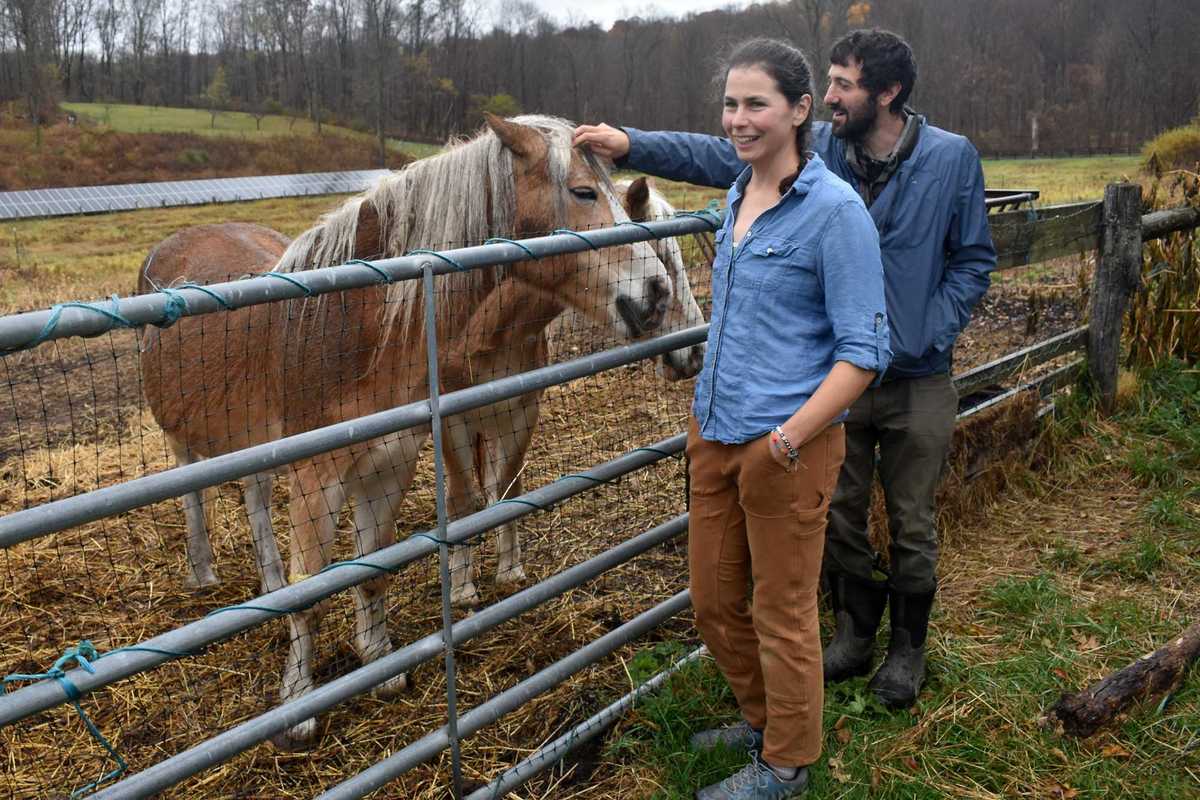
Miriam Goler and Mark Stonehill with their Haflinger horses, Sunshine and Sandy, at Full Circus Farm in Pine Plains.

L. Tomaino
We share this farm with such amazing human and nonhuman neighbors.
— Mark Stonehill

For Mark Stonehill and Miriam Stonehill Goler, the founder of Full Circus Farm in Pine Plains, farming has always been about more than what comes out of the ground.

“From the very beginning, we’ve envisioned the farm as a place not only for food production, but also merriment and community,” they said.

Keep ReadingShow less
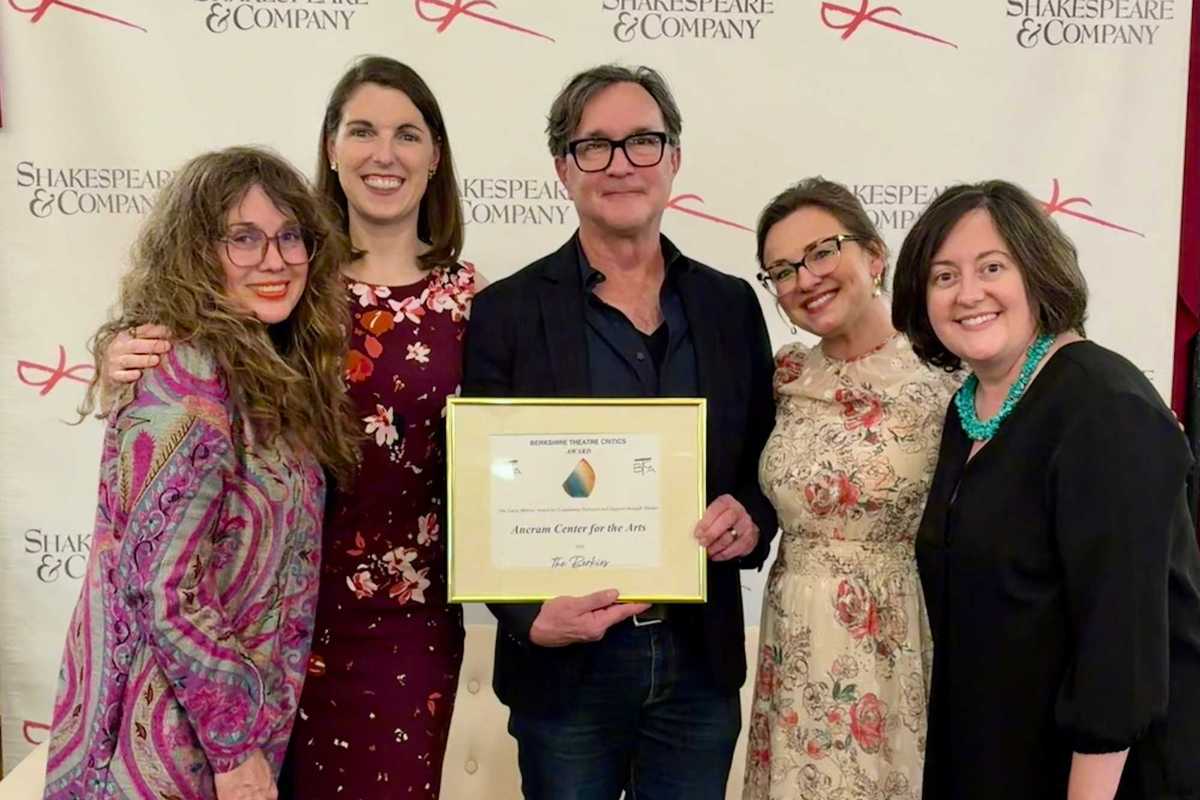
At Ancram Center, community takes center stage
Ancram Center staff and teaching artists after the ceremony.From left to right,Simone Stevens, Sarah Katan, Jeffrey Mousseau, Erin Krom and Chris McCoy.
Provided

At the Ancram Center for the Arts, the stage has been host to numerous award winning professional actors, but it also often belongs to a neighbor with a story to tell. Other times, the performance moves out of the theater altogether, transforming a pond, a field or a corner of town into a stage.

That commitment to bringing theater into the community — and the community into the theater — has earned the Ancram Center the Larry Murray Award for Community Outreach and Support through Theater, one of the Berkshire Theatre Critics Association’s annual Berkie Awards.

Keep ReadingShow less
The Cornwall Whale resurfaces in West Cornwall

The Cornwall Whale is the brain-child of visual and experiential designer Lindsay Stadig.

Provided

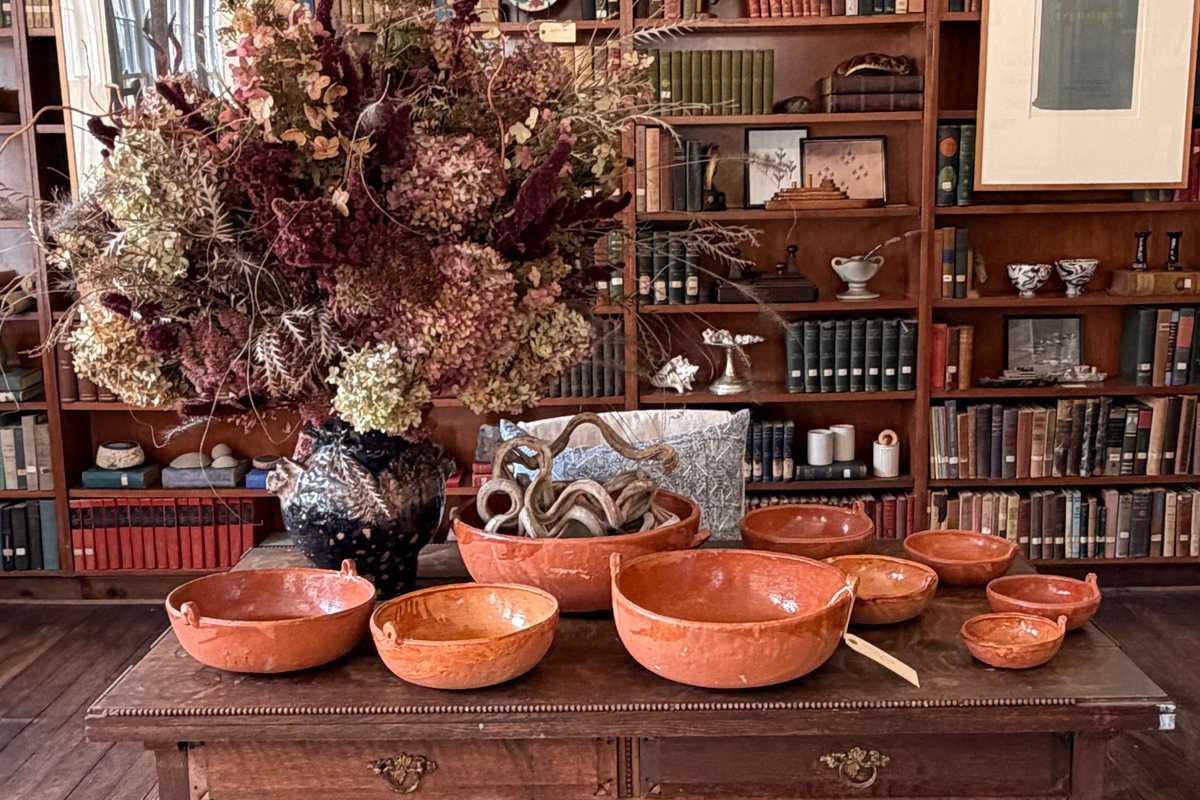
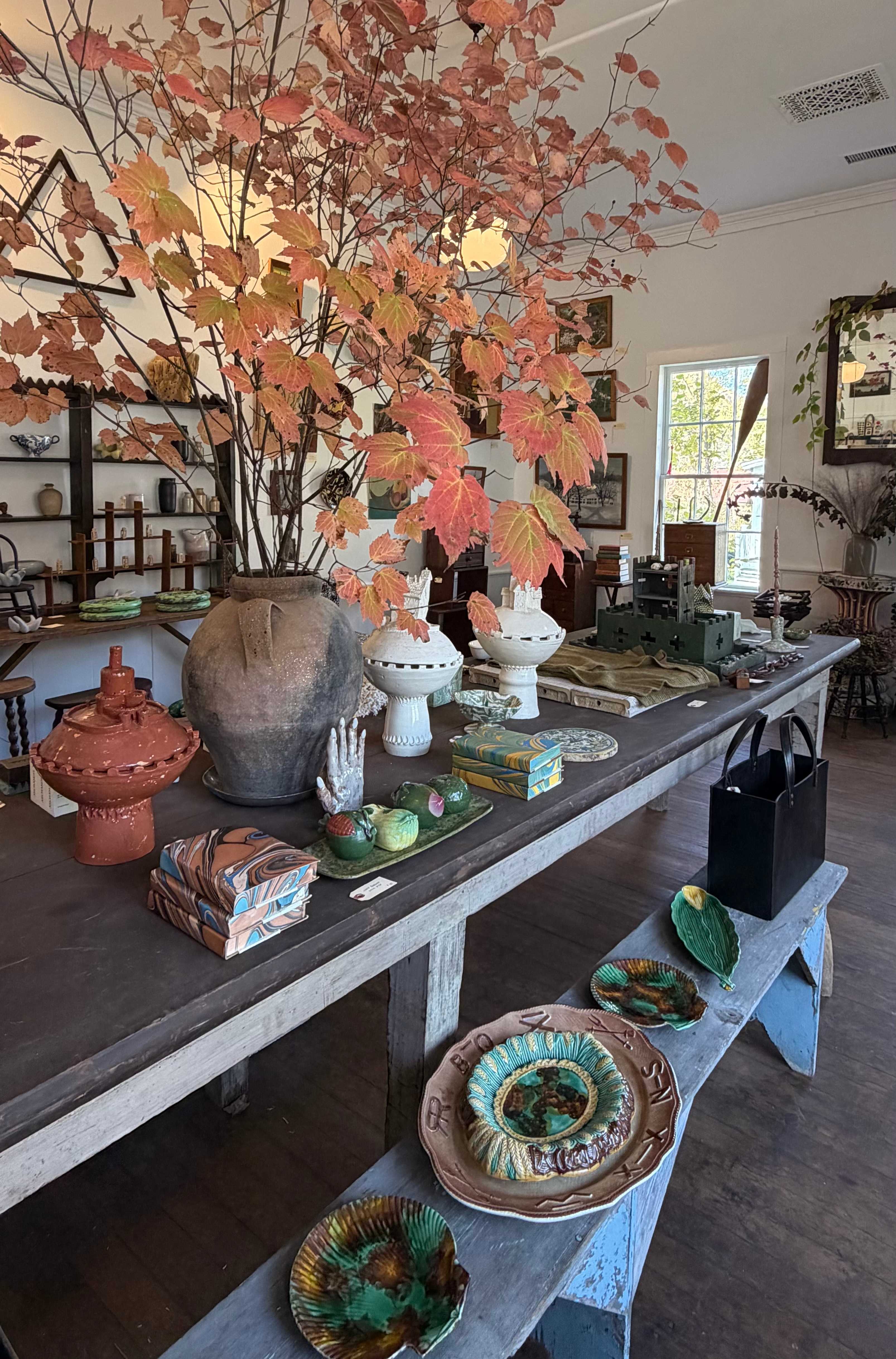
There’s something oddly familiar yet intangibly foreign about the Cornwall Whale. It’s not an interiors store, even though there are chairs and furnishings for sale. It’s not an art gallery, though there are paintings and sculptures occupying every corner of the space. It’s not a boutique, even with locally handmade shoes and carefully selected garments. No, The Cornwall Whale is something truly unique in the world of the truly unique.

The enigmatic shop popped up in the early winter of 2025 at the Hughes Memorial Library, right on the bank of the Housatonic River in West Cornwall. It is the brain-child of visual and experiential designer Lindsay Stadig.

Keep ReadingShow less
google preferred source

Want more of our stories on Google? Click here to make us a Preferred Source.

google preferred source

Want more of our stories on Google? Click here to make us a Preferred Source.