The Berkshire Opera Festival will open its 2023 season with a spring performance, “To Paris With Love: Opera in the City of Light,” on Sunday, April 16, at Saint James Place in Great Barrington, Mass. BOF Co-Founder and Artistic Director Brian Garman spoke with me on the universality of opera's emotion-driven compositions and bringing Puccini — and top talent — to rural Massachusetts.
Alexander Wilburn: The spring performance for the Berkshire Opera Festival is a love letter to Paris, but what is the Paris that you’re conjuring for audiences?
Brian Garman: Because our summer main stage opera, Puccini’s “La Bohème,” takes place in Paris, I put together this program of arias and ensembles all from operas that are also set in Paris. The idea of Paris inspired a lot of composers to really great heights — and not just French composers like Massenet, but Puccini, Verdi, Strauss. People will get to see how different composers interpreted the city.
AW: “La Bohème” might be the definitive Paris opera, just as its loose adaptation, “Rent,” might be the definitive New York musical. What do you think continues to make it so enduring and accessible to audiences?
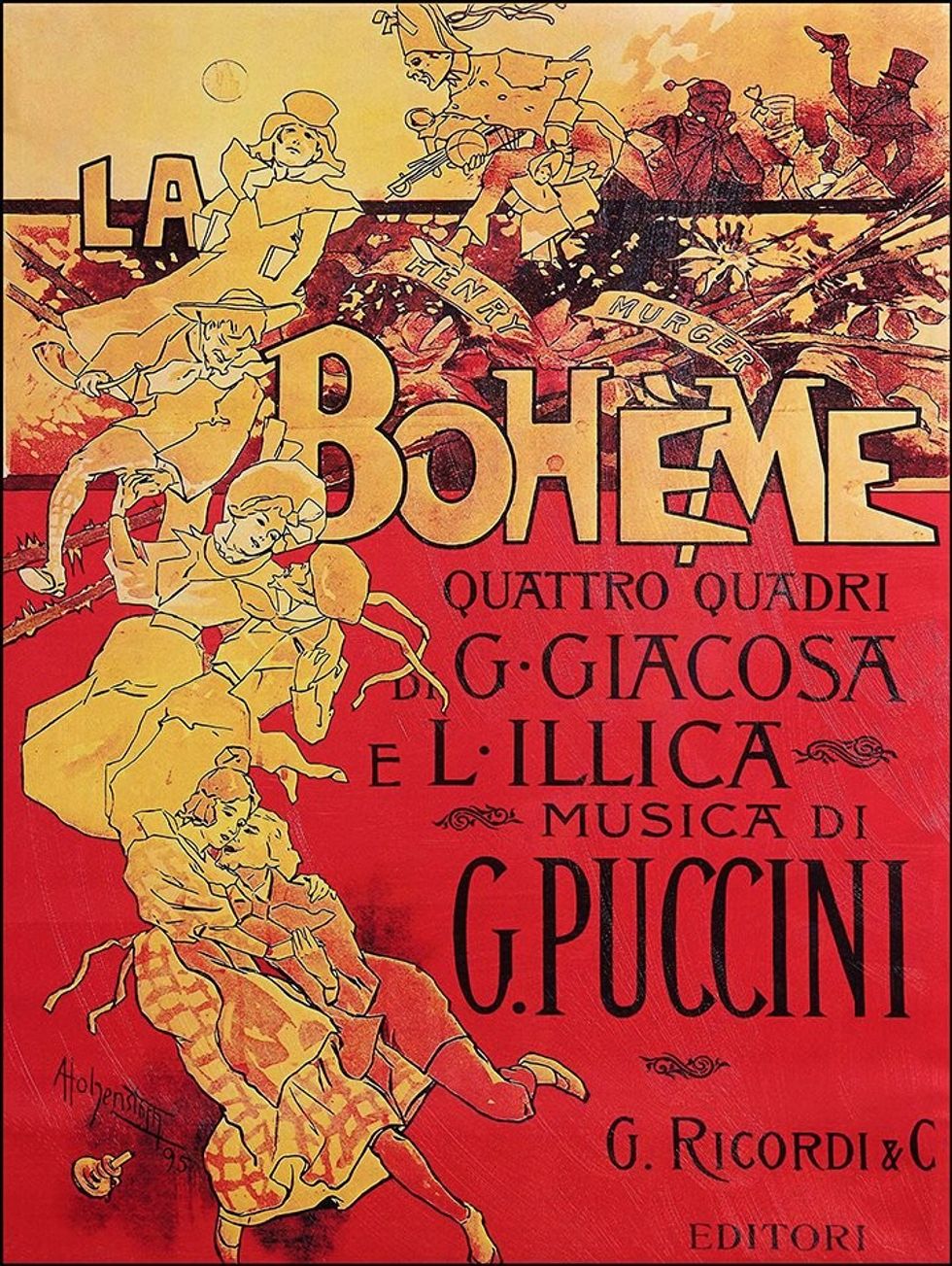
BG: I think the story first of all is absolutely timeless — it’s young artists living in the Latin Quarter, they don’t have much money, but they’ve got a lot of passion and they’ve got each other. The story of ‘boy meets girl and then life happens’ is not a new one, so we can all relate to falling in love and obstacles standing in our way. Although this opera ends more tragically than most of our love affairs, I hope. The music that Puccini puts over this framework is astonishing. I think more than any other composer Puccini knew how to write music for his operas to create maximum emotional impact. His sense of timing is impeccable. He was a master of knowing how to manipulate his audience member’s emotions, and I use that verb with a very positive connotation. When we go to the theater we want to be taken on a journey.
AW: Last year’s production of “Don Giovanni” incorporated a new twist on the material with added choreography, are you often looking for ways to reimagine traditional productions?
BG: We don’t look for ways to do things differently just for the sake of being unusual, but we think we have an obligation as artists to either perform new works or, when we do existing works that have been around for some time, and “La Bohème” is 127 years old, to look at them with fresh eyes. That doesn’t mean setting something on the moon for the sake of doing something weird. But we do things in fresh ways to help people maybe consider these pieces in ways they hadn’t before.
AW: You’re also performing pieces from Massenet’s “Manon.” She’s based on the character from Abbé Prévost’s novel, she’s inspired multiple operas, a ballet, French films…
BG: It’s a great story that’s attracted a number of composers to the material. We have two selections in the program that come from this story. One is from Massenet’s “Manon." We’re doing the famously passionate Saint-Sulpice scene, which is going to end the concert. We’re also doing an aria from “Manon Lescaut” by Puccini, which was his take on the story. I think Manon is a very interesting character. In Massenet’s first act she’s on the way to a convent and her train stops in Amiens. She meets new people and experiences the world in a way that she never imagined before. I think at a certain level we can relate to traveling to a new place and suddenly having our eyes opened to a whole new world of possibilities.
AW: Can you tell me about the four performers we’ll be seeing at Saint James Place?
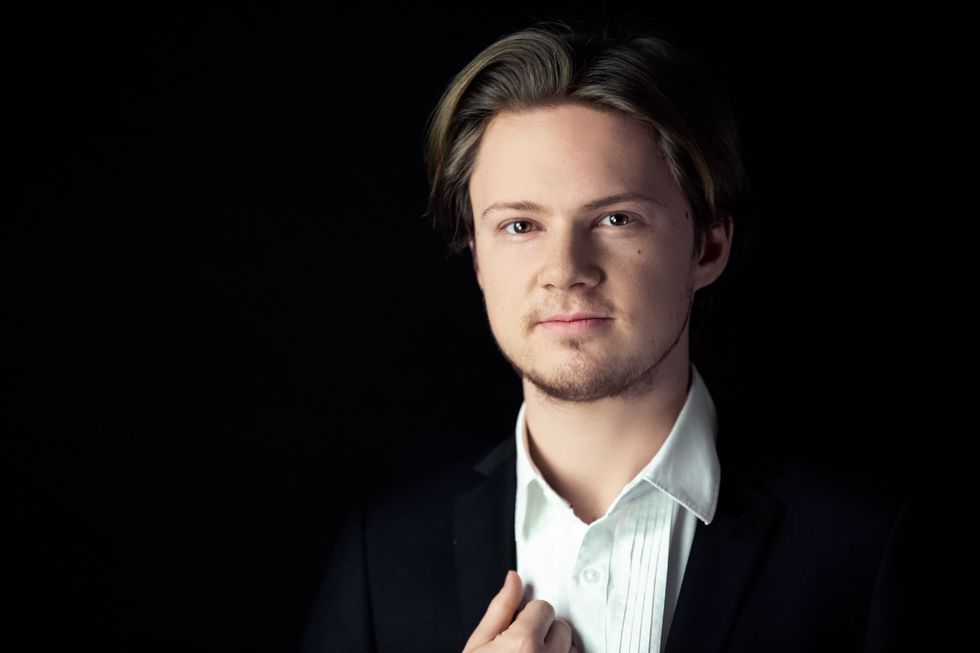
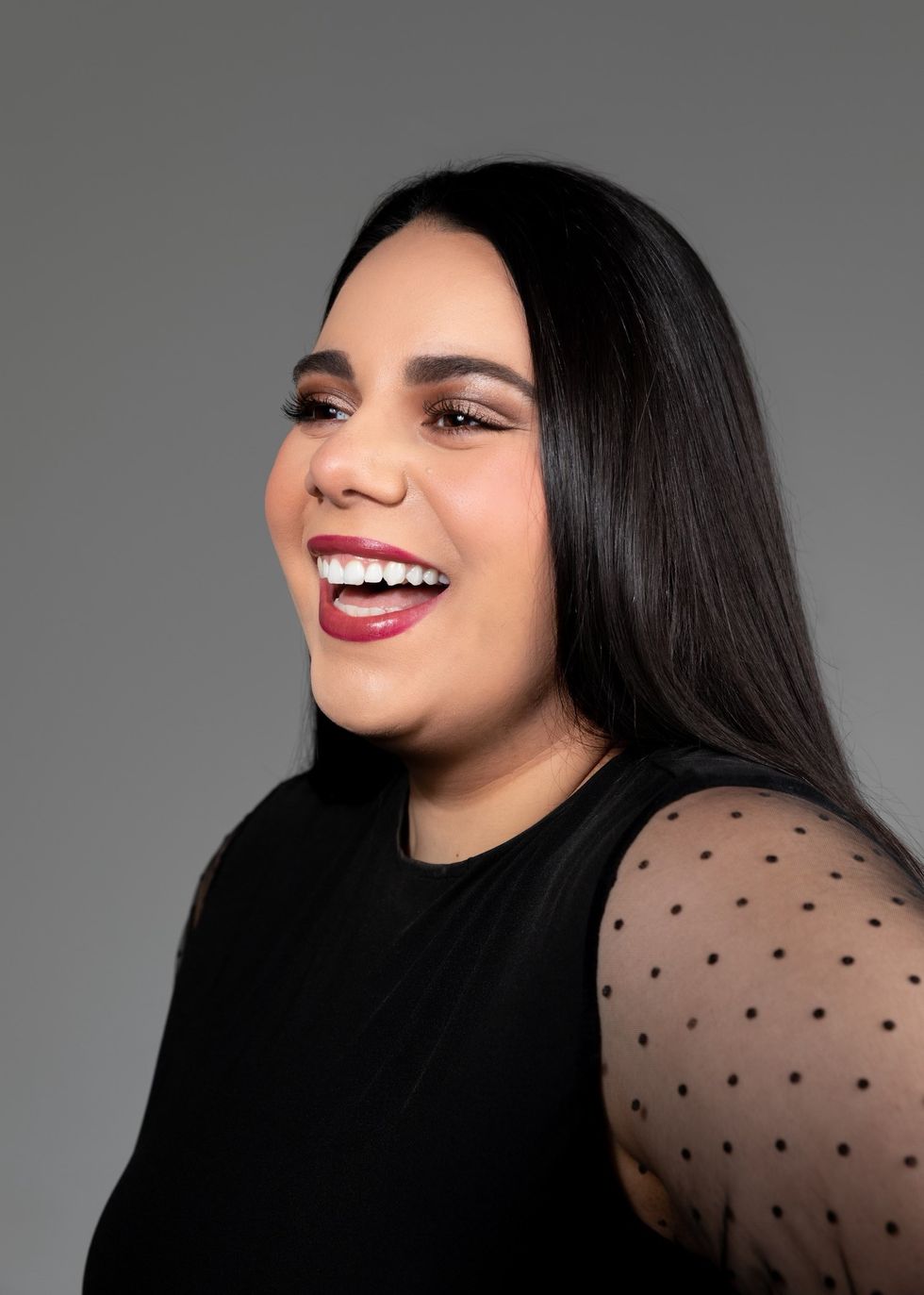
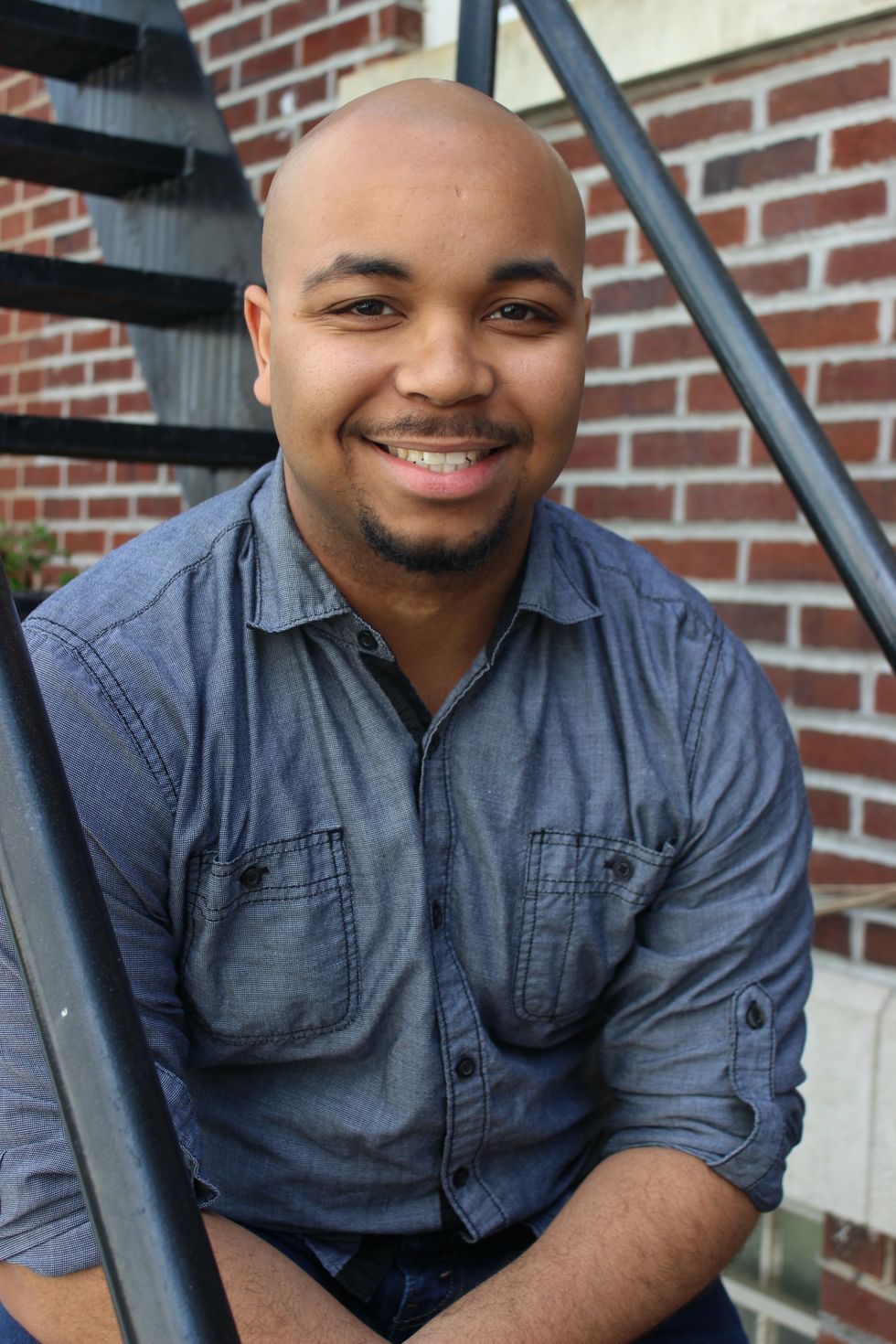
BG: As always, one of the things I promise from The Berkshire Opera Festival is the world-class caliber of artists that we put on our stages. We are not a large company, and we don’t have a $50 million dollar budget, but in terms of the artists that we put on our stage, we are punching way above our weight. We bring incredible artists and big names to the Berkshires and this spring concert is no different. We have four outstanding young artists. We have the soprano Amanda Batista who is now at The Metropolitan Opera. We have the tenor Ryan Capozzo who is coming to us from the Lyric Opera of Chicago, and we have the baritone Yazid Gray who is permanently in Pittsburgh, Penn. All three of them are starting to have really major careers here in the States and abroad. They are joined by the excellent Danish pianist Francesco Barfoed. One of the obligations that I think we have as an opera company is not only to foster new art but to foster new artists. I am always on the lookout for up-and-coming young talent that I think has tremendous potential.
AW: Can you tease us a bit about what we can expect later at the summer concert in July?
BG: The concert on July 22 is called “Breaking The Mold: Baroque, Bel Canto, and Beyond.” The title comes from Italian Renaissance poet Ludovico Ariosto who wrote about the character Orlando in his poem “Orlando Furioso.” He wrote, “Nature made him and then broke the mold.” So this poem was the basis of many Baroque operas in the 1600s and 1700s including three by Handel. This is a program that is going to feature a wide range of time periods and musical styles and they’re all sung by strong characters who broke the mold in one way or another. You have everything ranging from an opera by Purcell, which was written in 1695, all the way to an opera that premiered in 2000. All of my programs usually feature old favorites and then lesser-known selections that will hopefully become new favorites.
"To Paris with Love" will be at Saint James Place in Great Barrington, Mass., on Sunday, April 16 at 2 p.m. For tickets go to www.berkshireoperafestival.org
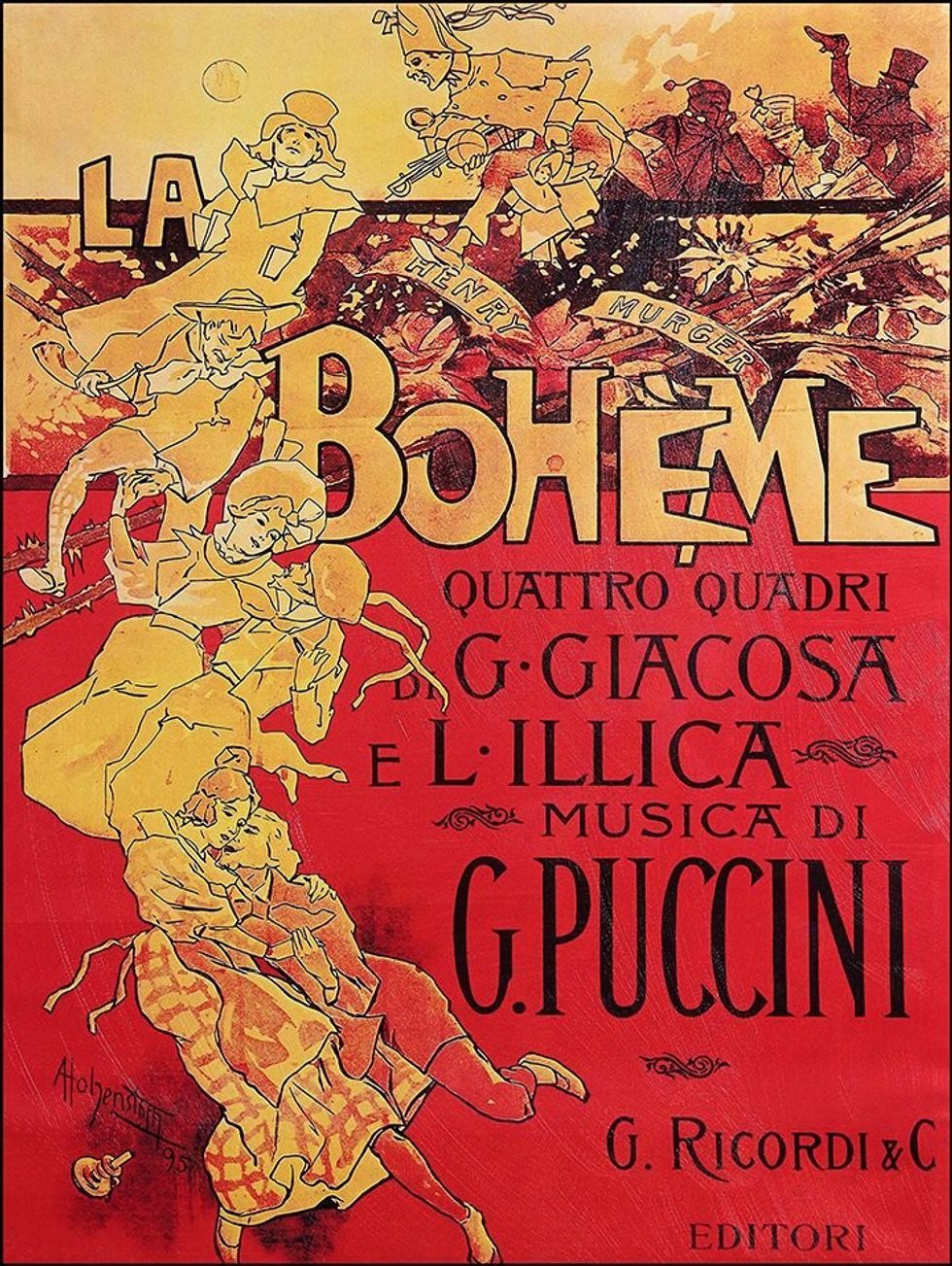
1896 production poster

Ryan Capozzo Photo courtesy of Berkshire Opera Festival
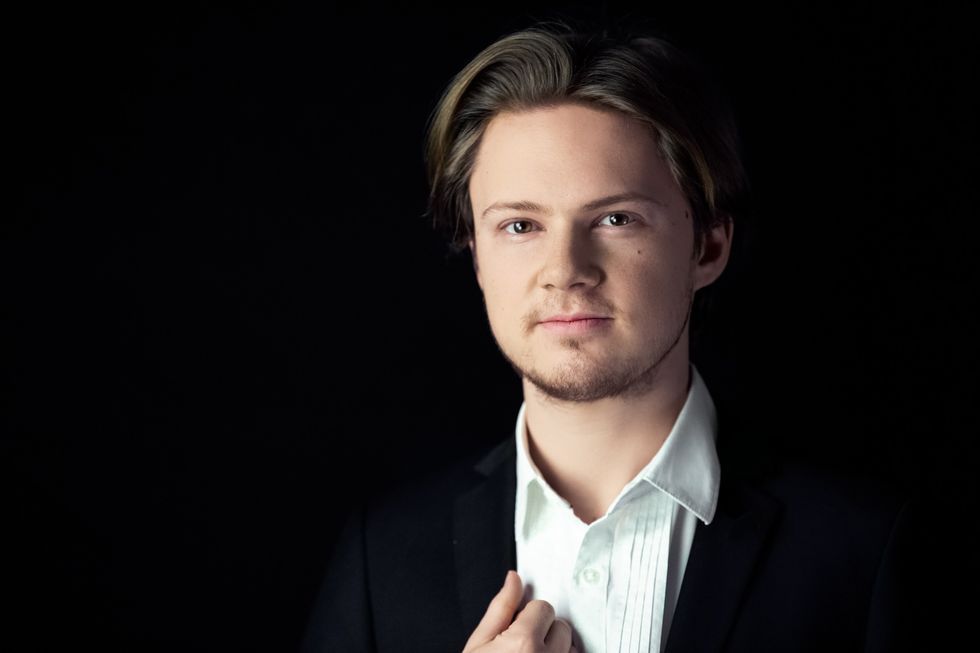
Francesco Barfoed Photo courtesy of Berkshire Opera Festival
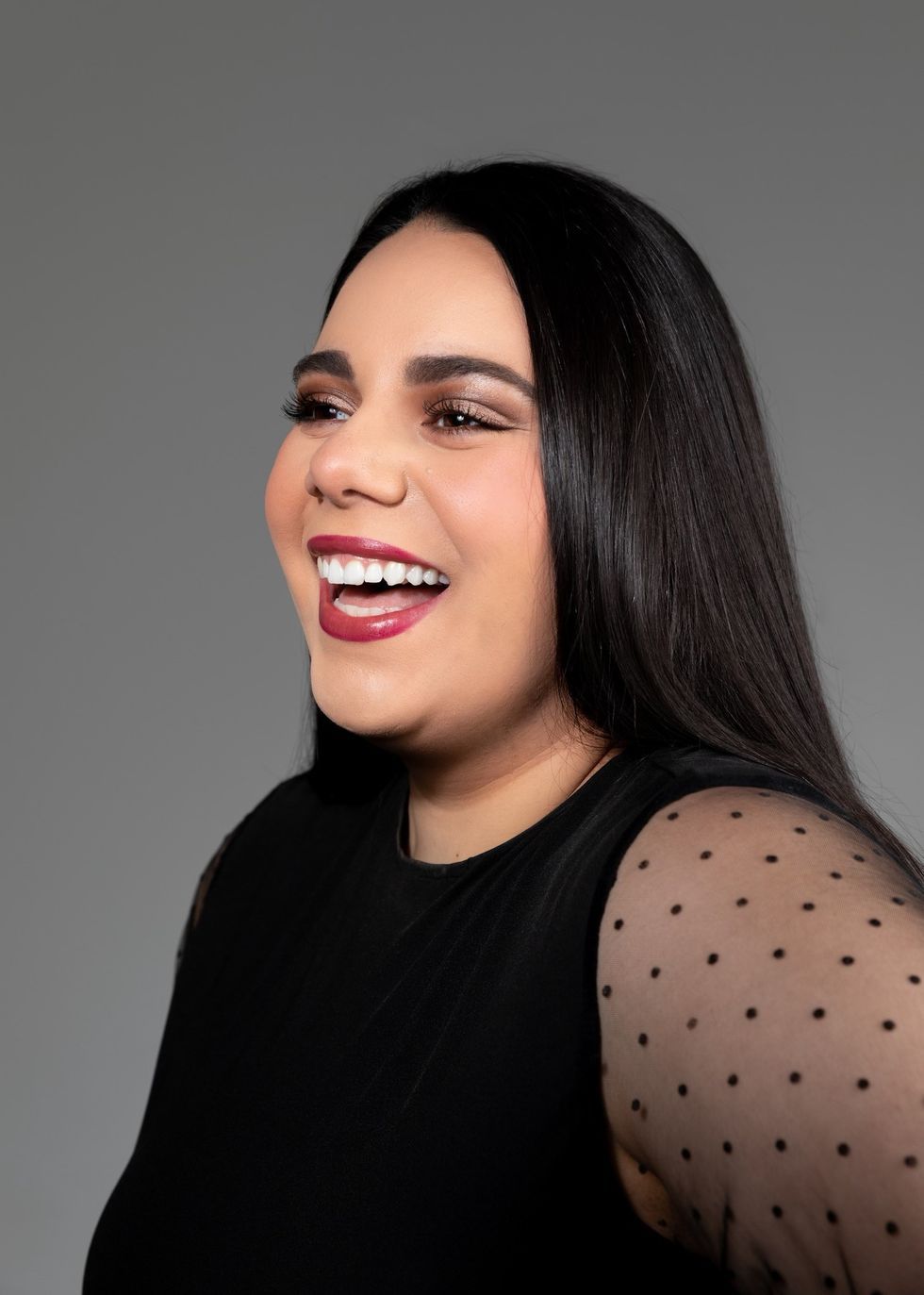
Amanda Batista Photo courtesy of Berkshire Opera Festival
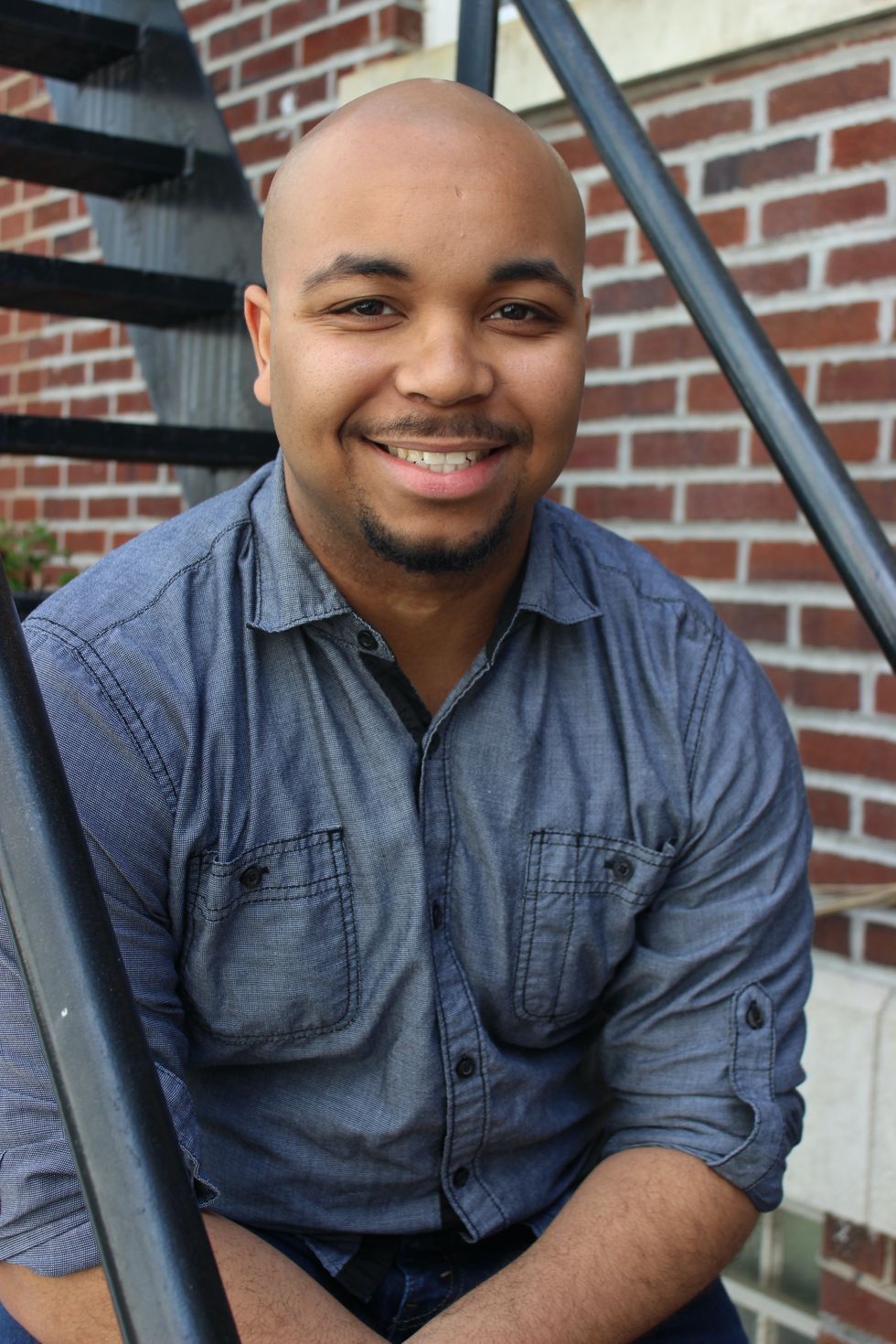
Yazid Gray Photo courtesy of Berkshire Opera Festival




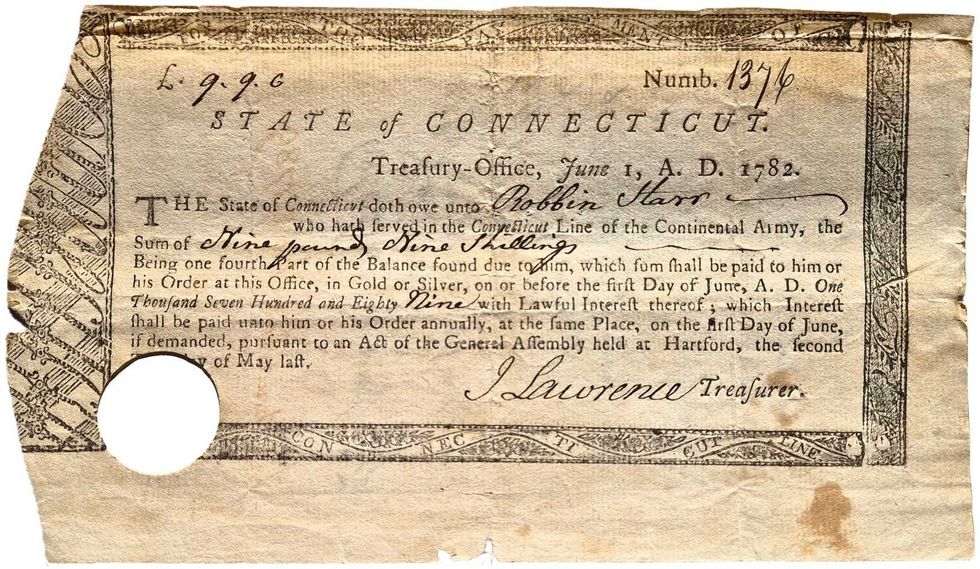 Pay Bill for Robin Starr’s service in the Continental Army.Courtesy the Alex Breanne Corporation
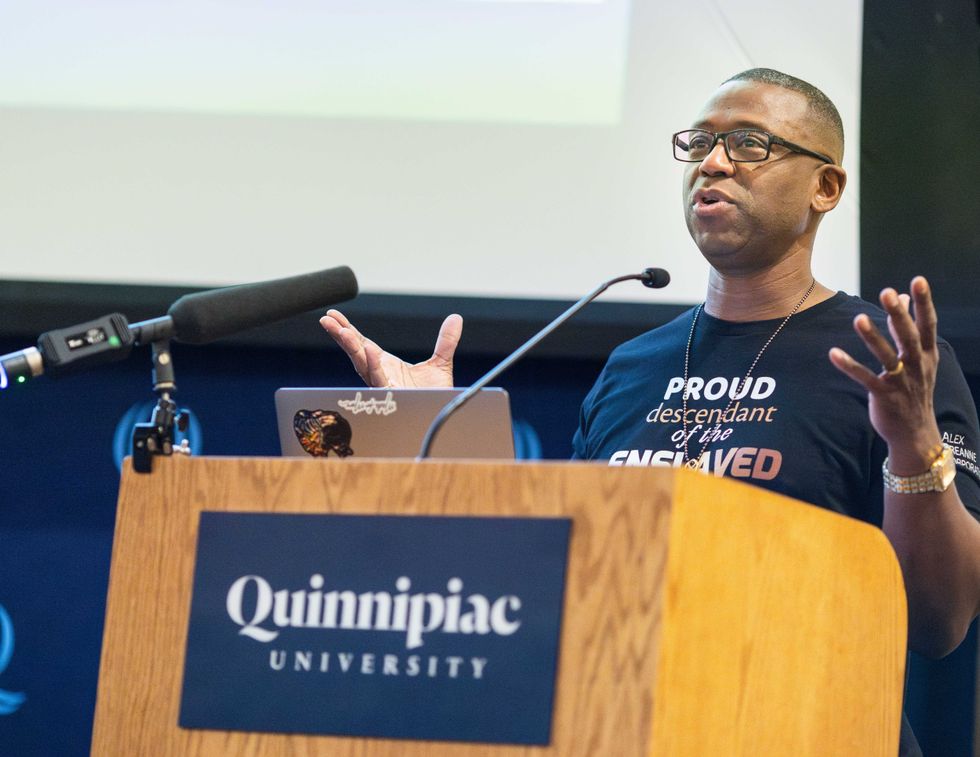 John Mills speaking at Quinnipiac University.Courtesy the Alex Breanne Corporation
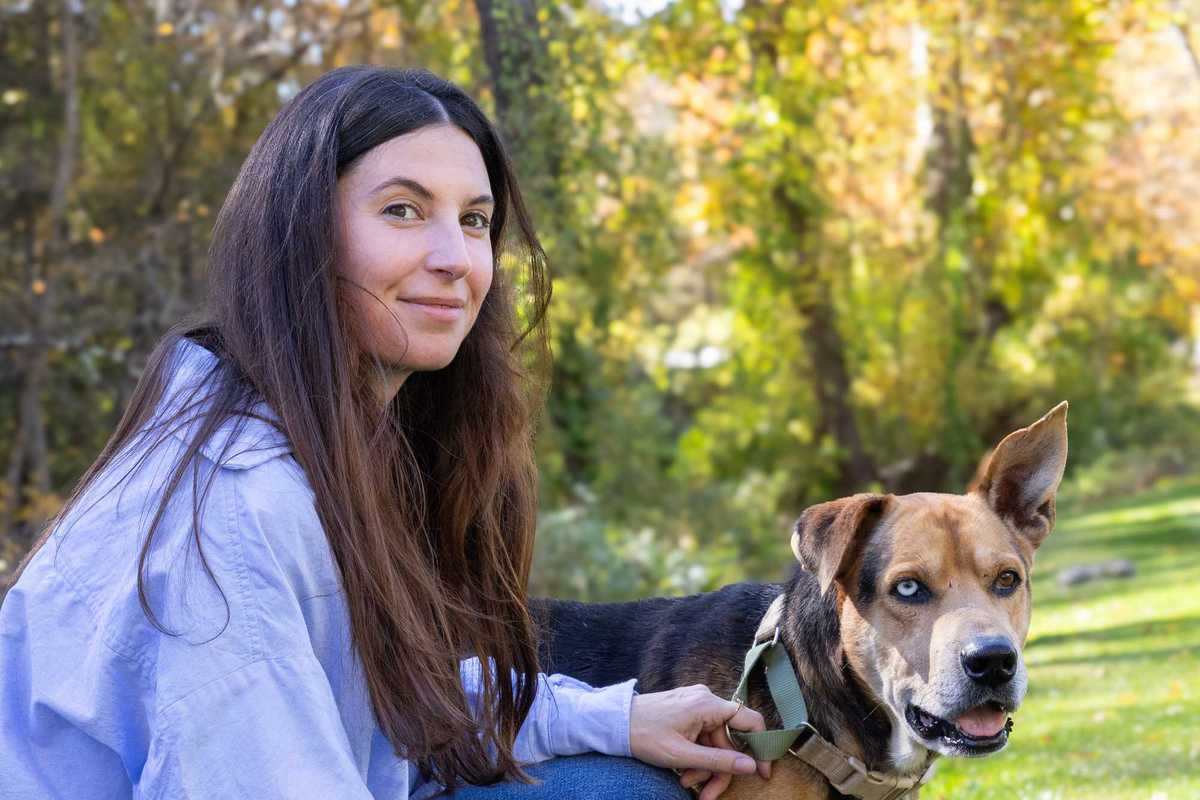
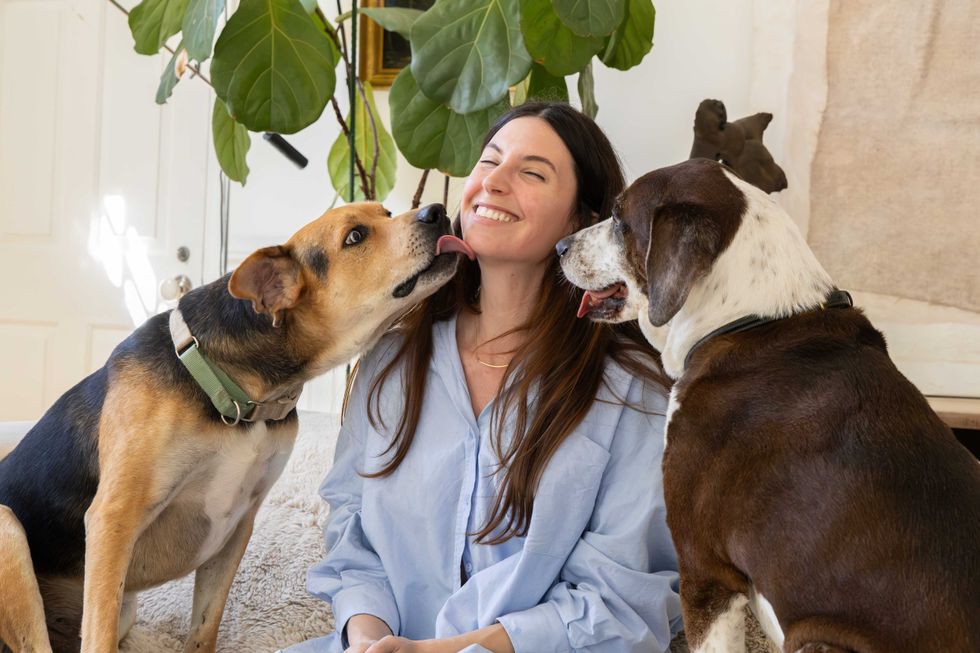 Stephanie Saetta,with her rescue dog George and Blue (left), a shepherd mix awaiting his forever home.Madi Long