Thank you!
Your gift keeps The Millerton News in our towns.

For Connoisseurs Of the Mystery Genre: The Locked Room Tale

For Connoisseurs  Of the Mystery Genre: The Locked Room Tale
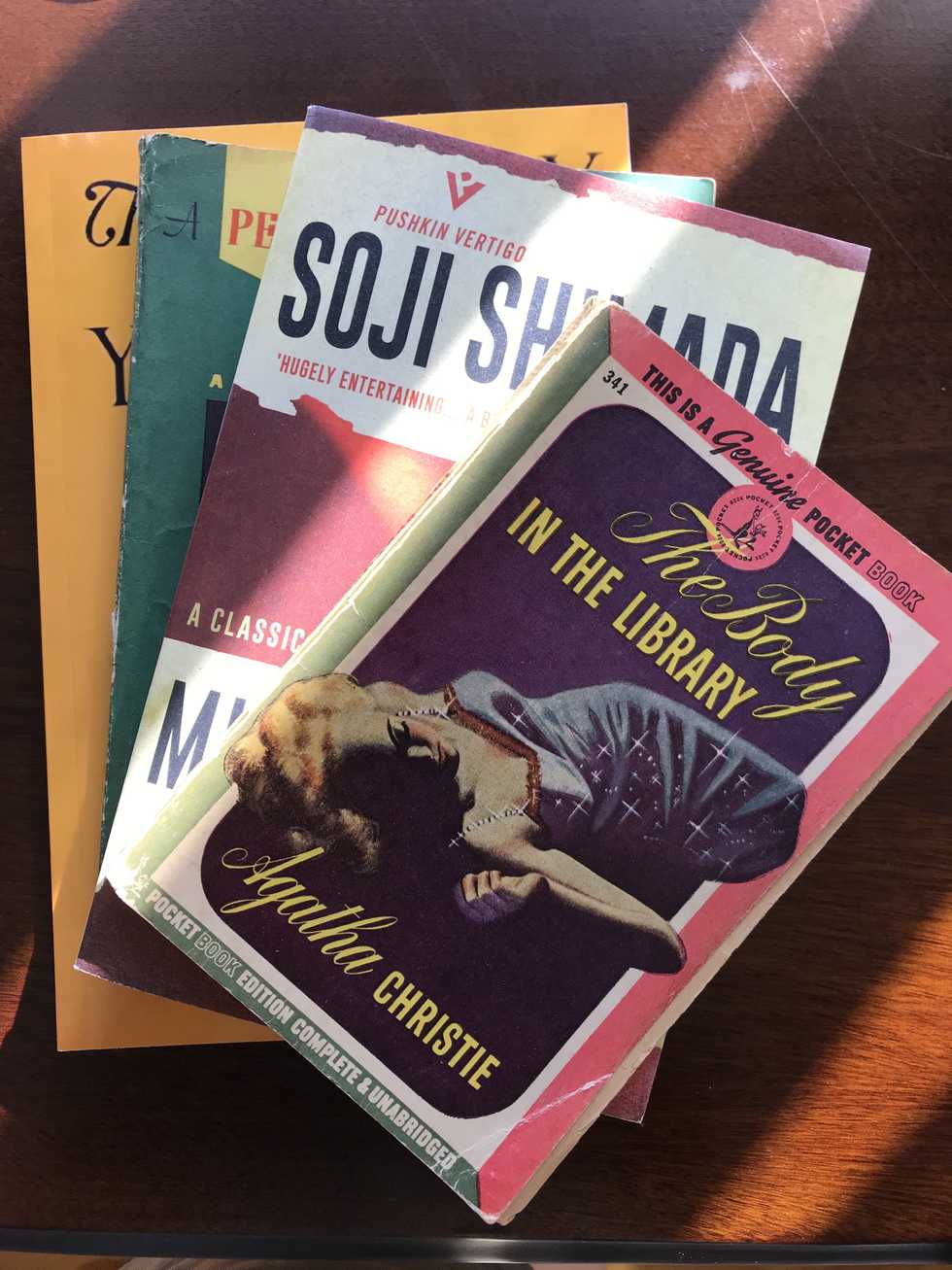
Locked room mysteries are perhaps the most perfect type of tale to read during a quarantine. Photo by Cynthia Hochswender

For the avid detective fiction fan, there is no puzzle more alluring than a locked room mystery. In its simplest form, it is a crime (usually a murder) that has been committed in a room sealed from the inside with no way out (and in theory, no way in). 

How did the perpetrator enter and escape? Solving the mystery now becomes not only a whodunnit but a howdunnit. 

“Locked room” is a term that is often used not just for crimes committed in a literal locked room but also for any crime done under seemingly impossible circumstances,  where it appears the criminal had no way of leaving the scene (or entering it). 

For example: A dead body is found outside in the snow. There is no weapon near the body and no footsteps can be seen anywhere around it. 

This could be considered a “locked room” murder, even though it does not take place in a room at all, because there appears to be no way for the crime to have been committed without the criminal vanishing into thin air afterward. 

Like the armchair sleuth, the murder (or theft)-at-a-manor-party, or the inheritance-hungry family, the locked room mystery is one of the many tropes that furnishes detective fiction. They have a long and resplendent history within the genre — with “The Murders in the Rue Morgue” by Edgar Allan Poe often credited as the first murder mystery novel, as well as a locked room tale. 

It’s a plot device that has been used by writers around the world, by Japanese crime writers  (“The Tattoo Murder Case” by Akimitsu Takagi and “Murder in the Crooked House” by Soji Shimada), Scandinavian writers (“The Locked Room” by Maj Sjöwall) as well as by Agatha Christie in England (“The Murder of Roger Ackroyd” ) and Ellery Queen in America (look for “The King Is Dead”), with the acknowledged master of the sub-genre being John Dickson Carr, who is famous for his tricky “howdunnits” (look for “The Hollow Man” if you’d like to try one).

Mystery fans love them because it’s always more satisfying to solve a puzzle that looks impossible — but isn’t. 

An important aspect of the locked room mystery is that it has to be solvable with a rational solution. Mystery fans will give thumbs down to any tale that ends with the perpetrator having the ability to walk through walls using magic or something like that. 

The most ingenious mystery authors have found lots of different ways that these seemingly impossible crimes could be achieved — mechanical traps, hidden entrances, delayed deaths, suicides made to look like murders. 

And the greatest of them will provide you with all the clues you need — and then still deliver an ending you never saw coming. 

Many of the greatest locked room mysteries were written in the Golden Age of Crime Fiction, which roughly includes the 1920s and 1930s. Picking up a vintage paperback mystery can provide not only the fun of solving a crime in the safety of one’s home; it can also transport you to another era.

Another way to enjoy good old-fashioned crime fiction in the safety of your favorite armchair: Radio theater from The Two Of Us Productions  in Copake, N.Y., which presents thrillers by golden age writers in an old-time radio format.  The theater will sometimes dramatize John Dickson Carr tales. So far the schedule for this autumn includes The Shadow in “The Case of The River of Eternal Woe,” and  “My Dear Niece,” both on Sept. 5; “Acting Like A Forger,” a Dragnet police story, is on Oct. 3. Additional tales are expected to be added to the schedule. 


For information on the tales, and to find out how to tune in, go to www.thetwoofusproductions.org.
Latest News

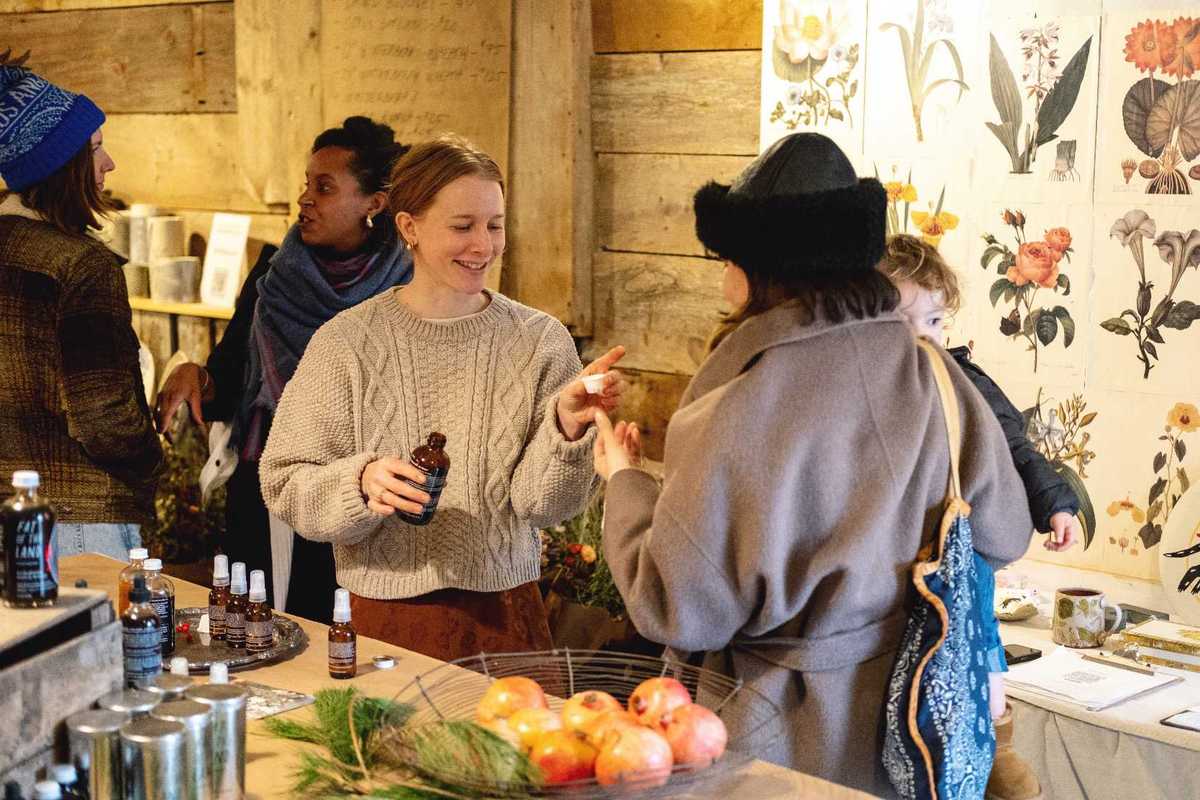
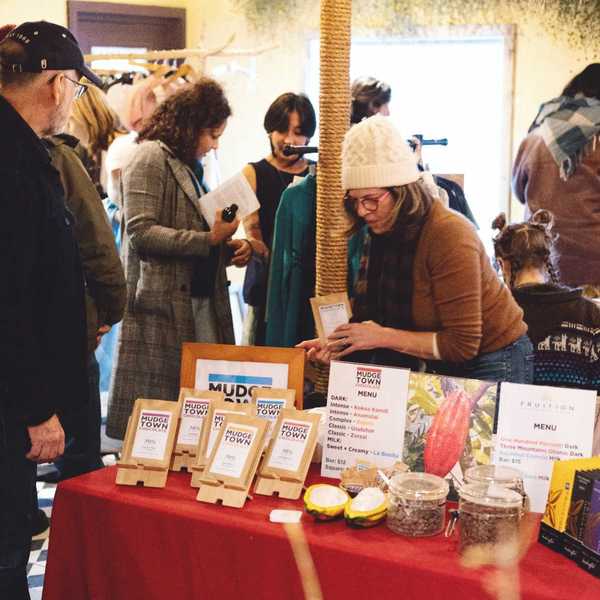
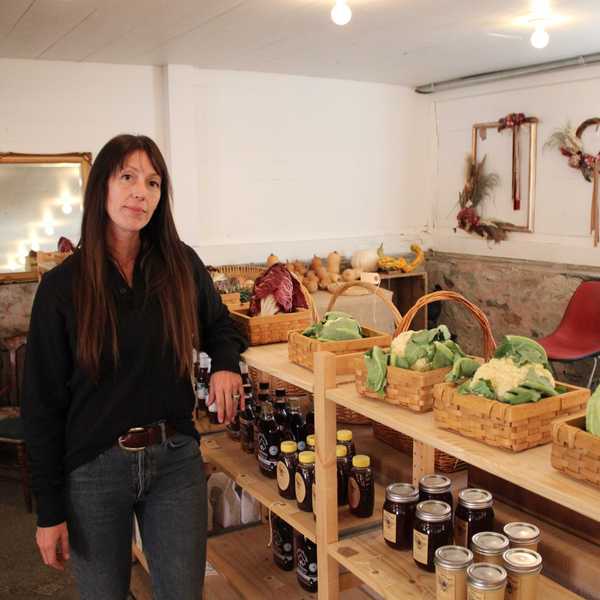
Farm & Friends: a holiday market that gives back

The Farm & Friends holiday market returns Nov. 21 and 22, featuring local makers, food producers and seasonal gifts.

Provided

According to PBS, “More than 5 million people have lost their Supplemental Nutrition Assistance Program, or SNAP, benefits since President Trump’s so-called One Big Beautiful Bill passed last year.” Combined with rising costs and new eligibility requirements, these cuts have placed additional pressure on families struggling to make ends meet. As more people turn to food banks and pantries for assistance, local farms are playing an increasingly important role in meeting that need. Hungry Reaper Farm in Morris, for example, supplies food and CSA shares to a variety of nonprofit organizations and schools.

In Dutchess County, The Webatuck Valley Farm Collaborative is working to strengthen the pipeline from farms to foodbanks. Led by Rock Steady Farm, Sweet Freedom Farm and Wildseed Community Farm and Healing Village, the collaborative hopes to double the infrastructure capacity for at least 15 local farms. This will allow them to increase supplies for food pantries and regional schools while expanding the farms’ reach to industrial buyers and distributors. By their estimation, the food hub “will supply and impact 9 school districts, 13 food pantries, and partner with 6 institutional buyers and 8 aggregators and distributors.”

Keep ReadingShow less
google preferred source

Want more of our stories on Google? Click here to make us a Preferred Source.

Under the big top at Full Circus Farm

Under the big top at Full Circus Farm

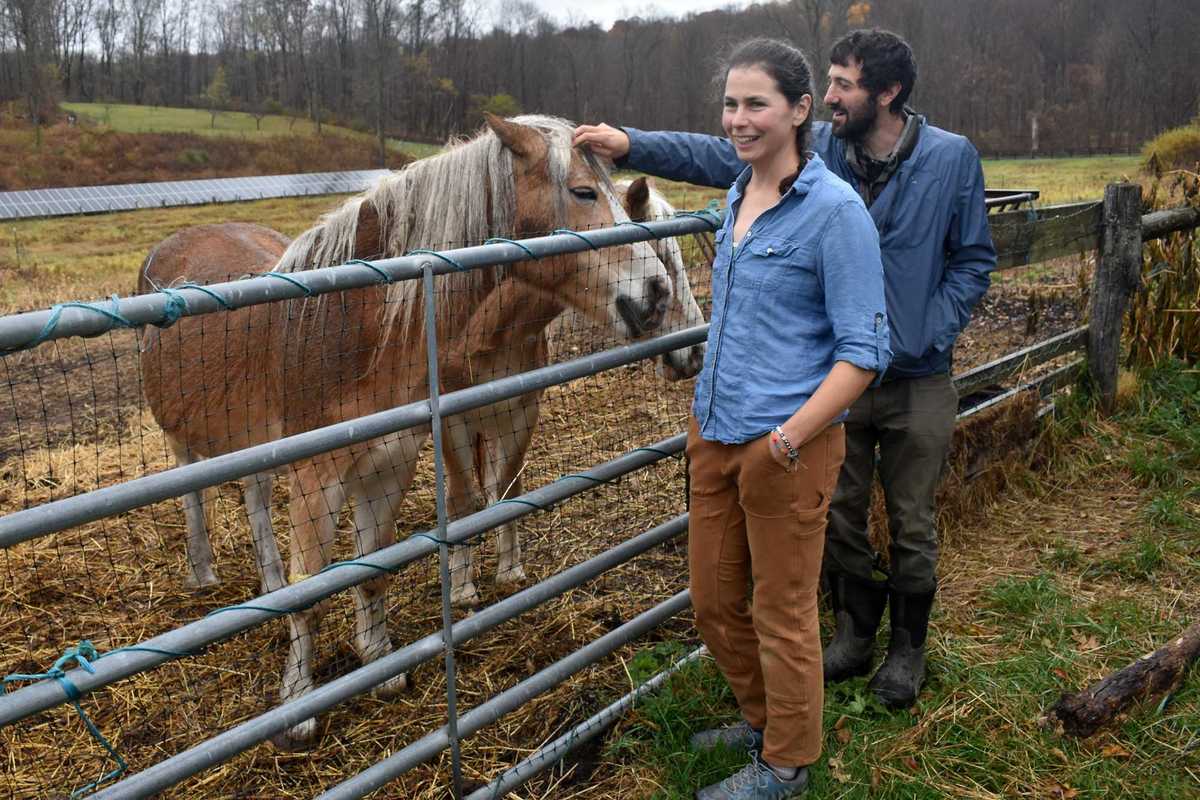
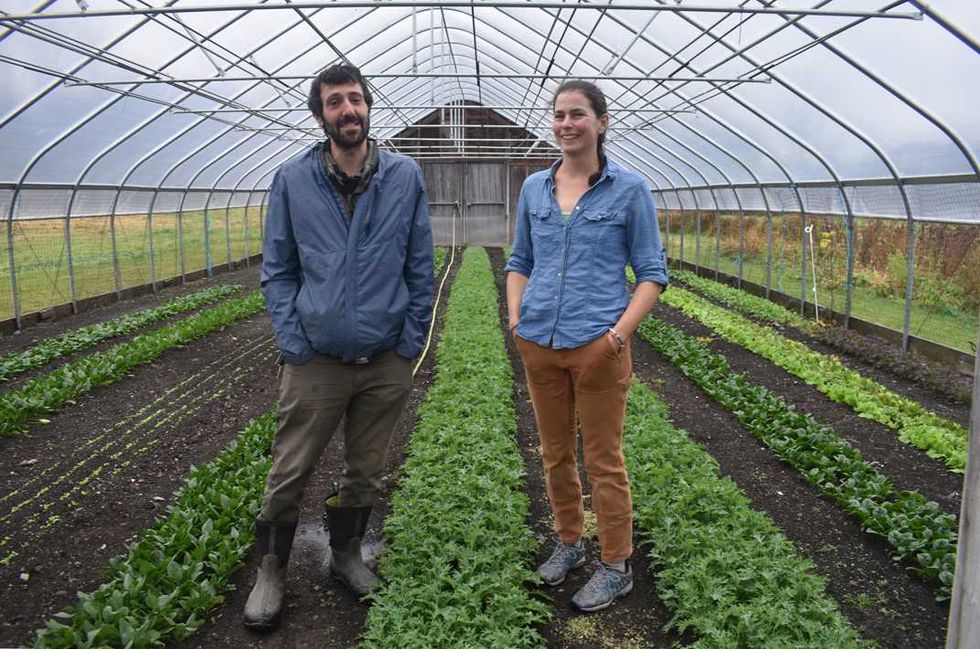
Miriam Goler and Mark Stonehill with their Haflinger horses, Sunshine and Sandy, at Full Circus Farm in Pine Plains.

L. Tomaino
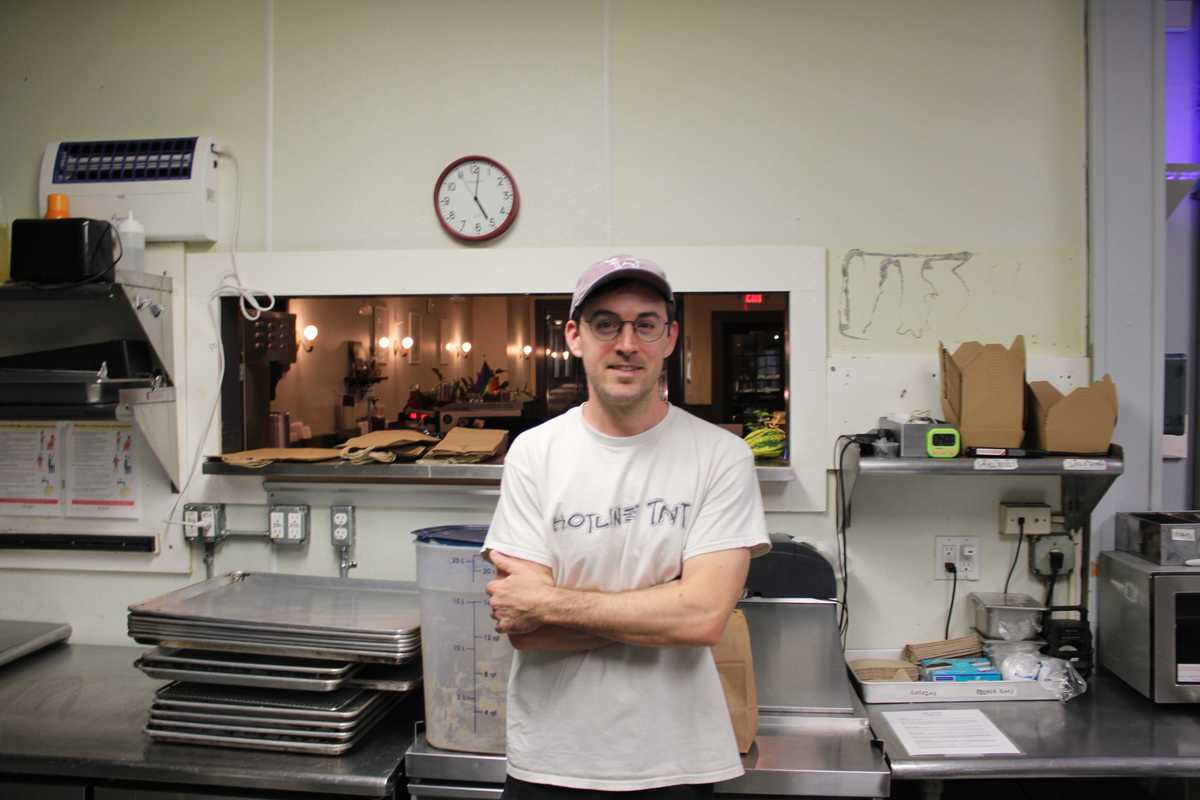
We share this farm with such amazing human and nonhuman neighbors.
— Mark Stonehill

For Mark Stonehill and Miriam Stonehill Goler, the founder of Full Circus Farm in Pine Plains, farming has always been about more than what comes out of the ground.

“From the very beginning, we’ve envisioned the farm as a place not only for food production, but also merriment and community,” they said.

Keep ReadingShow less
At Ancram Center, community takes center stage
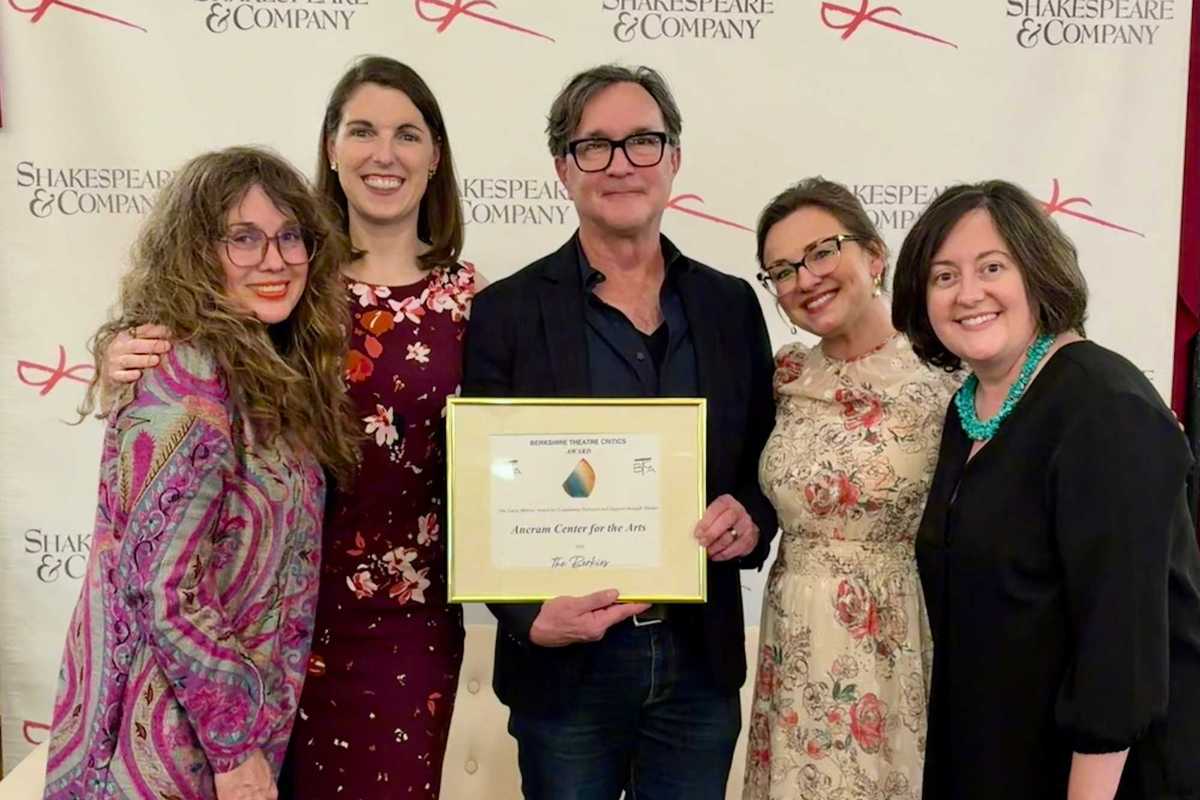
Ancram Center staff and teaching artists after the ceremony.From left to right,Simone Stevens, Sarah Katan, Jeffrey Mousseau, Erin Krom and Chris McCoy.
Provided

At the Ancram Center for the Arts, the stage has been host to numerous award winning professional actors, but it also often belongs to a neighbor with a story to tell. Other times, the performance moves out of the theater altogether, transforming a pond, a field or a corner of town into a stage.

That commitment to bringing theater into the community — and the community into the theater — has earned the Ancram Center the Larry Murray Award for Community Outreach and Support through Theater, one of the Berkshire Theatre Critics Association’s annual Berkie Awards.

Keep ReadingShow less
The Cornwall Whale resurfaces in West Cornwall

The Cornwall Whale is the brain-child of visual and experiential designer Lindsay Stadig.

Provided

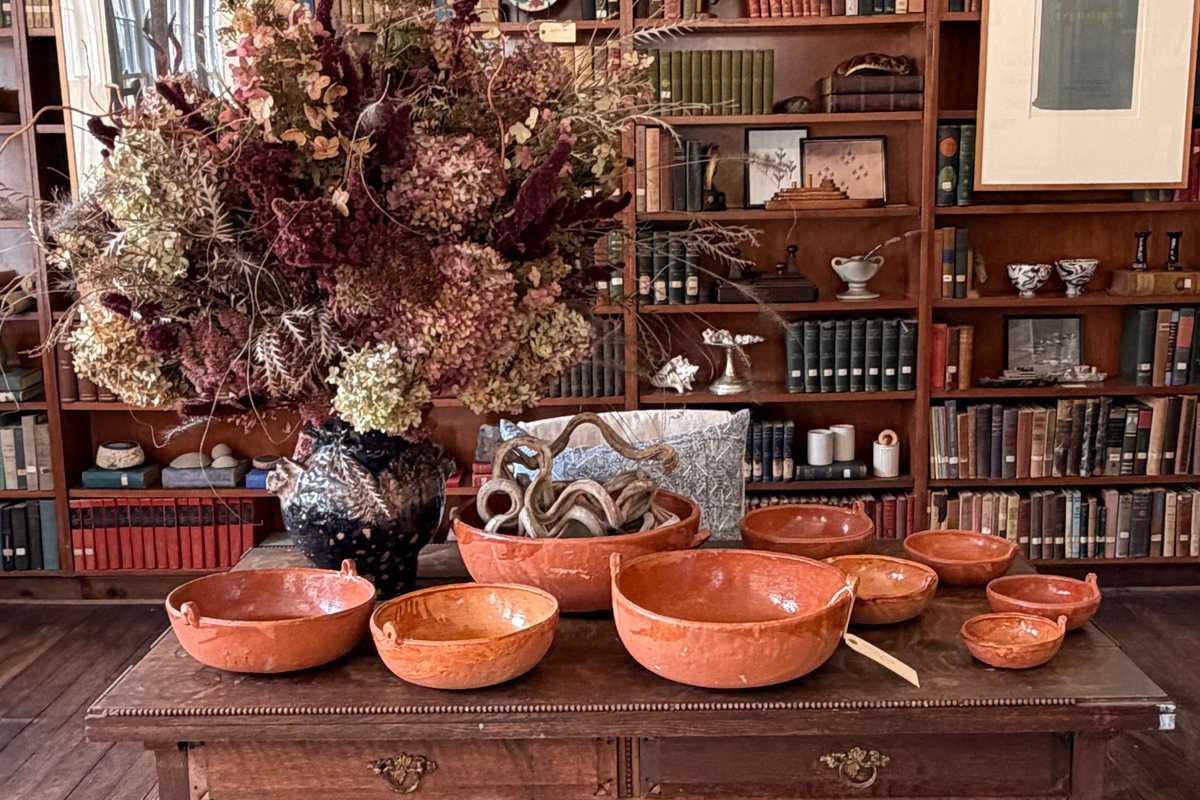
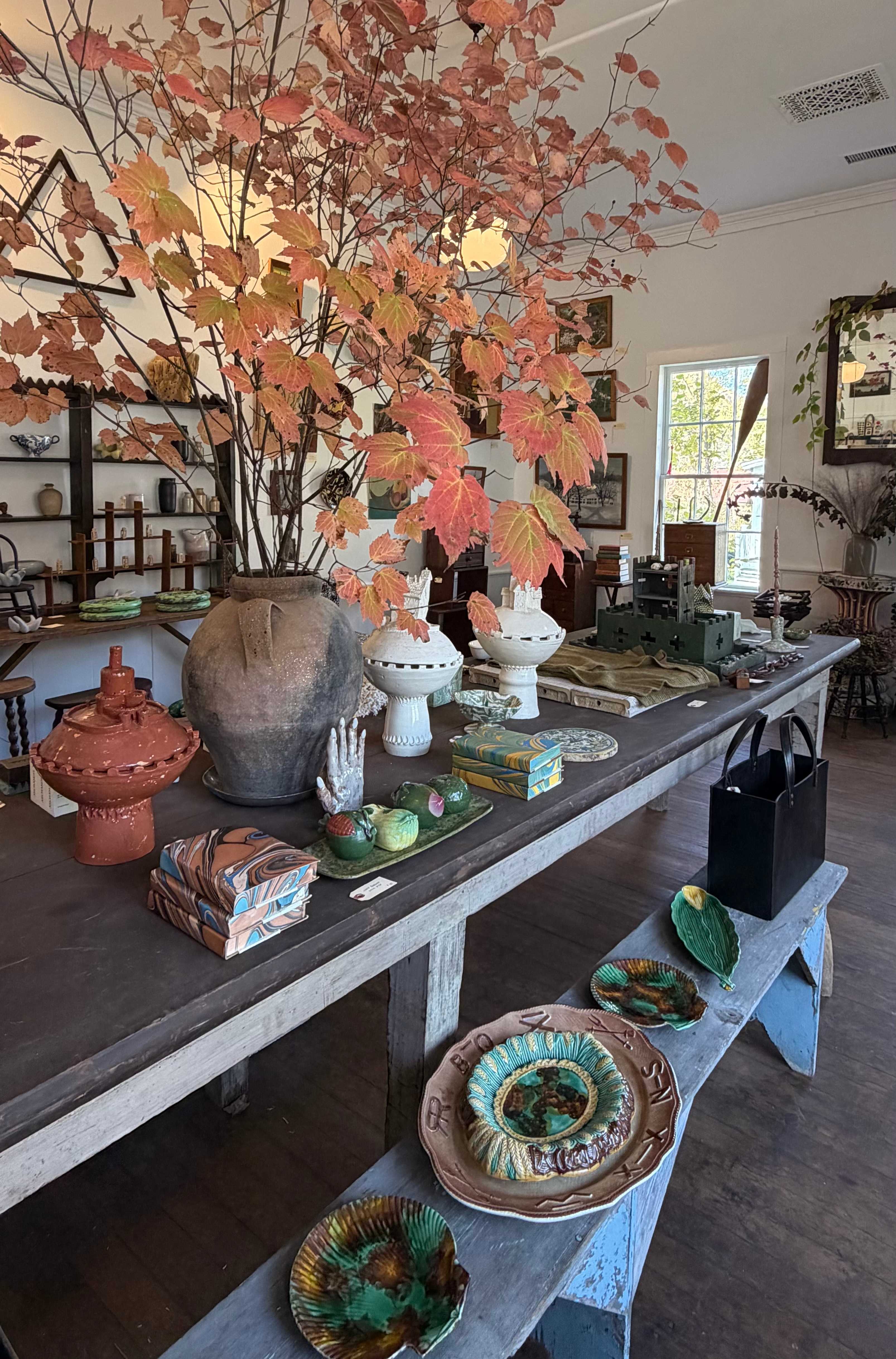
There’s something oddly familiar yet intangibly foreign about the Cornwall Whale. It’s not an interiors store, even though there are chairs and furnishings for sale. It’s not an art gallery, though there are paintings and sculptures occupying every corner of the space. It’s not a boutique, even with locally handmade shoes and carefully selected garments. No, The Cornwall Whale is something truly unique in the world of the truly unique.

The enigmatic shop popped up in the early winter of 2025 at the Hughes Memorial Library, right on the bank of the Housatonic River in West Cornwall. It is the brain-child of visual and experiential designer Lindsay Stadig.

Keep ReadingShow less
google preferred source

Want more of our stories on Google? Click here to make us a Preferred Source.

google preferred source

Want more of our stories on Google? Click here to make us a Preferred Source.