The Columbia County Board of Supervisors are imposing a 3-month moratorium on automatic license plate readers. The unanimous vote came after a request from Columbia County Sheriff Jacqueline Salvatore to pause the county’s use of the Flock cameras.
“The pause will allow the county to resolve questions about camera placement, finalize contract revisions and refine the office’s policy governing the technology's use,” the Sheriff’s Department said in a statement.
Columbia County’s relationship with Flock has followed a pattern similar to that of Dutchess: property line disputes, opposition from residents, and privacy concerns have led to this moment. Whether Columbia County joins Dutchess in killing the cameras completely remains to be seen.
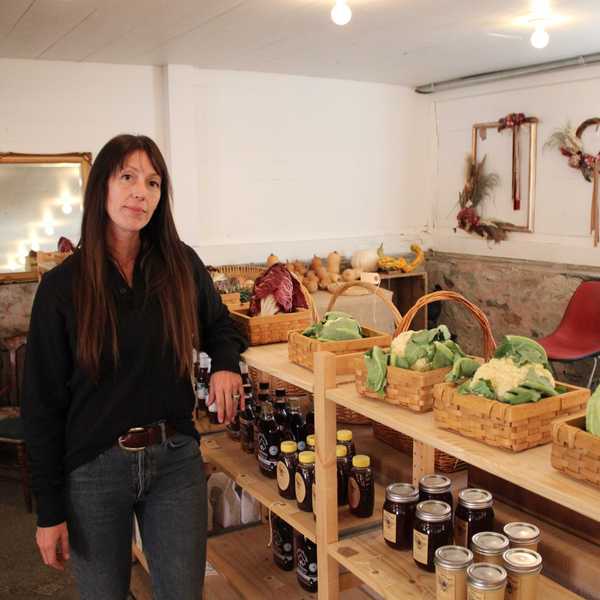
"The three month moratorium is a good start," said Hudson Mayor Joe Ferris. “Flock has no place in Columbia County. This is a company that has lied repeatedly about what their technology is used for and what is done with the data they collect.”
New Lebanon supervisor Tistrya Houghtling also released a statement. “If Flock fails to meet these requirements during the three-month moratorium, I intend to introduce a resolution calling for an outright ban on Flock cameras in Columbia County.
“Flock must agree to meaningful changes to its memorandum of understanding," the statement continued.
A memorandum of understanding is not legally binding, but usually sets broad terms of agreement that are formalized in a contract. The county's memorandum of understanding with Flock Safety gives the company numerous rights and unchecked access to the data collected by their cameras.
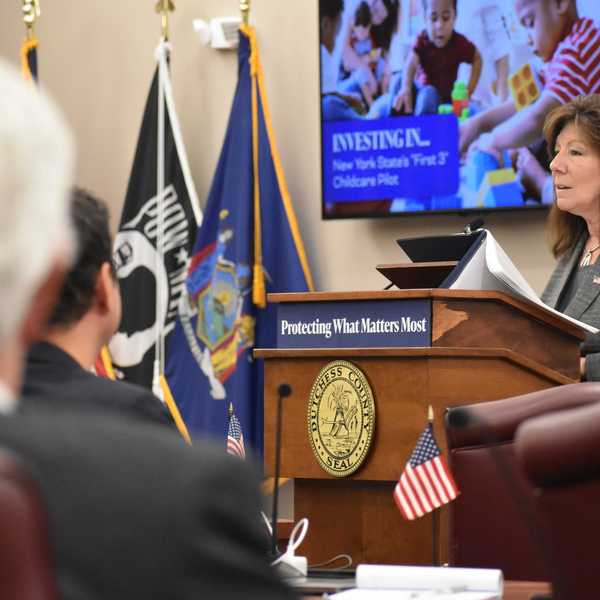
The MOU was the subject of recent State Assembly testimony by Columbia County’s own Michael Chameides. Chameides is the co-Executive Director of the Columbia County Sanctuary Movement, and on Monday, Nov. 9, he gave testimony as part of an Assembly Public Hearing on Automatic License Plate Reader Systems.
Chameides pushed for comprehensive, statewide legislation to regulate the technology. He also revealed details about the county’s MOU with Flock.
Columbia County’s contract with Flock states that the company “retains the right to use [the data] for any purpose, at Flock’s sole discretion.”
The Columbia County MOU gives Flock the right to use the data as it sees fit, and caps Flock’s liability in case of misuse at $100.
He went on to recommend that New York require municipalities to hold a public hearing and local vote before advancing contracts with ALPR manufacturers. “That should be the baseline,” Chameides said. “Before you’re paying for these ALPRs, I recommend you put in some basic safety recommendations.”
“New York is the biggest purchaser of ALPRs in the state,” said Chameides. “It was a mistake that they pushed the system before they put in safeguards. They really should have put in safeguards first.”
Chameides’ testimony was part of a series of panels regarding automatic license plate readers in the state. Gathered lawmakers, including local Assemblymember Anil Beephan, heard testimony from district attorneys, law enforcement officials, and privacy advocates about the drawbacks and advantages of the technology.
In northern Dutchess, Flock cameras in Amenia, Millerton, Pine Plains, and Milan were removed last month. Chameides cited Pine Plains as a particular case of “procurement concerns” — in February of 2026, a contract between Flock and the town of Pine Plains was cancelled after a retiring police officer agreed to install the cameras, and site markers began appearing in town. “This is a common pattern around the state,” said Chameides. A similar situation played out in Columbia County—the sheriff at the time, Sheriff Don Krapf signed a contract for 10 Flock cameras in 2024. Columbia County’s Board of Supervisors were not consulted. “We had a loophole that they were able to exploit.”
But despite the nominal ban, Dutchess County’s Sheriff’s department still uses at least one Flock product.Dutchess County’s decision to deactivate the cameras does not mean they’re abandoning the technology. The Sheriff’s Department is still using a program called Flock OS to “integrate systems,” according to Captain John Watterson of the Dutchess County Sheriff’s Department. It allows law enforcement to connect various cameras into one platform.
New York is currently considering several pieces of legislation to regulate ALPRs. State Senator Michelle Hinchey introduced Senate Bill S9890A in September, which would ban the sale of ALPR data to private entities, block out-of-state license queries, and require auditable access logs. The bill is currently being debated in committee.
Assembly bill A00907A, first introduced in 2025, would have required police departments to develop minimum standards governing the use of ALPR systems. The legislation did not pass.
Speaking after the hearing, Chameides said his primary concern was the way civilian data was being shared and sold through the ALPR system. “They can monetize the data for their benefit…nobody should be able to sell our data without our consent.”
“Any moment you can backslide,” said Chameides. “There could certainly be another contract or a different company that can have these problems
“Even the people who were most excited about using surveillance technology understood that we need to put in safeguards,” he said.
The full public hearing can be viewed at nyassembly.go/av/hearings.




 Illustration by Nathan Miller


 White plates for the win! The food will be the star while seasonal herbs make for fragrant decor.Kerri-Lee Mayland
 Shop the house! A favorite bowl or pitcher from your travels, a ceramic bowl your child made, use a wooden vessel for fruit that can become part of the centerpiece.Kerri-Lee Mayland
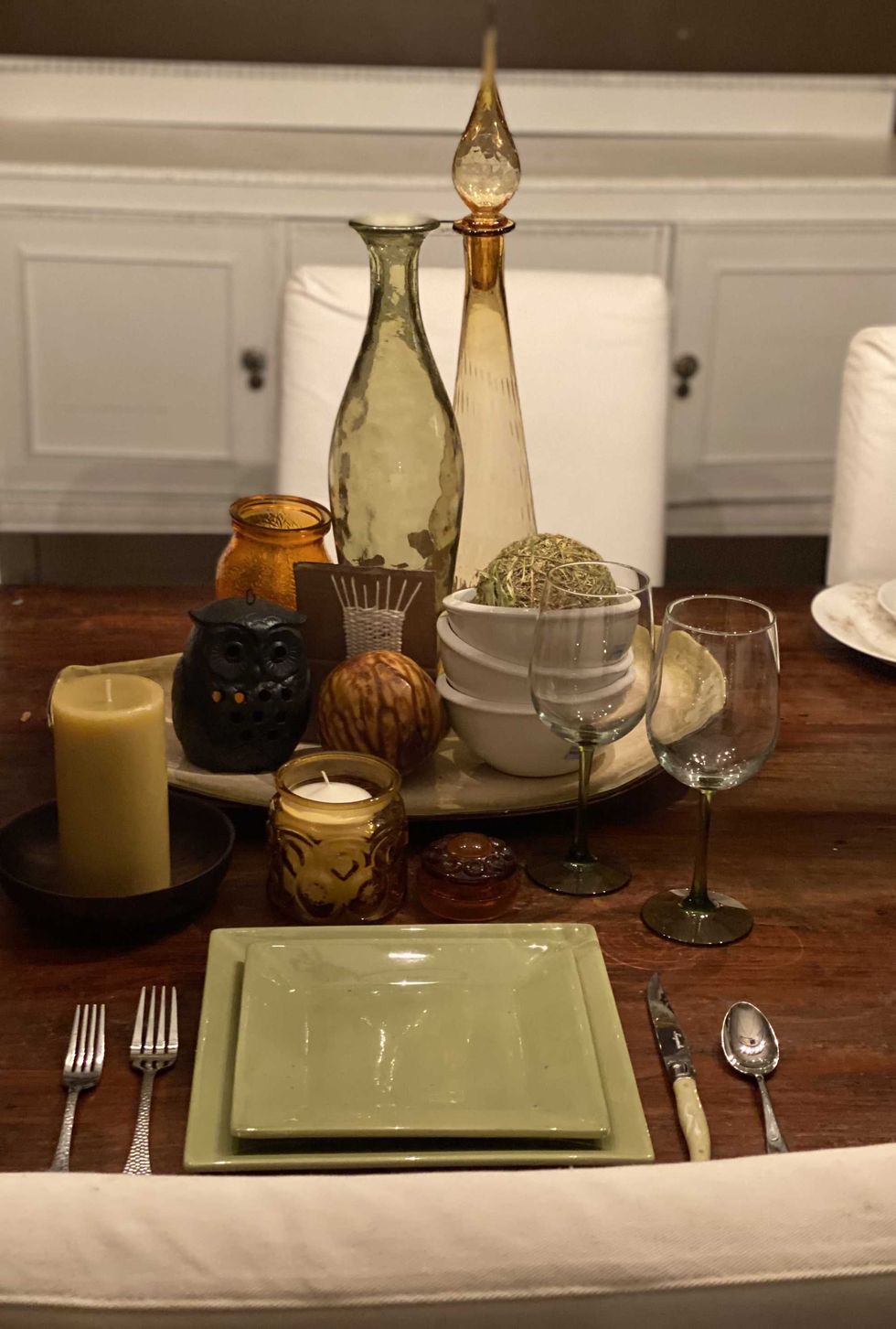 Thrifted mismatch! Gather unique unexpected things and cluster them for a fun centerpiece.Kerri-Lee Mayland