Thank you!
Your support is sustaining the future of local news in our communities.

Nancy Flanigan Schultz returns to her roots

Amenia Free Library talk

 Nancy Flanigan Schultz returns to her roots
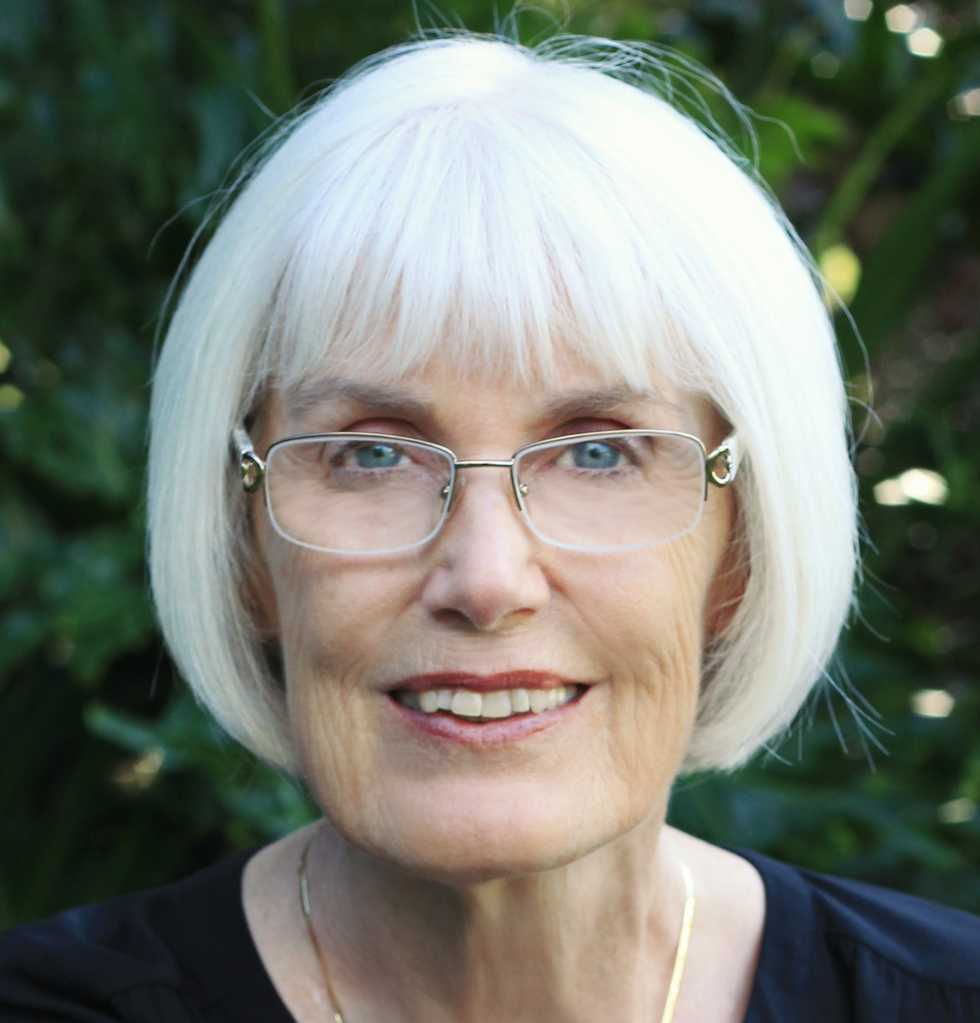
Nancy Flanigan Schultz Photo submitted

AMENIA— Nancy Flanigan Schultz is fascinated by genealogy. She’s so interested in the subject, in fact, that the multi-generational Amenia native who now lives in The Villages senior residence in Florida wrote a book about her family in America. She will return to Amenia on Sunday, Sept. 25, at 2 p.m. to make a presentation at the Amenia Town Hall.

Flanigan Schultz will discuss her recently published book an the 25th, and share the tale of her Irish immigrant ancestors who emigrated to the U.S. to escape the Irish Potato Famine, which took place between 1845 and 1849.

Flanigan Schultz spent 10 years researching her lineage with The Villages’ Genealogical Society, the Florida State Genealogical Society as well as with the Amenia Historical Society. She said these days, learning about one’s family tree is easier than ever.

“Nowadays, with computerization, so many people start the same way. They subscribe to ancestry.com and build a tree,” she said. “Trees are the skeleton of what you have to learn about your family. After a while, you get very interested in what these people were like and what they lived through.”

The first-time author said she never knew before this project that her “people were famine immigrants; I didn’t know anything beyond my grandparents.”

She said she “took it back as far as I could, according to an expert in Irish genealogy; I checked with her and I went back to 1829.”

Noting that many Irish families that moved to the U.S. have to be tracked through their property leases and rent payments, she said one thing that surprised her was that her ancestors “lived in the tenements of New York City. It was varied, because they dribbled up to Amenia at slightly different times, starting in the early 1860s. But they lived in tenements for five to six years, and tenement life very difficult.”

Flanigan Schultz said most of the immigrant community was illiterate, making her research even more challenging.

“They didn’t write journals and notes on what happened to them,” she said. “What is available, is the social history for a lot of what happened during that time.”

Much of her book’s history is from those community accounts, which Flanagan Schultz said she wrapped into her story line.

During her local research, she met some new local branches of the Flanigan family. A number previously lived unbeknownst to her right in her hometown of Amenia.

Of the handful of Flanagan family farms that operated back in the mid- to late-1800s, the author said one continues to operate, under the auspices of the Coon Brother Farm in the Smithfield area of Amenia.

Flanigan Schultz said there are dozens of dozens of the family descendants in Dutchess County today, but only eight in Amenia who descended from [my great, great Grandfather] John.”

To listen to Flanigan Schultz talk about her book, “Flanigans in Amenia: The Irish Famine Immigrant Experience,” stop by the Amenia Town Hall on the 25th, located at 4988 Route 22.

This article has been corrected to note that this event will take place at the Amenia Town Hall, not the Amenia Free Library as originally reported.
Latest News

A life reshaped by clay in “Matin”

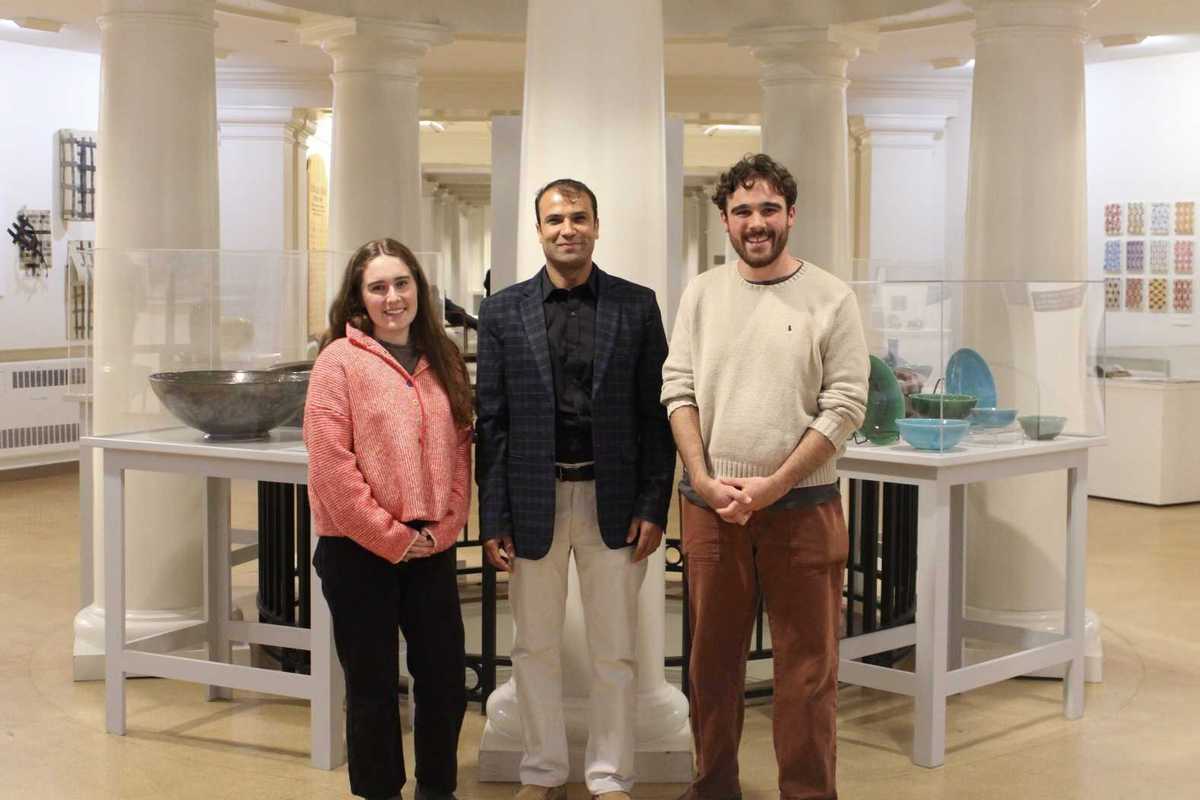
Left to right: Hannah Wheeler, Matin Malikzada and Yonah Sadeh.

D.H. Callahan

On Monday, Oct. 26, a group of students, teachers and local residents gathered at the Hotchkiss School in Lakeville for a screening of the new short documentary “Matin.” The film tells the story of Matin Malikzada, a seventh-generation Afghani potter making a new life in New Milford, Connecticut. The film was made by local filmmaker Yonah Sadeh, creator of the Video Wall at the David M. Hunt Library, and Berkshires-based potter Hannah Wheeler, who were both present for the screening, along with Malikzada himself.

As a member of the seventh generation of his family to master the art of pottery, Malikzada had done things the way his family had for over a century. Istalif, the village where his family has lived for generations, was known throughout Afghanistan for its pottery, with wares sent across the country for use as everyday cups, bowls, plates and other vessels. The pottery-making families of Istalif gathered clay from the same mountain, about 30 to 45 minutes away by donkey. Every July, they would head north toward the Uzbekistan border to gather ishkar, a plant they processed by hand to make their signature glazes.

Keep ReadingShow less
google preferred source

Want more of our stories on Google? Click here to make us a Preferred Source.

Meg Sher finds her calling among the stacks

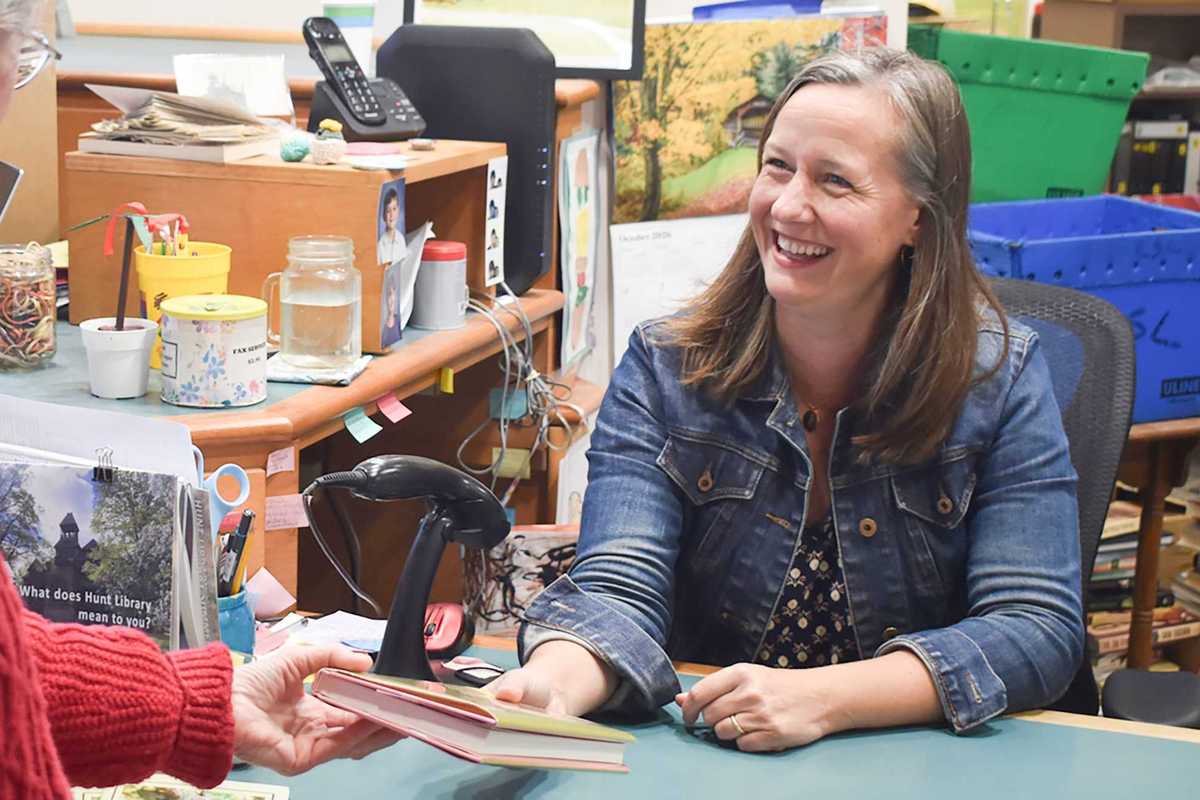
Meg Sher, executive director of the David M. Hunt Library in Falls Village.

L. Tomaino

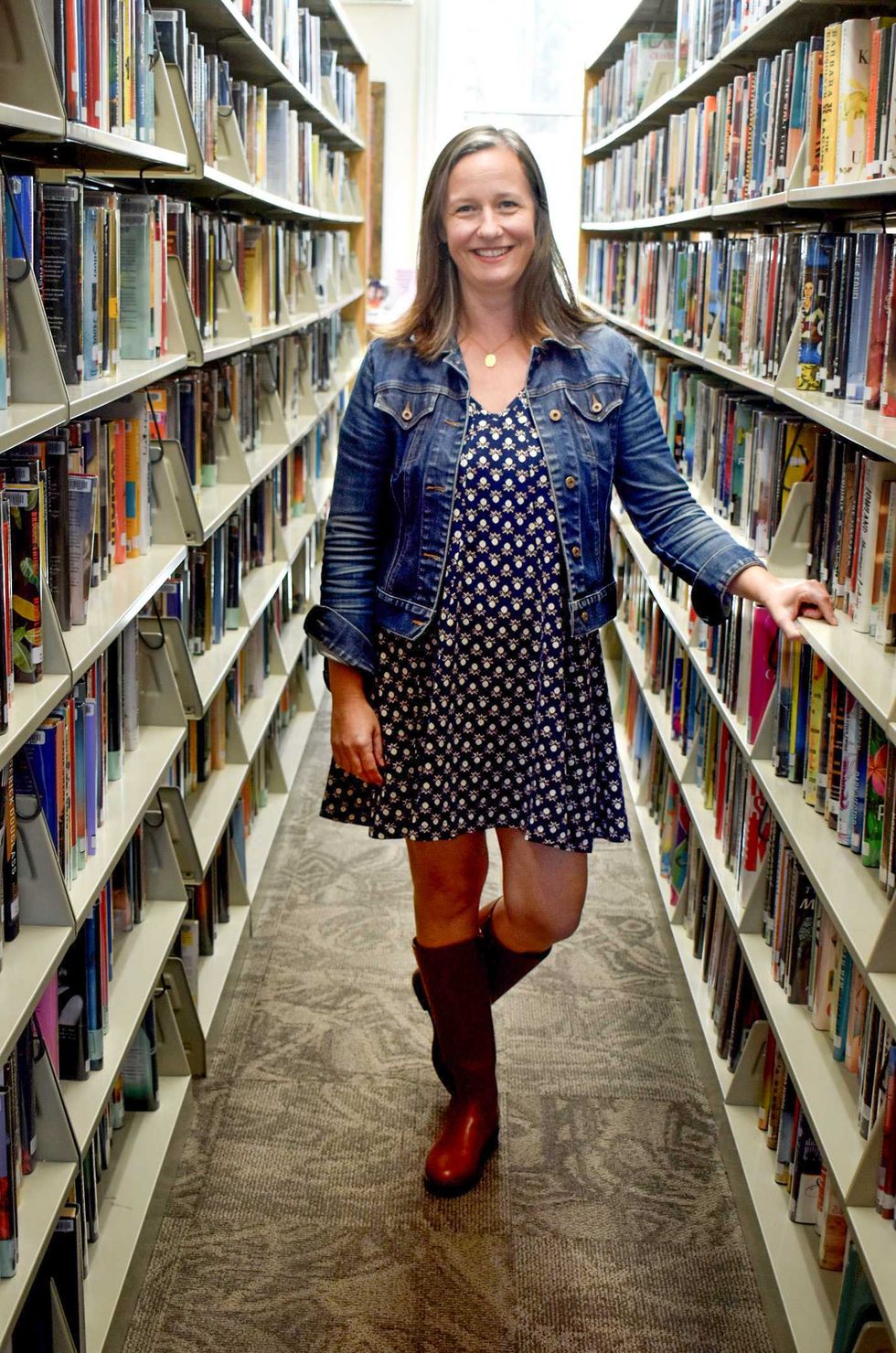
When Meg Sher came to Falls Village in 2006 from Old Lyme, Connecticut, where she grew up, she never imagined she’d someday be the executive director of the David M. Hunt Library.

Although, in hindsight, perhaps it makes sense.

Keep ReadingShow less
Crescendo’s 23rd season speaks to the heart and mind

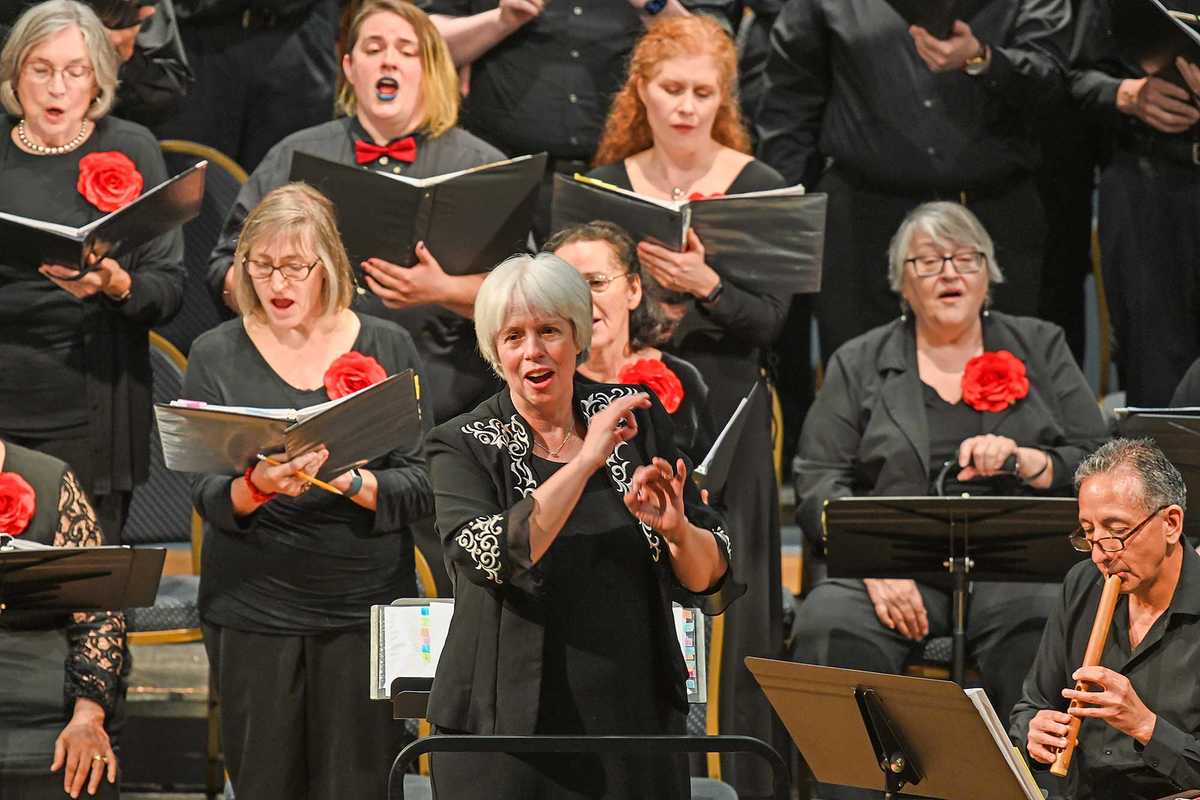
Christine Gevert, founding artistic director of Crescendo, conducts the audience at a performance.

Steve Potter

For Christine Gevert, founding artistic director of Crescendo, music from centuries past is anything but a relic. It is a living, breathing art form, full of drama, emotional complexity and, occasionally, surprises. As the regional choral and period-instrument ensemble launches its 23rd season, Gevert is once again bringing forgotten masterpieces into the present.

“Early Music has been my lifelong passion and the focus of my specialization in Europe and South America,” Gevert said. “Bringing this repertoire to our audiences in a nuanced way that does justice to its incredible depth, intensity, and beauty is deeply important to me.”

Keep ReadingShow less
Close Encounters with Music celebrates 35 years of musical discovery

Close Encounters with Music’s 35th season opens with “Saluting the Clarinet” featuring clarinetist Alexander Fiterstein.

Provided

For 35 years, cellist Yehuda Hanani has been inviting audiences to experience classical music in unexpected ways. As founder and artistic director of Close Encounters with Music, Hanani has built a concert series that goes beyond the music itself, exploring connections to literature, history, politics and the human experience.

This year, Close Encounters celebrates its 35th season with “Celebration & Discovery,” a seven-concert series that opens Sunday, Nov. 1, at the Mahaiwe Performing Arts Center in Great Barrington.

Keep ReadingShow less
google preferred source

Want more of our stories on Google? Click here to make us a Preferred Source.

google preferred source

Want more of our stories on Google? Click here to make us a Preferred Source.