Here in the Northwest Corner, many homes were built long before oversized islands became fashionable. Trying to squeeze one into a modest kitchen can leave the room feeling cramped instead of comfortable.
If you’ve ever hosted a party, you’ve probably noticed the same thing.
You can spend hours setting a beautiful dining table, fluffing pillows in the living room and arranging fresh flowers in the entry. Guests arrive, compliment your home, and then, almost without fail, everyone ends up standing in the kitchen.
If there’s an island, that’s where they’ll gather.
Kitchen islands have become the social center of many homes, but while they feel timeless, they’re actually a relatively modern invention. In colonial, Georgian and Victorian homes, you were much more likely to find a freestanding harvest table, butcher’s block or sturdy worktable in the middle of the room than a built-in island.
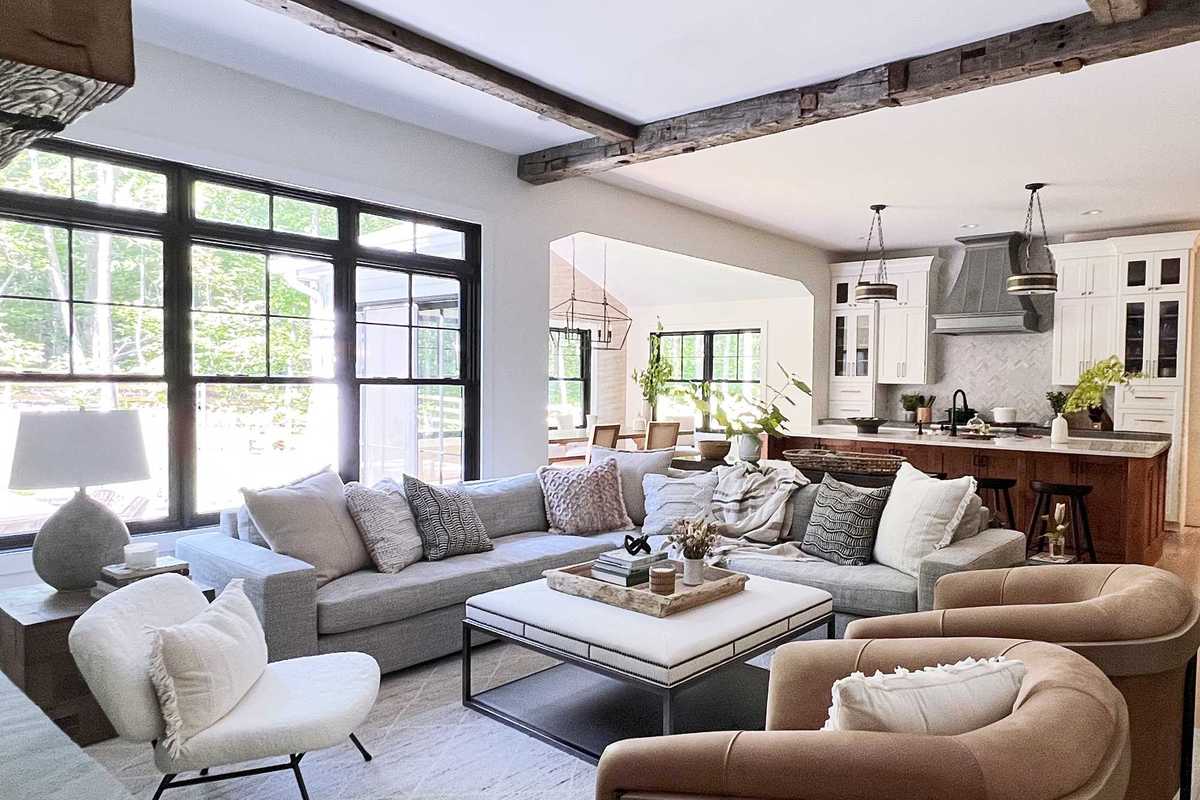
Don’t get me wrong. Islands are wonderful in the right space. They provide extra storage, generous prep space and casual seating. In many newer homes, they’re built right into the floor plan, and if there’s room, homeowners often dream of making them even larger — or adding a second one.
But here in the Northwest Corner, many homes were built long before oversized islands became fashionable. Trying to squeeze one into a modest kitchen can leave the room feeling cramped instead of comfortable.
Sometimes the better answer isn’t another cabinet. It’s borrowing an idea from the past.
When I recently gave my own kitchen what I affectionately call a “Band-Aid renovation,” I changed everything except the cabinets. I installed new countertops, a backsplash and lighting, but the biggest transformation came from what I removed.
Out went the island.
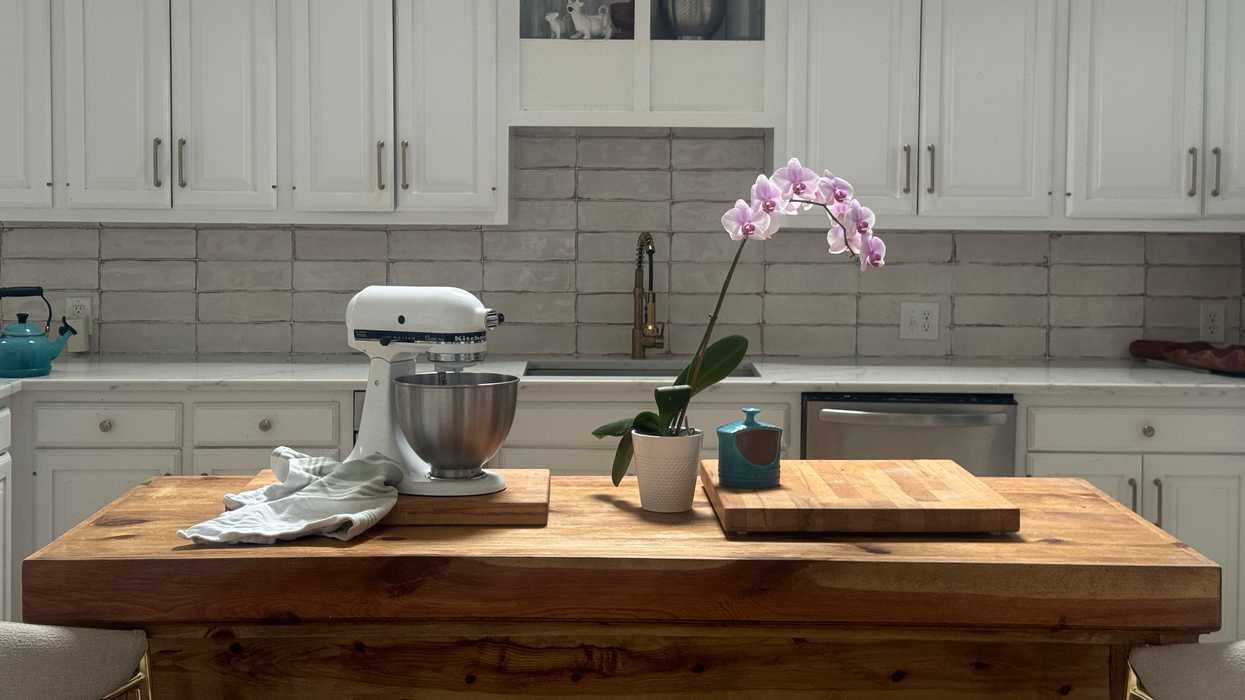
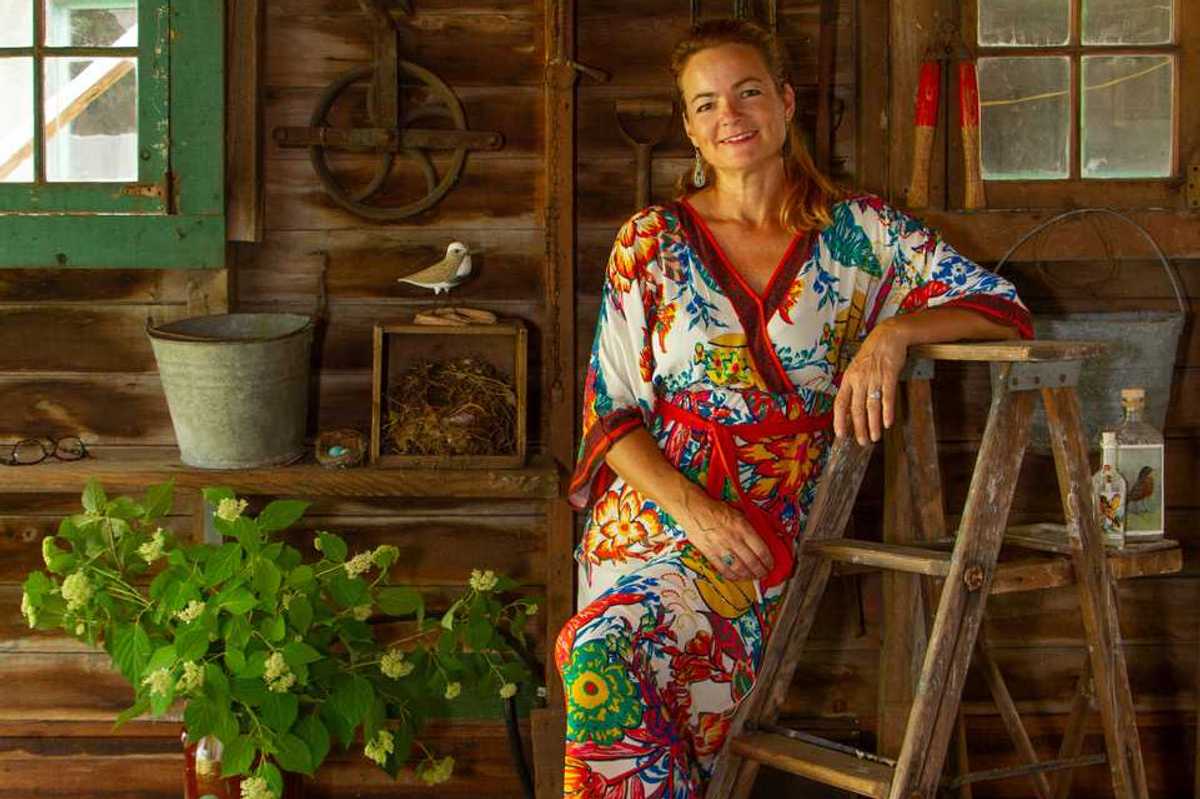
In its place, I brought in a rustic wooden worktable with deep drawers for onions, garlic and potatoes, plus an open shelf below for pots and pans. The tabletop has become my everyday prep station, while a small overhang allows friends to pull up a stool and chat while I cook. The warm wood also breaks up long stretches of identical cabinetry and stone, making the room feel instantly warmer and more collected than constructed.
If space is tight, think vertically, too. A ceiling-mounted pot rack above a farmhouse table frees valuable cabinet space while adding character. Woven baskets suspended overhead can hold herbs, linens or dried flowers, creating texture where there might otherwise be another expanse of countertop.
The beauty of a freestanding piece is its flexibility.
A butcher’s block on locking casters moves wherever you need it. A vintage library table becomes a holiday baking station. A worktable found on Facebook Marketplace can roll into the dining room during a party and double as a buffet.
I’ve helped clients do exactly that. Rather than spending thousands on a custom-built island, we’ve found beautiful antique or secondhand pieces, added wheels and created kitchens that feel personal instead of predictable.
We’re fortunate to have wonderful antique shops throughout our region, and they’re worth visiting often because inventory is always changing. Estate sales, Facebook Marketplace and even a grandparent’s barn can uncover pieces with far more character than anything ordered from a catalog. Their worn edges, scratches and patina tell stories no brand-new cabinet ever could.
Another option is something we don’t see nearly enough anymore: a kitchen table in the middle of the room. Not one tucked into an eat-in nook, but a true worktable where meals are prepared, homework is spread out, cookies are decorated and conversations naturally unfold.
The kitchen island isn’t going anywhere, nor should it. In the right home, it’s a terrific solution. It’s simply not the only one.
Whether the centerpiece of your kitchen is a marble island, a weathered farmhouse table or a rustic workbench on wheels, the goal has always been the same: create a place where people naturally gather. Because the true heart of a kitchen has never been the island. It’s the life that happens around it.
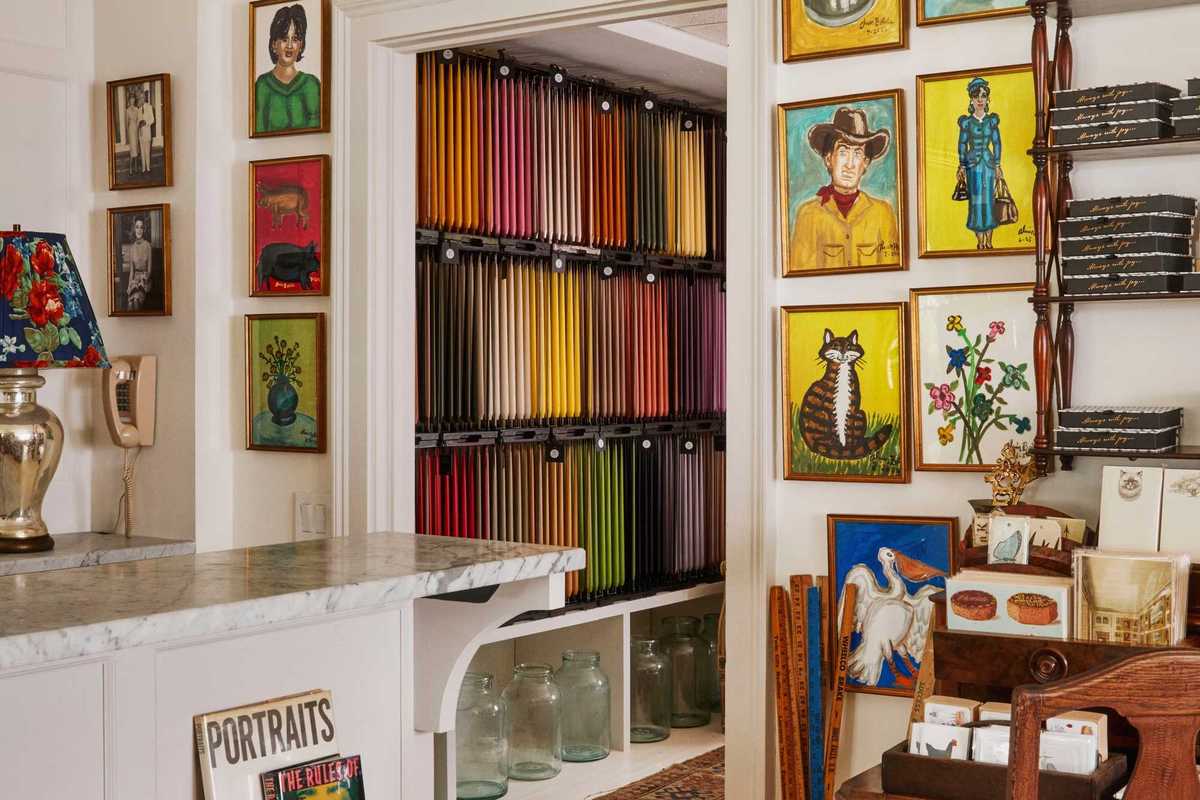
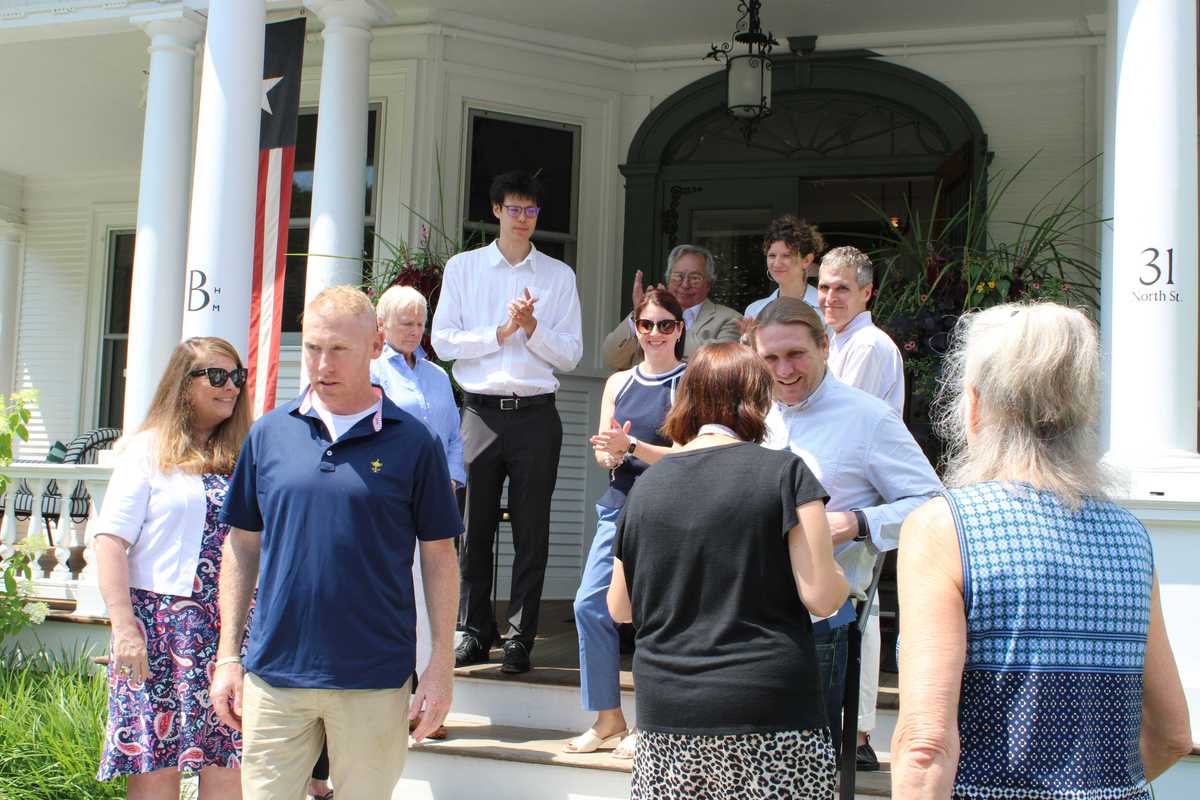





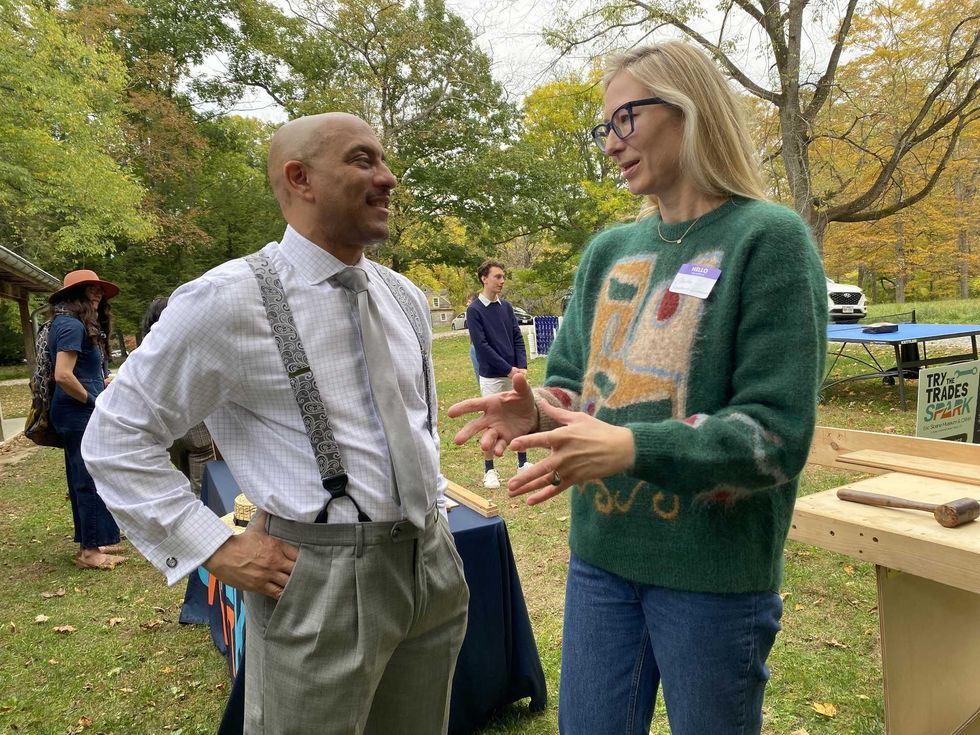 About to open the planning event for the sixth annual Troutbeck Symposium on Sunday, Oct. 4, Troutbeck owner Charlie Champalimaud spoke with guest speaker Hasan Kwame Jeffries of The Ohio State University, who has been a vital participant in the program since it began in 2021.Photo by Leila Hawken