If you’ve ever seen one of those updated episodes of Antiques Roadshow, you know a lot of old furniture doesn’t hold its value the way it used to.
Gone are the days when the Keno brothers could tell you that your great-grandmother’s old chairs could pay off your mortgage. Instead, a younger market of buyers is looking for more simply designed furniture, often in the form of factory-made pieces using more affordable materials. Think Crate & Barrel or even IKEA, versus the ornate craftsmanship of yesteryear.
The women at Pryor and Peacock — two sisters and their mother — thought that was a shame. They decided to save these carefully crafted pieces and breathe new life into them using old designs and new technology. The results are one-of-a-kind pieces of furniture, each with its own feel, design and story.
It started with a crazy idea. Interior designer Luca Shapiro, one of the sisters, was trying to revitalize an old telephone chair — the kind with a little table built onto the side for a phone and notepad. She wanted to upholster the chair with pages from a phone book. The idea was so specific, she knew she’d never be able to find the fabric she was looking for, so she began researching ways to make it herself.
What she and her business partners — a.k.a. her mom and sister — discovered was digital textile printing. The method first came about in the late 1980s, and the process has become more precise through advances in dyes, inks and the inkjet printers now used by manufacturers. Pryor and Peacock use the process both as the only practical way to achieve their specific designs and as a means of reducing waste associated with traditional furniture making.
One aspect of that waste has been a hot-button issue of late: water. According to the World Bank Group, textile dyeing and treatment account for an estimated 20% of industrial water pollution. With the onslaught of data centers, conserving water seems to be more important than ever. While P&P is a relatively small operation, which couldn’t possibly consume the levels of water being used by big data, the company believes that every drop matters.
Fast-furniture is another detrimental trend the women wanted to address. Cheaper, lighter and more convenient pieces are now favored over carefully made and designed furniture.
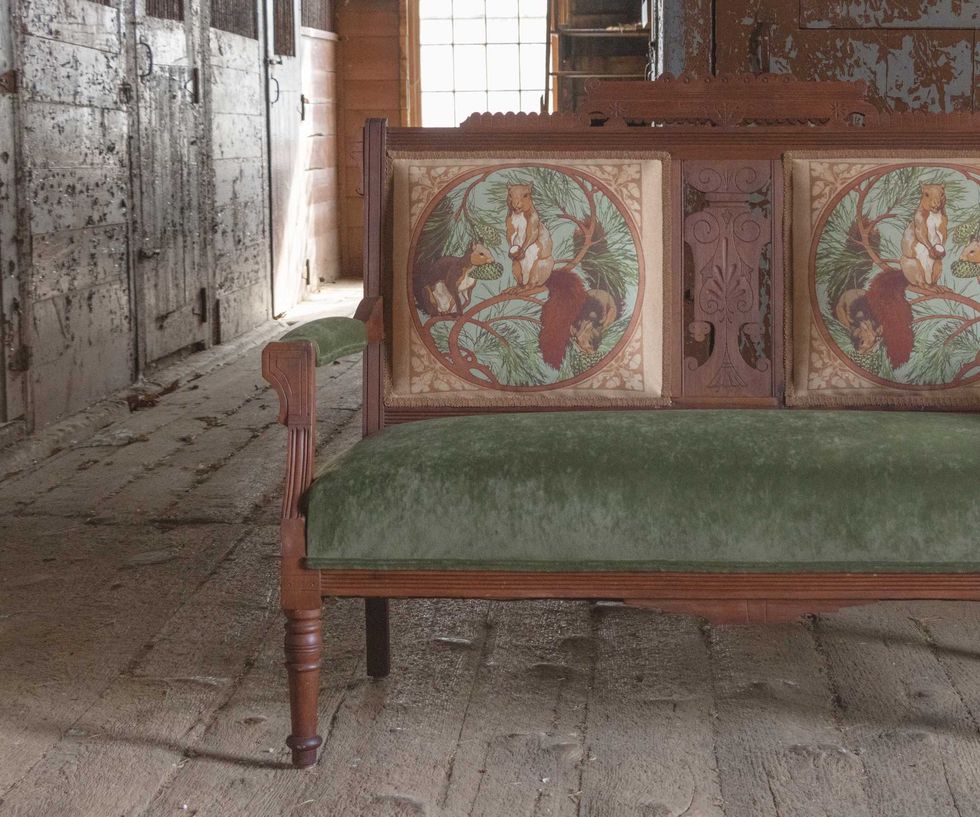 “Squirrels in the Shire,” a one-of-a-kind furniture piece created by Pryor and Peacock.Provided by Pryor and Peacock
P&P finds unique statement pieces from the past and gives them new life through period-appropriate design and cutting-edge textile technology. It also sees this as a way to protect wildlife. While the company is committed to abstaining from leather and fur in its production, reducing the need for new wood means less deforestation, and the preservation of animal habitats.
Sustainable practices aside, the work is really about pairing artworks in unexpected ways. The designs are mostly sourced from old art books, featuring illustrations from centuries past. Sometimes P&P finds a piece of furniture, and looks for ways to enhance its beauty through design. Other times, the design comes first, and they scour antique shops, auctions and flea markets to find its perfect canvas.
The results are always completely unique, and frequently come with fun, inspiring stories of the art, the “frame” and sometimes both. It’s thanks to these unique pairings that you won’t find anyone with the same piece as you. Of course, that means if you see something you love, you better get it before somebody else does.
P&P presented its first pop-up shop in Stockbridge, Massachusetts, last month, and is looking for other in-person opportunities to show its work.
To learn more about the business and browse its current inventory, visitpryorandpeacock.com.



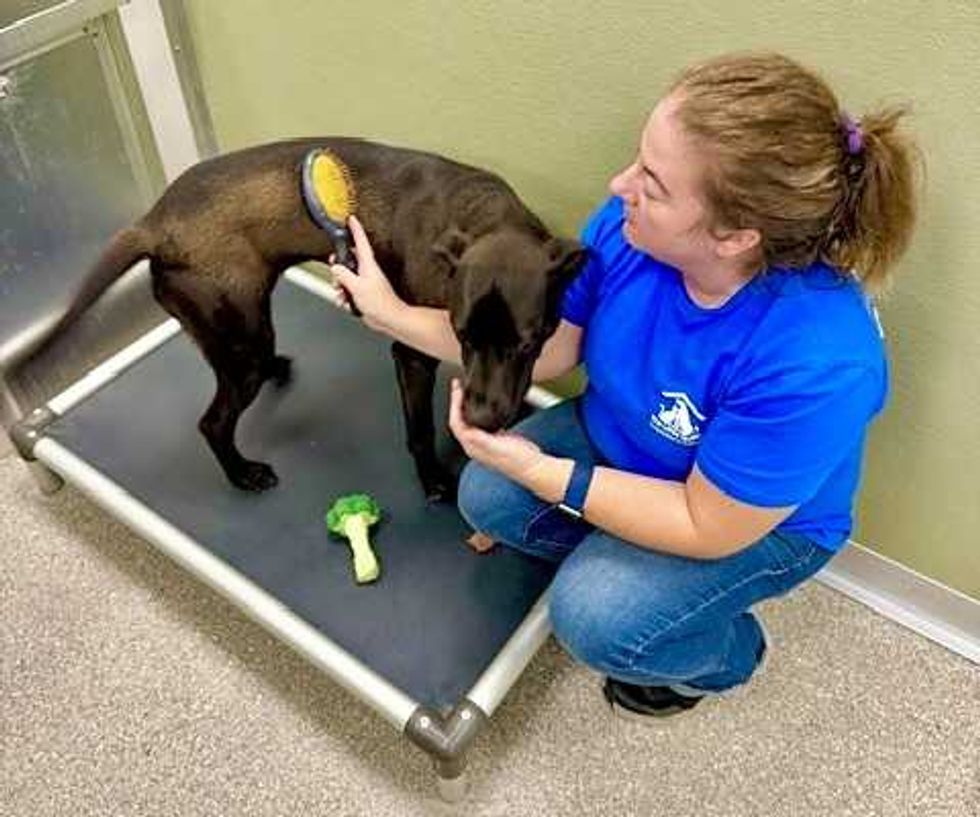 Tiffany Lemelin, shelter manager, brushing Marsala upon arrival.Provided
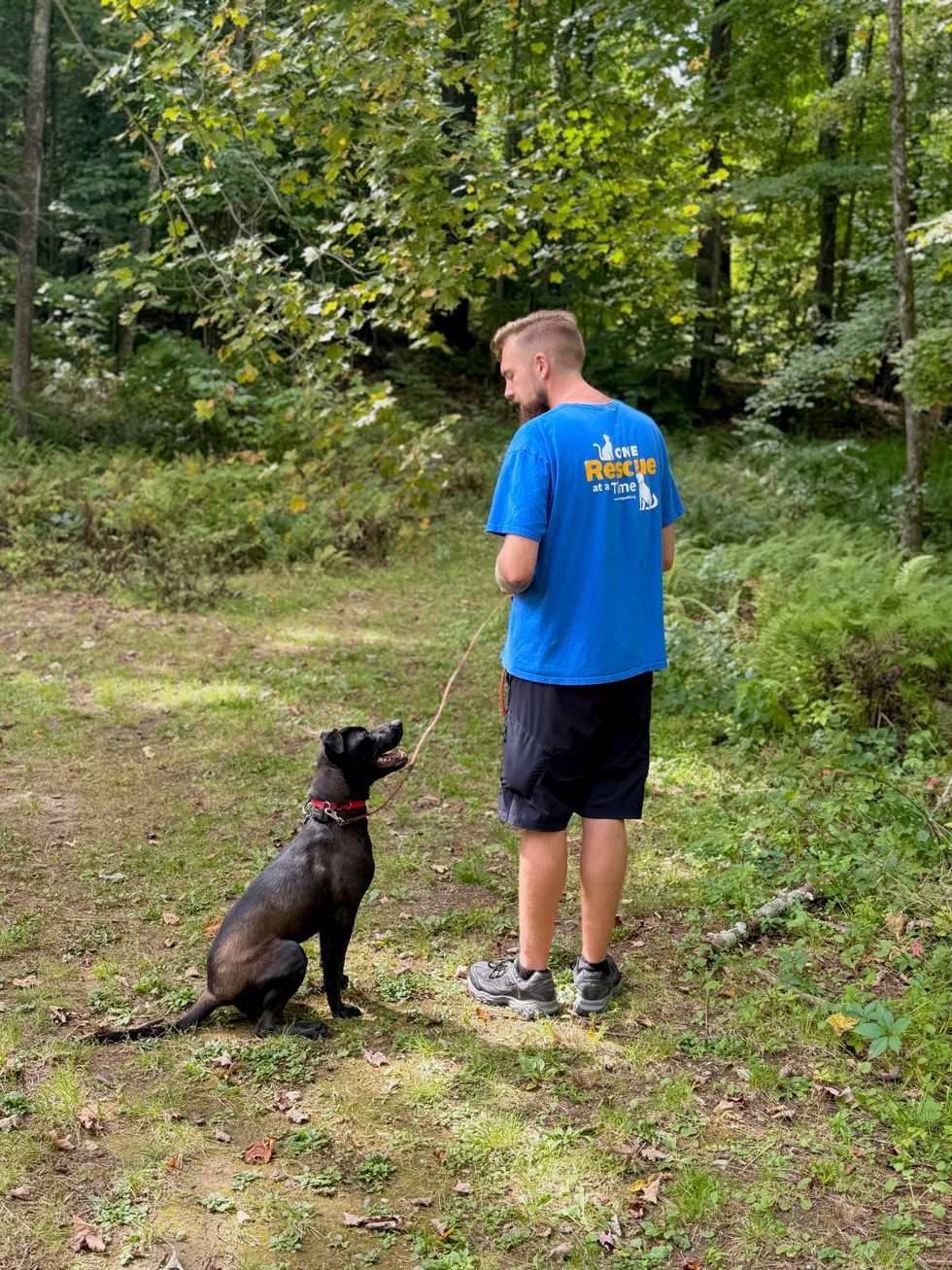 Michael DeBarba, certified dog trainer working with Marsala.Jennifer Almquist
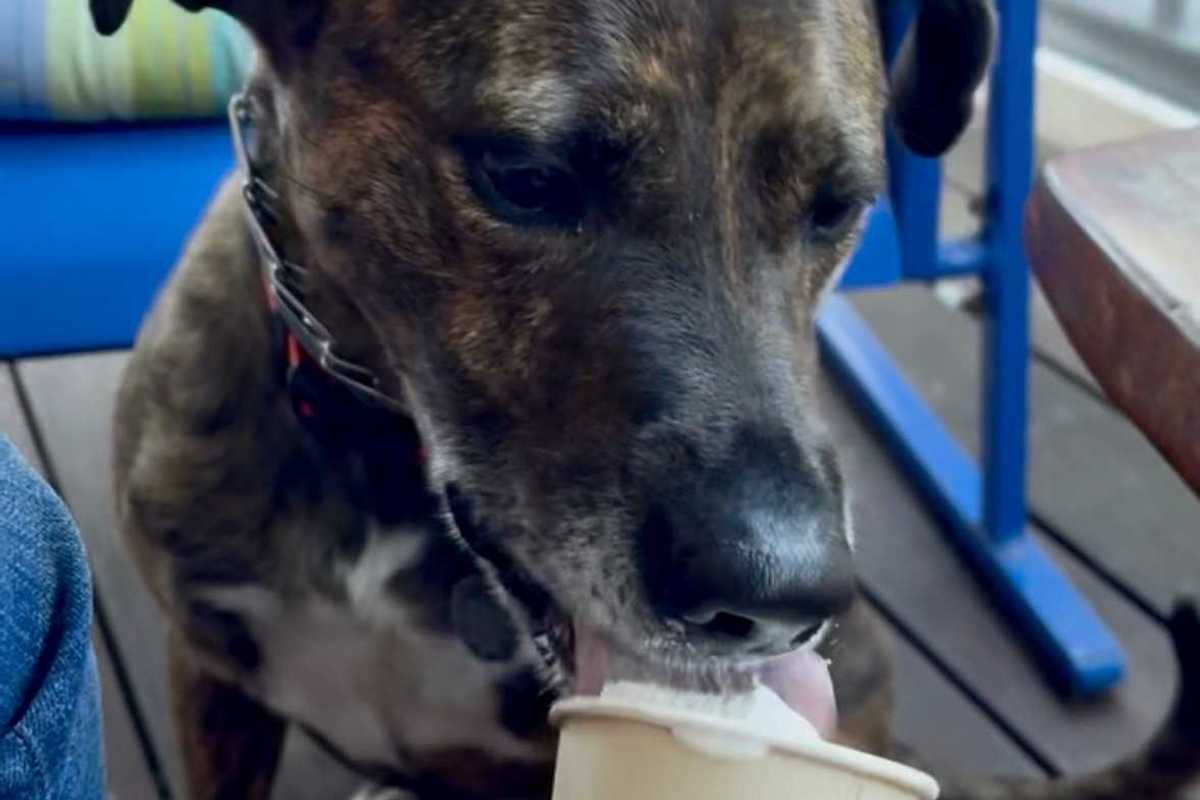
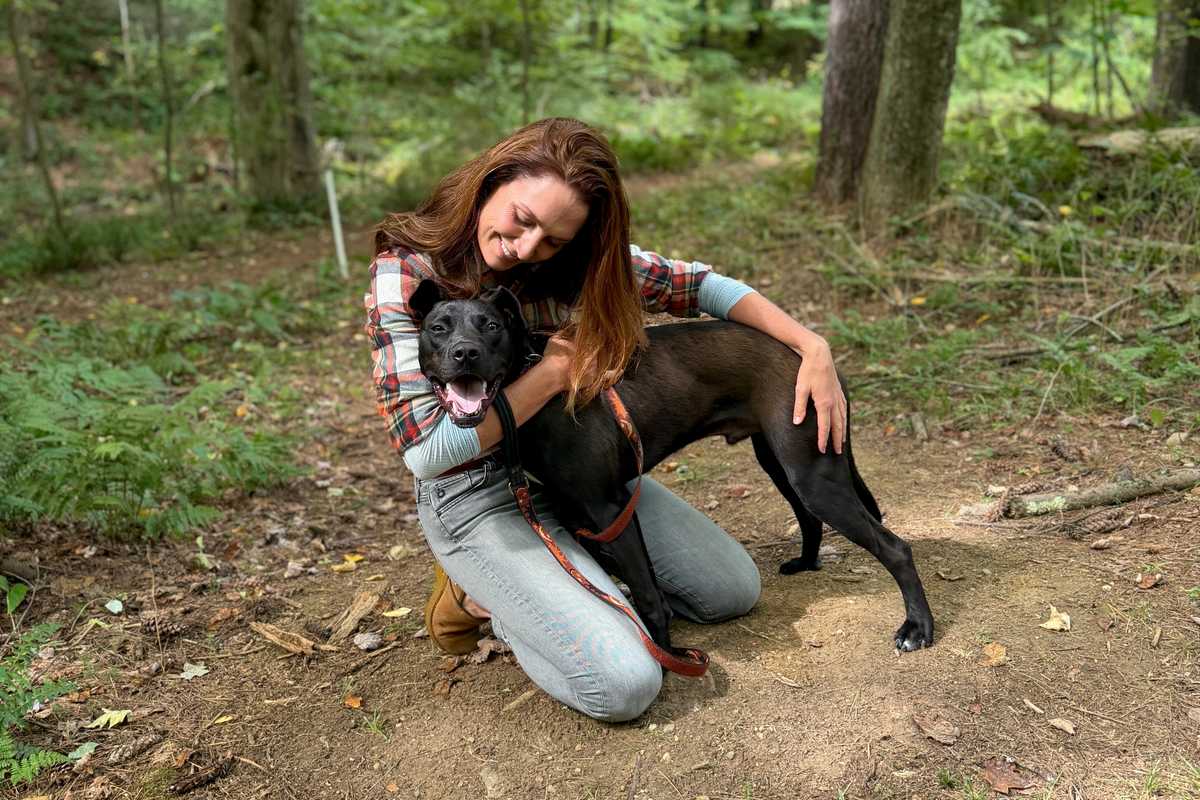 Marsala wins a heart.Jennifer Almquist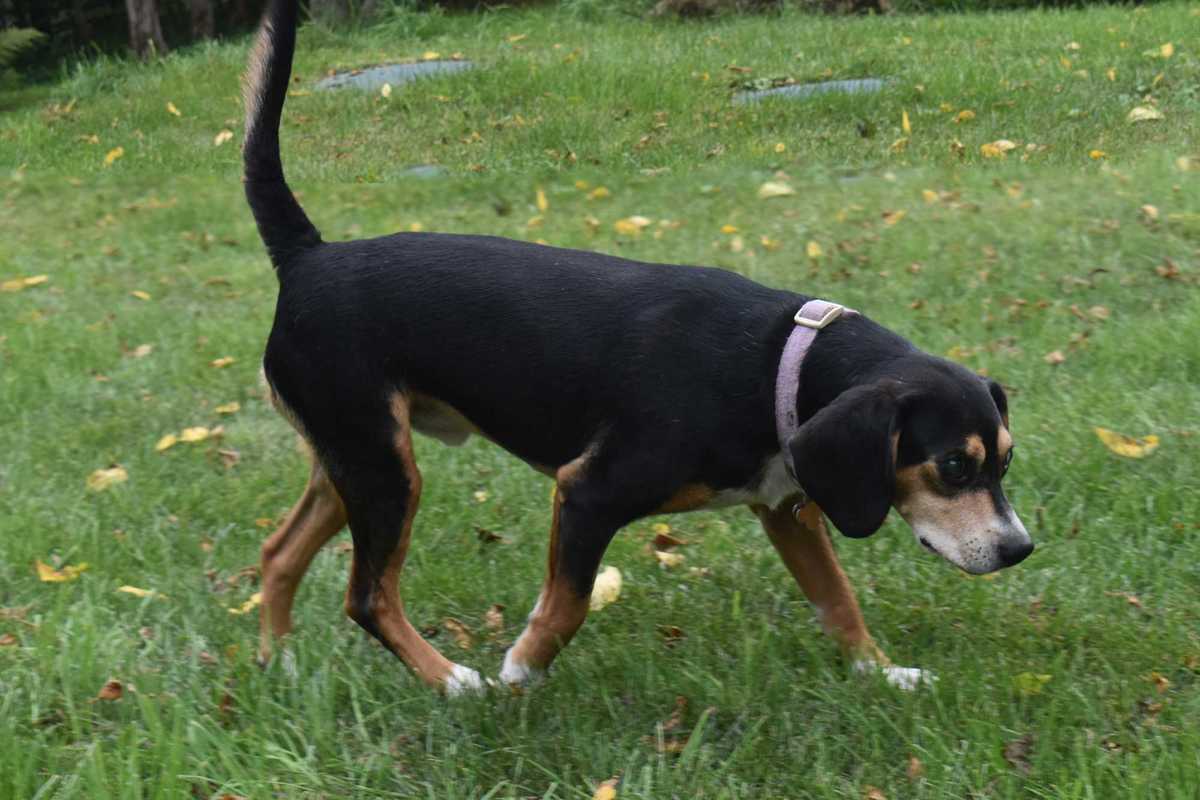
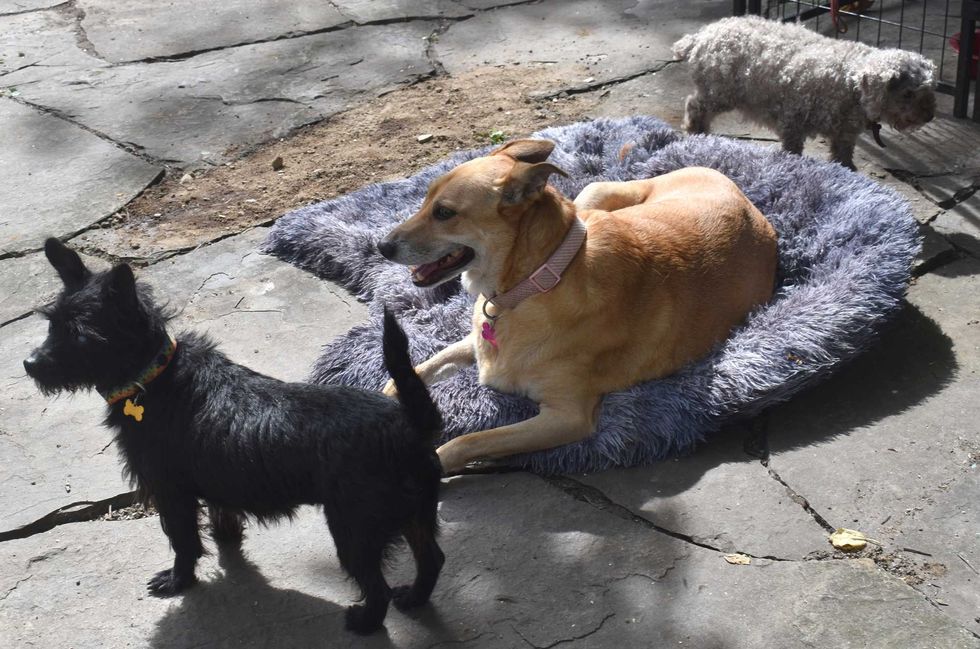 Sadie, center, a Carolina dog, plays with her friend Negra, a terrier mix. Bella Linda, the small poodle, has since been adopted.L. Tomaino
 Wesley, a young, exuberant mix, is looking for an active home.L. Tomaino
 Bonnie and Clyde, an affectionate terrier pair.L. Tomaino