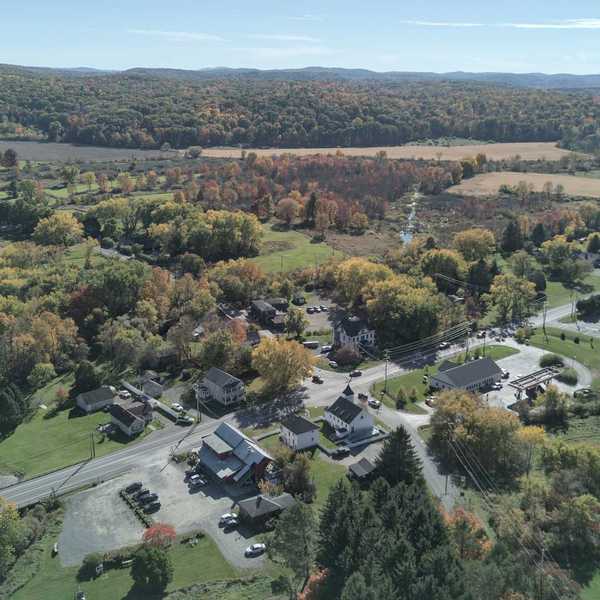
I have lived in the Northwest Corner since 1986 and during that time have come to realize how relatively benign our local climate is. For the most part we have been spared the hurricanes that bedevil the eastern coastline, the droughts common in the middle of the country and the floods that imperil so many areas. In my 40 years here there have been only two tornados, one in Cornwall, the other in Great Barrington; most states in the middle of the country have at least two every year. The storm that hit our area this Fourth of July fell just short of being a tornado but did considerable damage especially to our landscape. We should consider this recent storm a harbinger of more frequent and intense severe weather made much worse by climate change greatly exacerbated by the burning of fossil fuels.
For the past 150 years the world has industrialized through the burning of fossil fuels: wood, coal, oil, and gas. Just a small portion of our energy came from clean sources such as moving water, windmills, animals. It wasn’t until we realized that global warming was beginning to threaten life on the planet that we understood that we needed to start shifting to cleaner energy to survive.
The current administration is in no rush to shift to cleaner fuels. President Trump himself refers to climate change as a “hoax” and calls coal, our dirtiest burning fuel, “clean coal”. He has frequently tried to debunk the science of climate change and perhaps he actually believes some of what he has been claiming.
Several months ago the Interior department issued stop work orders on five large wind farms well under construction off the Atlantic coast, citing unexplained “national security” reasons. This June 15th, after several months of delay (with the government losing the case and subsequently appealing), a Massachusetts court threw out the appeal. Work has finally restarted on each of these multi-billion dollar projects including Revolution Wind off New London, Connecticut.
However, in an unprecedented recent case in federal court, the Trump administration agreed to pay several companies a total of $1.8 billion to abandon their leases for not yet developed offshore wind farms. Like many other Trump executive orders this one is being challenged by several groups in a federal lawsuit.
One of the first moves a prospective wind farm developer makes is to apply for clearances from the Federal Aviation Agency who refers the application to the Pentagon to see if the project interferes with any existing radar or nearby military bases, with any needed mitigation usually being minor and routine. But starting last fall reviews of all prospective wind farms slowed and a few months ago came to a halt, again for unspecified ‘“national security” reasons. Now more than 100 planned wind farms in 21 states are indefinitely stalled by the Pentagon’s unjustified delay; this represents at least $47 billion in potential wind power investment. A lawsuit by several environmental organizations awaits judgment.
Nearly half of the projects affected by the freeze are in Texas which now produces more wind power than any other state. Currently, wind power provides just over 10% of the nation’s electricity.
After natural gas and nuclear power, solar power is now the third largest source of electricity in the United States. This May, for the first time, solar supplied more of the nation’s electricity than coal, or 12.8%.
Solar is currently the fastest growing power source in the country, accounting for more than half the new power added to the grid this year; and throughout the world solar is the largest new electricity source by far. According to the environmental non-profit Climate Central, U.S. solar power will more than double by 2030. Generally speaking, it is also the least expensive power source.
The unusually violent, destructive storm over the July 4th holiday was made much more severe because of global warming. We need to get our politicians to take climate change seriously. Now.
Architect G. Mackenzie Gordon, AIA lives in Lakeville, Conn.




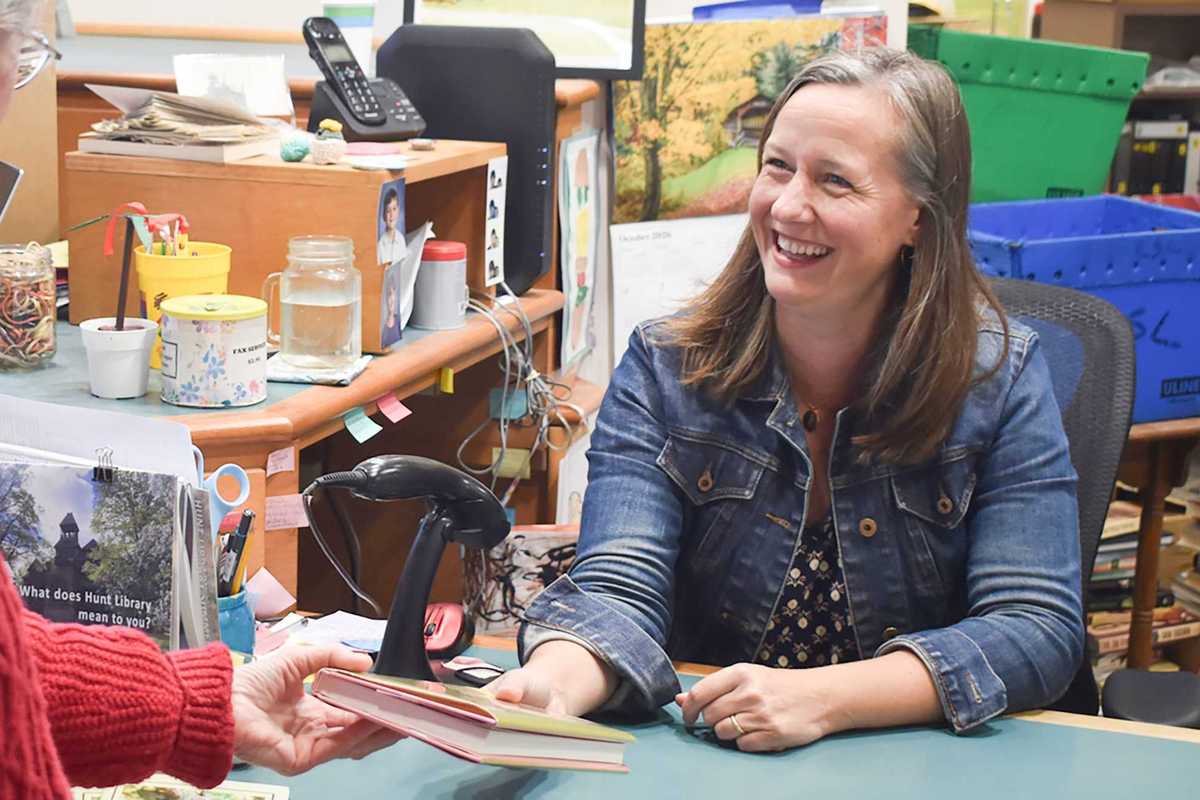
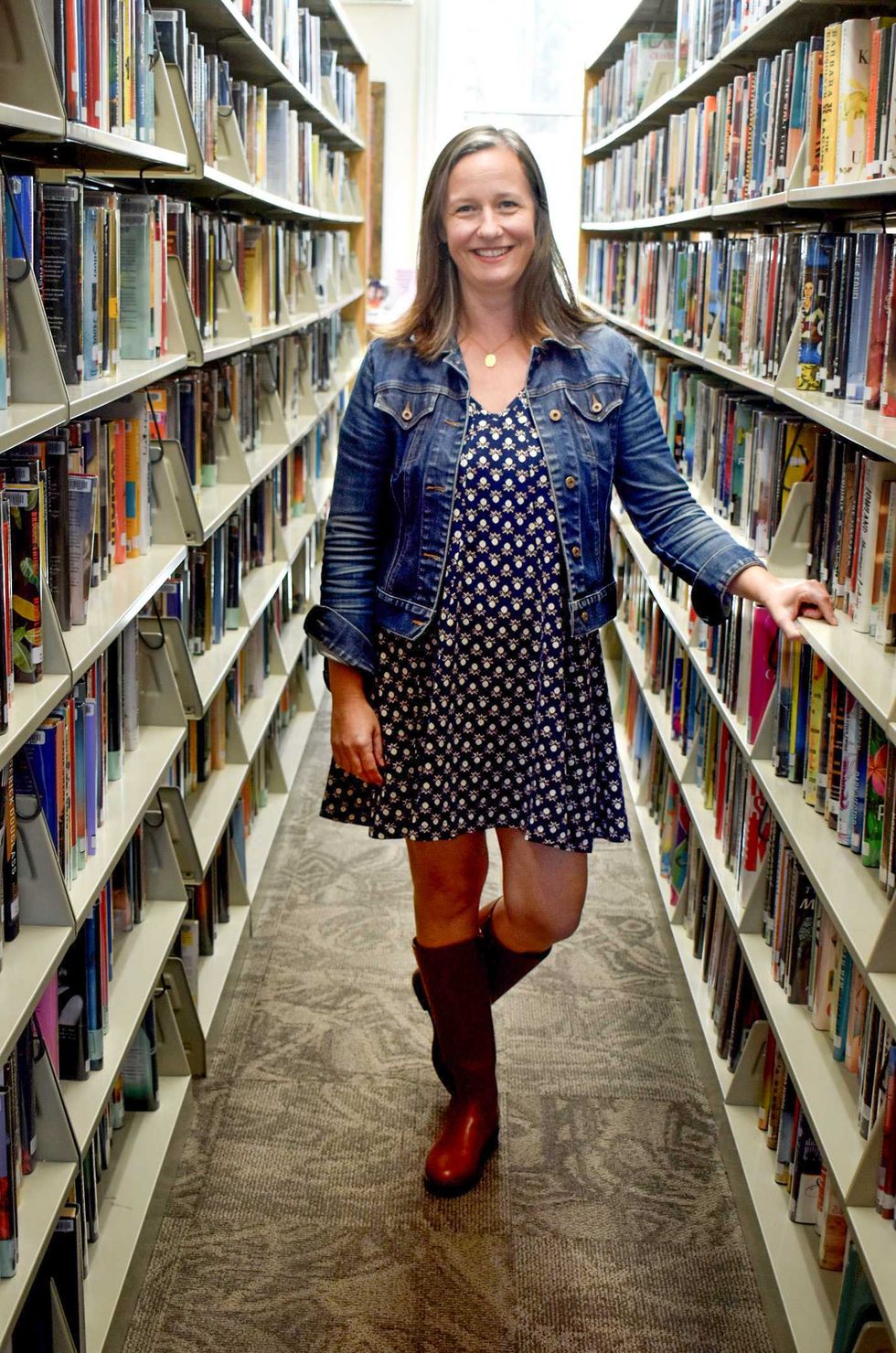 Meg Sher, executive director of the David M. Hunt Library in Falls Village.L. Tomaino