Thank you!
Your support is sustaining the future of local news in our communities.

Sheriff’s office defends use of Flock Safety surveillance cameras at Amenia Town Hall

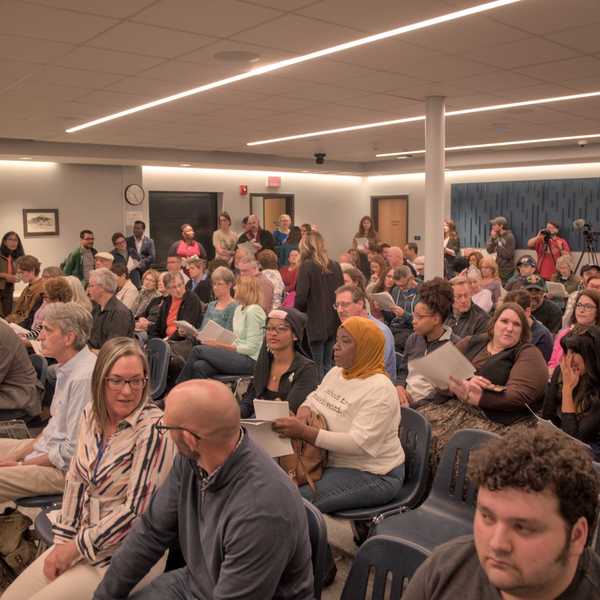
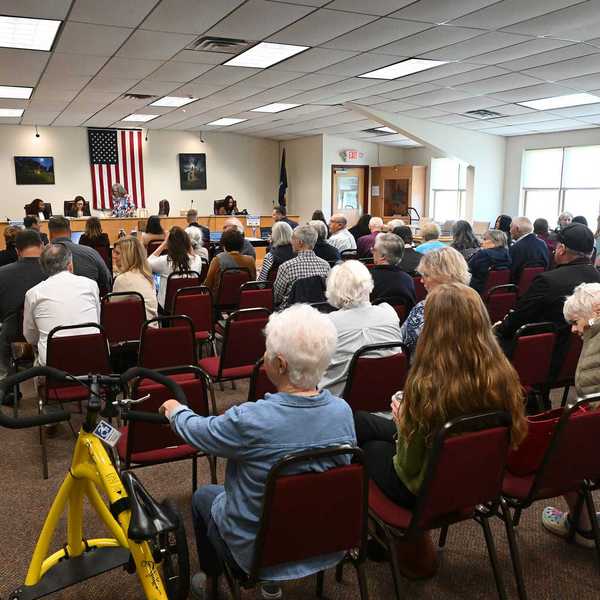
AMENIA — A representative of the Dutchess County Sheriff’s Office appeared at an Amenia town meeting last week to defend the use of automatic license plate readers, widely known as ALPRs.

The cameras, most of which are manufactured by Flock Safety, have sparked privacy concerns from county residents. Nationally, Flock has come under fire after police were found to have accessed the camera’s data for personal use. In Amenia last week, Dutchess County’s Chief Deputy Steve Reverri said the technology has been used by the county for two decades, though newly-installed ALPRs in Amenia, Pine Plains, Milan and Millerton have brought renewed attention.

“I think one of the biggest concerns the community has is about transparency,” Reverri said. “There are a lot of misnomers about all of the technology we use in Dutchess County.”

Reverri then cited a number of violent cases that were solved with the help of ALPR cameras — in 2007, a family was murdered in Fishkill, and their killers were found with the help of surveillance cameras. Reverri also cited a 2026 domestic dispute in Beacon, and the kidnapping of an infant near Marist University three months ago.

Reverri encouraged the board to visit the county’s ARTCIC site, which lists the locations of some ALPR cameras and highlights success stories where the cameras have helped solve crime. “The communities in Dutchess County are safe because we work together,” Reverri said. “This is technology that we have led the state and the country in utilizing.”

The ARTCIC site does not include the location of cameras on private property. Some property owners who have allowed the installation of Flock cameras have expressed discontent about the placement of those cameras and a lack of communication from the sheriff’s department.

The company has also come under fire for unlicensed data sharing, and on Aug. 13, Flock Safety announced new guardrails to prevent police from using the data system for non-law enforcement purposes.

But Reverri insists the cameras are essential for tracking down suspects, citing another case in which a woman threatening to kill her child was located in 7 minutes using ALPR technology. “We’re not using it for traffic enforcement,” the officer said. “We don’t have red light cameras. They don’t have facial recognition software or track your movement,” he continued. “We save the data for 30 days and then it’s expunged.”

Reverri did qualify that during those 30 days, the data gathered is part of a “sharing network” with other agencies. “It’s not the Yellow Pages or Google,” he said. “It’s very controlled.”

Asked why an established police tool had generated public opposition, particularly after a January controversy involving Flock cameras in Pine Plains, Reverri distinguished the sheriff’s office from the Pine Plains Police Department.

Reverri said the installation of cameras approved in Pine Plains had not followed proper procedures. “People do things they’ve never done before, and they don’t know the rules,” he said. “We don’t do those things.”

In 2021, Reverri said, the local presence of ALPRs became more robust. That included more cameras and more network sharing, allowing law enforcement to see camera sources live on a comprehensive map. “We’ve prevented pursuits,” Reverri said. “Vehicle pursuits are inherently dangerous, and now we can track a vehicle.”

Reverri went on to say that there are three Flock cameras in Amenia and Wassaic, and at least one camera in every Dutchess County municipality.

Town Board members offered a mix of support and skepticism. “I watch a lot of British television,” said Councilmember Walter Dietrich. “This is nothing like what they have over there,” referring to the country’s CCTV camera network.

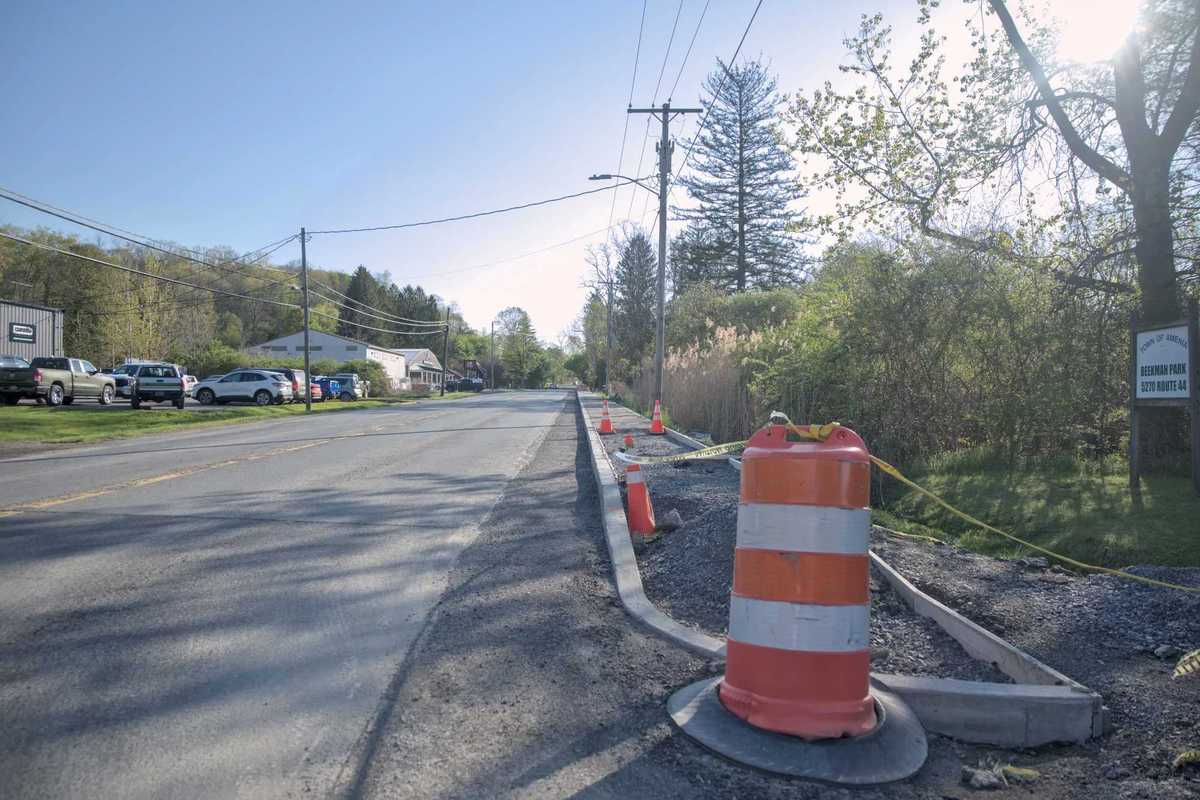
Councilmember Vicki Doyle expressed concerns about the prevalence of the cameras, but later seemed open to the idea of sharing camera feeds of “hot spots,” such as at Beekman Park.
Latest News

Doug Tallamy’s work in progress: saving the planet one backyard at a time

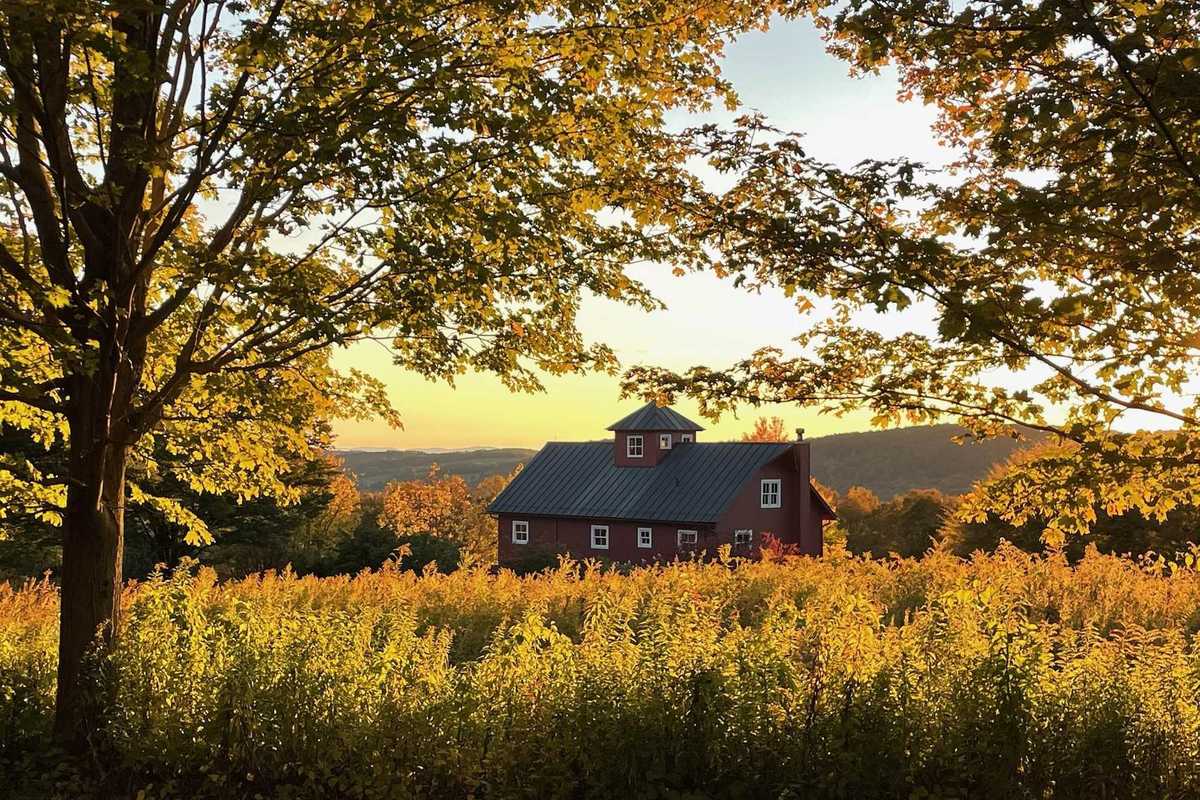
Windacre, a 25-acre property in Millerton will be the site of “Work in Progress,” an afternoon with acclaimed entomologist, New York Times bestselling author and Homegrown National Park co-founder Doug Tallamy.

Provided

For nearly three decades, Doug Tallamy, a professor at the University of Delaware and co-founder of Homegrown National Park, has studied the intricate relationships between native plants, insects, birds and the ecosystems that sustain them. His books, including “Bringing Nature Home” and “Nature’s Best Hope,” have helped shift the conversation about conservation from something that happens primarily in parks and preserves to something ordinary people can practice on the land around them.

On Sunday, Oct. 4, Tallamy will bring that conversation to Windacre in Millerton for “Work in Progress: Toward Native Fields,” an outdoor gathering exploring both the possibilities and the complications of restoring private land for biodiversity.

Keep ReadingShow less
Celebrating Dick Hermans’ life built around community

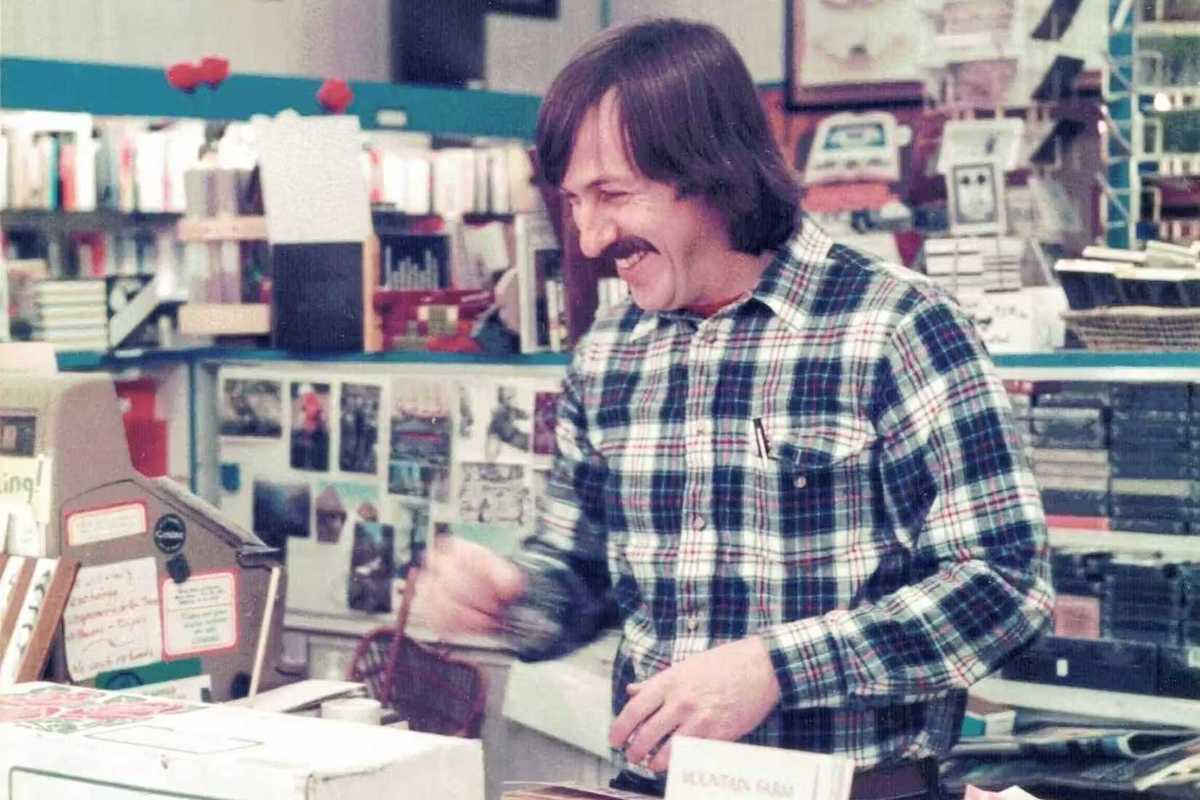
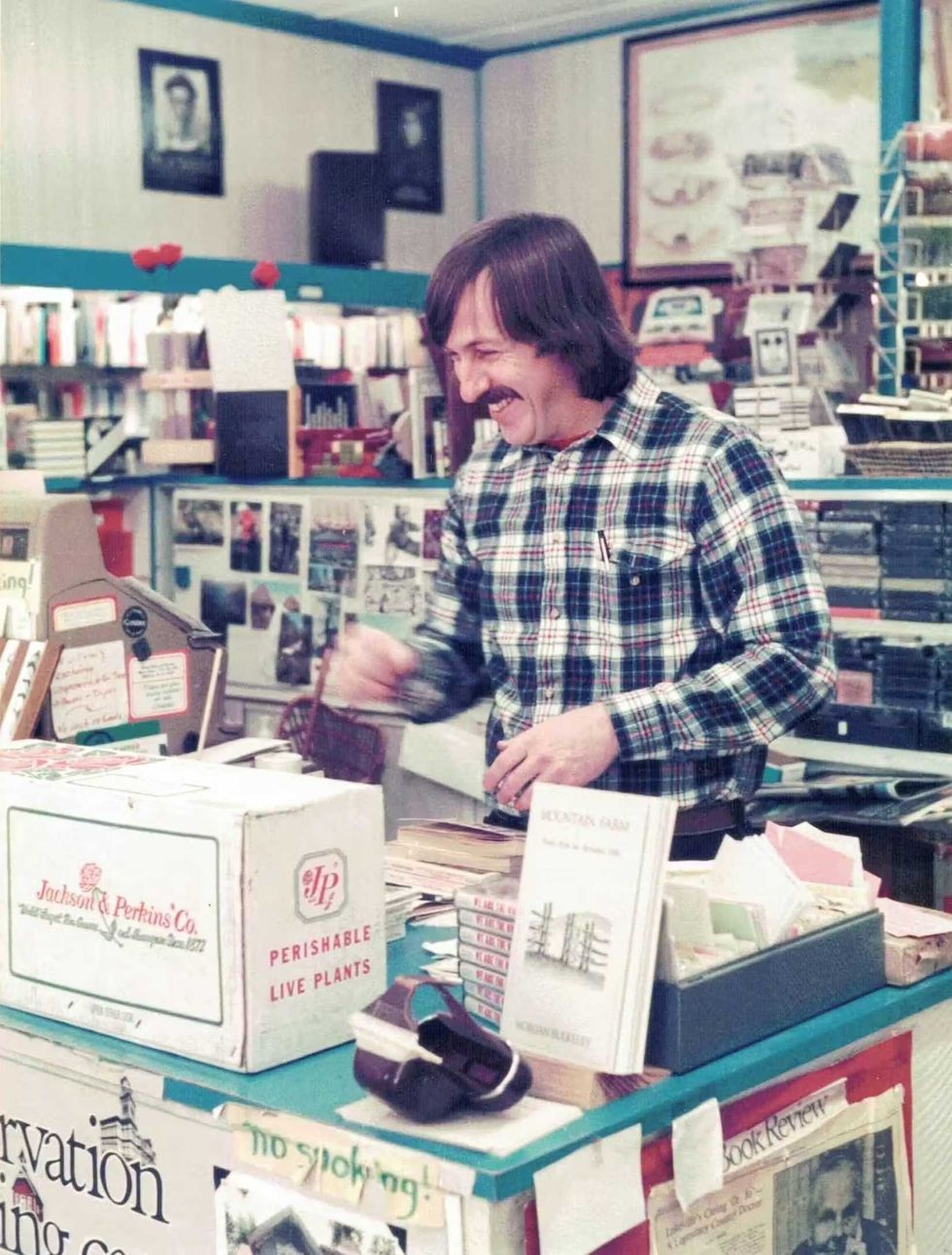
Dick Hermans in the Oblong Bookstore on Millerton\u2019s Main Street in 1985.

Provided
No matter what I’ve done, I’m trying to be useful to the communities I’m associated with.
— Dick Hermans

When Dick Hermans receives the Estabrook Community Leadership Award on Oct. 11, he will accept it for a lifetime of work that has taken many forms: bookseller, radio host, school board member, advocate for the Harlem Valley Rail Trail, business owner, volunteer and, perhaps most importantly, a person who has consistently looked for ways to be useful to the communities around him.

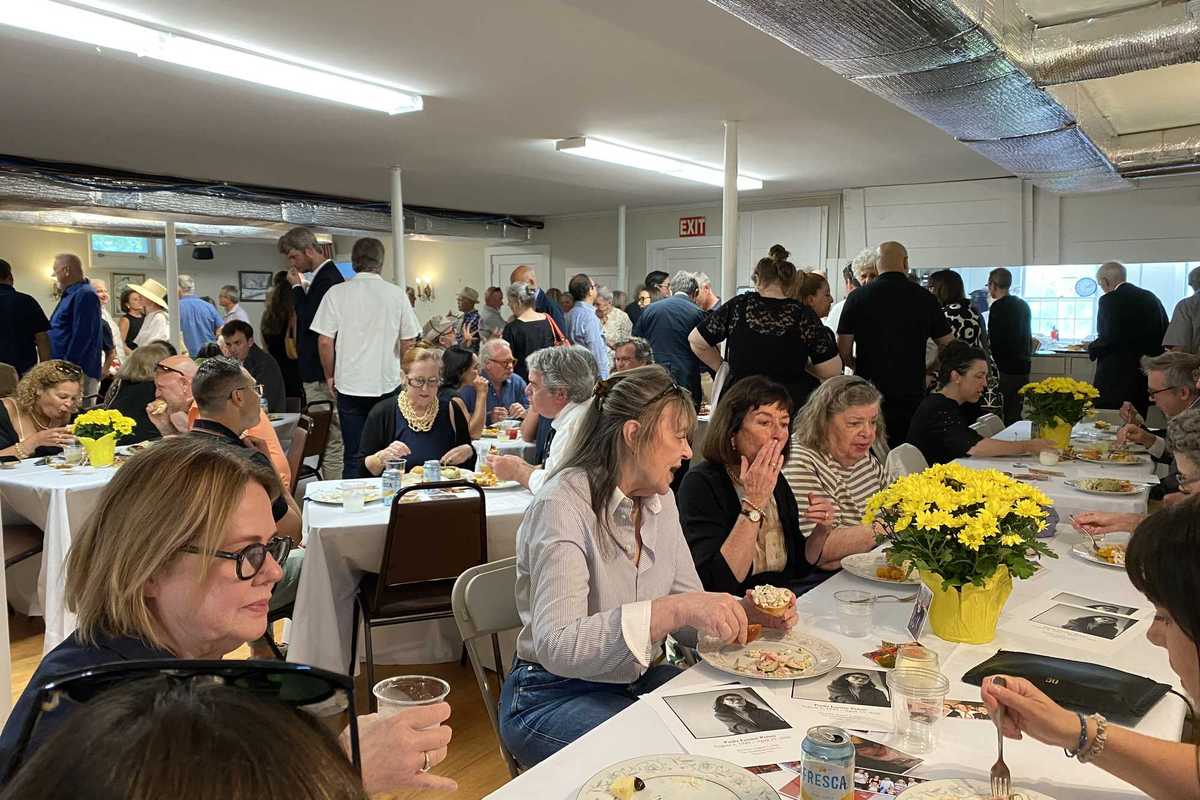
The Lakeville Journal and The Millerton News will present Hermans with the 2026 award at the annual Jubilee celebration at the Sharon Playhouse. The award honors outstanding leadership in community service and was inspired by Mary Lou and Robert Estabrook, former owners of the newspapers who believed that strengthening a community extended well beyond the work of publishing a newspaper.

Keep ReadingShow less
google preferred source

Want more of our stories on Google? Click here to make us a Preferred Source.

Tending the Fire: Homelands PowWow brings Mohican culture home to the Berkshires

Members of the Stockbridge-Munsee tribe at Homelands PowWow in 2025.

Joeseph Plante New Media Storytellers
Our goal is to continue building an annual gathering that honors the history, culture and traditions of the Stockbridge-Munsee Band of Mohicans in their original Homelands.


For the Stockbridge-Munsee Mohican people, the Berkshires are not simply a place to visit. They are ancestral homelands.

Keep ReadingShow less
Ancram Center’s “A Number” doubles questions of identity

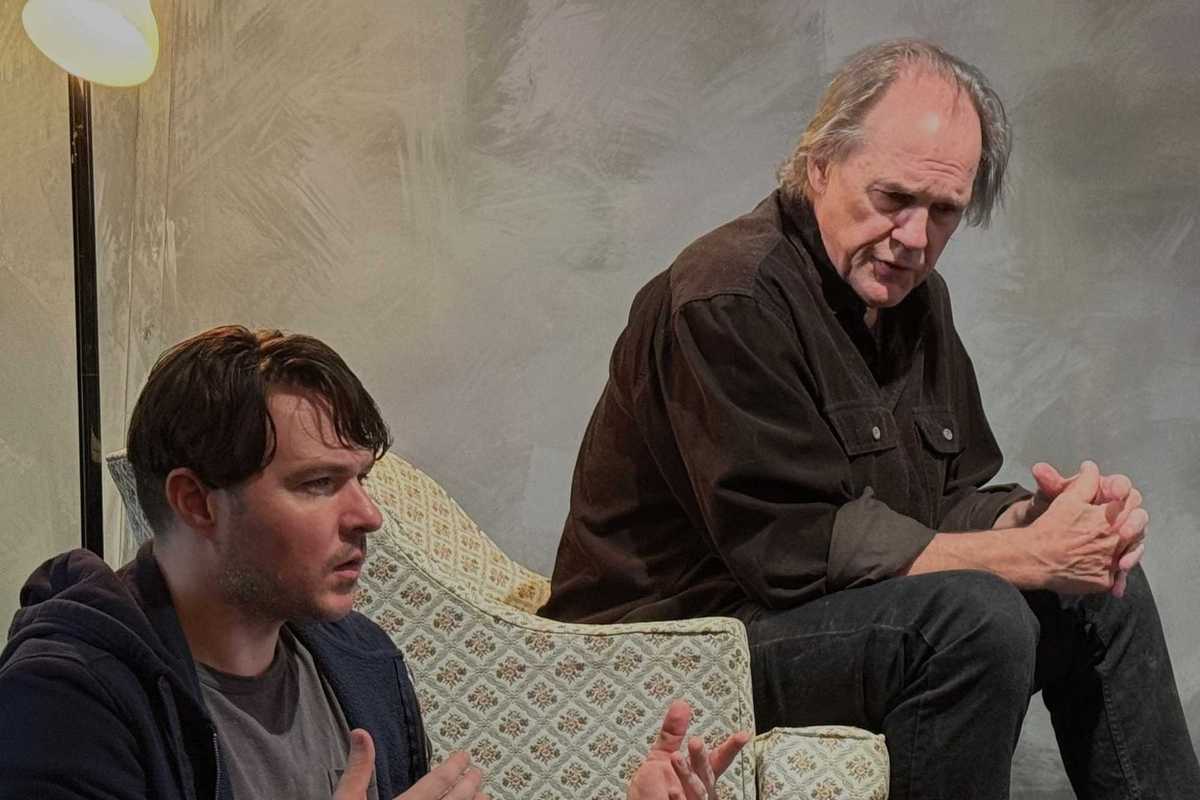
How would you feel if you found out you weren’t the only you — if there was an exact replica of you? What if you found out that you’d been cloned? Would you believe that you’re the real you? Would you suspect you might be a copy of the original? How could you be sure anything about your life was real? These are some of the questions posed in Caryl Churchill’s play “A Number,” opening at the Ancram Center for the Artson Oct. 1.

Churchill was born in London in 1938 and has been hailed by the theaterl world as one of the strongest voices of her time to take on sexual politics and feminist themes. Her works garner pointedly considered analysis from the highest levels of theatrical intellectualism. Basically, it’s about as far from “The Lion King” as you can get. While she’s experimented with dance theater in the past, “A Number” is much more stripped down, highlighting Churchill’s chosen themes and the skills of both actors on stage.

Keep ReadingShow less

Dispatches from the Farm

Dispatches from the Farm

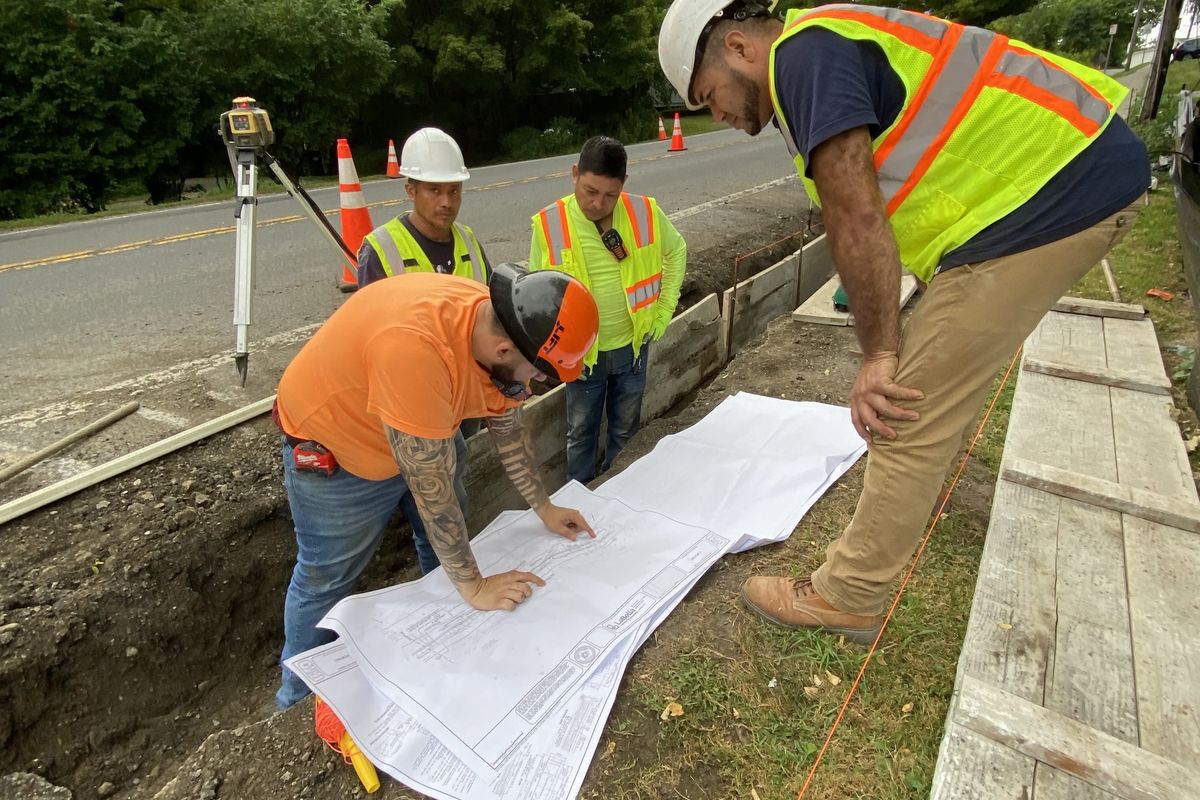
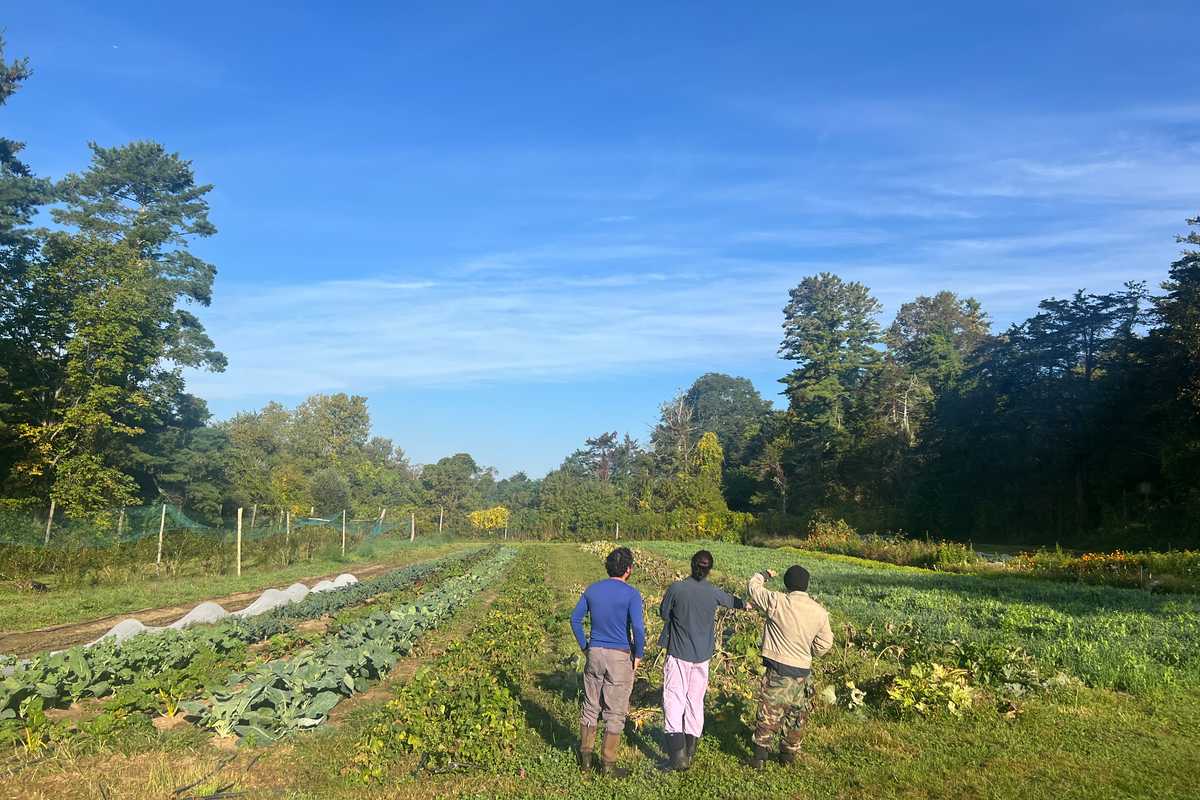
Adamah Farm crew members planning out the day’s tasks on a late September day.

Janna Siller

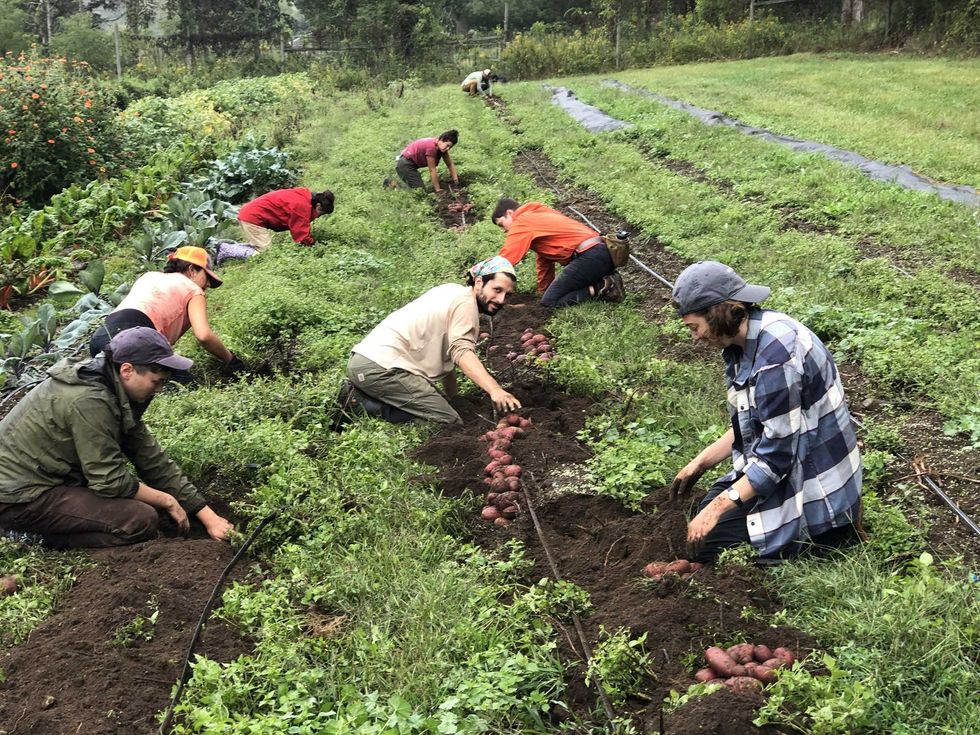
“Dispatches from the farm” is a new, periodic column offering a firsthand look at the rhythms, challenges and rewards of farming through the eyes of a local farmer.

The thing about plants is that they can’t get up and move. When a storm like last weekend’s nor’easter threatens to roll through, you can’t just round everybody up and settle them safely on the sofa for movie night.

Keep ReadingShow less
google preferred source

Want more of our stories on Google? Click here to make us a Preferred Source.

google preferred source

Want more of our stories on Google? Click here to make us a Preferred Source.