SHARON – While many think of the “pound” as a place for stray dogs, a century and a half ago town pounds were a fixture of life in rural Connecticut, used to temporarily contain wandering livestock. Today, a Sharon resident is working to restore one of those long-forgotten stone enclosures.
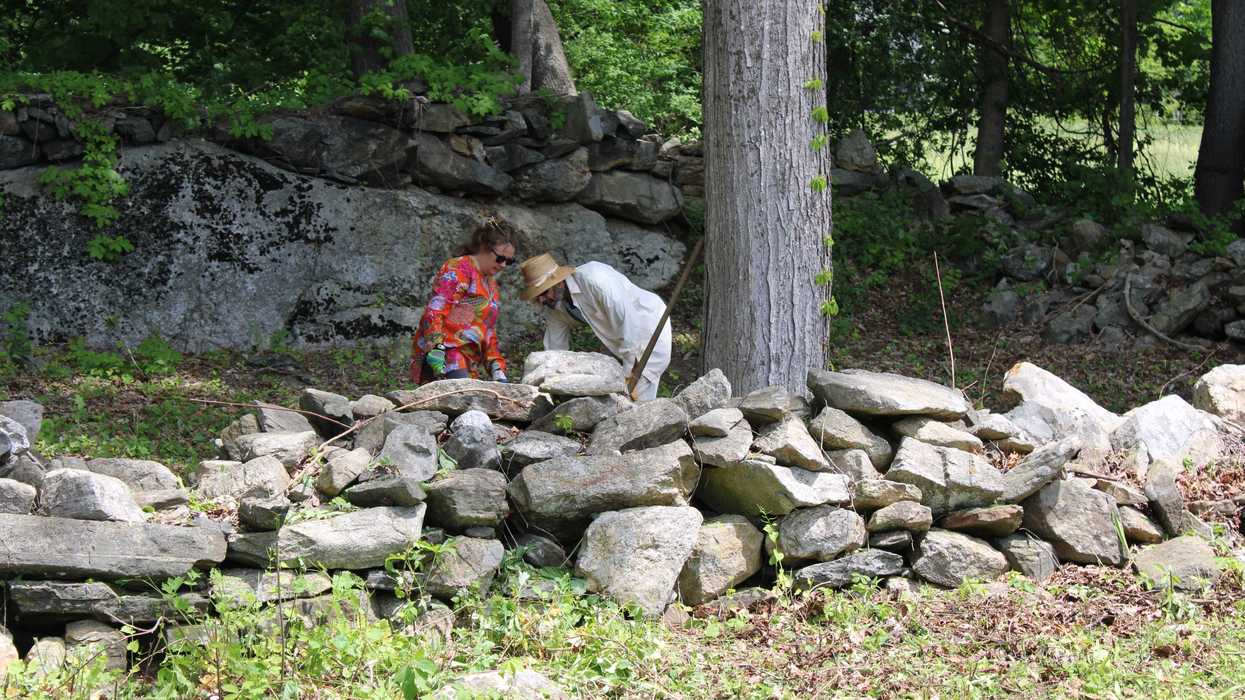
Lynn Kearcher, a town selectman pursuing the project independently, has spent months restoring an old-fashioned pound on Sharon Mountain Road in an effort to preserve a little-known piece of the town’s agrarian history.
“It’s a structure that links us to our past in what was a very important period,” she said June 4, while pulling brush from the pound’s low stone walls. The site, near the intersection of Sharon Mountain and Jackson Hill roads, is owned by three private landowners, all of whom have given permission for the effort.
The now-tidy plot looked very different just several months ago, Kearcher said. Since then, she, her husband, Carl Chaiet, and other volunteers have spent many hours clearing weeds and brush, while several community members donated money to hire Applewood Tree Care to remove several dead trees from the site.
Kearcher is continuing to raise money to restore the pound to an appearance she believes reflects the dignity such a vestige of town history deserves.
In pre-barbed wire days, when farms were more numerous and often smaller with limited means of monitoring livestock, New England towns built special corrals for animals on the loose. A resident known as the pound keeper rounded up rogue animals in a common pen. Farmers could either pay a fee to collect them or surrender them to the town, which could then auction the animals and keep the earnings.
Town pounds emerged in New England from the earliest days of livestock husbandry up until the late 19th century, and their importance in that era is hard to overstate, said history writer Matthew E. Thomas, author of a 2023 book on New England’s remaining animal pounds.
“You had to have a pound to be able to prevent all of these different livestock animals from escaping from their farms and wreaking havoc in neighbors’ property, which did not make for good neighborly dealing sometimes,” Thomas said.
“These are wonderful monuments to the past,” he added, noting that a runaway cow could wreck someone’s food stores for the hard winter ahead.
Thomas’s research identified approximately 170 known pounds intact today in New England, but he said he’s grateful to residents like Kearcher who show that there are likely many more lost to time in yards and woods across the region.
“It just makes it so much more meaningful to know that there are people out there that genuinely care about preserving our early American history,” he said.
Kearcher has identified two more suspected pounds nearby, with one hidden in the woods farther south on Sharon Road and the other sitting in a thicket next to Fairchild Road. Both are located on land owned by the Sharon Land Trust, which has given permission for future restoration.
The goal, Kearcher said, is to protect these sites with an ordinance that would herald them as artifacts of Sharon’s history, potentially dating back to the early 18th century. Kearcher has been communicating with the state archeologist to organize a visit that may shed some light on the specific stories of the structures.
For his part, Thomas said the pounds, while forgotten by many, are a strong reminder of a different way of living in the countryside: “A time,” he wrote, “when nearly all social, economic, religious and political issues were handled primarily at the local level.” In that bygone era, sometimes locking up a cow or pig for a few days was another means to keep the peace.


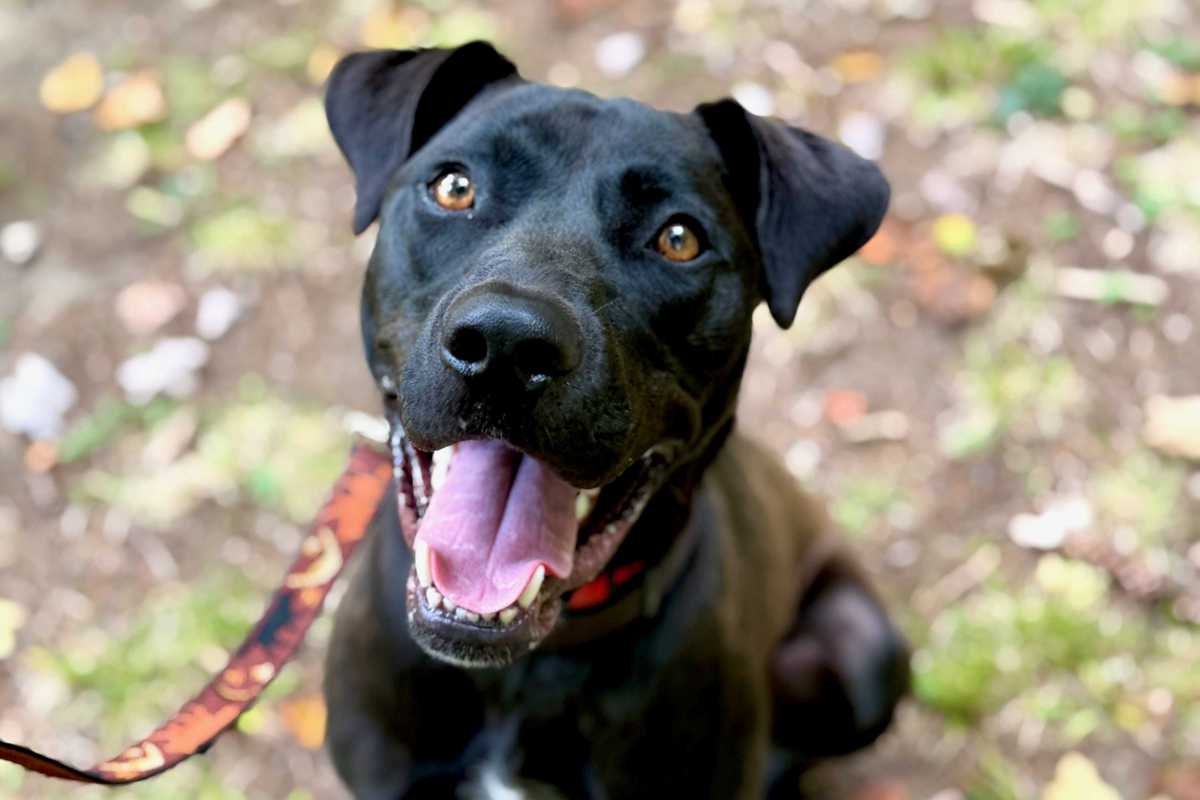
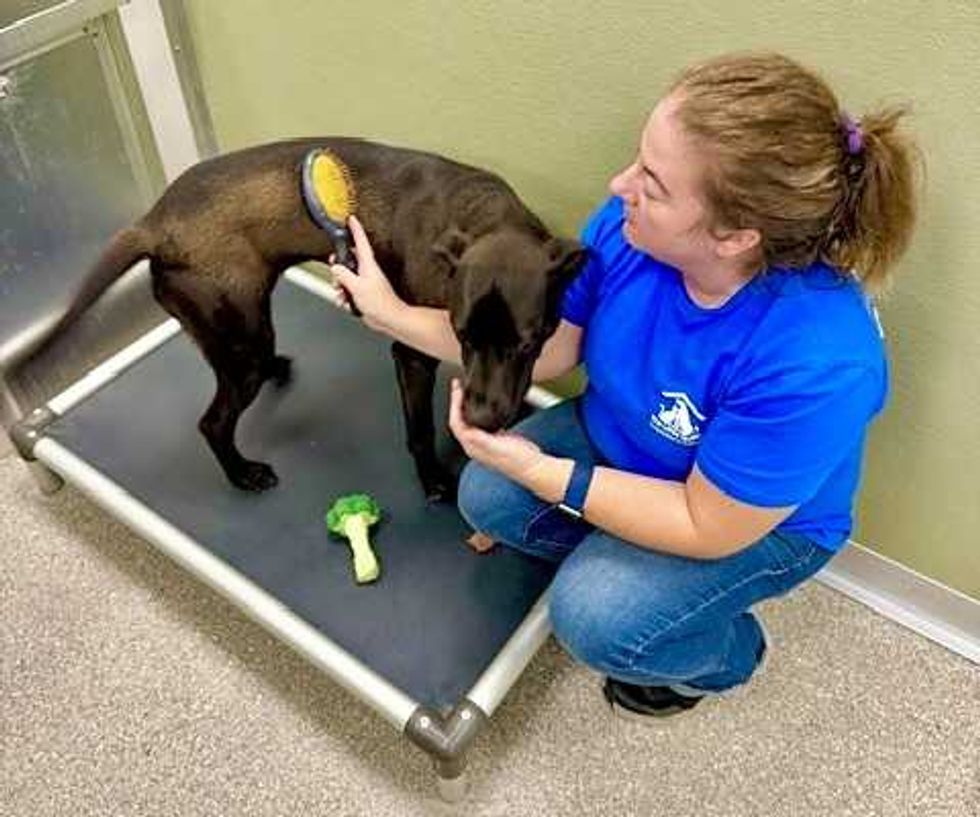 Tiffany Lemelin, shelter manager, brushing Marsala upon arrival.Provided
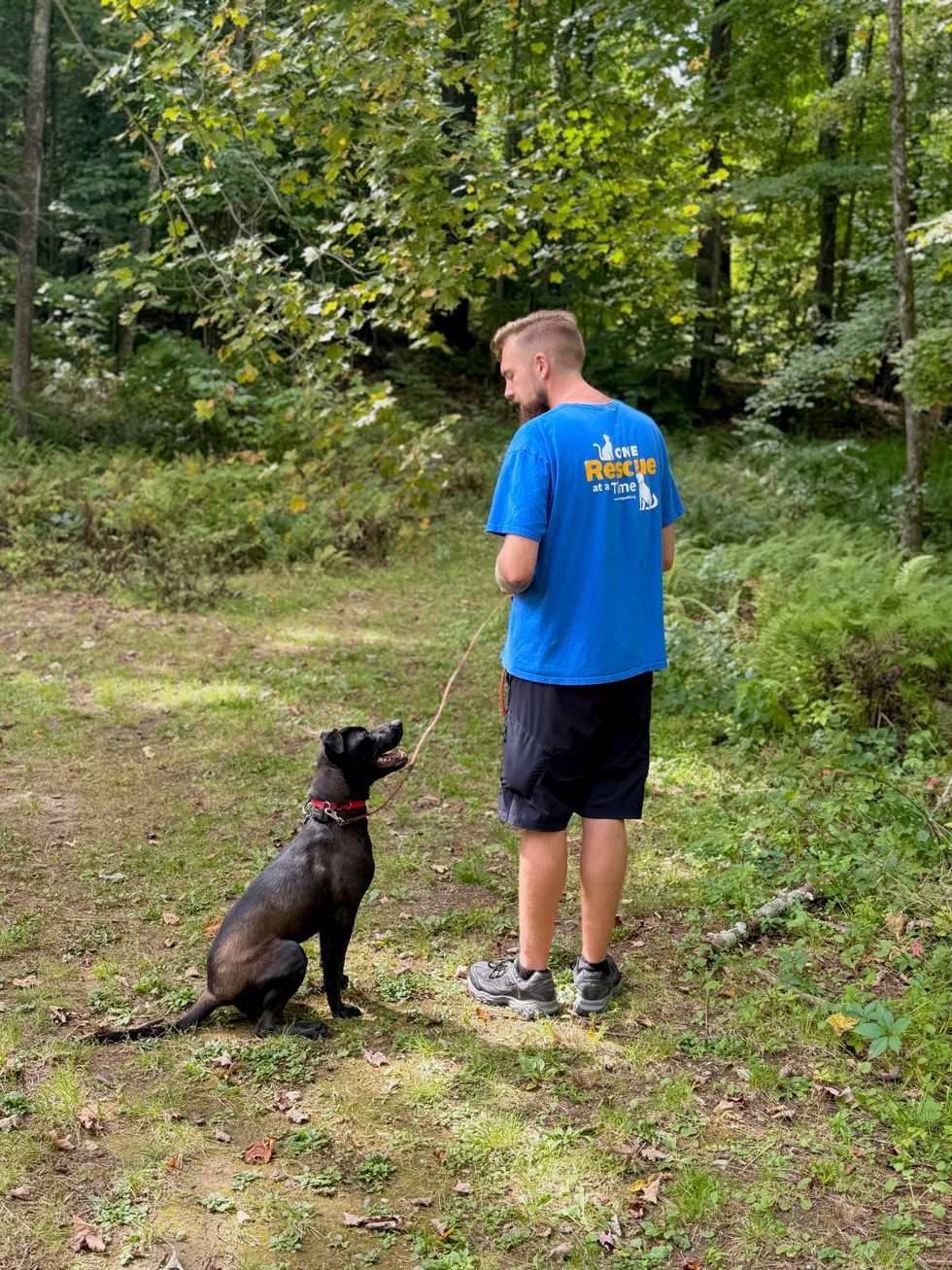 Michael DeBarba, certified dog trainer working with Marsala.Jennifer Almquist
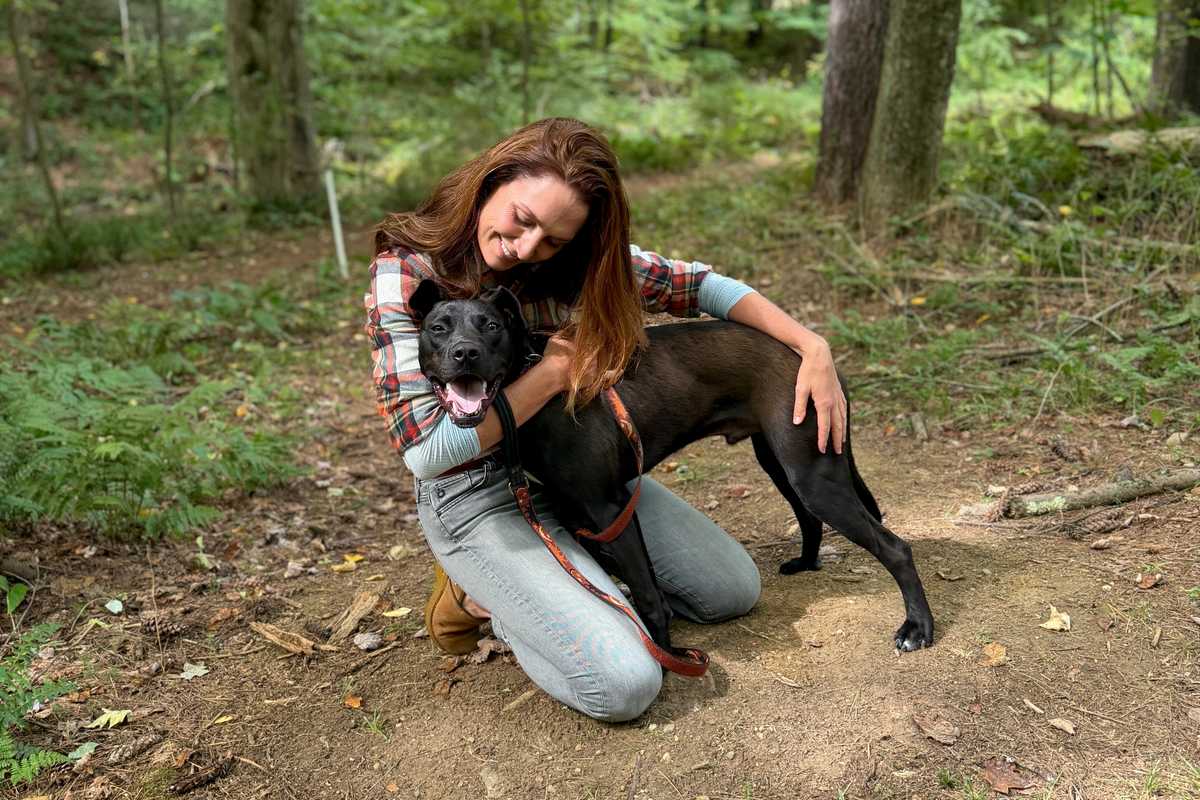 Marsala wins a heart.Jennifer Almquist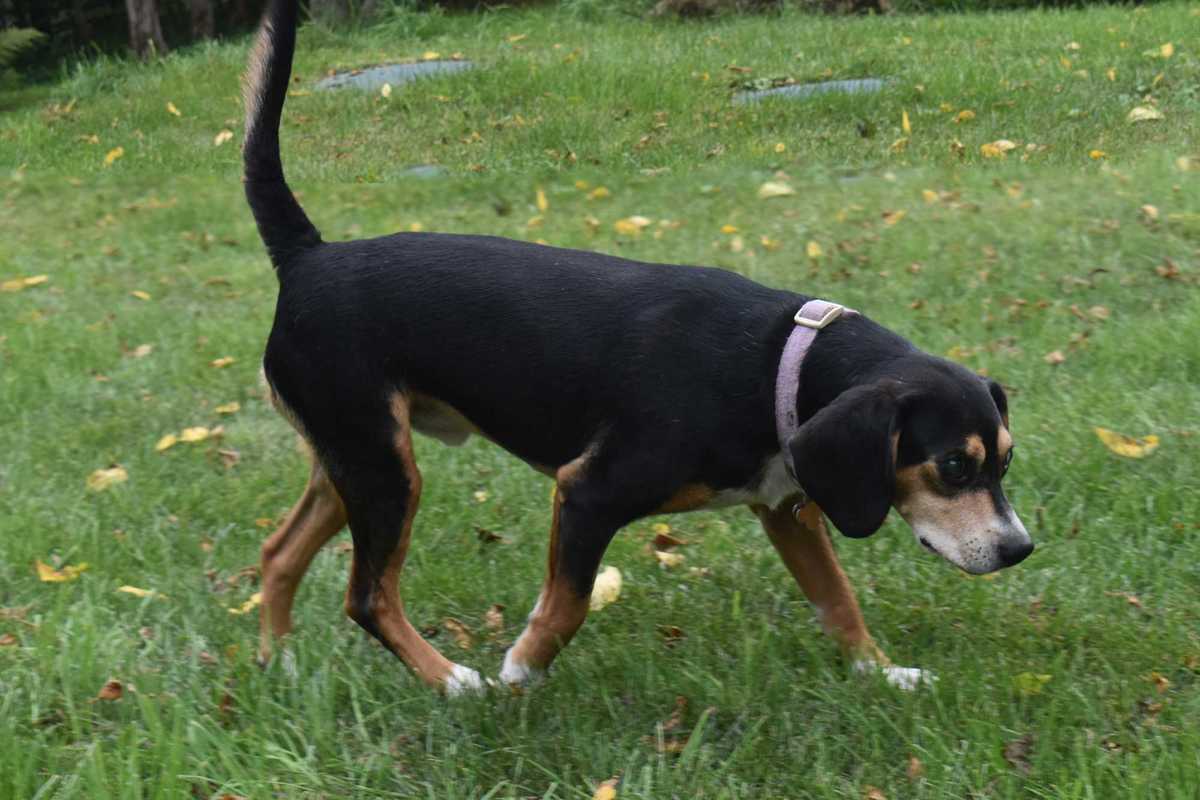
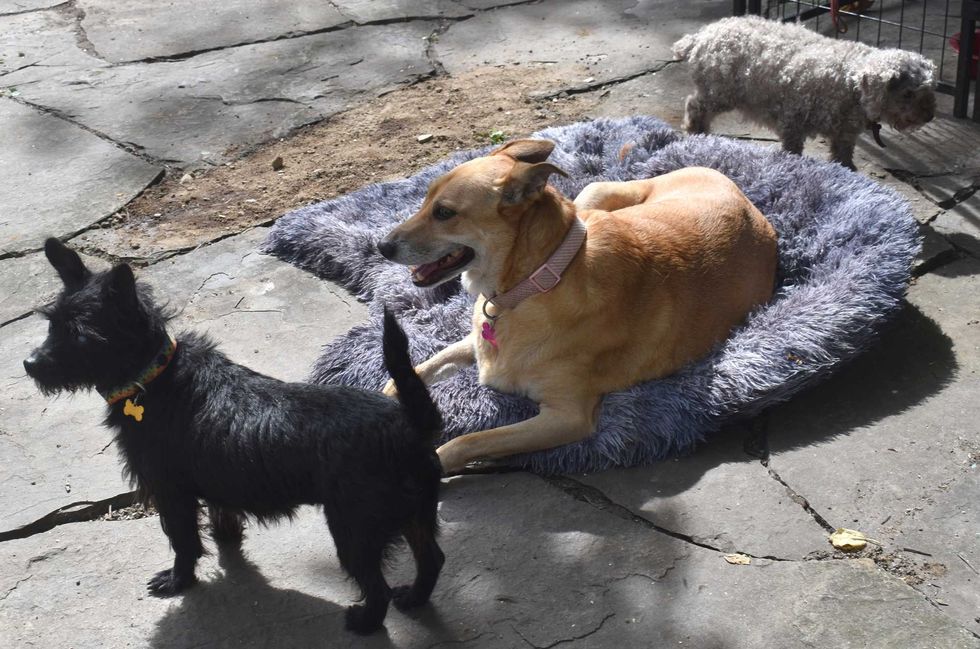 Sadie, center, a Carolina dog, plays with her friend Negra, a terrier mix. Bella Linda, the small poodle, has since been adopted.L. Tomaino
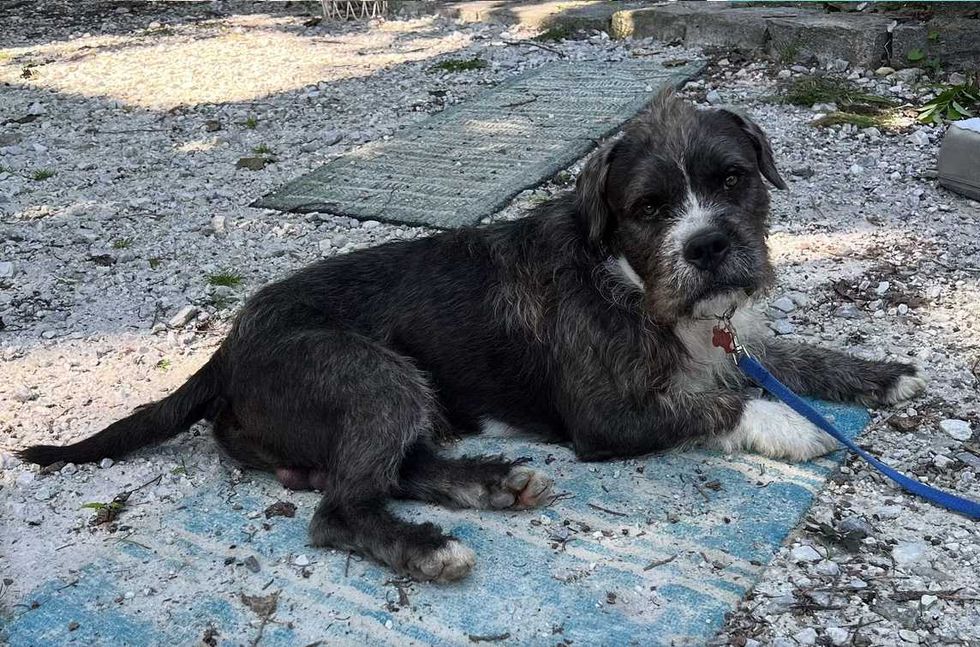 Wesley, a young, exuberant mix, is looking for an active home.L. Tomaino
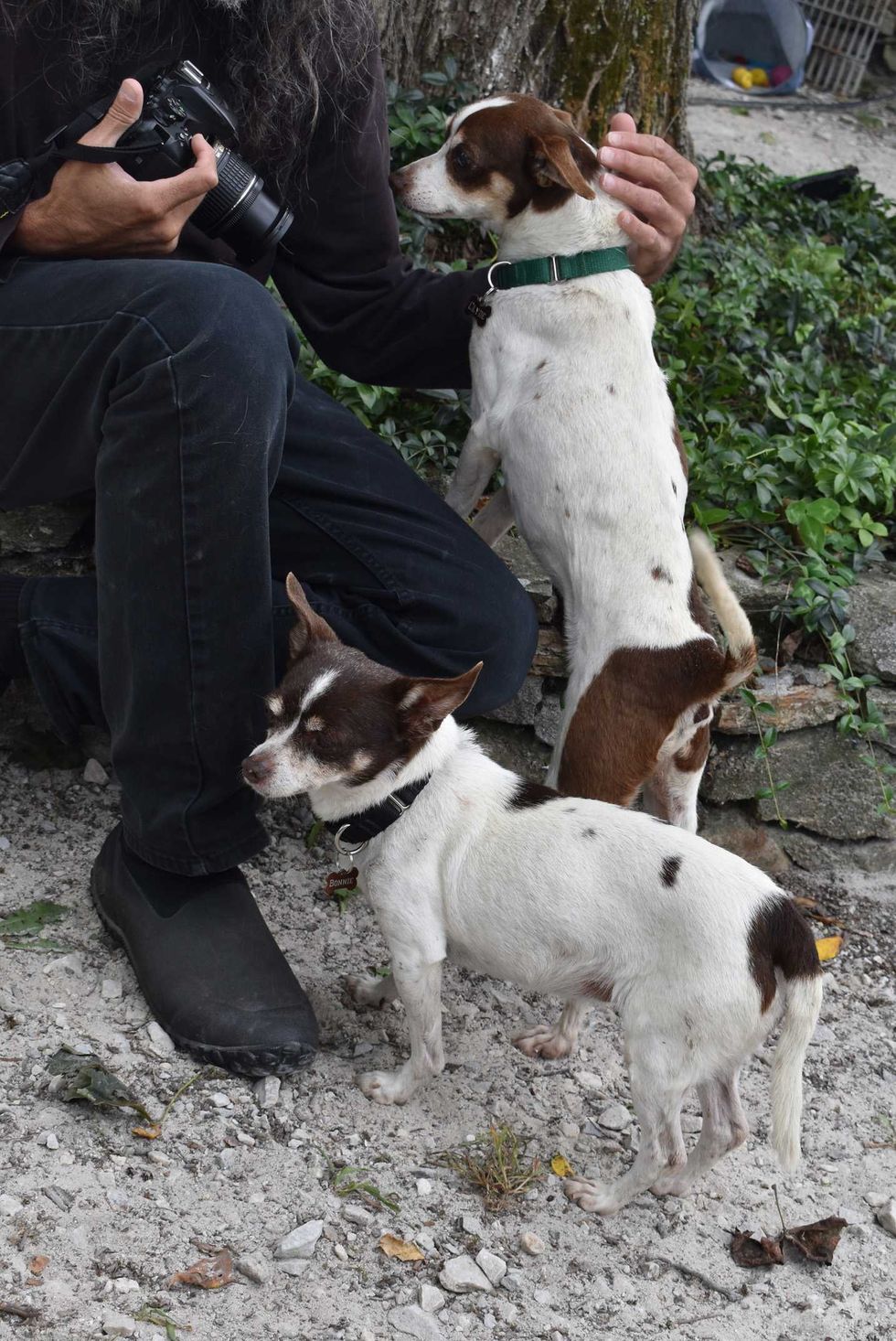 Bonnie and Clyde, an affectionate terrier pair.L. Tomaino