Editor’s note: This is the first of two articles in a series about Lime Rock Park.
SALISBURY — He built it and they still come.
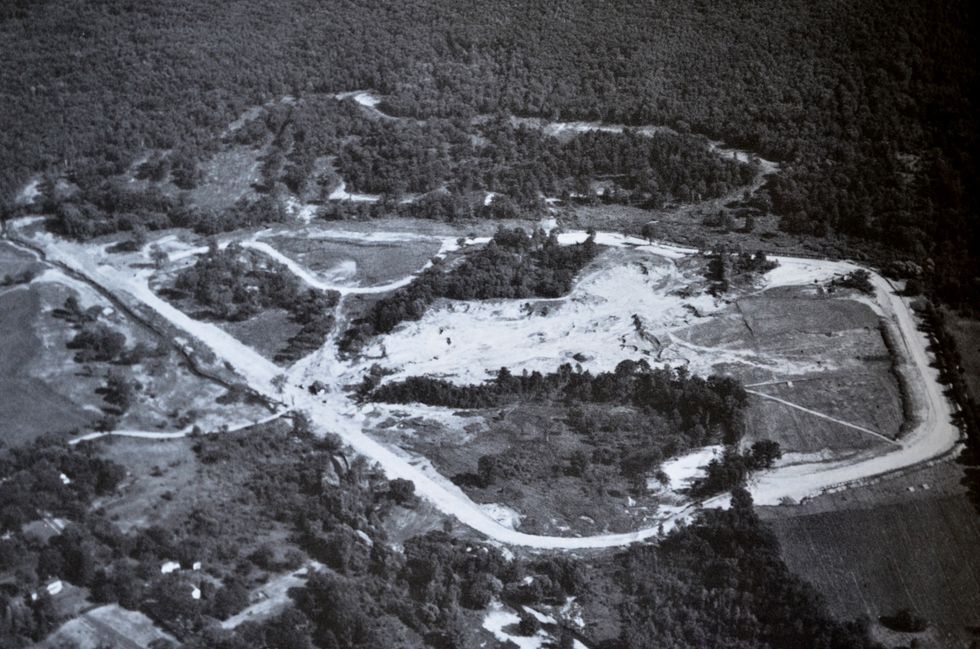
In 1956, young farmer Jim Vaill guided his bulldozer up hill and down dale, leveling swaths of mature trees and altering the course of the Salmon Kill as he paved the way for a 1.53-mile road-racing course on family land in bucolic Lime Rock.
Vaill could never have imagined that his primitive dirt track, where he and friends pretended to be race car drivers, would attract some of the most famous racing figures of the day and in the ensuing decades become entrenched in auto racing history as Lime Rock Park (LRP).
History of high-octane thrills
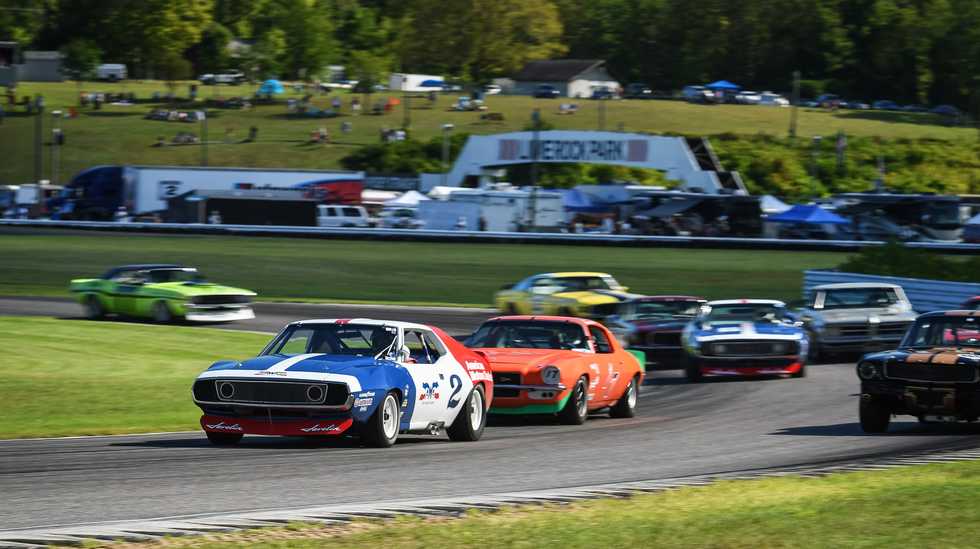
This year marks the venue’s 66th year of attracting world-class drivers as well as enthusiastic amateurs to the historic track, which has hosted most every major American road racing sanctioning body including American Le Mans Series, International Motor Sports Association (IMSA), Grand-Am, NASCAR, Sports Car Club of America (SCCA), Trans Am and World Challenge.
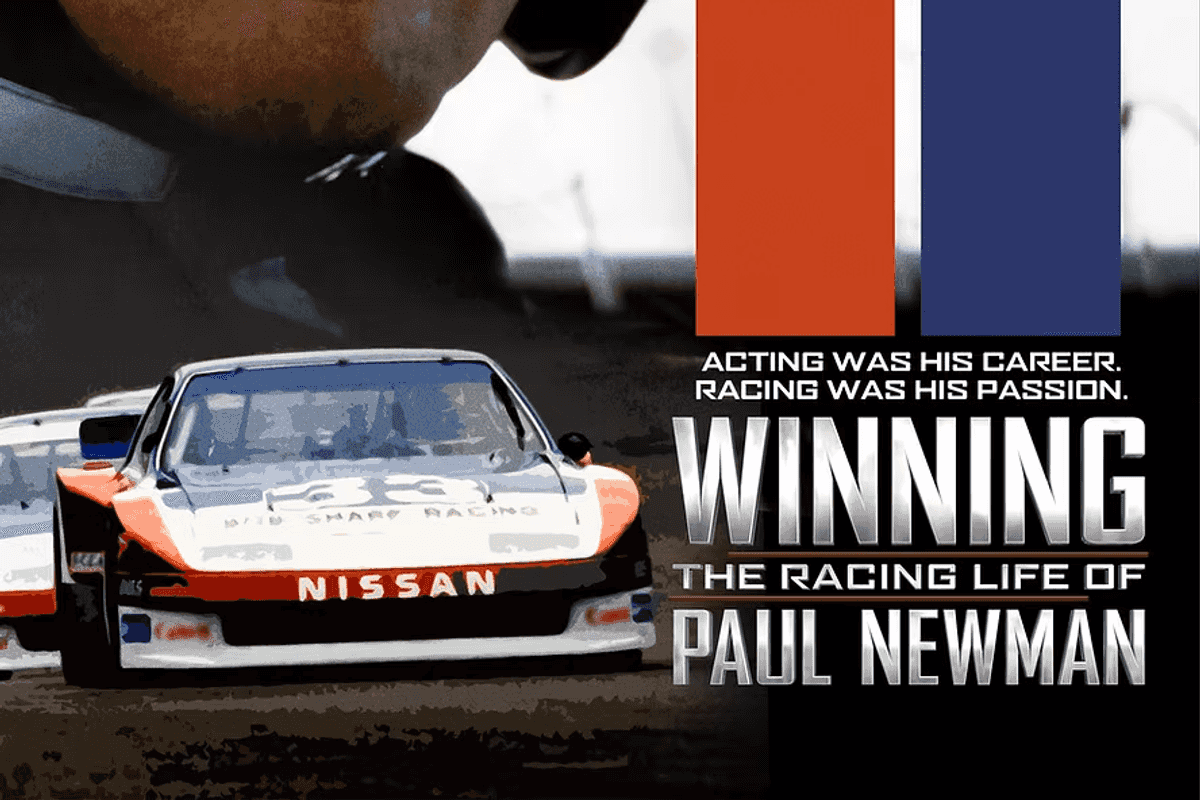
As one of the few racing venues on the National Register of Historic Places, Lime Rock Park remained faithful to its original seven-turn design, attracting driving legends such as Mario Andretti, Dan Gurney, Parnel Jones, Al Holbert, Derek Bell, Scott Pruett, Mark Donohue and Connecticut’s own celebrity racer and legendary actor Paul Newman.
Newman won his last race at LRP driving a 900-horsepower Corvette carrying his age – 81. He died in 2008 at age 83, only months after he took his last spin around the circuit with friends.
On Memorial Day in 2022, the track’s famous “No Name Straight” was bestowed a fitting name: the Paul Newman Straight.
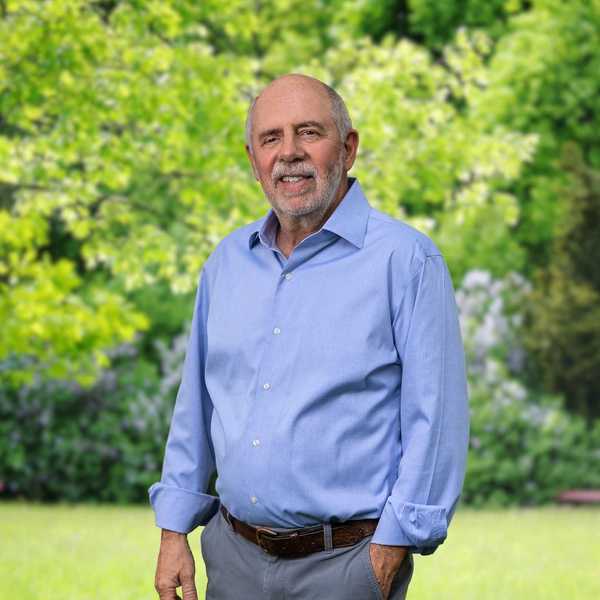
Dicky Riegel, CEO of Lime Rock Park and the former president and CEO of Airstream, Inc. and COO of Thor Industries, Inc., along with partners Bill Rueckert and Charles Mallory, formed the investment group, Lime Rock Group, LLC, which purchased the historic venue for an undisclosed sum from longtime owner Skip Barber in 2021.
Riegel, who has logged countless laps on the circuit since his days as a student at the Salisbury School, paused briefly to point out another named stretch of track honoring racing legend Sam Posey, dedicated in 2013. Both of the course’s straights, he said, “pay homage to these amazing and pioneering drivers and friends of Lime Rock Park.”
In honor of Newman’s legacy, LRP has partnered with his charitable The Hole in The Wall Gang Camp, which is now the partner of the track’s fundraising efforts.
It didn’t take long for the news of an unlikely, idyllic country racetrack to spread to a group of professional race car drivers from the Sports Car Club of America.
One day in the mid-1950s, several members paid a visit to the Vaill family farm and convinced Jim Vaill to construct a more permanent paved course on the 385-acre farm where he operated a sand and gravel business and his father, Frank, grew sweet corn and potatoes.
The circuit flourished, and in 1963, Jim Vaill, who was trained as a singer and enjoyed performing opera but worked for his family’s farming and construction business, sold the racetrack to sell real estate.
Track ownership changed hands several times until Skip Barber, who started a high-performance driving school at LRP, bought the track and guided it throughout its heyday and for 37 years until his retirement in 2021.
“Skip was looking for successors, future stewards for Lime Rock Park. He said he preferred to sell it to people who didn’t want to turn it into a golf course,” recalled Riegel.
Despite LRP’s popularity among drivers and fans, the track has been mired in controversy since the early 1960’s. Neighbors of the track, fed up with the roar of cars piercing their peace and quiet seven days a week, fought successfully to have Sunday be a day of silence.
As a result, LRP has operated for the last 60 years under a series of court injunctions banning Sunday racing and restricting the track’s activities, particularly regarding unmuffled racing and hours of operation. It is the only auto racetrack in the country where Sunday racing is prohibited and that limits its appeal as a venue for professional racing.
Neighbors maintain that the court injunctions represent a promise of mutual respect and agreement between neighbors and the track.
Tensions flared again in 2016, when LRP filed a lawsuit seeking to breach its contracts and to overturn the governing Connecticut Supreme Court injunction and allow Sunday racing and increase unmuffled events.
Named as defendants were the town of Salisbury, Music Mountain, Trinity Church, Lime Rock Cemetery and a group of neighbors. The court upheld the injunction.
That was the year that the grassroots, 495-member Lime Rock Citizens Council (LRCC), comprising neighbors and concerned residents in Lime Rock and beyond, revived its mission, recalled Doug Howes, the group’s vice president.
“The thing to remember is that most of us living in town came into town with the injunction already in place,” Howes said. “We never wanted to put the track out of business. Our goal is to keep the status quo.”
In 2021, Barber, who was nearing retirement, made one last unsuccessful bid to overturn the injunctions before selling the property to the present owners.
Riegel said while the prohibition on Sunday racing has been a “major encumbrance on our economic opportunity, we recognize the importance to the community. We now work in partnership with the town of Salisbury and P & Z led by Michael Klemens.”
He said LRP must continue to operate seven days a week to remain financially viable.
“Sundays are definitely a part of our plan at Lime Rock Park, but never with racing,” Riegel explained. “I think there have been concerns and misunderstandings in the past about transparency, but going forward, what we say, we are going to do. Sundays are quiet and we always respect our role in the neighborhood.”
Members of the grassroots LRCC said in an early June interview they are optimistic a peaceful co-existence will prevail under the track’s new owners.
Already this season, residents have complained about park patrons disregarding posted speed limits when arriving to and departing from events.
LRCC’s Lisa Keller said track officials have taken steps to address the problem.
“They’re a class act, no doubt,” Keller said. “But they want to make money and we want a good economic environment in town. It’s a very congenial relationship.”
Next: New owners chart historic racetrack’s future course

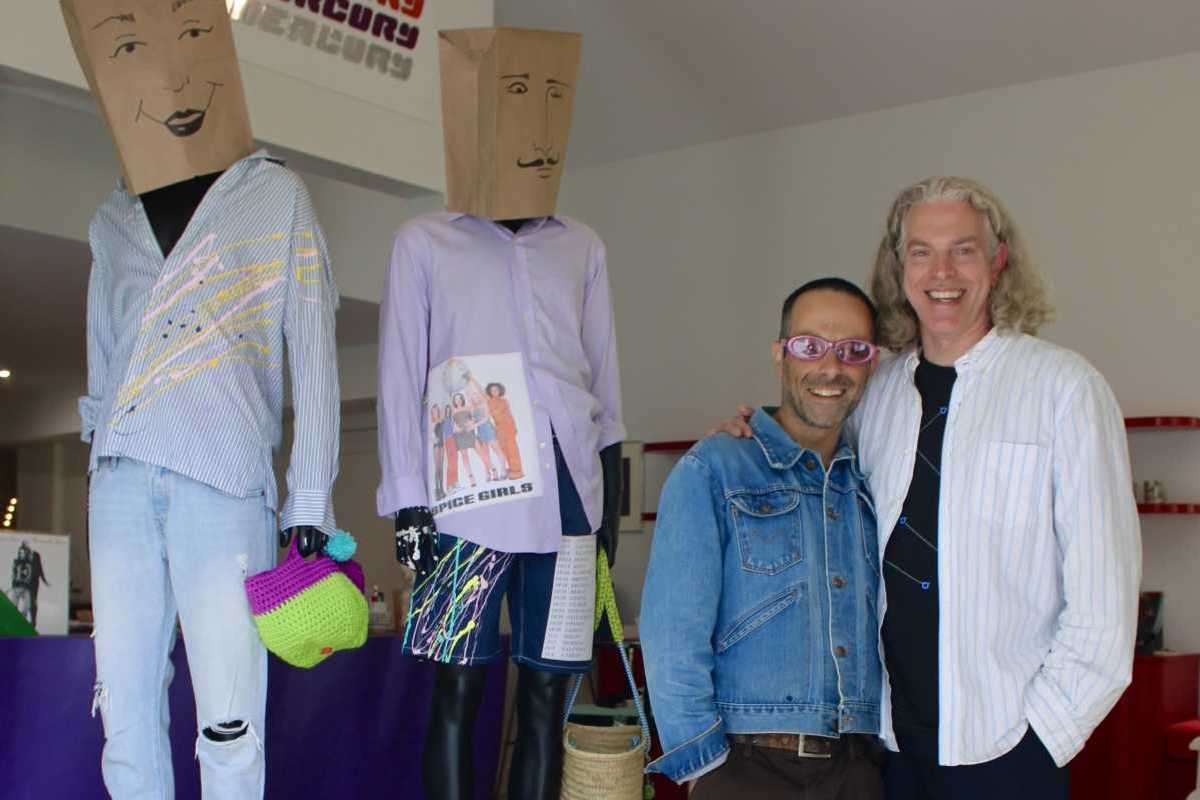
 Classic styles, bold colors, and creative concerts make up the “Imaginary Concerts” line at Peggy Mercury.Provided
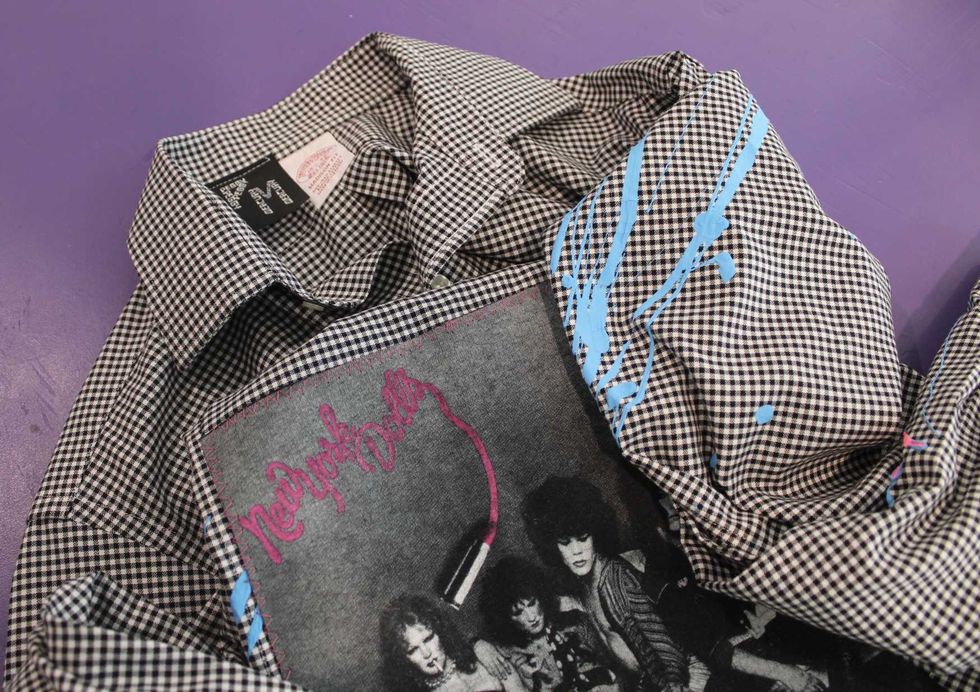
 Shirts from Peggy Mercury’s first fashion line, “Imaginary Concerts,” hang on display.Provided



 “Squirrels in the Shire,” a one-of-a-kind furniture piece created by Pryor and Peacock.Provided by Pryor and Peacock