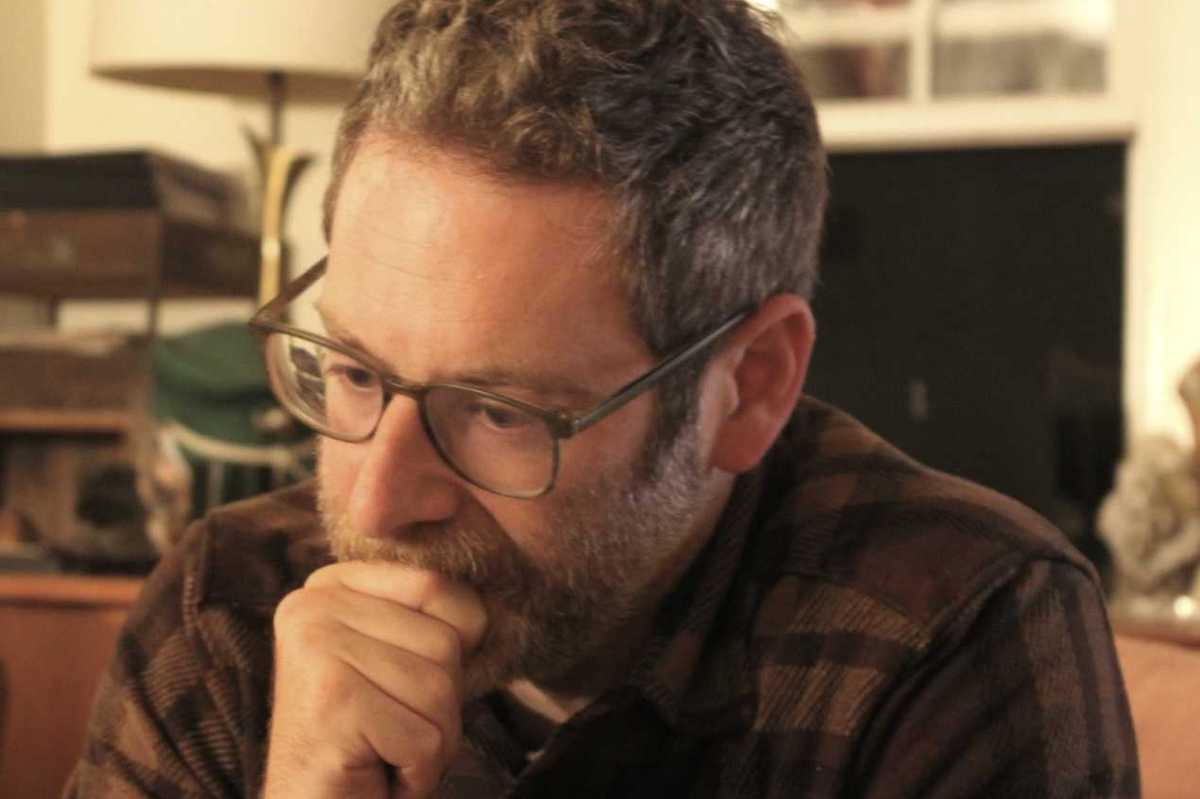
Sunday, July 20 was sunny and warm. Nic Mayorga, son of American concert pianist, the late Lincoln Mayorga, joined me at Tanglewood to hear Yuja Wang play Prokofiev’s Piano Concerto No. 2 in G minor, Op. 16. I first saw Wang on July 8, 2022, when she filled in for Jean-Yves Thibaudet on the opening night of Tanglewood’s summer season. She virtually blew the shed down with her powerful and dynamic playing of Liszt’s Piano Concerto No. 1.
Nic was my guest last season on July 13, when Wang wowed us with her delicate interpretation of Beethoven’s Piano Concerto No. 4. We made plans on the spot to return for her next date in Lenox.
As we found our seats there was a buzz in the Shed. A huge crowd had gathered. Nic went for tall cans of cold mineral water — essential. The Tanglewood Music Center Orchestra was on stage. The door opened, and out stepped Wang in a brilliant shear and sparkling silvery light dress befitting the warm day. Conductor Andris Nelsons followed. They greeted concertmaster Nathan Cole, and settled in.
The first movement, an Andandtino -Allegretto - Andandtino, is one where a 22-year-old Prokofiev distinguishes himself as an entirely new breed of concerto composers. It is far from typical. There is no conventional drama between opposing forces of piano and orchestra — just a light, gentle phrase with intentionally muted strings (pizzicato) and clarinets, giving way to Chopin-like left-hand figures from the piano, and a lengthy, divine melody in the right. There is beauty in this.Wang is in charge.
She transitioned to a faster march section that evolved into an extended solo played with great precision and attention to detail. The soloist had the floor until a raucous return of the full orchestra, followed by a pianissimo recollection of the opening. The two great forces now united, everyone was on the edge of their seat.
The second movement is a Scherzo: Vivace. Here, Wang showed her mastery over one of the most challenging sections — a relentlessly demanding moto perpetuo where the soloist must play unbroken sixteenths, both hands, in octave unison. Nic agreed that one must see this type of playing live to fully appreciate the artist. The orchestra added wonderful, subtle color and counter moods to this virtuoso spotlight. Wang’s command of the minutest shifts in tempo was astounding. The piano, here, produces melodies but also becomes a percussion instrument of the highest order.
In the third movement, an Intermezzo: Allegro moderato, the soloist gets a breather from the speedy tempos — but not quite, as she must alternate between delicacy and great force in figures while the orchestra layers a backdrop of a heavy march. Wang displayed her versatility here, commanding the tone, volume and moods as dictated by Prokofiev’s adventuring. Tempos changed. Everything changed. Yet throughout, each mini stanza and bar stood out — authentic, independent, real. Likely exactly what Prokofiev had in mind, but likely to elude all but the finest musicians.
In the Finale: Allegro tempestoso, Prokofiev reverts to the more conventional opposition-of-forces theme — the piano trying to overwhelm the orchestra in a barrage of flittering bright passages offset by heavy-handed chords. Wang chose a more collegial approach here. She was firm but polite; it never felt like a struggle. This made the transition to the next idea — where clarinets and violas offer a contrasting tranquility — smooth as silk. The solo piano continued with elements of Russian folk music, joined by the orchestra, building intensity before another solo piano display, and then a traditional buildup to a sweeping conclusion.
I glanced over at Nic’s joy and bewilderment. A standing ovation was followed, with encore performances of selections from Sebelius’s 13 Pieces for Piano, Op. 76, No. 2: Etude; Schubert’s “Gretchen am Spinnrade,” D. 118, arranged by Liszt; and Horowitz’s Variations on a Theme from Carmen.
Prokofiev’s debut of this concerto in 1913 did not go over quite as well. Some in the audience expressed displeasure at his ideas, hissed and rushed out. But Prokofiev expressed his displeasure at their poor taste, played an encore nonetheless, and fanned the flames. Sometimes a genius from one generation is misunderstood in his time but vindicated generations later by audiences and musicians of a different era. Such is the case with Prokofiez, who had the last laugh. Yuja Wang has her place in this saga. That she performs with the young musicians of the Tanglewood Music Center Orchestra shows her generous nature and kind heart — she cares about the future of classical music.
If you are curious and like to travel, Wang will play Prokofiev’s Piano Concerto No. 2 again several times this season: Nov. 13 at The Philharmonie de Paris; Dec. 4 and 5 at The Konzerthaus, Vienna; and Dec. 12 at The Concertgebouw in Amsterdam. I highly recommend it.


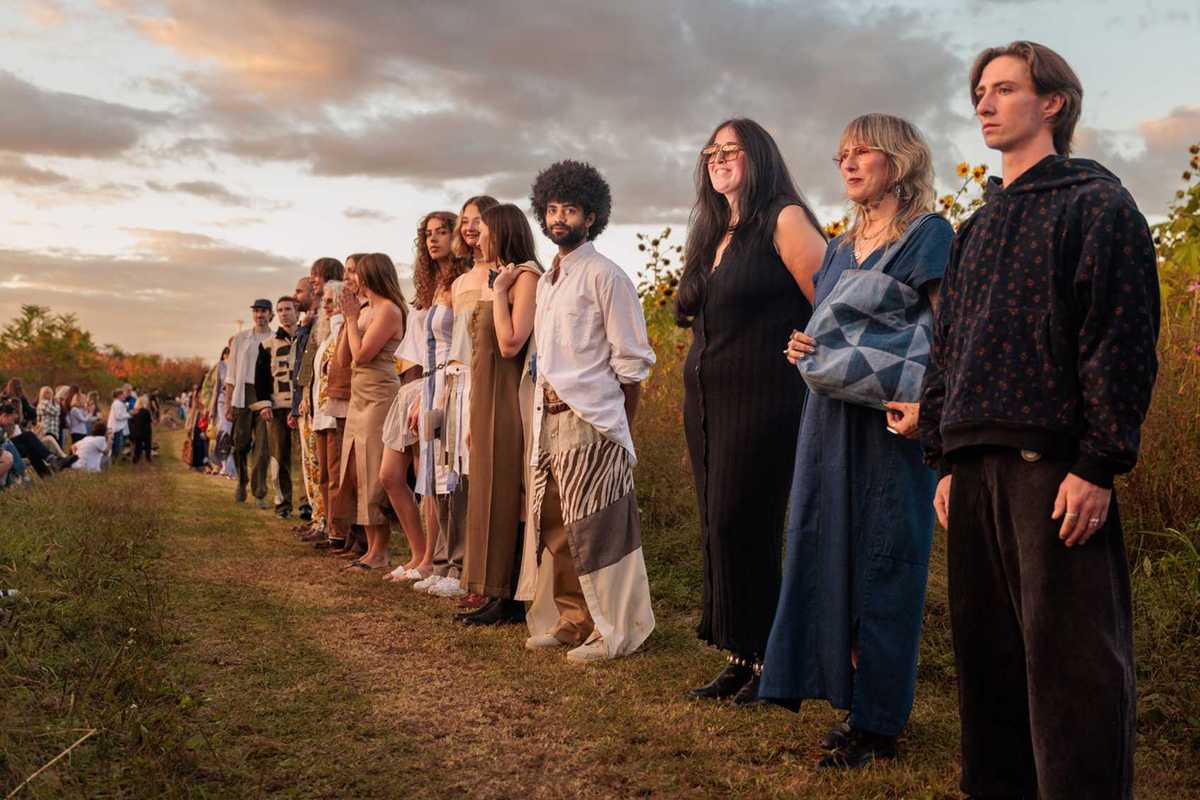
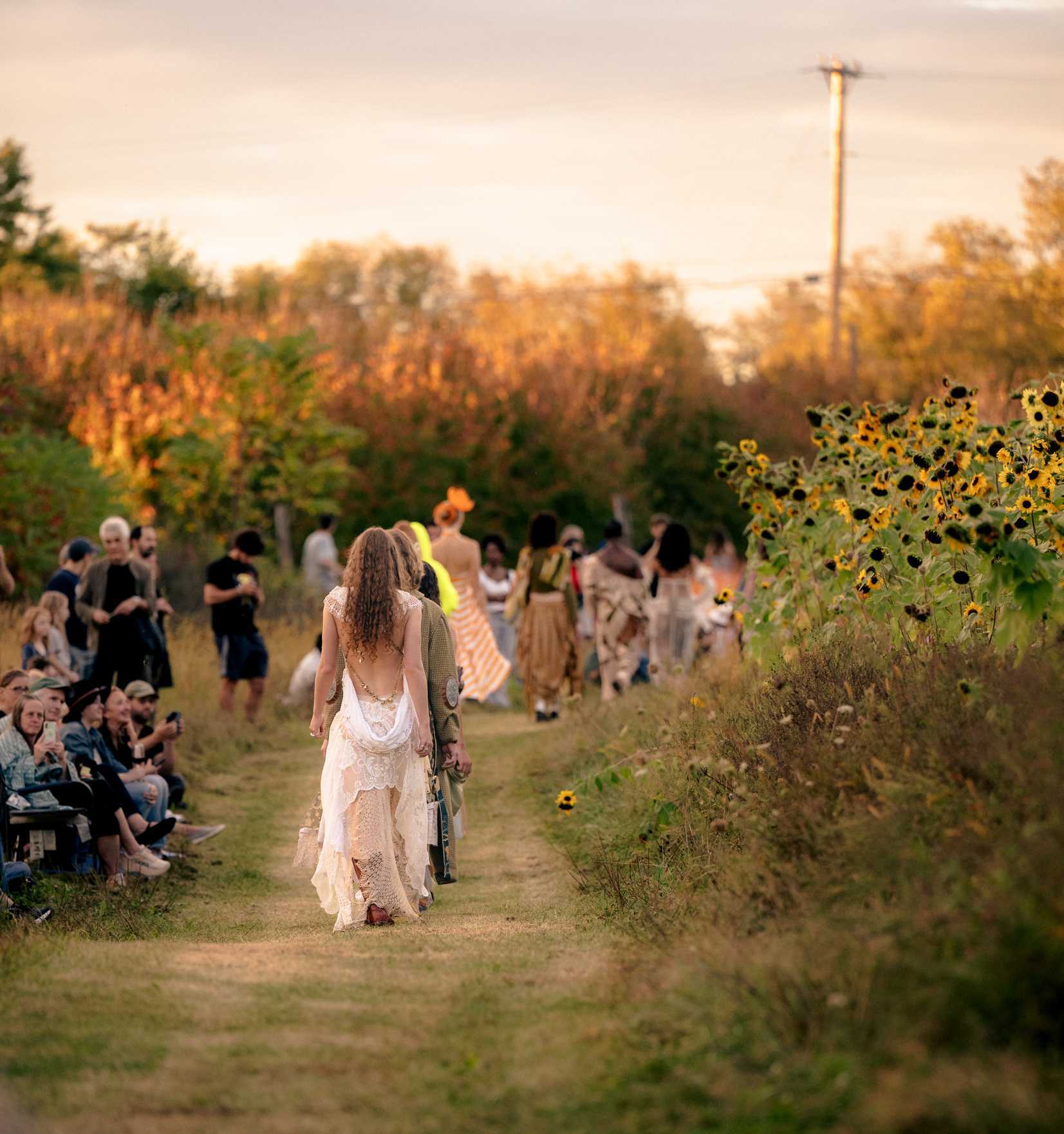 Models walk the organic runway at HVSFW. Ilan Harel
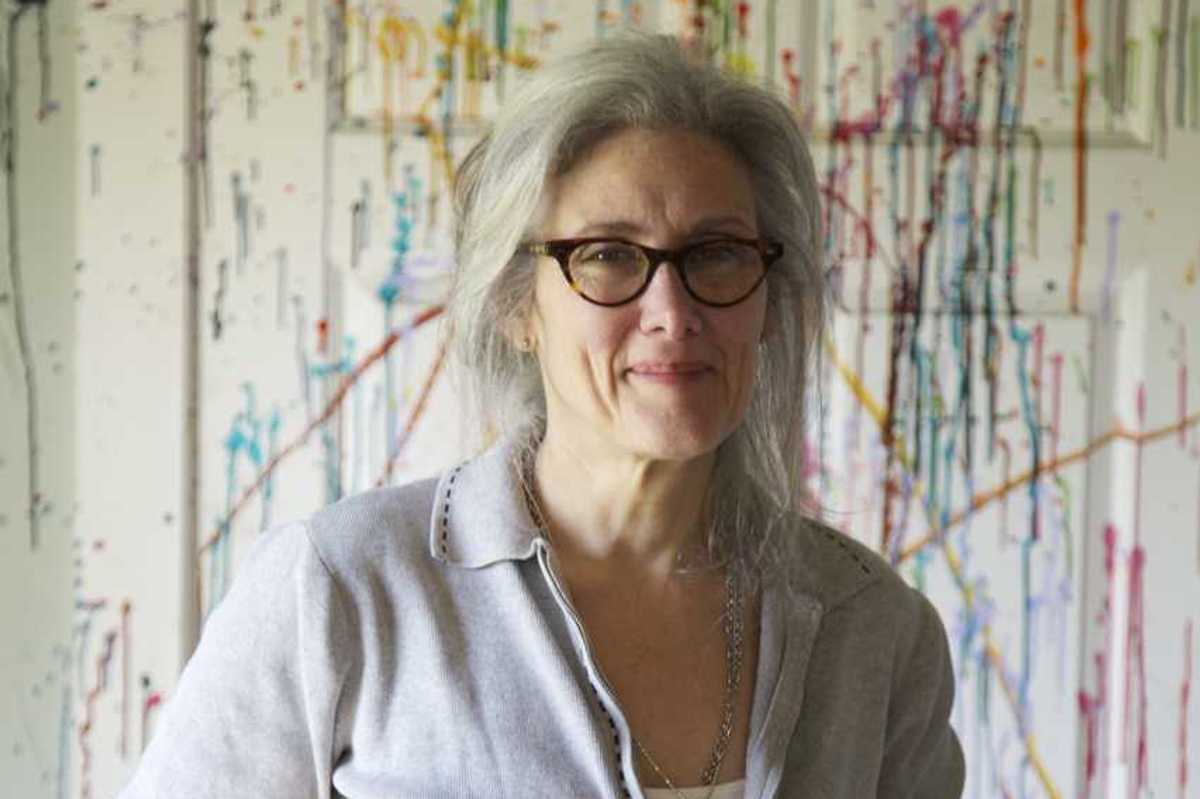
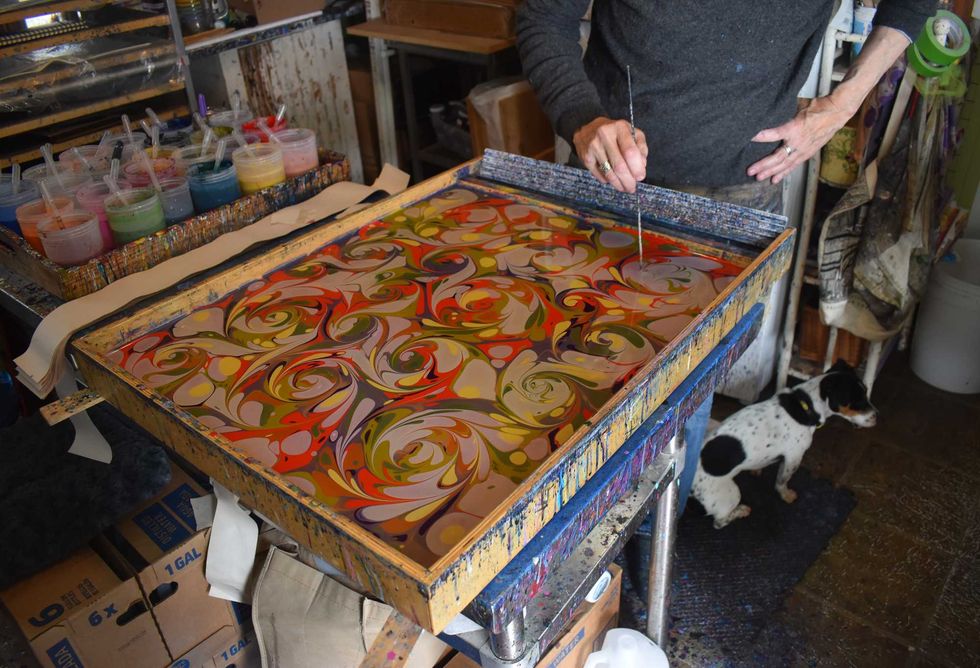 Susan Schneider, owner of Shandell’s, creates a variety of products with marbleized surfaces in her Ashley Falls studio.L. Tomaino