AMENIA — Since it began in 2021, the Troutbeck Symposium has been true to its vision to connect schools, educators, artists, historians and cultural institutions throughout New York and Connecticut. Key to the program is helping students engage in primary-source research into a slice of history that excites their curiosity, telling forgotten local stories or piecing together those that were under-recorded.
Symposium organizers held an interactive planning session for the 2027 event on Sunday, Oct. 4, at the Troutbeck Conference Center in Amenia. Invited were educators from area public and independent schools, historians, artists, historical societies, museums and others who could spark creative ideas toward the presentations to be featured at next year’s event.
Collaboration that brings independent school students and educators together with strong public school programs in a common experience is one of the consistent strengths of the program now in its sixth year, explained Troutbeck owner Charlie Champalimaud.
Continuing his commitment to the goals of the annual symposium since its inception, Hasan Kwame Jeffries attended the planning event. Jeffries is an Associate Professor of History in the College of Arts and Sciences at The Ohio State University in Columbus.
Jeffries teaches courses including Civil Rights and the Black Power Movement, all directly connected historically with Troutbeck where important progress was made toward the formation of the NAACP, an effort that took decades to bring about.
During an interview before the start of the planning event, Jeffries spoke of the program’s expansion, measured by standard metrics of success like numbers of participating school and students and their projects. Over the years, harder to quantify but observable, has been the students’ educational growth as they created their presentations.
Stressing that progress has been brought by a host of people, Jeffries said that the ultimate goal of the symposiums has always been toward creating a replicable model that can be distributed and adopted by school districts throughout the U.S. A packaged symposium model is easier to find funding for.
Michael Morand, Director of Community Engagement at Yale’s Beinecke Library, has been active with the symposium since its beginning. He spoke of the existing commitment and relationship between Yale and northwestern Connecticut. He said that students often visit New Haven to do archival research for their projects, looking at original documents.
Owen Schnepf, a Junior at Housatonic Valley Regional High School, said that his team of six students is planning to create a short film for the 2027 symposium, exploring the topic of women in the whaling industry. To gather information for the film project, the students will visit Mystic Seaport for research and interviews with historians.
“We are asking students to become historians,” Troutbeck owner Charlie Champalimaud said in opening the event.
“No one knows what the next step in education will be,” said Rhonan Mokriski, history teacher at Salisbury School, looking ahead to an age of A.I. Mokriski played a large part in the founding of the Symposium project.
“You know the stories; they are out there,” Mokriski told the students.
“Why is this important,” asked Prof. Jeffries. “It is not just to study history, it is to become historians.”
“What is democracy,” Jeffries asked the students. “It is knowledge and access to knowledge. Democracy means asking the difficult questions, learning about the past; how we came to be here at this particular time. History is important to self-governing. History is where the knowledge is.”
“How far can we go as a country,” Jeffries asked. “Look at the aspects of the past that make us uncomfortable in our present.”
“We are preparing kids to lead in the future,” Jeffries said of the symposium.
“We’re taking the classroom out of the schools,” Jeffries said, speaking of the value of students visiting a cemetery, or researching in archives or interviewing someone in South Carolina as students have done, using Zoom. “That’s when rich learning takes place.”
The 2027 Troutbeck Symposium will be held Wednesday, April 28 through Friday, April 30. For information, go to www.troutbeck.com.
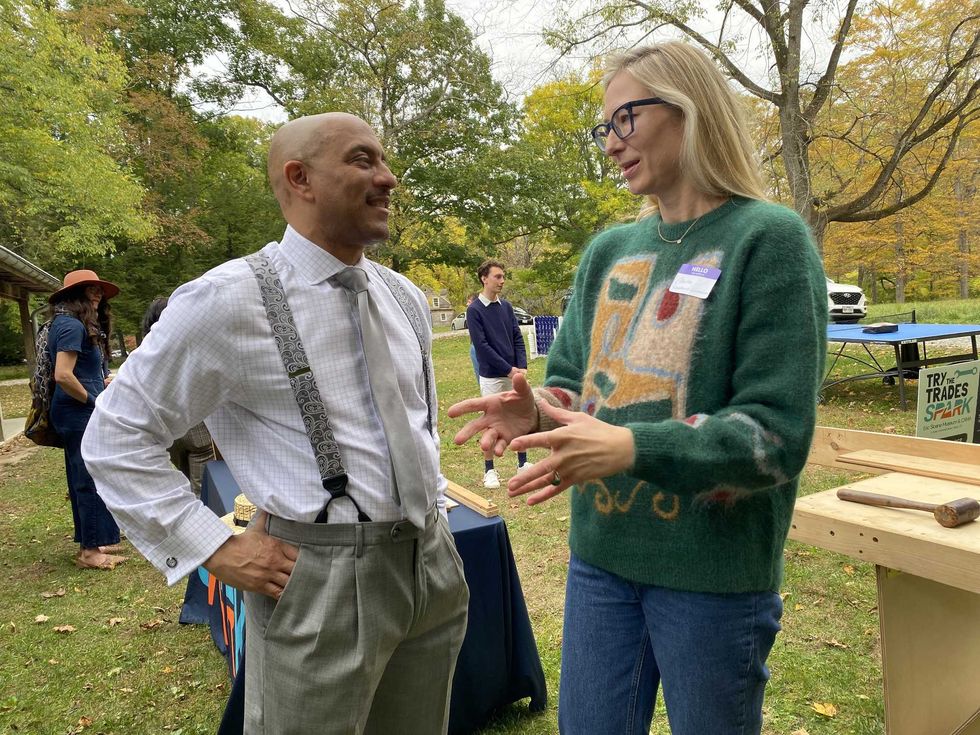 About to open the planning event for the sixth annual Troutbeck Symposium on Sunday, Oct. 4, Troutbeck owner Charlie Champalimaud spoke with guest speaker Hasan Kwame Jeffries of The Ohio State University, who has been a vital participant in the program since it began in 2021.Photo by Leila Hawken




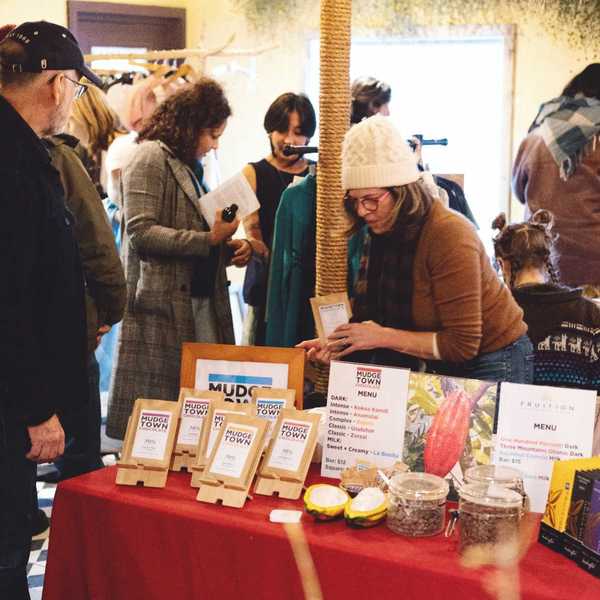 Farm & Friends 2025.Provided

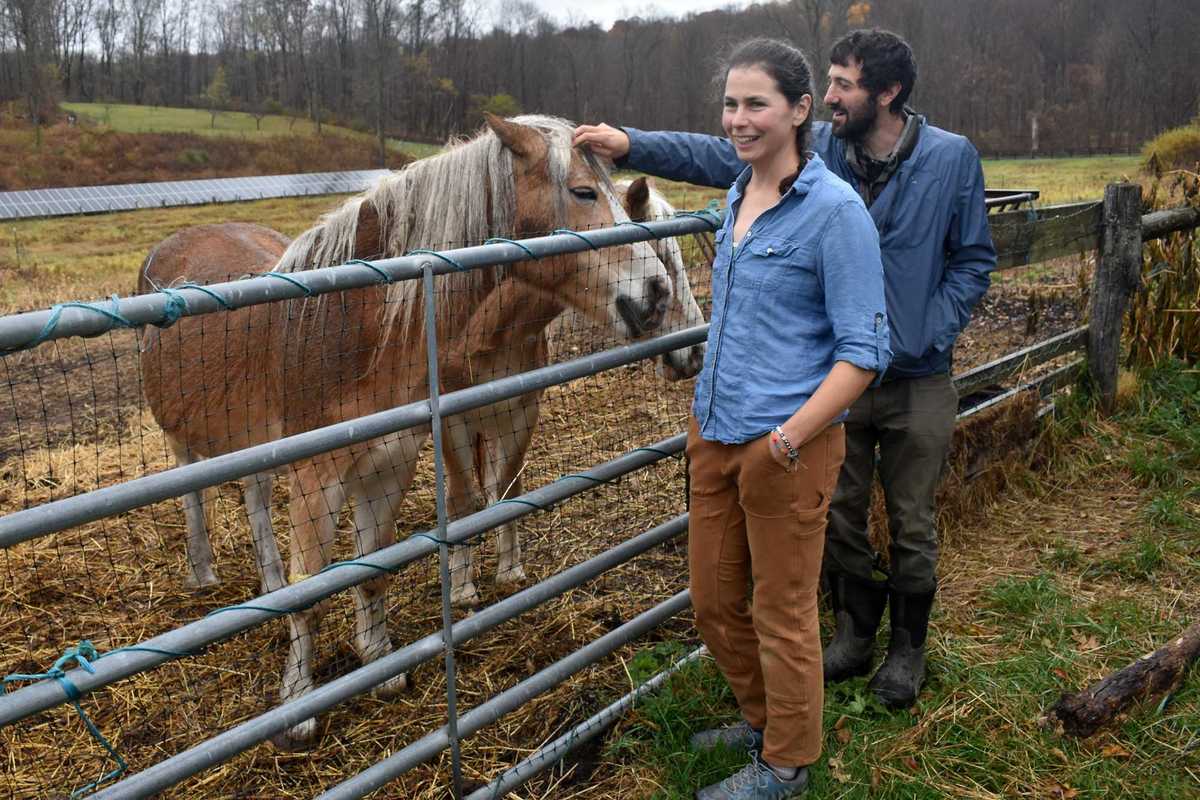
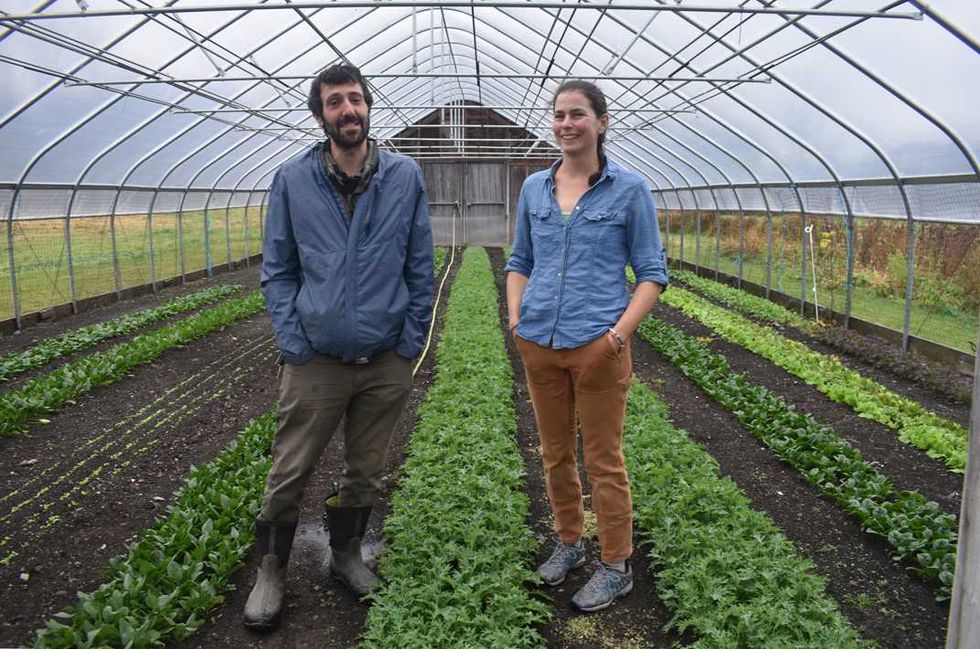 Mark Stonehill and Miriam Goler with their winter greens at Full Circus Farm in Pine Plains. L. Tomaino