PINE PLAINS — On Saturday, Aug. 5, at the Pine Plains Free Library, Sachem (Chief) Robert Hawk Storm Yawanawa Bergin of the Schaghticoke First Nations (SFN) presented the town of Pine Plains with a commemorative plaque honoring the history of the Schaghticoke-Mahican peoples in the region of Pine Plains.
Town Supervisor Brian Walsh accepted the plaque and issued a proclamation affirming the historic ties of the SFN people to Pine Plains and its surrounds. Reading aloud to a crowd of over 50 attendees, Walsh said, “The town of Pine Plains pauses to recall the important contributions of the Schaghticoke-Mahican residents to the historic development of this town, and that their descendants still proudly remain in our and other nearby communities in the Hudson Valley region, determined to pass on their history and culture to future generations.”
Following the proclamation, SFN genealogist Valerie LaRobardier gave a detailed presentation on the history of Shekomeko, an historic village of the Mahican peoples located within the township of Pine Plains. Shekomeko has been remembered as the site of a Moravian Mission, but the Mahican people had lived at that site long before the mission was established.
LaRobardier and Hawk Storm laid out the complex history of the relationship between these two groups, stating “The Moravian model was dramatically different [than its contemporaries], with missionaries freely socializing with the Mahicans, respecting their customs, and assisting with land disputes.” LaRobardier and Hawk Storm also dove into the definition and history of the Mahican peoples.
Rather than describing a monolithic group, the name Mahican describes a more fluid grouping of “autonomous bands and communities” of Algonquian-speaking tribes, and encompasses Schaghticoke, Wampanoos, Pequod, and Mahicans, to name a few. Living descendants of those peoples in the region include “the Schaghticoke First Nations, the Stockbridge Munsee Mohicans, and others.”
Hawk Storm shared that the name Schaghticoke means “the Mingling of Waters,” which signifies a merging of Algonquian-speaking tribes.
The presentation, which involved ample proof in the form of primary source documentation, was partly a dive into the history of the Moravians and Mahicans in the area, but more so a detailed genealogical accounting that affirmed the “Schaghticoke descendants who trace their lineage to these historic figures still reside in New York State.” Hawk Storm spoke passionately on this fact during the Q&A that followed, saying, “We’re trying to remind people that we’re here.”
Rather than focusing only on what the Schaghticoke-Mahicans have done in the past, however, Hawk Storm also shared plans for the future. SFN acquired 73 acres of land in Copake in 2019 as a part of their Schaghticoke Land Reclamation Project.
Hawk Storm spoke to the plans SFN has to steward that land far into the future, and build it into a cultural and learning center. “I’m big on the history, but I’m also big on the land,” said Hawk Storm. “What we’re doing is going back to understanding how we lived in right relationship with the earth. We’re living in a climate crisis right now, and we need to learn from how our ancestors lived on the planet. Not just here, but everywhere.”
Though SFN is not a federally recognized American Indian Tribe, the Bureau of Indian Affairs recognized, affirmed, and published the familial lineages of SFN members in 2002 and 2004. More can be learned about the Schaghticoke First Nations at www.schaghticoke.info


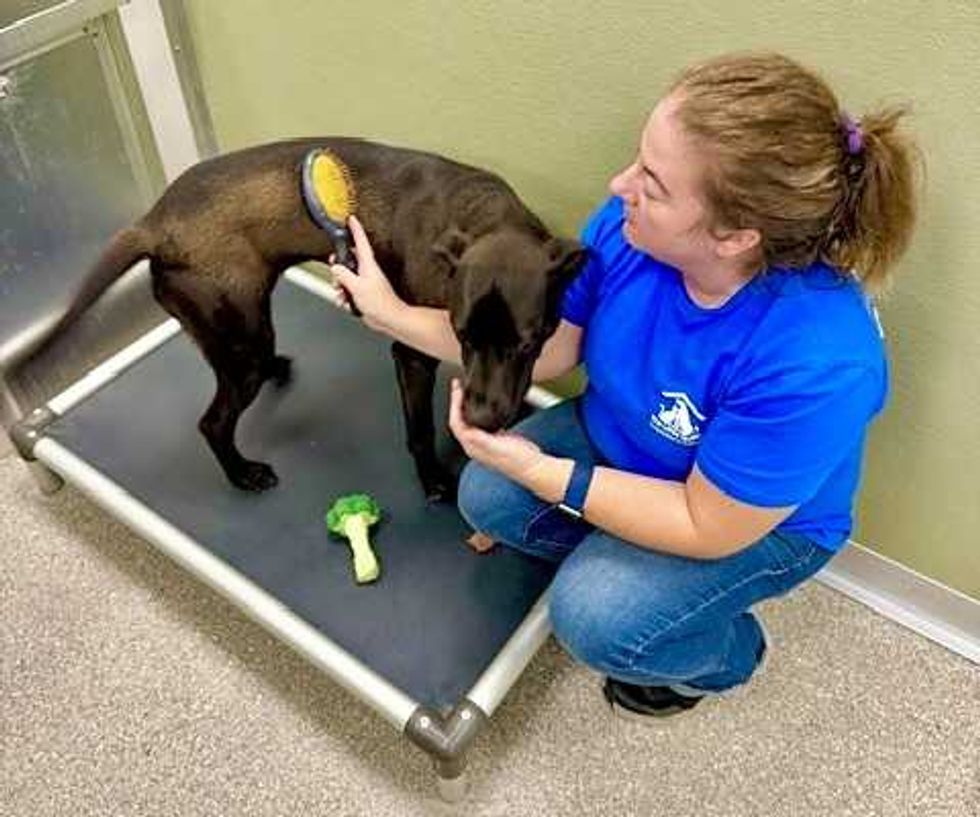 Tiffany Lemelin, shelter manager, brushing Marsala upon arrival.Provided
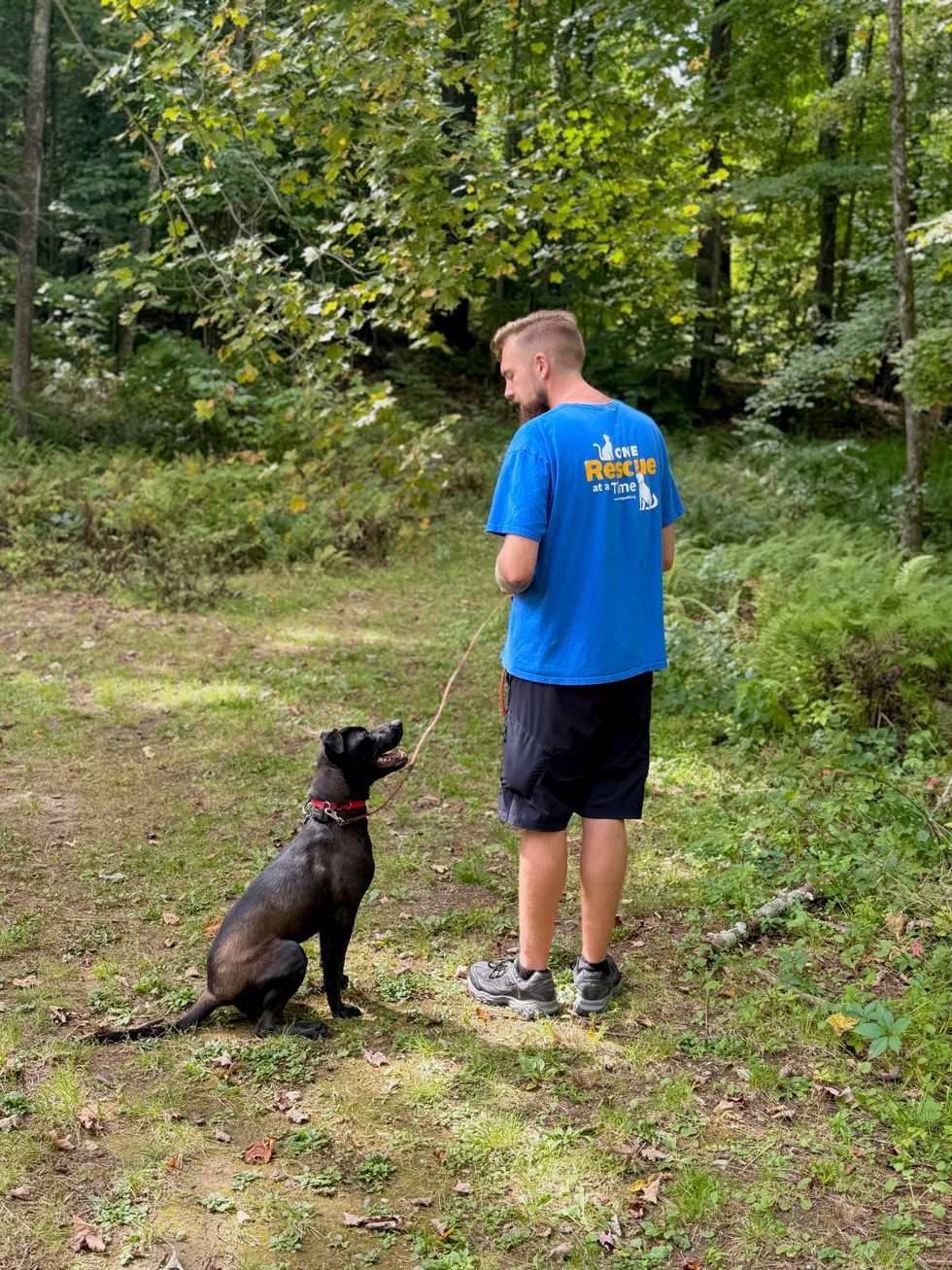 Michael DeBarba, certified dog trainer working with Marsala.Jennifer Almquist
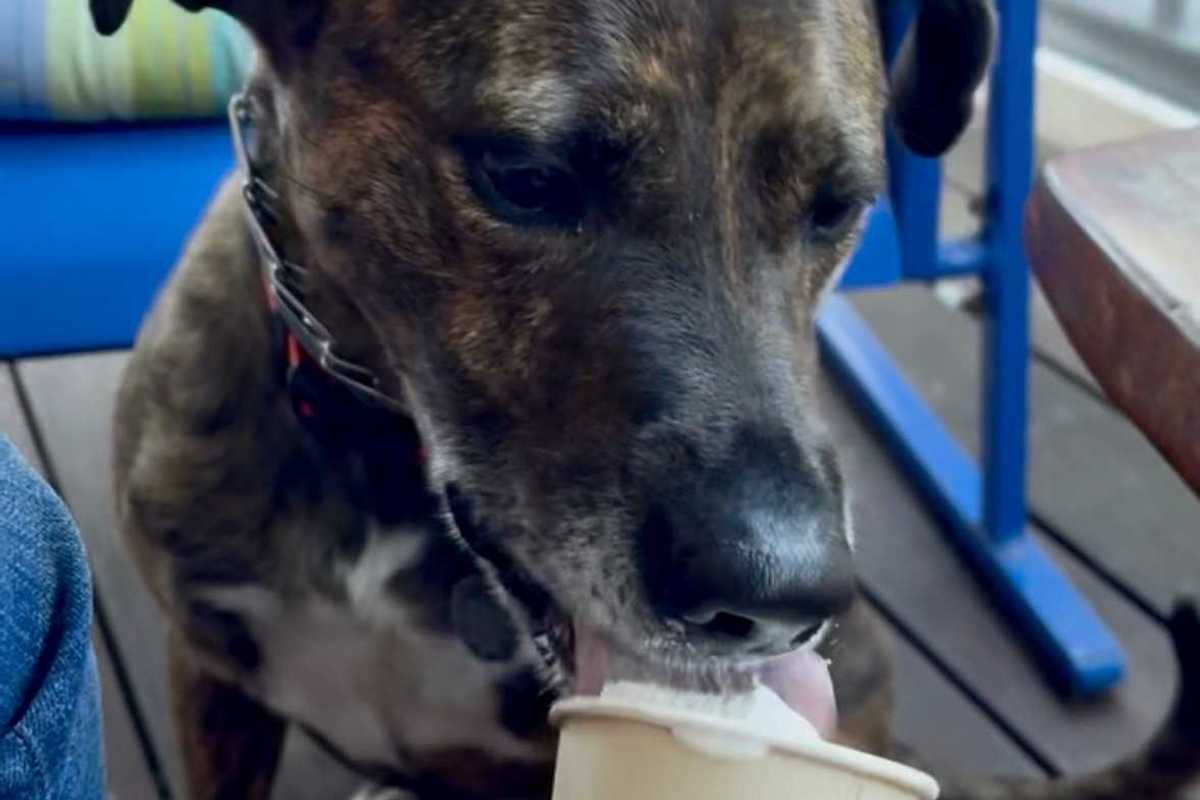
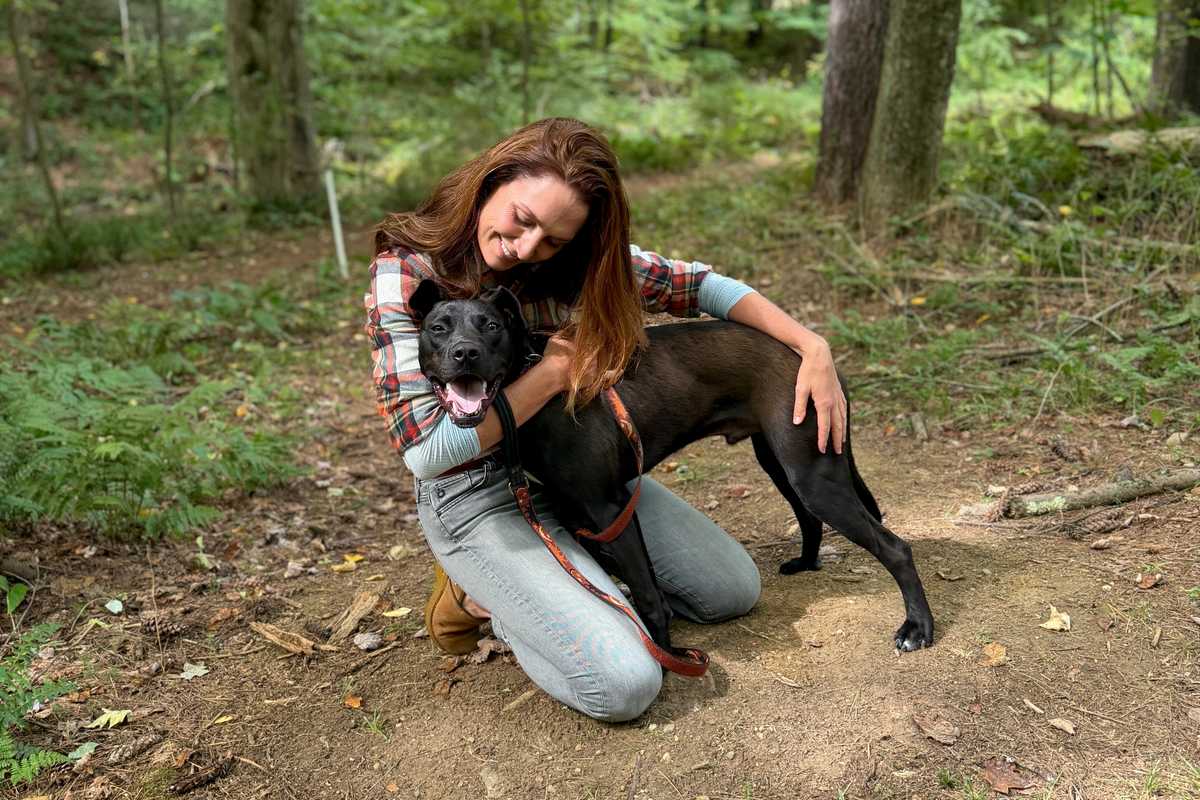 Marsala wins a heart.Jennifer Almquist
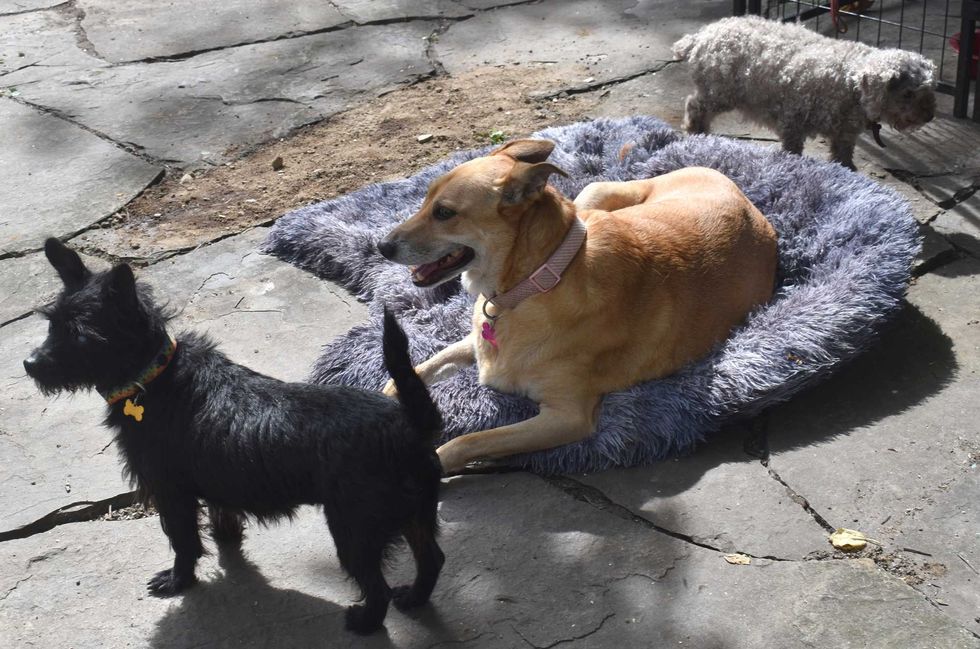 Sadie, center, a Carolina dog, plays with her friend Negra, a terrier mix. Bella Linda, the small poodle, has since been adopted.L. Tomaino
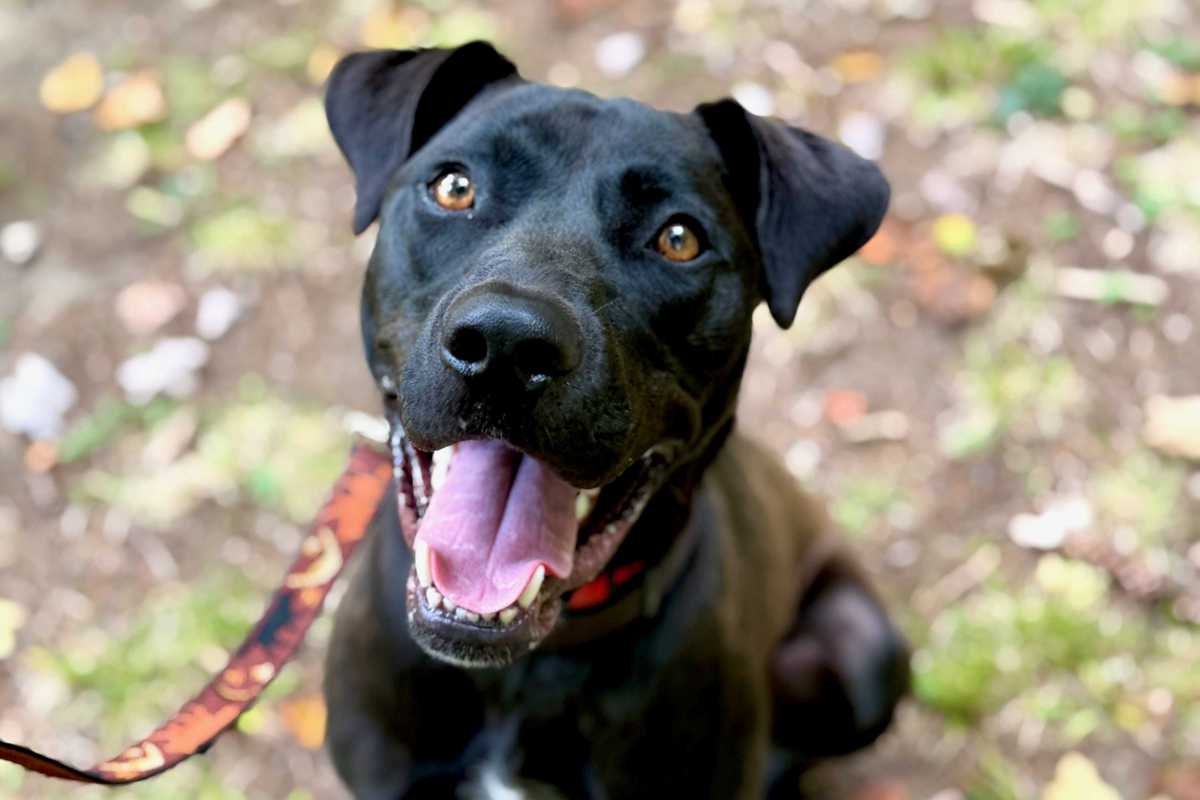
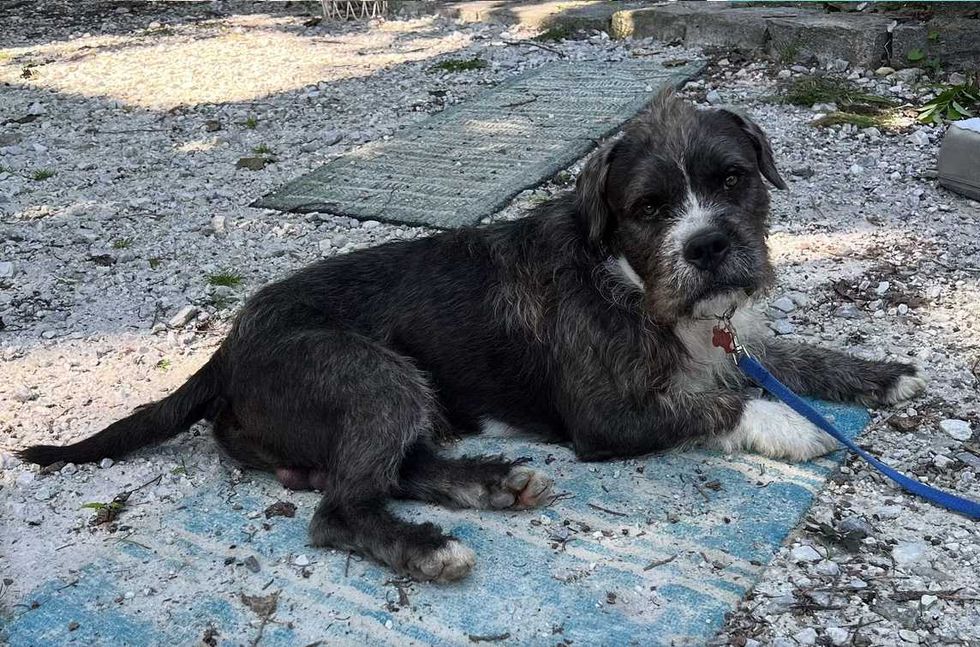 Wesley, a young, exuberant mix, is looking for an active home.L. Tomaino
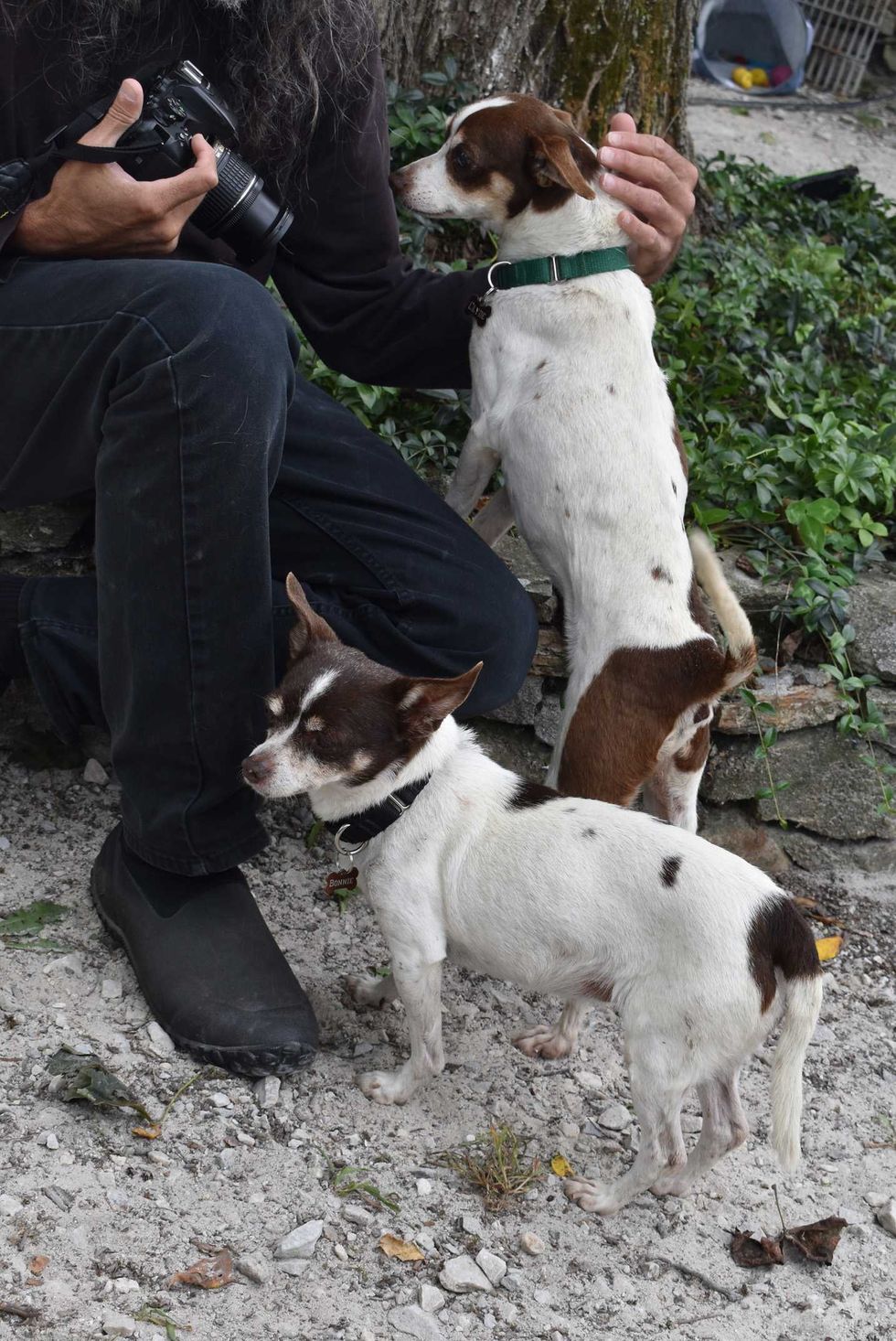 Bonnie and Clyde, an affectionate terrier pair.L. Tomaino