Thank you!
Your support is sustaining the future of local news in our communities.

Habitat for Humanity home project proceeds; volunteers sought to help

Habitat for Humanity home project proceeds; volunteers sought to help
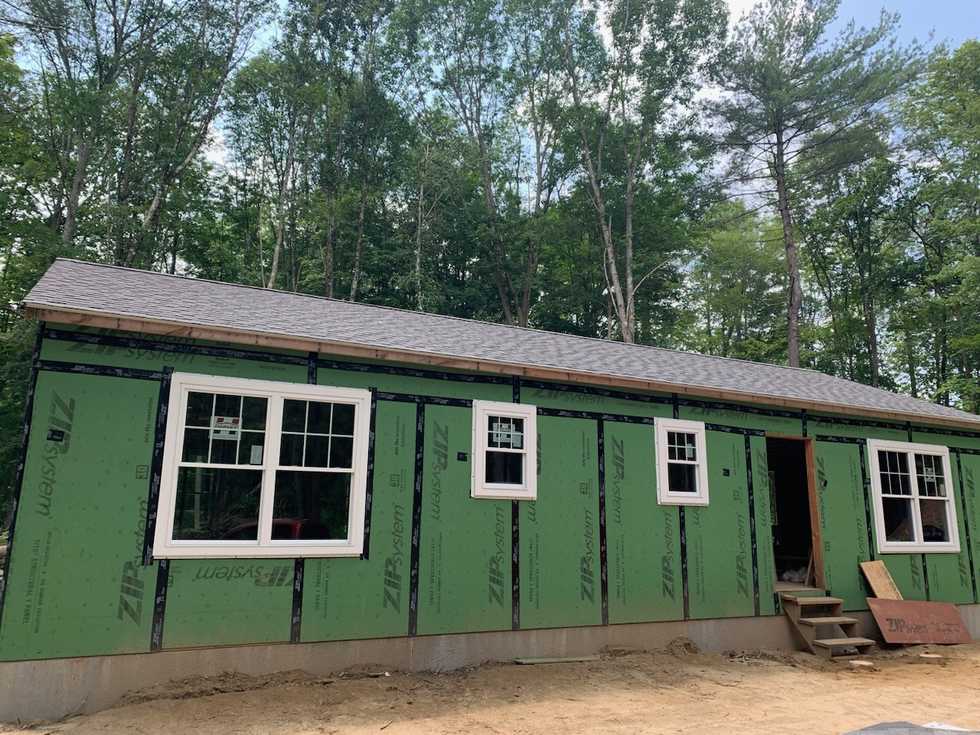
Habitat for Humanity brings community organizations and other individual volunteers together to build affordable homes for local families like this one on Salisbury Road in North Canaan. Photo submitted

NORTH CANAAN — Habitat for Humanity of Northwest Connecticut chose a family in their July 1 round of applications for a new project, and they need volunteers to help.

The organization provides affordable housing for families, with a volunteer base that builds up lots with gifted time and effort. They employ an effective “affordability formula,” so lower-income families can own homes.

Potential families qualify for the program if they earn less than 60% of the median income for Litchfield County. A four-person family, for example, could have $61,740 as their maximum income. Additionally, those interested must be able to afford about $800 to $1,000 monthly payments for the Habitat mortgage (this includes insurance and taxes). Utility payments are separate.

This current project is located on 324 Salisbury Road in North Canaan. “We broke ground on this property last December,” said Habitat Executive Director Evan Cooper. “It’s located on a nice, beautiful lot, and it’s a single-family home with three bedrooms and two bathrooms.

There are three lots in this location — one was built into a home years ago. That homeowner volunteered for the current project. Cooper explained, “He had some volunteer hours to finish up. It’s great he was that close.” The third lot is open for a future home.

As a part of the program, families that move into affordable homes must contribute hours to the umbrella volunteer effort. This includes working on their house, returning for work on new properties, or helping with fundraising events. In all, they must complete 400 “sweat equity” hours.

The application process is quite transparent. Habitat posts notices in newspapers, social services offices, and online, to communicate need for a new family. A selection committee reviews applications. If candidates meet Habitat’s’s preliminary qualifications, they progress to an interview.

“Demonstrating a need for safe and affordable housing is a top criterion, but the committee also looks at standard things like income, credit, debt to income, saving, employment history and ties to the community,” Cooper said.

Habitat’s “affordability formula” works to see families own homes, who traditionally could not. In short, the organization owns the land, and the family pays a ground lease.

Cooper said, “Our affiliate holds the mortgage, so we are able to offer… flexible terms.” Flexible terms mean low property taxes and a zero-interest mortgage.

In some cases, families don’t own houses initially. They might begin with a rental program, buttressed by Habitat homeownership classes. Eventually, with the organization’s help, they move to the homeownership model explained above.

Habitat hopes to see the Salisbury Road project finish for an early fall move-in date.

Ken Hall is the current site supervisor. He oversees material ordering and volunteers. Community members contribute to construction in many ways, from putting up drywall to landscaping.

“We just finished installing the roof and windows,” said Cooper. “Our next steps are electrical, plumbing and siding.”

Local service is the core of Habitat’s success. Richard Herrington, part-owner of the lumber and material supply business Herrington’s (with six locations including Lakeville and Millerton), started off the Salisbury Road construction with a donation.

Herrington’s provides Habitat with most materials. However, “Prices have gone up substantially,” Cooper said. “We’ve always been proud of building affordable homes for well under square-footage market price, and we’re still able to do that, but it’s tough.”

Volunteers of all ages, starting in high school, can visit the Habitat website to sign up and help. Also, on Sept. 23, community members can attend Habitat’s annual fundraising event at the Green Barn of Stillwaters Farm in Salisbury.  There will be food and entertainment from local performer Wanda Houston. Invitations will be sent out in email and print, and information will appear on the website.

Habitat has other projects underway as well. Recently, a homeowner who lived in a Falls Village property for 12 years passed away. “We’re in the process of buying that house back from the estate, so it can remain an affordable housing unit,” said Cooper.

An eligible family has already been selected for the Falls Village property.

Latest News

Millerton wine shop owner organizes charity wine tasting for local child

Millerton Wine & Spirits owner Chris Jeans has organized a charity wine tasting to benefit the family of Crew Slater, a Millerton native with congenital kidney disease. The wine tasting is set for Thursday, Oct. 29, from 6 to 8 p.m. at Pasture Kitchen on Route 44 just east of the Village of Millerton.

Illustration provided

MILLERTON — Two local business owners have joined forces to put on a charity wine tasting benefitting Millerton's Slater family.

Crew Slater, a 5-year-old Millerton native, needs a kidney transplant to survive congenital kidney disease. Millerton Wine & Spirits owner Chris Jeans and Pasture Kitchen founder Austin Cornell have organized a charity wine tasting at Pasture Kitchen on Route 44 next Thursday, Oct. 29, from 6 to 8 p.m.

Keep ReadingShow less
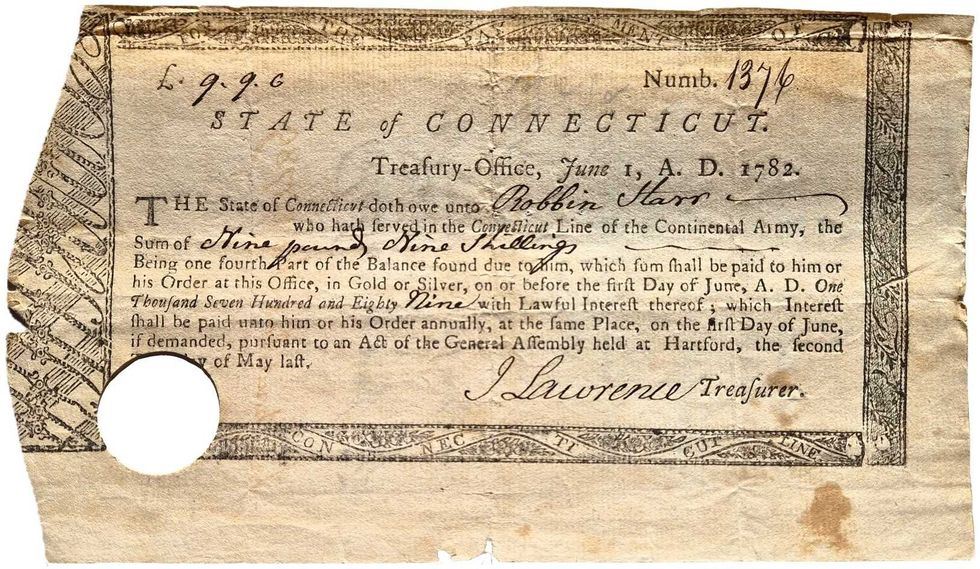
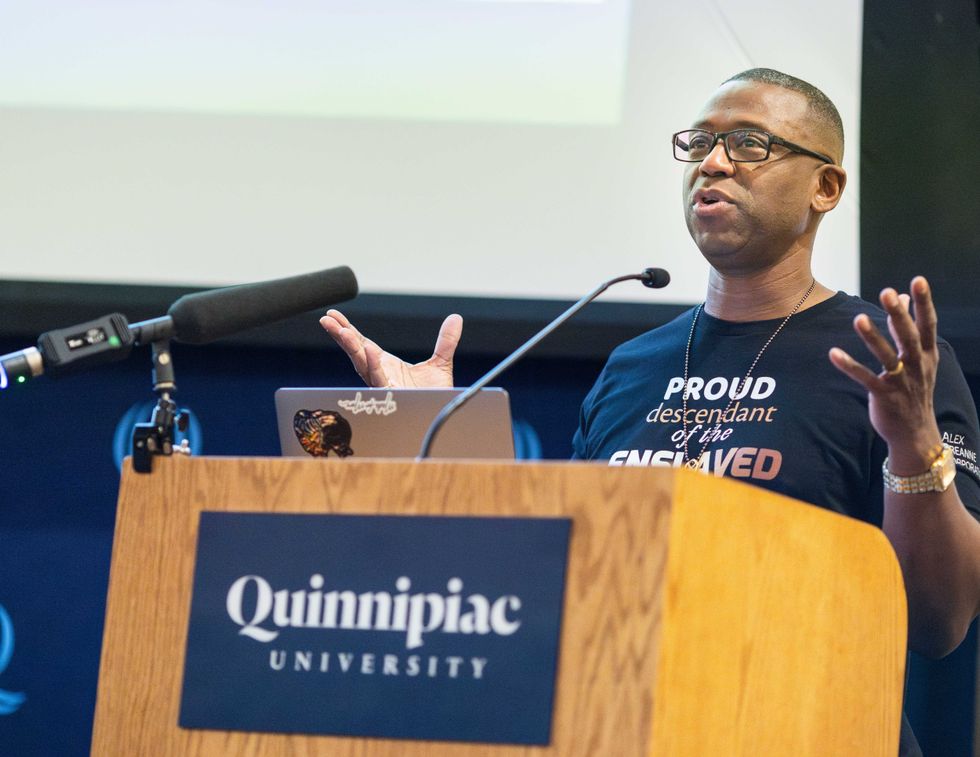
Cornwall Historical Society celebrates Connecticut’s Black patriots

On Saturday, Oct. 24, at the Cornwall Historical Society, author and genealogist John Mills will breathe new life into the stories of some of Connecticut’s more underappreciated patriots. The reason these heroes were forgotten? They were Black.

At a time when white colonists were fighting for their own liberty and political independence, many Black men who fought alongside them remained enslaved. Some risked their lives only to return to bondage. Though enslaved people were promised freedom from both sides of the Revolutionary War in exchange for their service, Great Britain, too, was still deeply dependent on slavery. For Black people in America, the war presented both extraordinary risks and uncertain paths to the freedom that white colonists were demanding for themselves.

Keep ReadingShow less
google preferred source

Want more of our stories on Google? Click here to make us a Preferred Source.

A sanctuary for second chances

A sanctuary for second chances

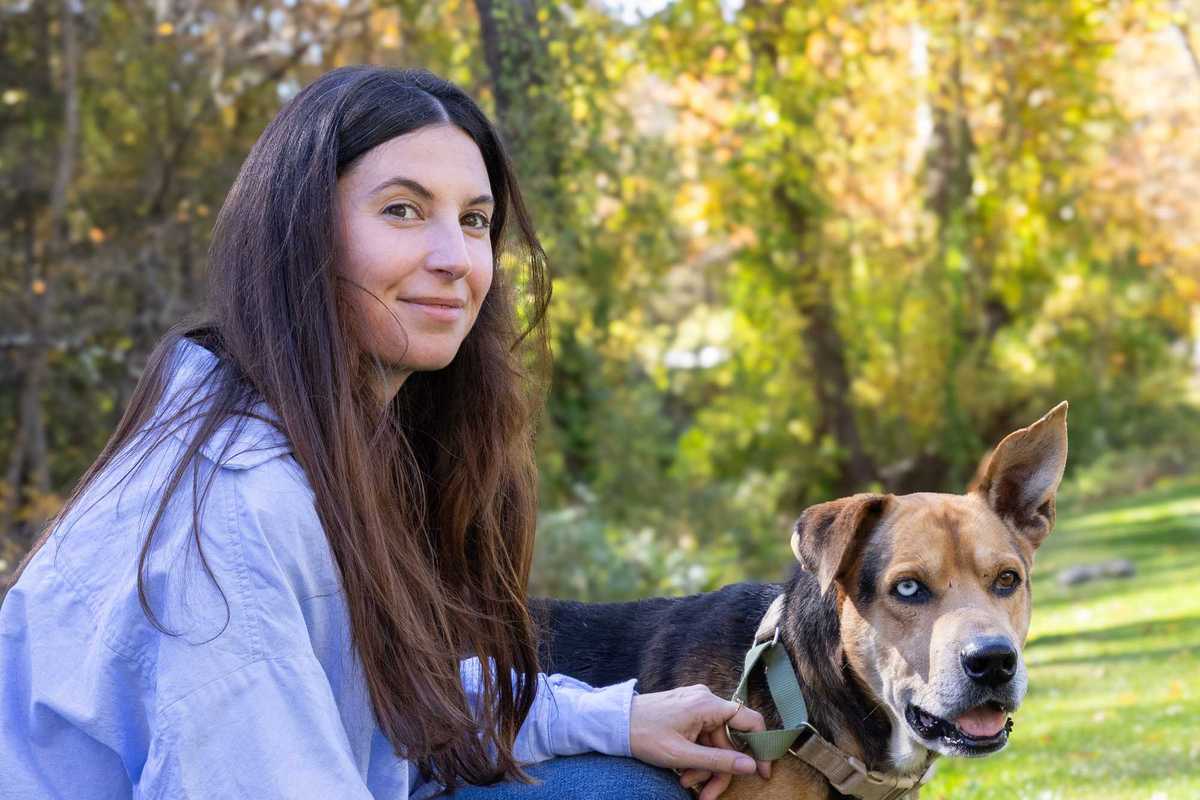
Stephanie Saetta runs Charlie Chicken Bones, a sanctuary in Salisbury.

Madi Long
You only get one or two of these soul connection dogs, so I do this in his honor.
— Stephanie Saetta

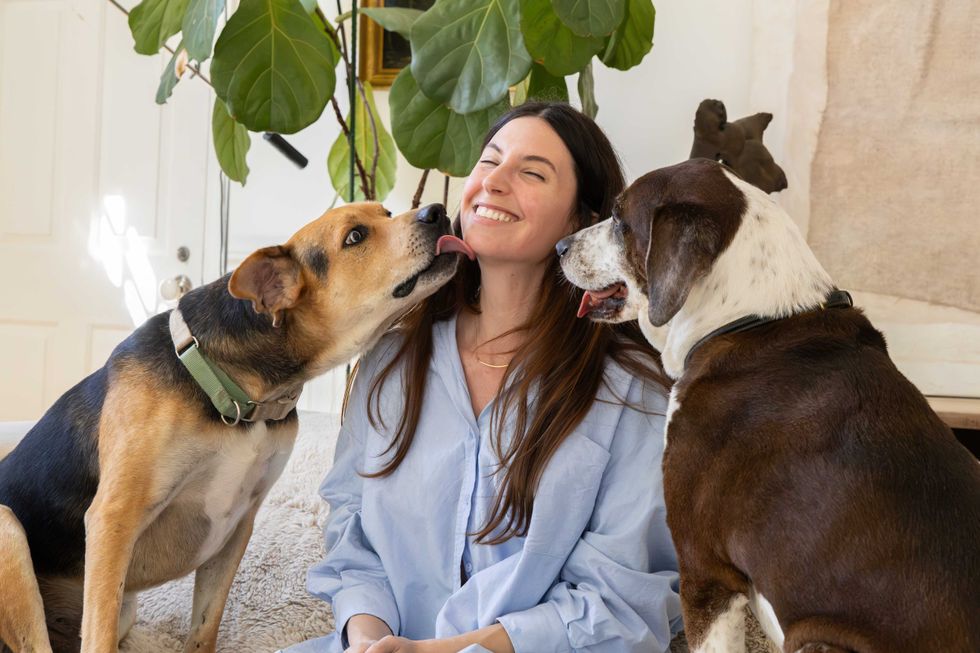
Stephanie Saetta has spent much of her life caring for others. A physician at White Plains Hospital, she has another calling at home in Salisbury — one that has four legs and a wagging tail. She runs Charlie Chicken Bone Sanctuary, a nonprofit dog rescue that brings dogs from overcrowded pounds and the streets of Texas to foster homes in northwestern Connecticut, where they can begin again.

The sanctuary is named for Charlie, the dog who taught her how special a bond between a person and rescue animal can be.

Keep ReadingShow less
Big ideas come to Lenox for inaugural field festival

Hunter Runnette, founder and board chair of field, has spent years fostering arts and cultural programming in the Berkshires.

Provided

What do joy, gardening, artificial intelligence, the American experiment and the creative process have in common? Quite a lot, as it turns out, at least when some of the world’s most compelling thinkers get together to talk about them.

From Friday, Oct. 23, through Sunday, Oct. 25, Lenox, Massachusetts, will host the inaugural field festival, a three-day gathering of writers, artists, scholars and cultural figures at Shakespeare & Company. Billed as a festival of ideas, entertainment, learning and discovery, field brings together an impressive roster of voices to explore everything from the deeply personal to the profoundly political.

Keep ReadingShow less
The Pink House AM is serving up community

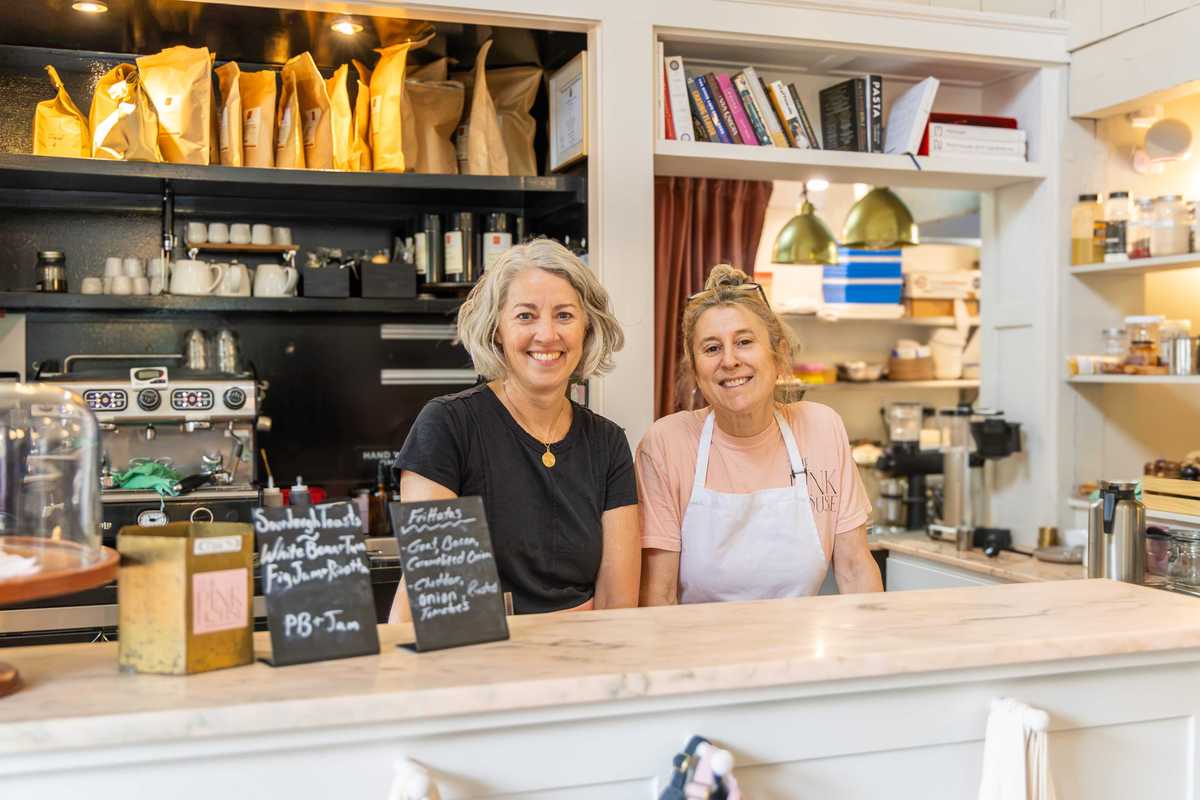
Mare Rubin and Maggie Levine of the Pink House AM.

Madi Long

It all started with a yoga class. Mare Rubin was working on her second act after leaving the Upper West Side, where she’d raised a family and worked in corporate marketing. Newly empty nesters, she and her husband decided to move to the wilds of northwestern Connecticut, where they had spent 15 years as weekenders, to see what life in the woods had in store for them.

Rubin started teaching yoga classes at the Union in West Cornwall, a space designated by the town of Cornwall as a community hub with couches, Wi-Fi, occasional events and a growing yoga class schedule. She was adjusting well but missed one important thing about city life: a casual coffee shop.

Keep ReadingShow less
google preferred source

Want more of our stories on Google? Click here to make us a Preferred Source.

google preferred source

Want more of our stories on Google? Click here to make us a Preferred Source.