MILLERTON — Save Sharon Hospital (SSH) held a community roundtable on Wednesday, Feb. 8, to present its case against Sharon Hospital’s plan to eliminate its Intensive Care Unit (ICU) and replace it with a Progressive Care Unit (PCU).
Nine residents attended the hour-long discussion at the NorthEast-Millerton Library’s Annex on Century Boulevard to hear Dr. David Kurish and Nicholas Moore, president of SSH, present arguments against the hospital’s plan.
Nuvance Health, the parent of Sharon Hospital, has filed with the Connecticut Office of Health Strategy (OHS) to replace the ICU with a PCU, a request that follows a Nuvance application pending before the OHS to close labor and delivery services at the hospital.
The requested closure of labor and delivery has been the focus of a yearlong battle that has pitted residents and local politicians against the regional hospital system’s executives and board members, who state that the changes are needed to achieve financial health.
On Wednesday, Feb. 15, Nuvance’s bid to transform the ICU will be the subject of a state public hearing that will be held via Zoom.
Christopher Kennan, supervisor of the Town of North East, said he plans to testify at the Feb. 15 hearing against the hospital’s plan, also noting that the town adopted a formal resolution opposing the plan to shutter labor and delivery, and will expand it to include opposition to plans to change the ICU into a PCU.
“We’ve had a lot of younger people who’ve moved up here over the past few years and who come to us and talk about Sharon Hospital. They’re interested in having a hospital with an ICU unit nearby.”
Kurish began the meeting in the Annex with a brief history of Sharon Hospital, which today sees about 100 visitors daily — approximately two-thirds come from the New York side of the border.
Citing a steady decline in patient count, laboratory service revenue and surgical and radiology usage, Kurish pointed to an overall decline in patient income under Nuvance’s management. Kurish, who has been practicing for 44 years, also noted a decline in the nursing population at the hospital.
Besides citing a higher ratio of nurses to patients in a PCU, compared to an ICU, Kurish also said ICU nurses have a higher level of training.
“It’s one nurse for every two patients,” he said.
A general theme of SSH’s argument against closing labor and delivery and altering the ICU operation is that Nuvance’s intent is to turn the hospital into a transfer point.
Kurish asserted that ambulance services are aware of the incidence of transfer to other Nuvance Health hospitals in the region and don’t deliver patients there if they are going to have to be transferred again.
Addressing the revenue shortfall that Sharon Hospital claims in its application to Connecticut state officials, Kurish said SSH believes the hospital “doesn’t get credit for money that end up transferred elsewhere in the system.”
Kurish and Moore compared ICU operations with those at a PCU, saying that besides the difference in the number of patients per nurse, there also is less in terms of equipment such as monitors, and that the layout of the floor with separate patient rooms is ill-suited to caring for patients who need intensive care.
Christina McCulloch, Sharon Hospital president, said in an interview with The Lakeville Journal on Feb. 6 that currently the medical-surgical unit is on the second floor and has 28 beds with an average of 10 patients. The ICU on the first floor has nine beds with an average of between three and four patients.
What Nuvance wants to do, she said, is move the ICU upstairs and combine the two units into one Progressive Care Unit.
Questions were raised at the Annex meeting about the wisdom of closing labor and delivery just as the region is seeing a pickup of new families that would need such a service. In addition, those in attendance were puzzled that a region with a large aging population would lose an ICU.
“It’s aging and young people,” said Moore. “I’ve talked to parents and young people. And they’re going to take their kids and move away if the labor and delivery closes.”
The application before the quasi-public OHS regulators to close labor and delivery services was the subject of a marathon public hearing in December 2022. No decision has been made on that request. To watch the Feb. 15 hearing, the Zoom meeting ID is 828 7732 3149, and the password is 347949. To reach the meeting by phone, the number is 1 646-876-9923.
To comment, log onto Zoom at 2 p.m. to sign up. Public comments begin at 3 p.m. To submit written comment, email CONComment@ct.gov and refer to docket number 22-32504-CON by Feb. 14.










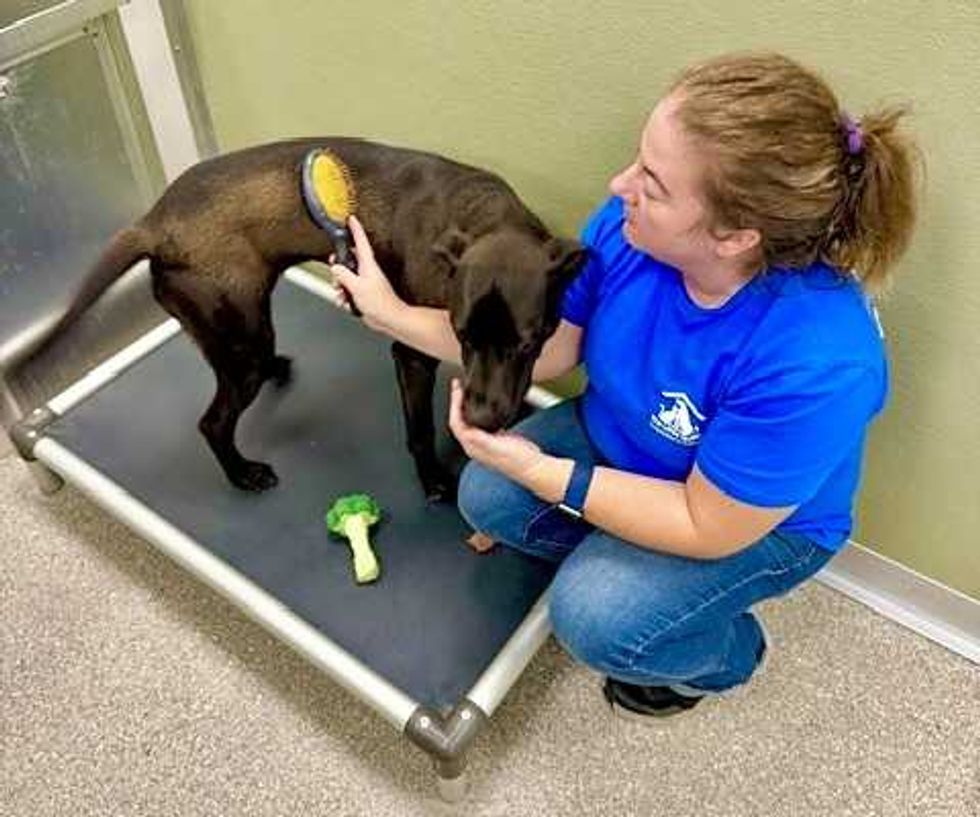 Tiffany Lemelin, shelter manager, brushing Marsala upon arrival.Provided
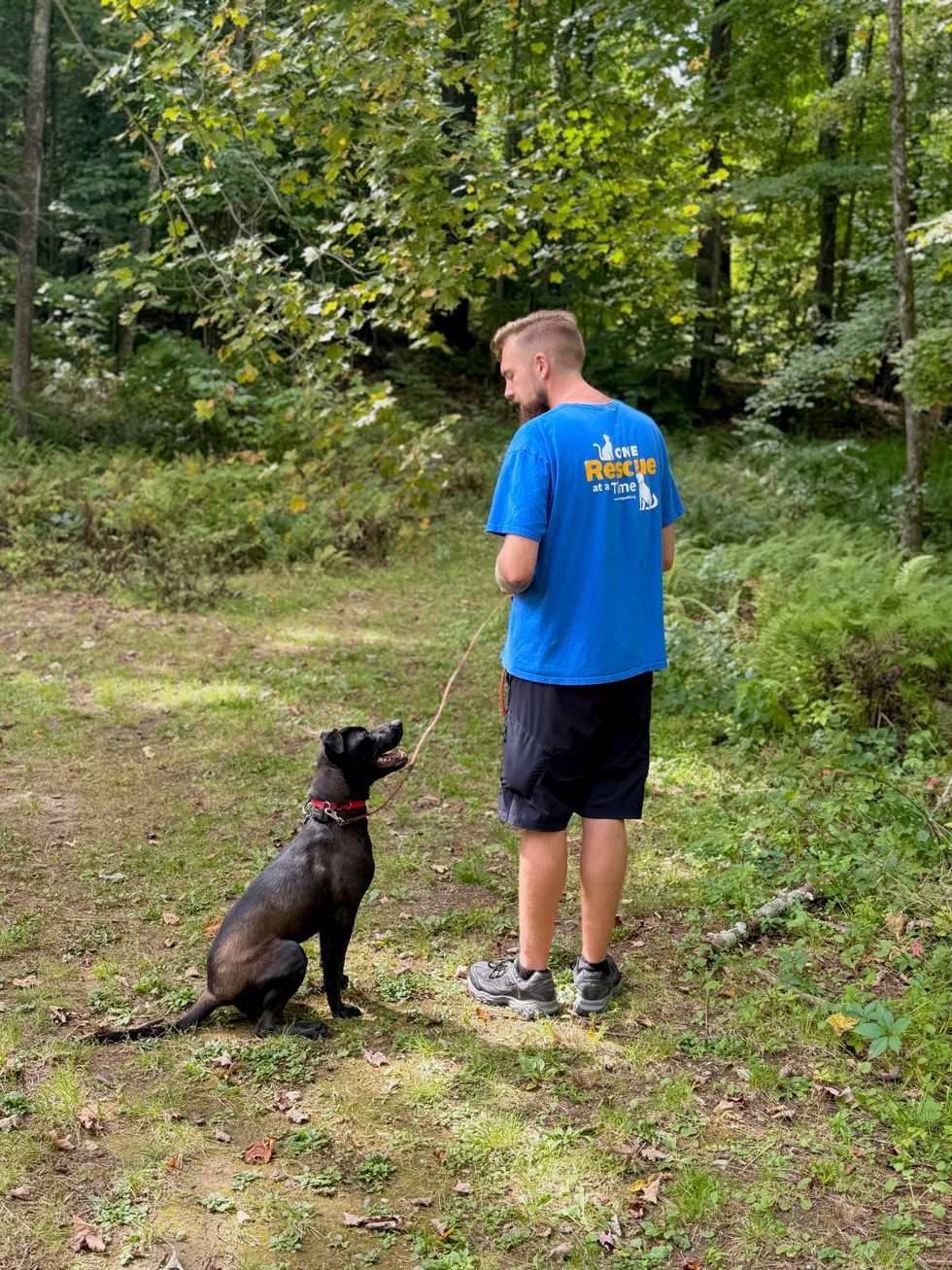 Michael DeBarba, certified dog trainer working with Marsala.Jennifer Almquist
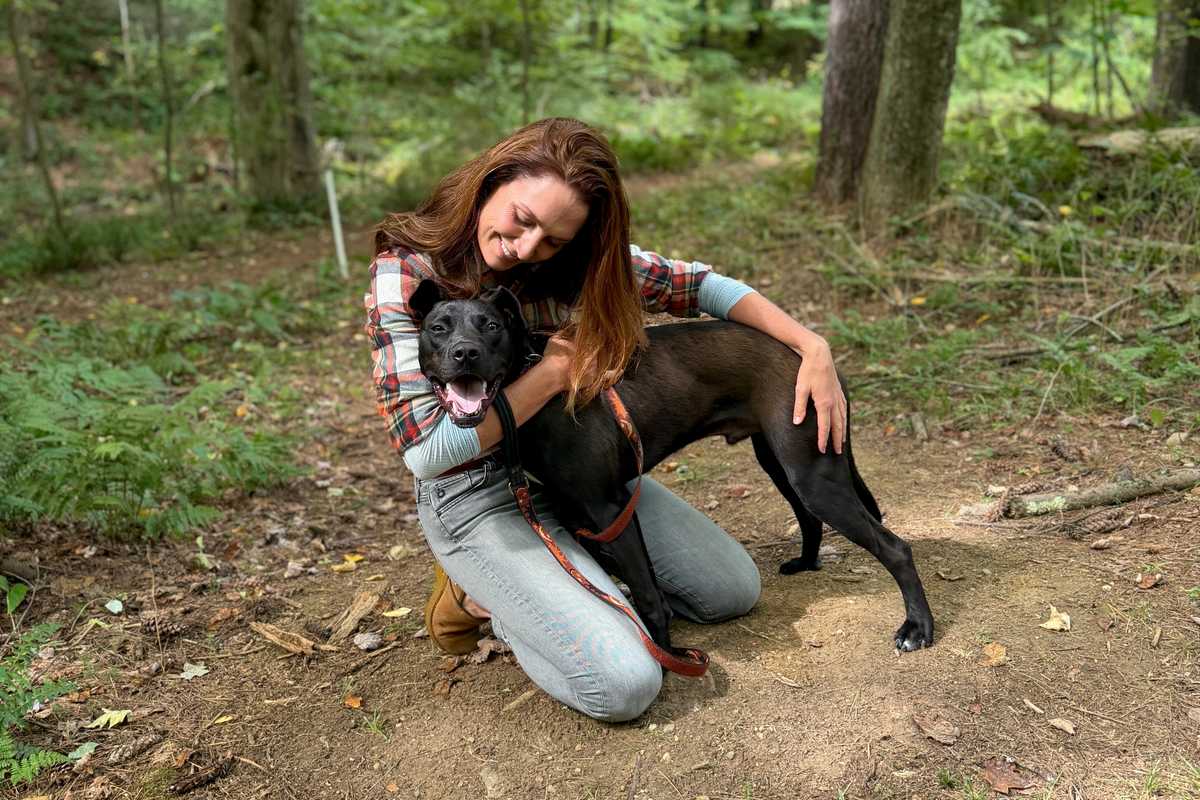 Marsala wins a heart.Jennifer Almquist
 Sadie, center, a Carolina dog, plays with her friend Negra, a terrier mix. Bella Linda, the small poodle, has since been adopted.L. Tomaino
 Wesley, a young, exuberant mix, is looking for an active home.L. Tomaino
 Bonnie and Clyde, an affectionate terrier pair.L. Tomaino