Part II
COPAKE — After listening carefully to the vision, goals and priority projects connected to the Copake Waterfront & Community Revitalization Plan for the Bash Bish Brook, Roeliff Jansen Kill and Taghkanic Creek, area residents provided their input at the online community workshop held on Saturday, Feb. 13. The bulk of what the workshop addressed was reported on in last week’s Millerton News and can be found online, at www.tricornernews.com.
Project recap
Beginning at 10 a.m., the virtual workshop drew roughly 80 participants, according to the website www.copakewaterfronts.com. Summing up the work that’s been done on the plan so far, Project Advisory Committee (PAC) Chair Roberta Roll said Copake has previously worked with River Street Planning on three town plans, including the town’s Comprehensive Plan and its Hamlet Design and Development Plans. Once the last two plans were completed, she said the town realized it had money to take the next step and develop waterfront revitalization plans.
The plans require Copake to have inland waterways designated by New York State, so Copake got legislation passed to add the Roe Jan Kill, the Bash Bish Brook and the Taghkanic Creek to the NYS Inland Waterway List, which allowed the town to apply for funding.
Once that was done, the PAC began to meet with River Street Planning and volunteers during the past few years to develop a community profile, vision and goals for the project and to pick six projects that would benefit Copake the most. The group hopes to finish the current plan by Wednesday, March 31.
After the Feb. 13 presentation was made, the workshop opened for public comments. Roll, River Street Planning Principal Margaret Irwin and other planners addressed community comments and answered questions.
Q & A
One community member asked how Copake is thinking in terms of planning for projects while keeping COVID-19 restrictions and social distancing in mind. Irwin responded that the pandemic has been “a game changer in terms of how amenities are designed.”
Another person posed questions regarding public fishing access.
Calling to mind the vandalism that took place at the Bash Bish area last summer, one woman asked who takes responsibility for issues like liability, cleanup and policing at Bash Bish, and emphasized that she needed to know such information before supporting “this otherwise wonderful project.”
Acknowledging that the woman made an important point, Irwin said there are a variety of different partnerships that communities and property owners can broker to deal with such matters, but noted it’s correct to be cautious.
“Sometimes more access on a fragile location or waterway ecosystem isn’t advisable at certain points,” Irwin said, “so I think what typically happens is as projects go forward, property owners and the municipalities or a nonprofit who might be an intermediary sit down and talk like exactly this kind of conversation [about] what would be an acceptable level of oversight management supervision. The falls is a very active location with a lot of things that draw people… but I think that’s part of the trail planning process.”
As the workshop continued, community members posed a range of questions that explored issues related to handicapped accessibility and flooding on the trails and the town’s thoughts on approaching new projects while keeping in mind a possible increase in the number of visitors and potentially crime.
To review project, submit comments
Those unable to attend the presentation can find a rebroadcast of the workshop and review project materials online at www.copakewaterfronts.com.
Area residents have been encouraged to provide their input by completing the surveys posted on the website. They may also submit questions and additional comments to Roll via phone at 518-329-0384 or email at Roberta.Roll@gmail.com or by sending an email to copakewaterfronts@gmail.com.





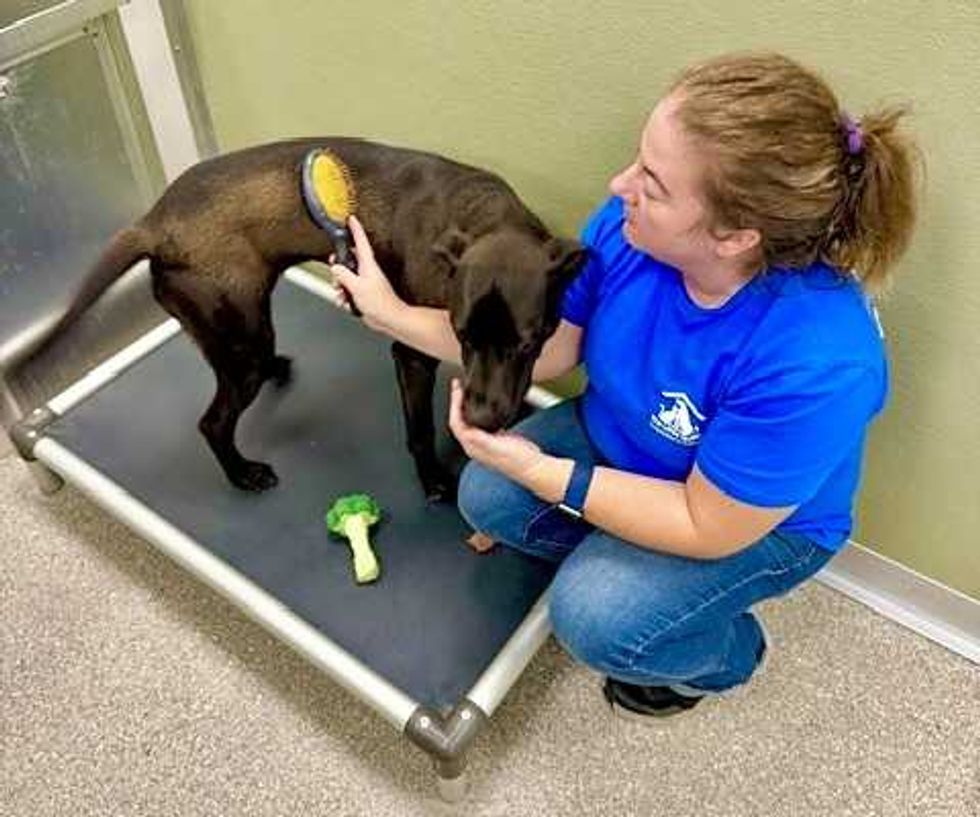 Tiffany Lemelin, shelter manager, brushing Marsala upon arrival.Provided
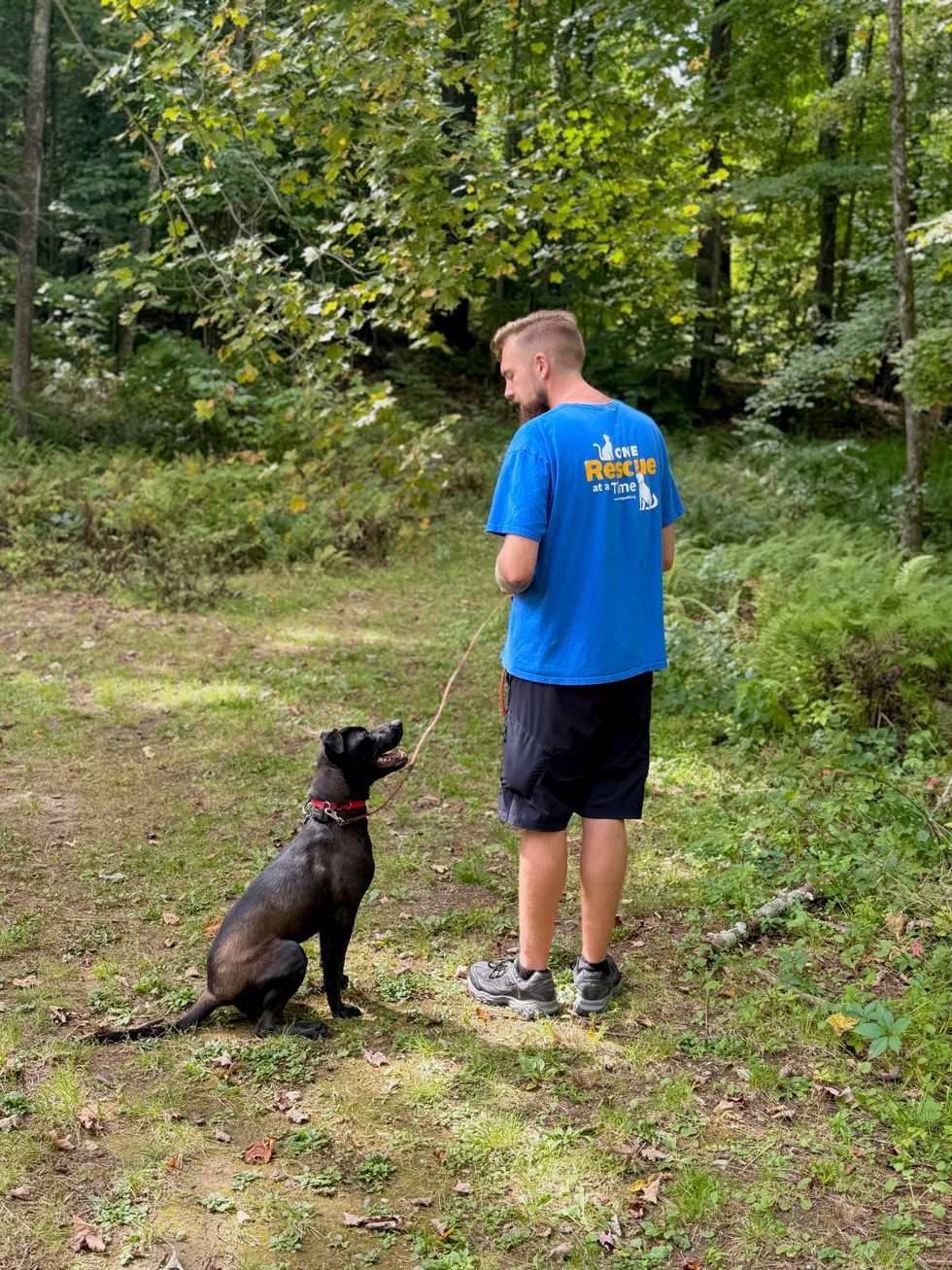 Michael DeBarba, certified dog trainer working with Marsala.Jennifer Almquist
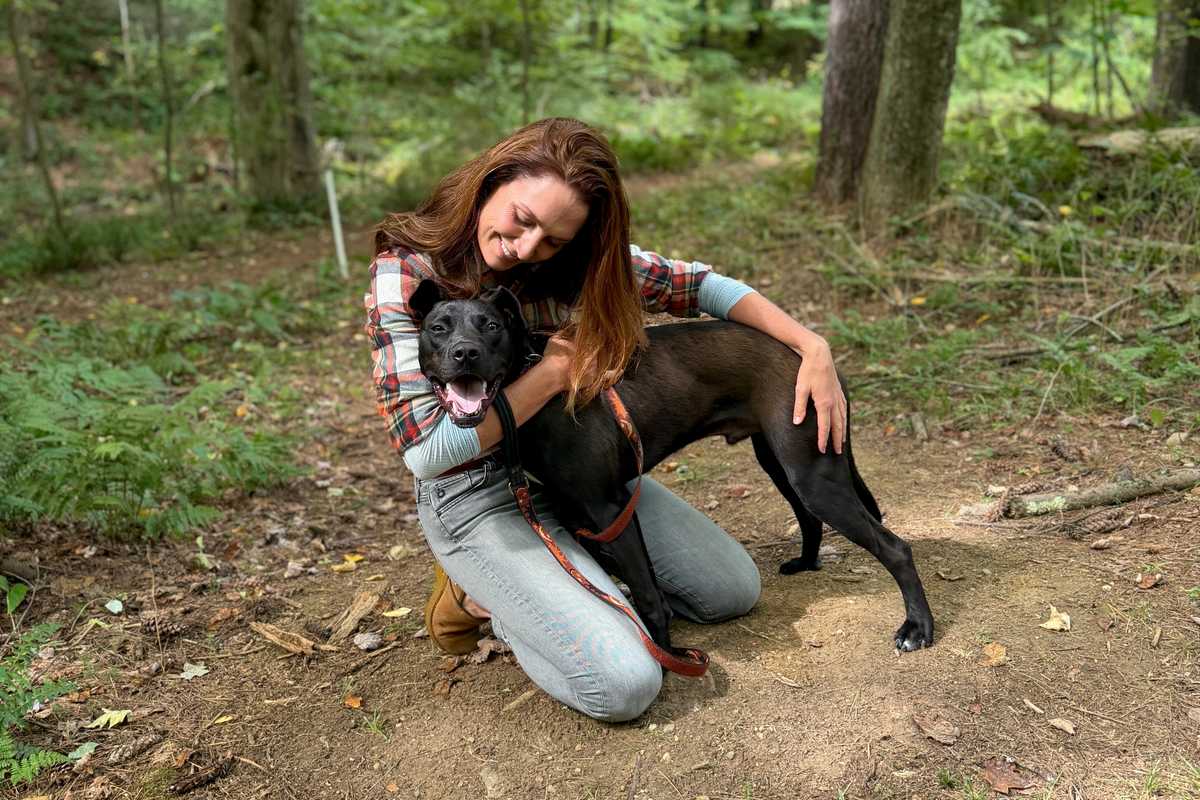 Marsala wins a heart.Jennifer Almquist

 Sadie, center, a Carolina dog, plays with her friend Negra, a terrier mix. Bella Linda, the small poodle, has since been adopted.L. Tomaino
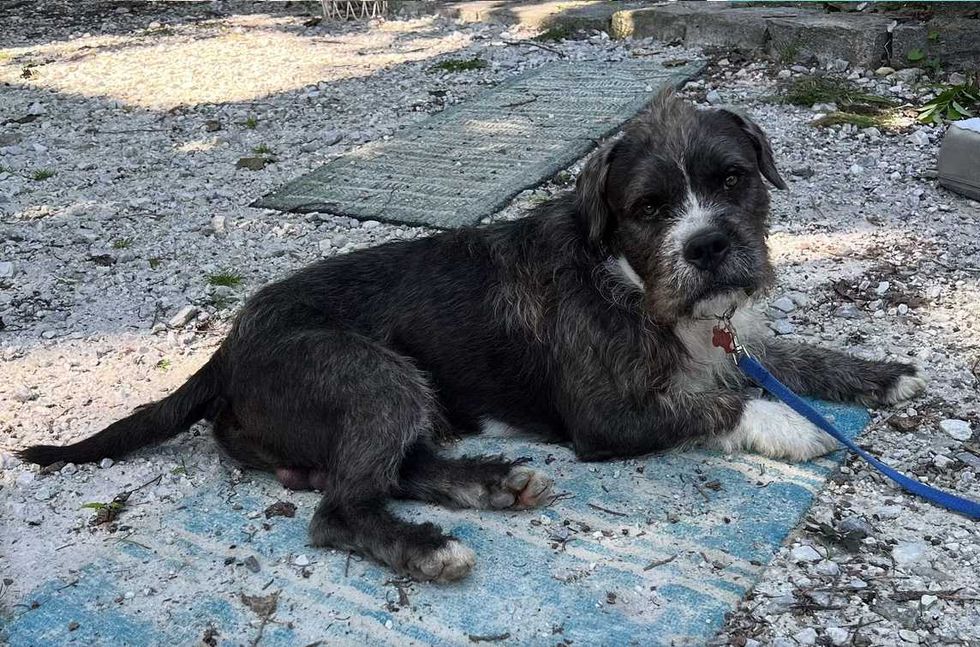 Wesley, a young, exuberant mix, is looking for an active home.L. Tomaino
 Bonnie and Clyde, an affectionate terrier pair.L. Tomaino
 Provided