DUTCHESS COUNTY— The aggrieved members of the original Independent Reapportionment Commission (IRC) that was dissolved in June by the Republican majority of the Dutchess County Legislature on advice from the county’s attorney office are challenging the new law in court.
The IRC’s purpose is to draw new boundaries for the County Legislature following the decennial Census.
The plaintiffs in the case are former IRC members John Pelosi, Hance Huston, Christina Van Horn, Bryan Faubus and Whitney Lundy. Lundy has even taken to GoFundMe to set up a fundraising campaign to generate revenue to pay for legal fees connected to the lawsuit. Phone calls for comment from those suing were not returned by press time.
The parties are scheduled to appear virtually before Supreme Court Justice Hal Greenwald on Tuesday, Aug. 31.
“I can’t speak to the litigation… But, some seem more interested in preserving their own appointment than ensuring a truly independent redistricting process,” Dutchess County Executive Marc Molinaro told this newspaper on Friday, Aug. 27. “I campaigned on and advocated for independent redistricting, and, we will have truly independent redistricting in this County.”
On July 29, Molinaro signed a new IRC into law. The original IRC was dissolved June 24 when it came to light that its leader, Commissioner Richard Keller-Coffey, a Democrat, was found to be simultaneously serving on the North East (Webutuck) Central School District Board of Education (BOE) in Amenia and the commission.
According to New York State bylaws, people who serve on independent commissions cannot serve as elected officials. New York considers BOE members, who have the power to levy taxes, elected officials. Most school board members, if asked, do not consider themselves such.
The “discovery” of Keller-Coffey’s role on the BOE while also on the commission led to the upheaval at the IRC, which had members appointed by both the Legislature’s Minority Leader Rebecca Edwards (D-6) (who appointed Keller Coffey, who in turn selected two other Democratic members) and Majority Leader Donna Boulner (R-13) (who also appointed a member, who in turn picked two other Republicans for the IRC).
Keller-Coffey previously noted he was not hiding his volunteer service on the Webutuck school board from the IRC and expressed surprise it didn’t come up in the commission’s vetting process.
The former commission had seven members in total; there’s no word if the new commission, set to form after the Nov. 2 General Election, will have the same.
It was the Dutchess County attorney who advised the Legislature to disband the IRC and form a new commission, according to Chair of the Legislature Gregg Pulver (R-19), who said the attorney’s office was worried about the “fruit of the poisoned tree” opening the Legislature up to future lawsuits if nothing was done and the former IRC was allowed to stand.
Former Republican IRC member Dale Culver, who is not a part of the lawsuit, said he understands why the Legislature and its advisors advocated for disbanding the non-political commission.
“I can see the wisdom of the county attorney’s decision” said the Millerton businessman and resident, who added he was not happy the commission disbanded. “The other commission members, no names are needed, seem to immediately believe it was partisan… They gave me an outcome and I don’t believe in the end the legal system would support the position my former commission members believe.”
Culver did say that one thing he strongly disagreed with in the whole matter, is hearing that the county executive was playing politics.
“I don’t like hearing that this is about Marc’s agenda,” he said. “I’ve always known Marc to be a fair, honest and decent person, and I’ll never change my opinion. I’ve known him for many, many years. Whether I agree with him or not, I just always found him to work for the people of our county.”
As far as Keller-Coffey himself is concerned, when contacted to weigh in on this latest turn of events, he said he had “no public comment, because I’m not involved with the lawsuit whatsoever.”
He did reiterate that when he resigned from the IRC after his role on the Webutuck BOE was realized by the county attorney, it was not because he felt he had done anything wrong or had any mal intent.
“I resigned from the commission for personal reasons; I was on several boards and had to resign from those as well, which had nothing to do with what is going on,” said Keller-Coffey.
The only other point the former IRC commissioner wanted to make was that once the whole process gets worked out, however long that takes and whatever that ends up looking like, he just hopes if the county is able to draw a new map, “hopefully nobody will challenge it.”
Anyone interested in serving on the new IRC, excluding the seven original members who served on the former commission, will be able to apply this fall. Applications will be submitted to the Legislature by Jan. 3, 2022.
Molinaro has said previously he will give the new IRC time to complete its work ahead of the 2023 election cycle.





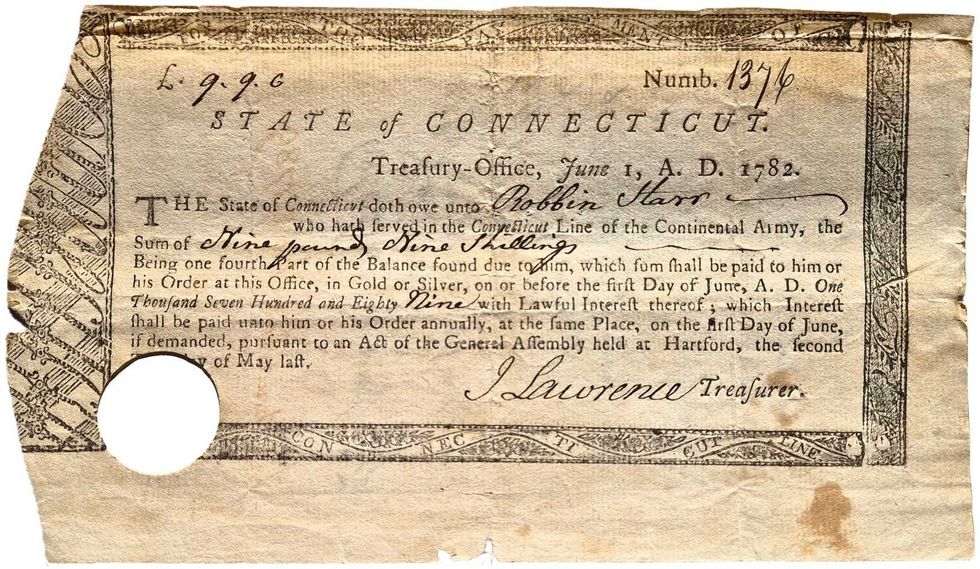 Pay Bill for Robin Starr’s service in the Continental Army.Courtesy the Alex Breanne Corporation
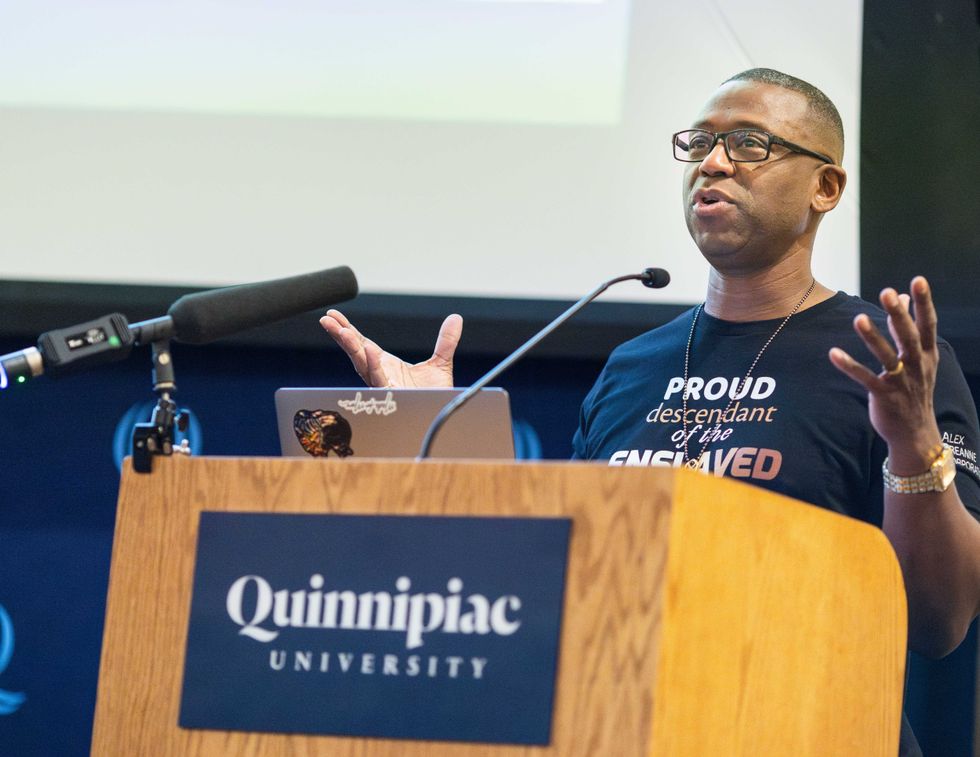 John Mills speaking at Quinnipiac University.Courtesy the Alex Breanne Corporation
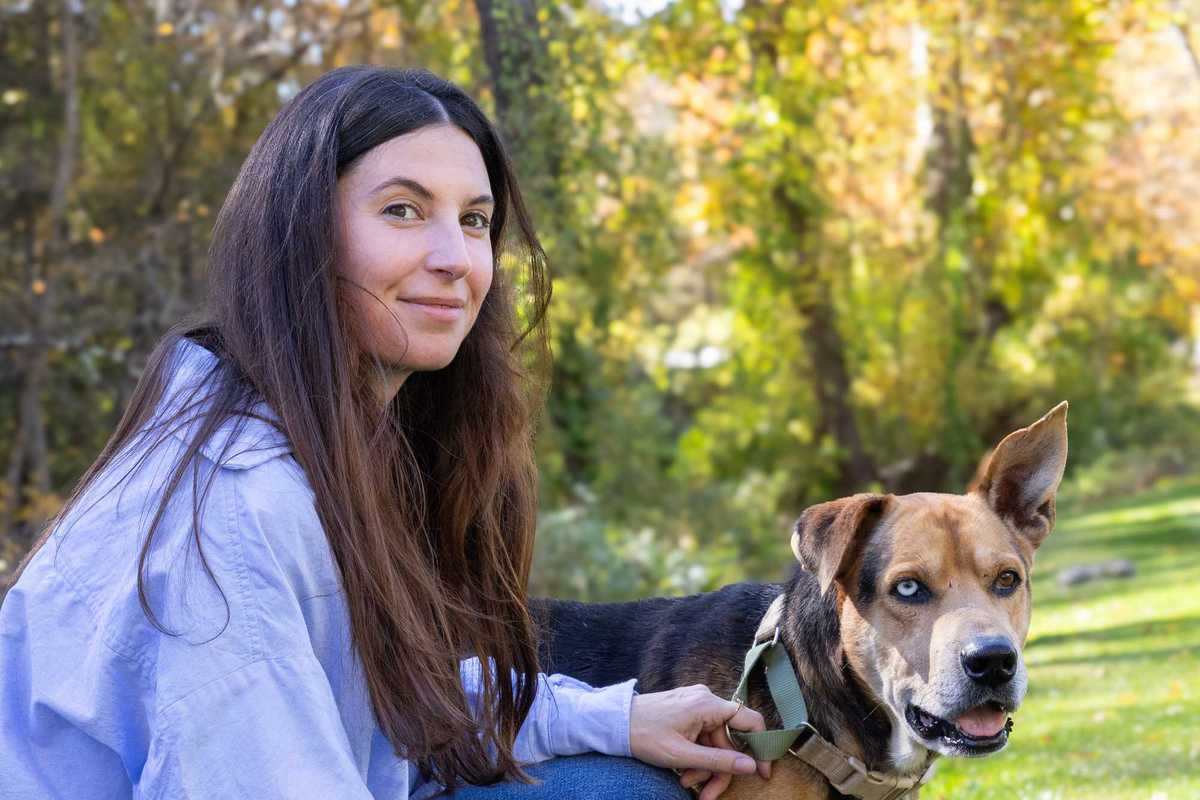
 Stephanie Saetta,with her rescue dog George and Blue (left), a shepherd mix awaiting his forever home.Madi Long