NEW YORK STATE — Intent on protecting the electoral process during the coronavirus pandemic, the New York State Election Commissioners’ Association urged Governor Andrew Cuomo and the state Legislature in March to postpone New York’s presidential primary from next week’s original date of Tuesday, April 28, to Tuesday, June 23. Continuing to respond to the pandemic and adopt protocols to protect the health and safety of all those residing and working within the state, local municipalities and boards in the Harlem Valley have been working on scheduling for their own upcoming elections.
In addition to postponing the state’s presidential primary, the New York State Election Commissioners’ Association (NYSECA) asked Cuomo to consider amending a section of the state’s Election Law to allow for “absentee balloting during all times of declared state of emergency due to infectious disease or pandemic.” This would allow all voters who are at-risk but not sick to apply for and receive an absentee ballot.
For all other primary and special elections in New York, the association requested that the government “give wide latitude to the local Boards of Educations to consolidate polling places and election districts to best operate the election.
“While we hope the COVID-19 crisis will be better by June, it is quite likely we will have limited numbers of polling places and inspectors even then,” the association stated in a recent press release.
NYSECA President Kelly Penziul explained on a later date that the association was worried about the health of its election inspectors, given that the majority of them range from ages 60 to 90.
“Acting on these items will buy us precious time and save our hot counties significant amount of resources while also preserving the rights of voters and safety and health of election workers,” stated the NYSECA release. “Every day that we do not act makes us less prepared and wastes valuable time and money.
“We have to go day by day to see what’s happening and what’s transpiring at the state level,” Penziul added. “We have to plan for everything.”
Cuomo agreed to postpone the state’s presidential primary election until June 23 at the end of March.
“Under theory of risk/reward, we’re supposed to have a presidential primary that’s coming up on April 28,” Cuomo said. “I don’t think it’s wise to be bringing a lot of people to one location to vote.”
Cuomo went on to say the presidential primary election would be linked to the state’s congressional and legislative primary elections, scheduled for Tuesday, June 23.
“Ironically, I had advocated that it’d be on that date all along anyway, so there’s only one election and people only needed to come out once” Cuomo said. “[Let’s] put the elections together so we can go to the ballots once.”
Cuomo issued an executive order to allow voters affected by COVID-19 to utilize the absentee ballot application and check the box for “temporary illness or physical disability” without any requirement for an in-person signature or appearance to access an absentee ballot.
Municipal elections
Meanwhile in the Harlem Valley, local municipalities like the village of Millerton have been advised to take precautions as they move forward with their respective elections. In scheduling a caucus for the village elections, North East Democratic Committee Chair Jon Arnason said that while the original pandemic plan was to meet in the parking lot of North East Town Hall at 3 p.m. on Monday, April 27, there’s a chance that the caucus may be held via telephone or video conference instead. Keeping in touch with the governor’s office, Arnason spoke of Cuomo’s plans to issue an order to permit state caucuses to be held via telephone or video conference.
Arnason added that village elections aren’t affected by the changes to the presidential primary since the Village Board decided last year to move Election Day from March to June.
“Whether they will go forward on June 16, I can’t say,” Arnason said. “I think the governor will wait until we get closer to the date.”
Board of Ed elections
As for this year’s local school board elections, candidates running for local Boards of Education were urged by the New York State School Boards Association not to go door-to-door to collect signatures for their nominating petitions, which are required to get on the ballot, but to instead observe social distancing to protect themselves and their fellow community members.
School districts originally anticipated holding school board elections and budget votes on Tuesday, May 19, but have since postponed voting with no new date set at this point in time.
Keeping informed of the latest news from the state, Pine Plains Board of Education President Chip Couse said the last pronouncement he heard from Cuomo was that a decision about school board elections would be made on Monday, June 1. As a result, all timelines associated with the elections have been postponed until schools receive word from the state in June.
“It’s not a big issue in Pine Plains so much in that there were two openings on the Board of Education and the two incumbents were planning to run again,” Couse said. “The bigger issue will be getting the budget passed and what the impact of state aid will be. There’s an awful lot unknown.”
Under normal circumstances, to become a candidate in a BOE election, candidates are required to obtain at least 25 signatures for their nominating petitions of qualified voters in the district, often done by visiting district homes in person. To the best of his knowledge, Couse said no suggestions have been made about how candidates should obtain signatures to get on the nominating petitions at this time.
Couse said Pine Plains Central School District Clerk Julia Tomaine said she heard there’s been some speculation from the school district’s attorney about having an electronic signature system in place, but as of yet, no plan has been put forward by the state.


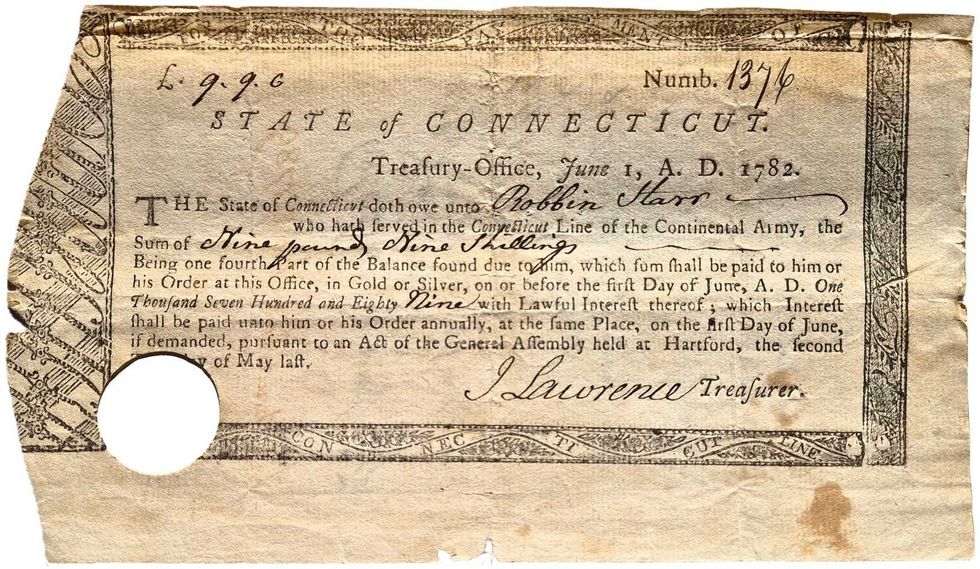 Pay Bill for Robin Starr’s service in the Continental Army.Courtesy the Alex Breanne Corporation
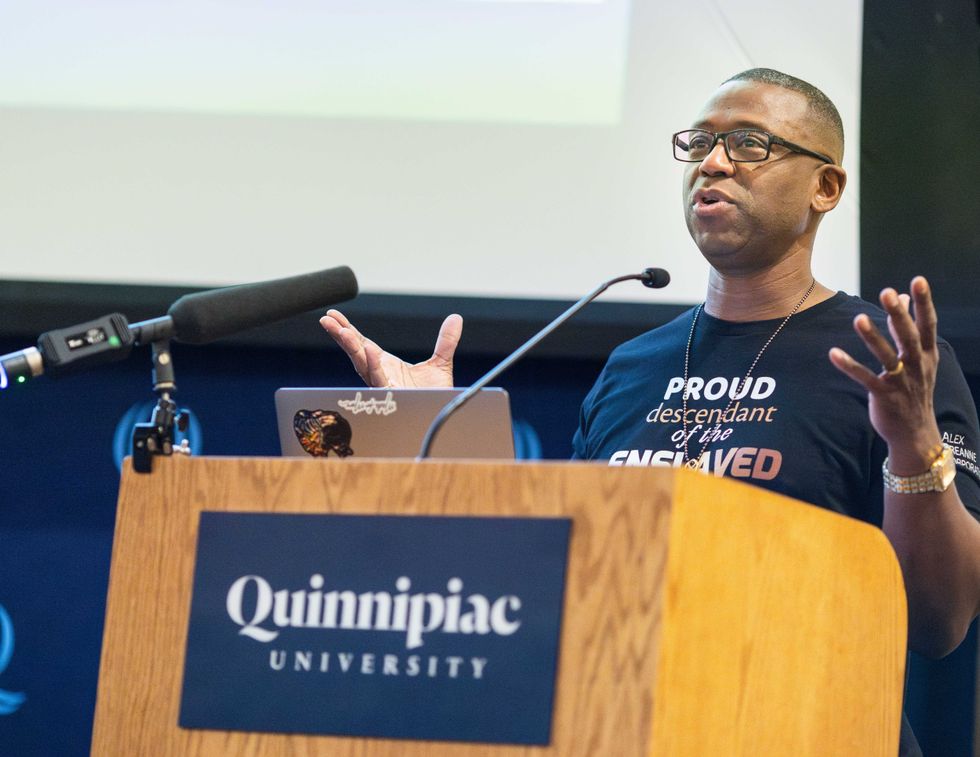 John Mills speaking at Quinnipiac University.Courtesy the Alex Breanne Corporation
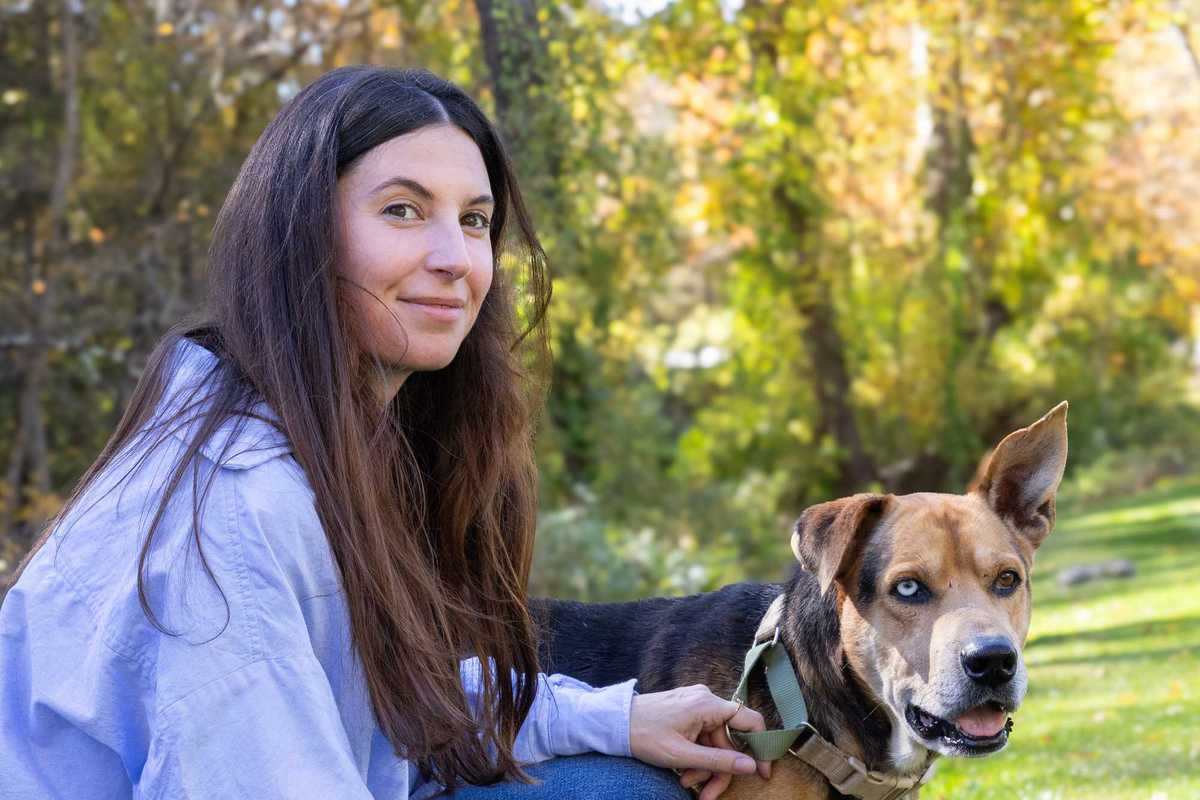
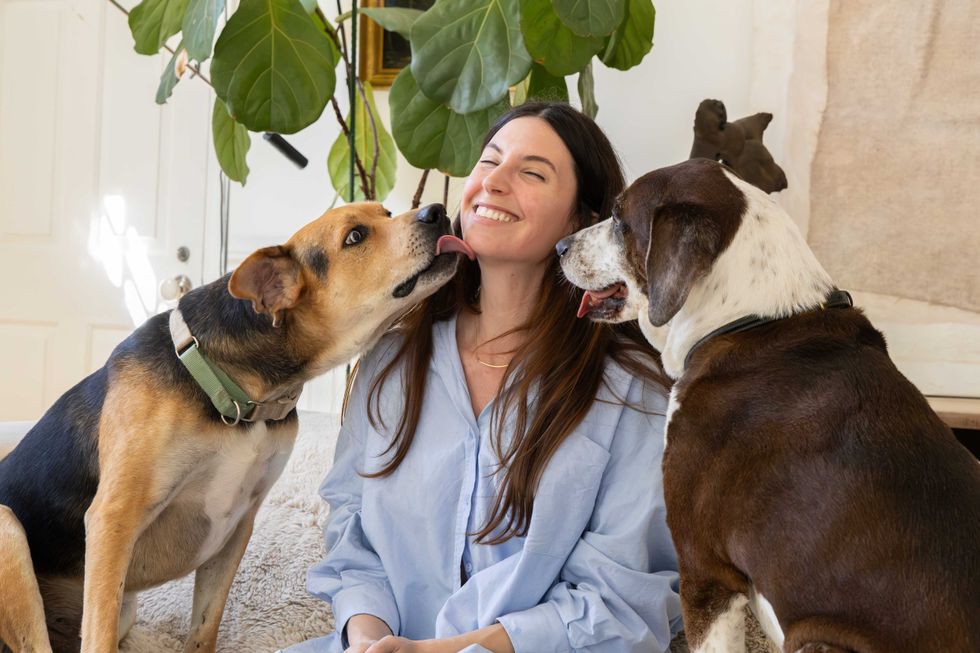 Stephanie Saetta,with her rescue dog George and Blue (left), a shepherd mix awaiting his forever home.Madi Long