

As professional law enforcement officers who have dedicated their careers to saving lives and helping people in need, the Sheriffs of New York State condemn the senseless, shocking action of the officer who unjustifiably took the life of George Floyd in Minneapolis last week. It was against everything we stand for, everything we train for and everything we demand and rightfully expect from our police officers.
We also condemn those who, since then, have used that great injustice as an excuse to commit other senseless, brutal acts, which unjustly deprive more innocent people of their lives, their livelihood, their life savings and their livable communities.
We are sworn to uphold the Constitution and we fully support the Constitutional right of all citizens to peacefully assemble, protest and petition their government for desired change. As Constitutional officers who have been given the duty of Conservators of the Peace in the counties, we know that conserving the peace does not mean just keeping everyone calm. It means assuring an atmosphere where all citizens can enjoy their rights to life, liberty and the pursuit of happiness without having those rights unduly infringed upon by others. Thus while we will do all we can to accommodate and protect those who feel compelled to publicly display, in a peaceful way, their justifiable outrage at the way George Floyd died, we will not condone or accommodate in any way those who would deprive others of their rights by hijacking those legitimate displays of concern to turn them into opportunities to assault, murder, loot, burn and spread anarchy.
We also must ask those politicians and other leaders in the communities who continually speak of “systemic racism” in our police agencies for their own political advantage to refrain from such unfounded and incendiary comments. It is disgusting conduct, which itself fuels racism on all sides, and leads to worse, not better race relations in this country. Instead we would welcome them to engage with us in open and honest discussions on how we can enhance community relations while regaining the public’s trust in law enforcement through fact-based studies and training.
Deputy Sheriffs and all law enforcement officers suffer because irresponsible leaders paint them with a broad brush. There are 800,000 police officers in this country. The inexcusable action of one police officer in Minneapolis cannot be used to justify labeling all 800,000 dedicated, hard-working police officers as racist. We know of no police officer who condones the actions of that one rogue cop in Minneapolis. They, like most citizens, were sickened to see that video, but we also know that it is not representative of the 53.5 million contacts that law enforcement has with civilians annually. We know of no police officer who joined the force because they saw it as a license to kill or abuse others. Most police officers join out of a simple desire to help people — of any race. Most police officers have shown more helpfulness, and personal compassion and kindness toward down-and-out citizens —black, brown, yellow or white — than have any of the self-righteous politicians and others who sow hatred and distrust of the police with their irresponsible rhetoric. Those politicians, when they finish their rants, can then go home to their mansions and comfortable homes, secure in the knowledge that the police officers whom they just maligned will continue to do their duty to protect them and all the citizens of their communities, even though their job has been made doubly more difficult by race-baiting rhetoric.
There is one thing upon which we and critics of the police can agree: There is distrust of the police in many minority communities. We Sheriffs work hard to build public trust in law enforcement. The training of our Deputy Sheriffs includes extensive training in community relations, anti-racism, recognizing implicit bias and proper use of force. This training results in officers who are sensitive to the need for racial neutrality in enforcing the law, and their enforcement decisions are based upon a person’s conduct, not their color. That plain fact is, of course, contrary to the popular narrative.
In conclusion, the Sheriffs of New York make a commitment to our communities. We, and our citizens, desire a society where all can live in true peace. While each of us as Sheriffs have outreach, in some form, to community and religious groups and to minority organizations and minority communities, it is clear that more has to be done to combat the false view of police as the oppressors, which has been inculcated into many minority communities, and which allows opportunists to take advantage of such things as the George Floyd tragedy to foment more hatred and more chaos. The Sheriffs of New York, through our New York State Sheriffs’ Association, will immediately undertake the task of strengthening, in an organized way, the ties between Sheriffs’ Offices and minority communities and organizations in the counties across the state, with a goal of affirmatively demonstrating that our desire is to serve all citizens, and as the Conservators of the Peace in the counties, to secure to those citizens true peace, which means the opportunity to enjoy life, liberty and happiness in a just world.
Washington County Sheriff Jeffrey Murphy is the president of the New York State Sheriffs’ Association, headquartered in Albany.

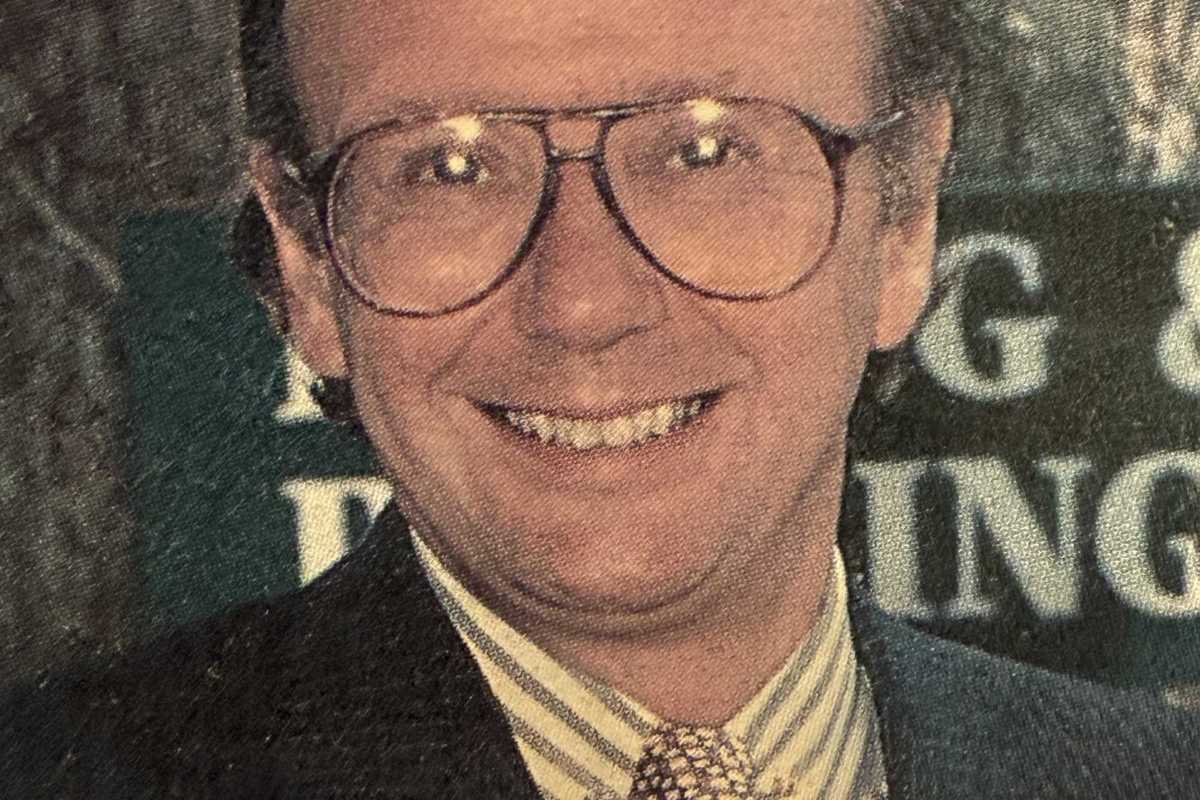


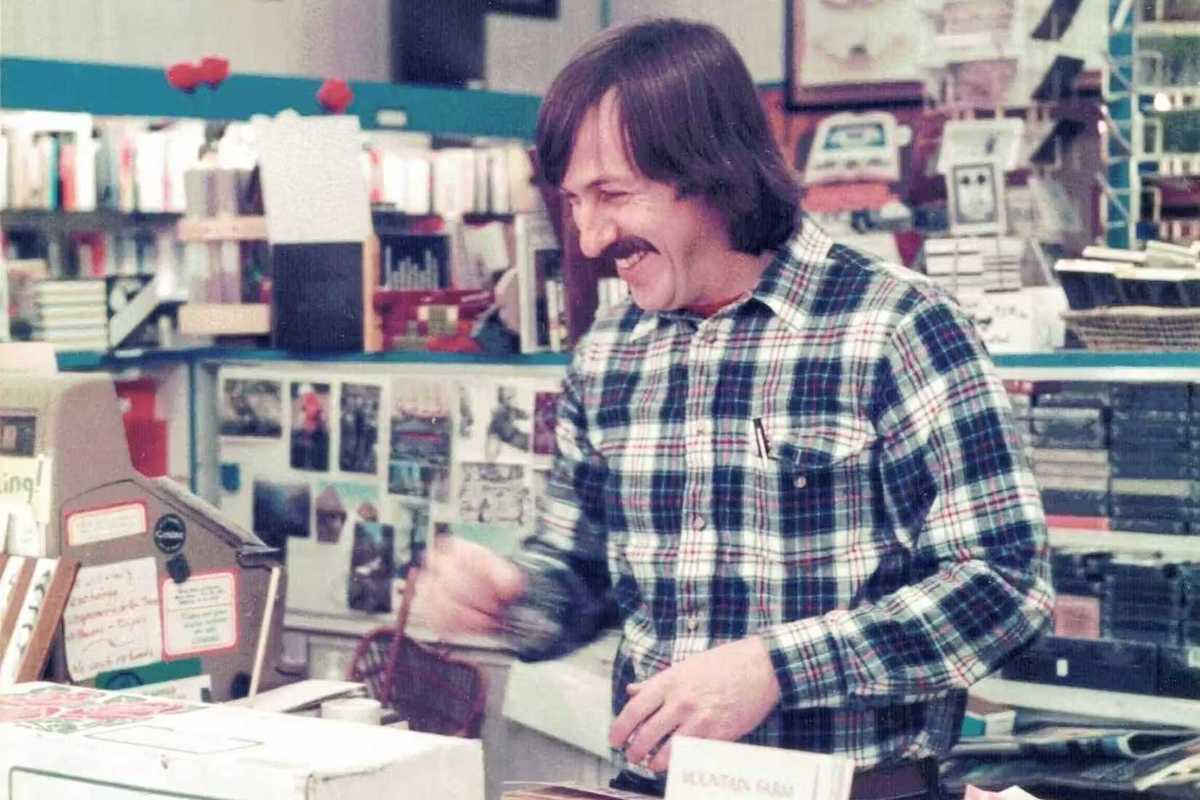
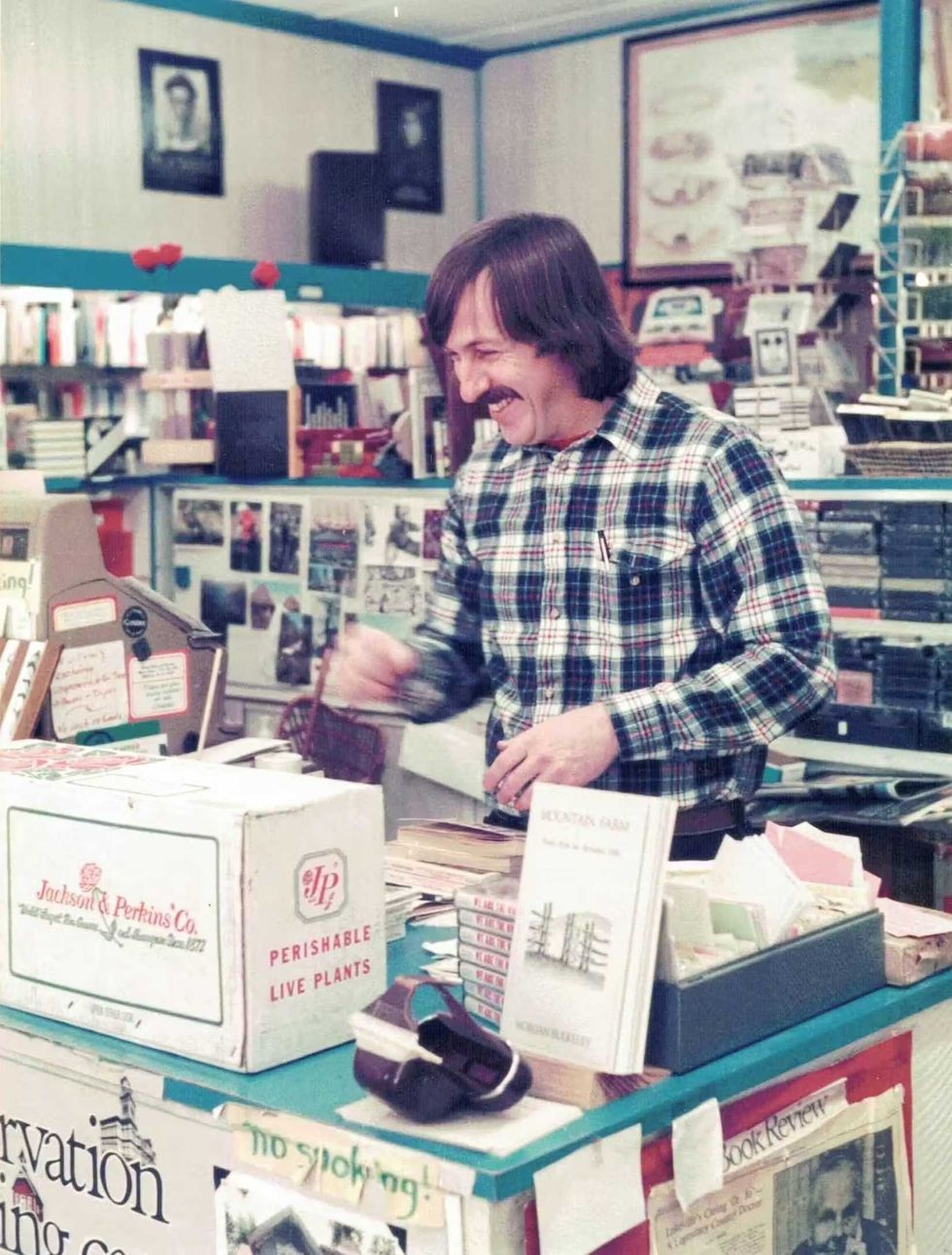 Dick Hermans in the Oblong Bookstore on Millerton’s Main Street in 1985.Provided
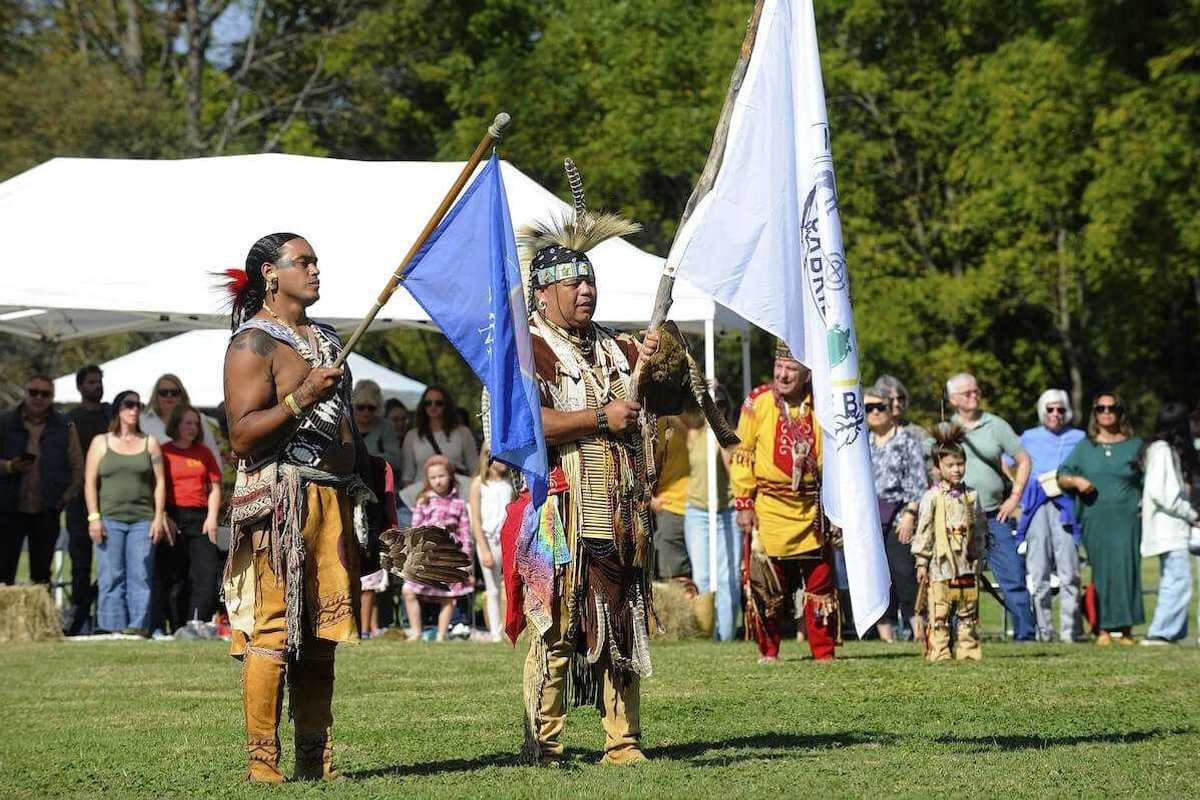


 Fall storage crop harvests amid soil building cover crops at Adamah Farm in Falls Village. Janna Siller


Consider racial tensions from the side of law enforcement