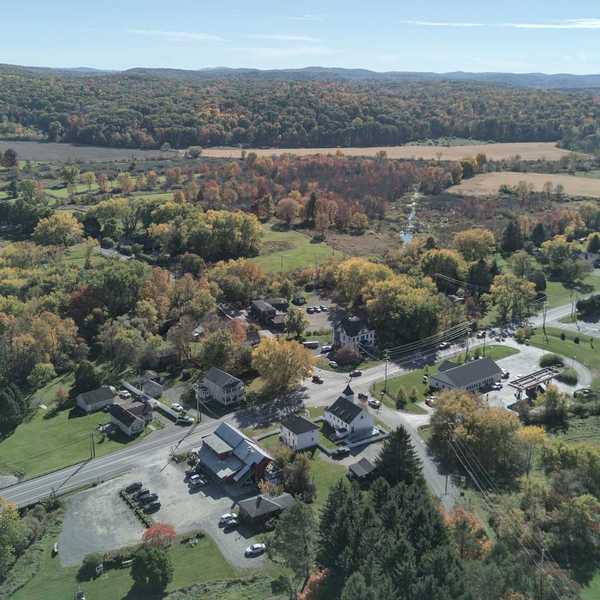
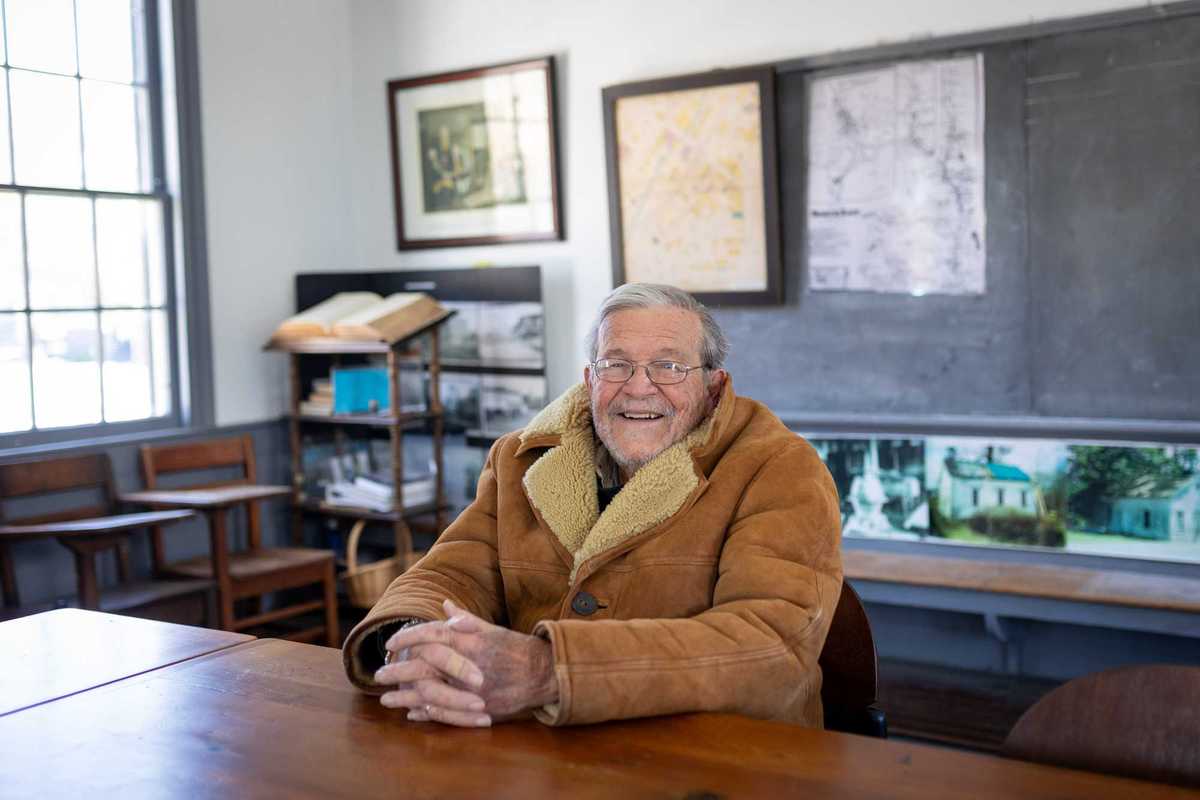
Longtime resident and former Webutuck teacher Diane Price has lived in Millerton since her family moved to the area in 1961, spurred by her grandparents’ ailing health.
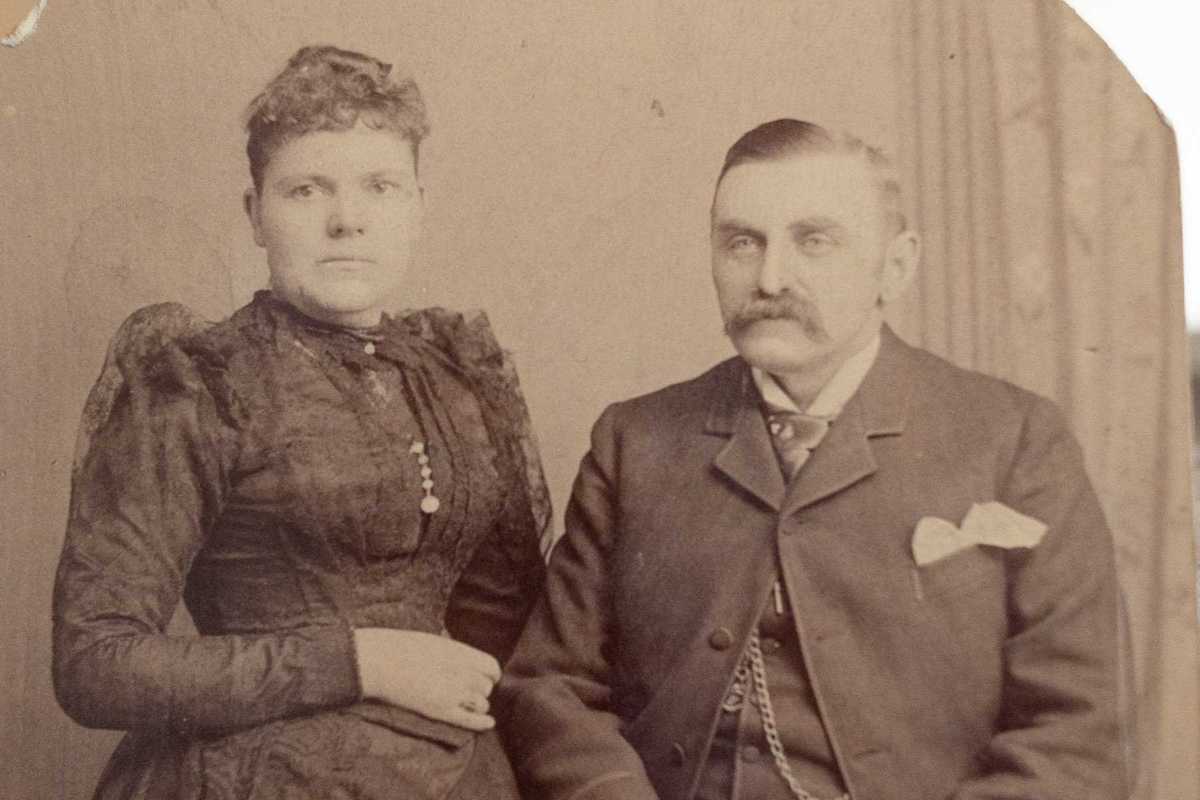
It would take 52 years after that move for Price to learn that her family’s connection to the community dates back to its founding days — when her great-grandfather and local druggist Levi P. Hatch was considered one of the village’s nine founding professionals.
The discovery began in 2013, when she read a magazine article on the village’s founders and realized she had a connection to Hatch. He was Price’s great-grandfather.
“He was considered one of the nine founding professionals,” Price said. The discovery came decades after Price first moved to Millerton in 1961, when her father, Bill Doughty, relocated the family there to be closer to his parents, Millerton natives Roy and Mae Doughty.
The discovery, sparked by the article and later expanded through research by local amateur historian Sarah Hermans, cemented Price’s connection to a community that she had been in love with since she was a girl.
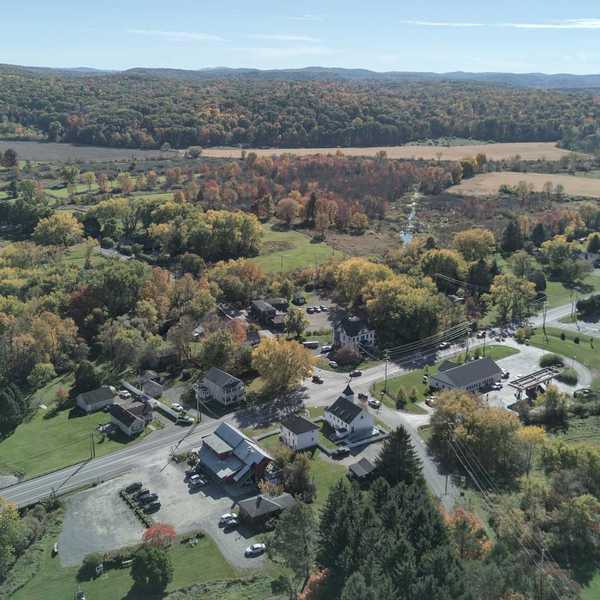
Hatch arrived in Millerton by train, according to research completed by Price and Hermans, and settled in the village, where he soon met Lottie Mae Scribner, who lived on nearby Silver Mountain. The two married, though the exact date is unknown, and lived in a house on Elm Avenue — also known today as Route 22. The pair had four children.
Price’s grandmother, Mae Hatch, was the youngest of Levi and Lottie’s four kids. Price describes her as a talented musician who could play piano by ear despite a lack of formal lessons.
“She played for the grange dances,” Price said. Mae married a Poughquag resident named Roy Doughty, Price’s grandfather, and the pair also settled down in Millerton.
Roy Doughty, Price said, worked at Dutchess Auto in the early days of the automobile industry. But a stroke forced him to take a less-intensive job as a tax collector. Roy and Mae also had four children — Helen, Erma, Richard and Price’s father, William “Bill” Doughty.
Bill Doughty graduated from school in Millerton in 1936 and was drafted into World War II in 1941. During the war, Bill served as a first lieutenant in the U.S. Army Corps of Engineers. He moved to Pittsfield, Massachusetts, upon returning to the states and settled down with a resident of that town named Rita Mazur, Price’s mother. The pair married in 1946 and had three children — William Jr., known as “Mike;” Diane, born in 1949; and Patrick.
Bill was eventually drafted for the second time to serve during the Korean War, and his family moved from Pittsfield to New Smyrna Beach in Florida for about three years, Price said.
After his service ended, the ‘60s had arrived and Price’s grandparents’ health was deteriorating. Prior to the move to Florida, her family regularly made road trips from Pittsfield to Millerton to visit and care for her grandparents. But in 1961, her family moved to Millerton permanently, where her mother and father lived out the rest of their lives.
Price was 13 when her family moved to Millerton permanently. She said she already loved the community, describing it as close-knit, safe and entertaining.
“In 1961, I went to the movies and I met a boy,” Price said. “I sat with that boy and my parents knew about it before I got home.”
She said the community has changed dramatically since she moved here in the 1960s. At the time, everybody knew each other. The highlight of the weekend was the Friday night train bringing visitors from New York City. But opportunities in the community declined over the decades, and now many people who grew up in the area feel they have to leave to make a living.
“What industry is there?” Price said. “What reason do we have for children or teenagers or adults to stay here? Where can they work and make a decent living?” Those questions have been on her mind for decades, she said, as she watched her students and her own children grow up and leave Millerton to find work and build their lives.
Despite the anxiety, Price looks back fondly on her upbringing in the village and the community that still exists here.
“Every day is a gift,” Price said. “How can I be anything but grateful for the life that I lived?”


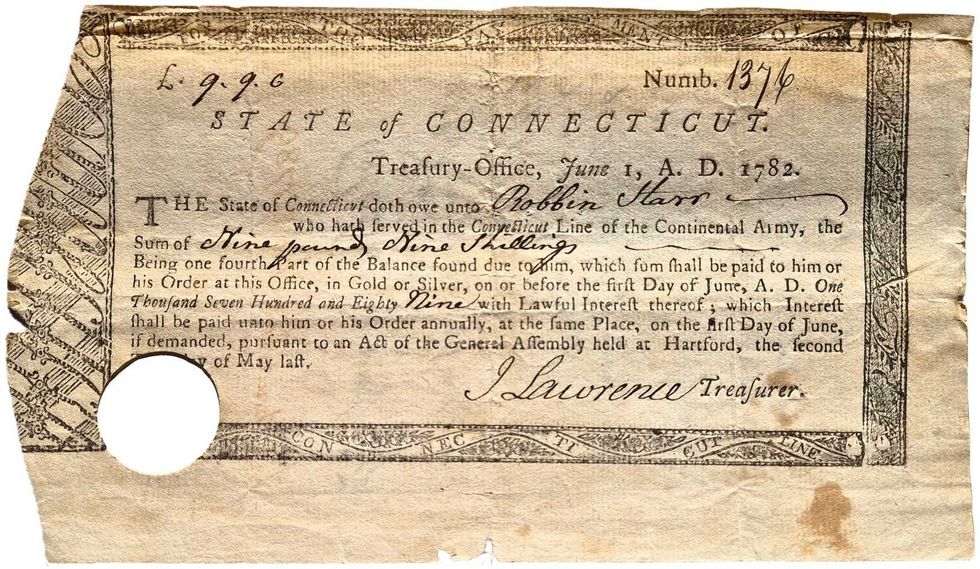 Pay Bill for Robin Starr’s service in the Continental Army.Courtesy the Alex Breanne Corporation
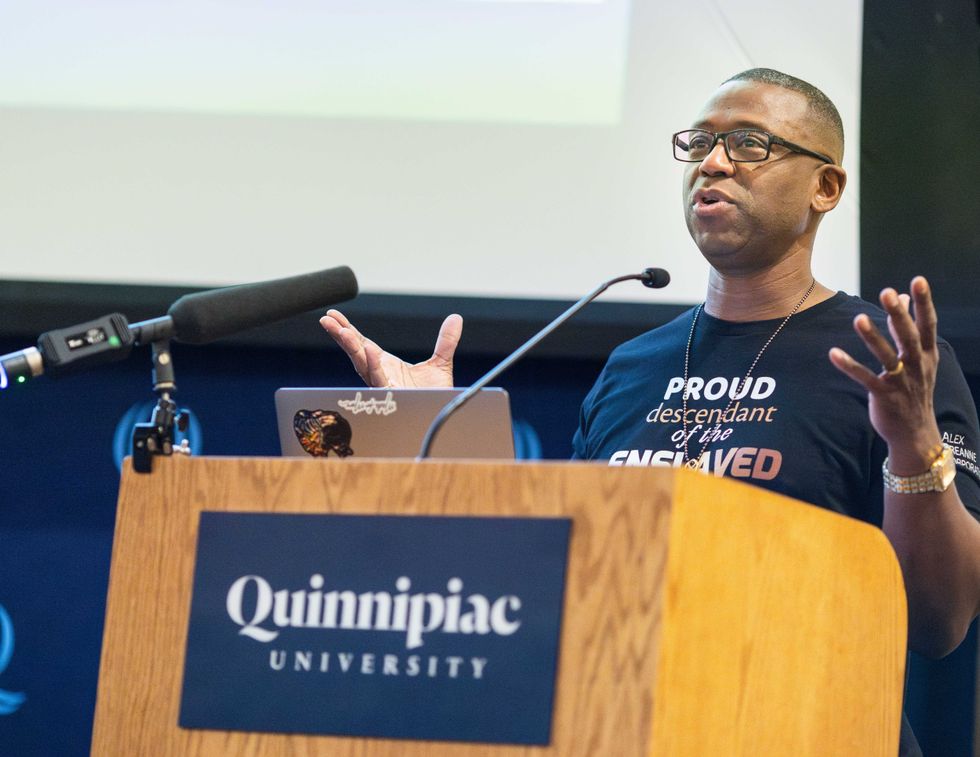 John Mills speaking at Quinnipiac University.Courtesy the Alex Breanne Corporation
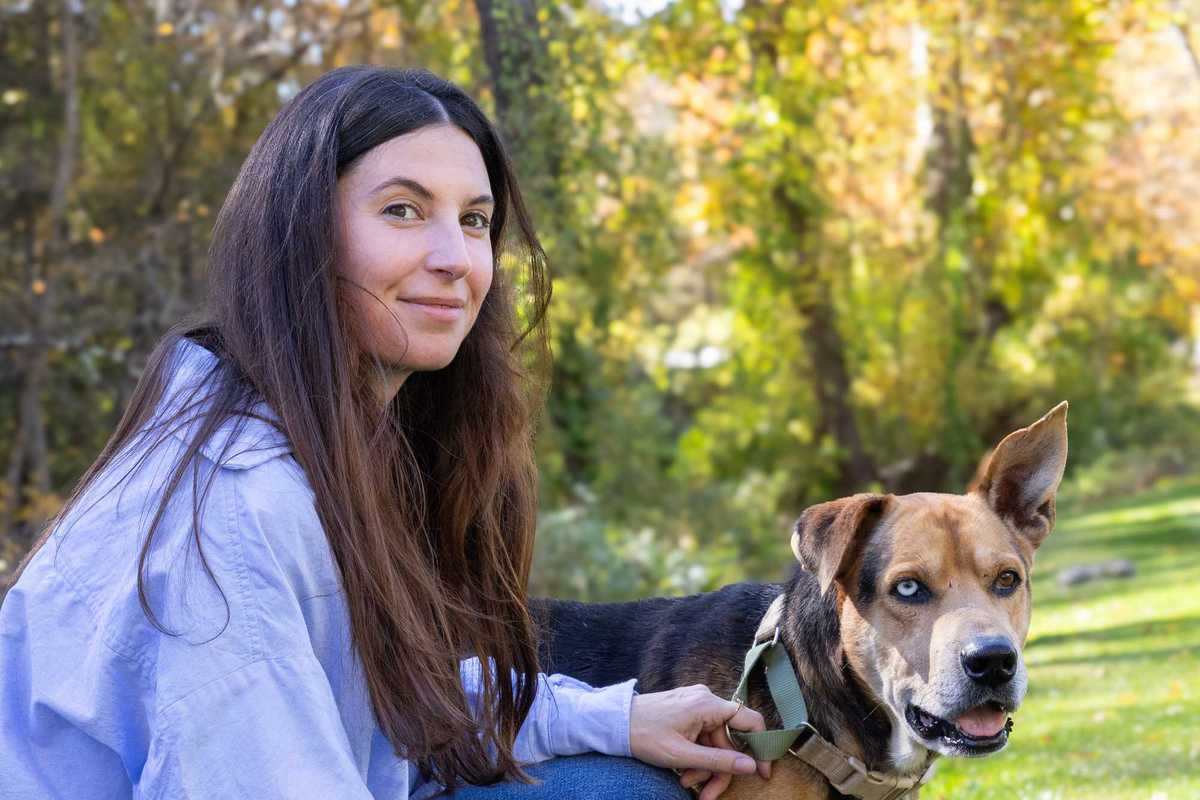
 Stephanie Saetta,with her rescue dog George and Blue (left), a shepherd mix awaiting his forever home.Madi Long