In his 1949 seminal work, “A Sand County Almanac,” Aldo Leopold, regarded by many conservationists as the father of wildlife ecology and modern conservation, wrote, “There are some who can live without wild things and some who cannot.” Leopold was a forester, philosopher, conservationist, educator, writer and outdoor enthusiast.
Originally published by Oxford University Press, “A Sand County Almanac” has sold 2 million copies and been translated into 15 languages. On Sunday, March 8, from 3 to 5 p.m. in the Great Hall of the Norfolk Library, the public is invited to a community reading of selections from the book followed by a moderated discussion with Steve Dunsky, director of “Green Fire,” an Emmy Award-winning documentary film exploring the origins of Leopold’s “land ethic.” Similar reading events take place each year across the country during “Leopold Week” in early March. Planning for this Litchfield County reading began when the Norfolk Library received a grant from the Aldo Leopold Foundation, which provided copies of “A Sand County Almanac” to distribute during the event.
Aldo Leopold, born in 1887 in Iowa, was educated at Yale University, where he studied in the newly formed forestry school, graduating in the class of 1909. His then-radical concept of a “land ethic” states that land as a whole — soils, water, plants, animals and humans — should be understood as one community. Leopold explained, “A thing is right when it tends to preserve the integrity, stability and beauty of the biotic community. It is wrong when it tends otherwise.”
For a small town of roughly 2,000 people, Norfolk has an abundance of conservation land, including the 6,000-acre Great Mountain Forest and Aton Forest, a 1,300-acre research forest. It is a community where many share a sense of responsibility to live sustainably on the land. Sharing Leopold’s essays at the Norfolk Library honors his legacy.


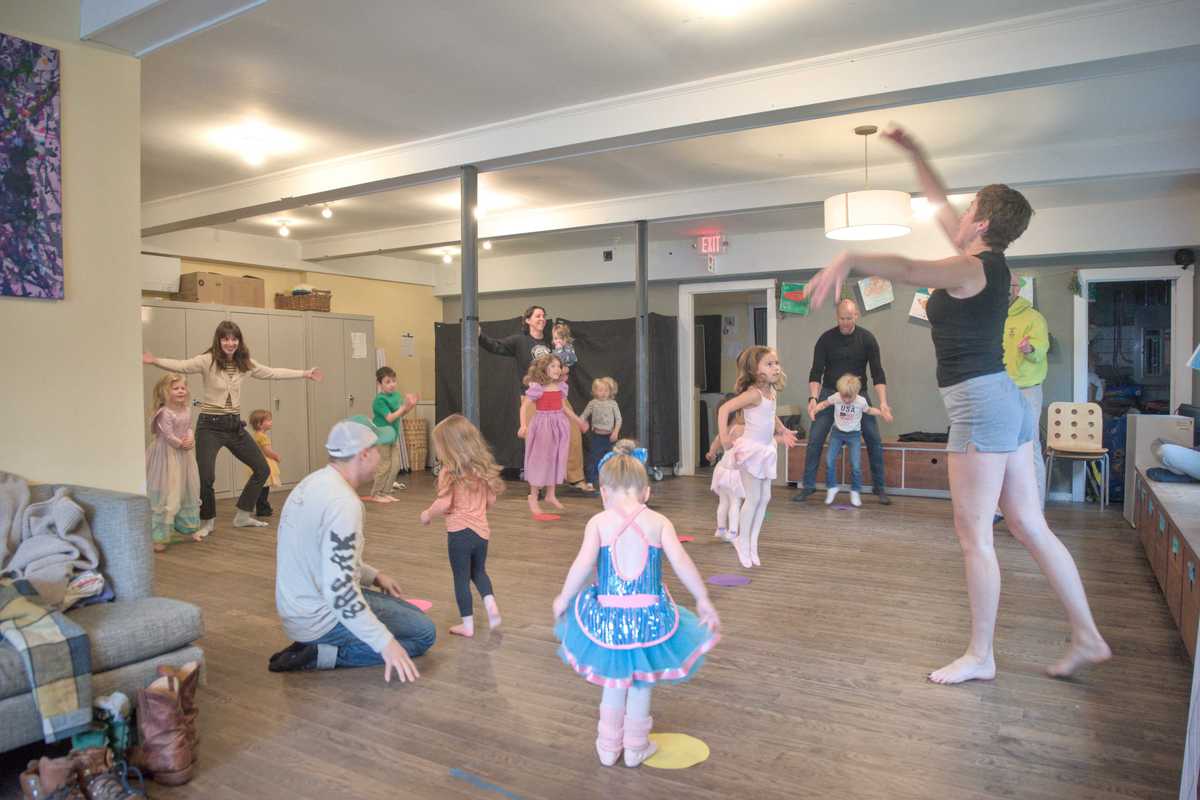
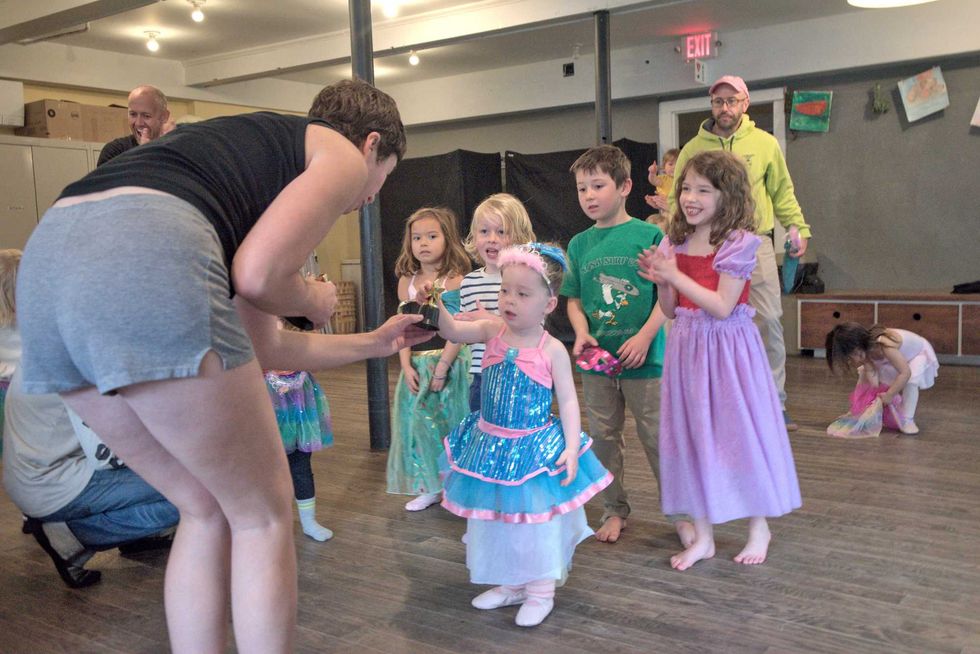 Kim Yarnell supplies all the young dancers with gold star trophies to mark their completion of the six-week pilot program at NECC on Sunday, Oct. 11.Photo by Nathan Miller

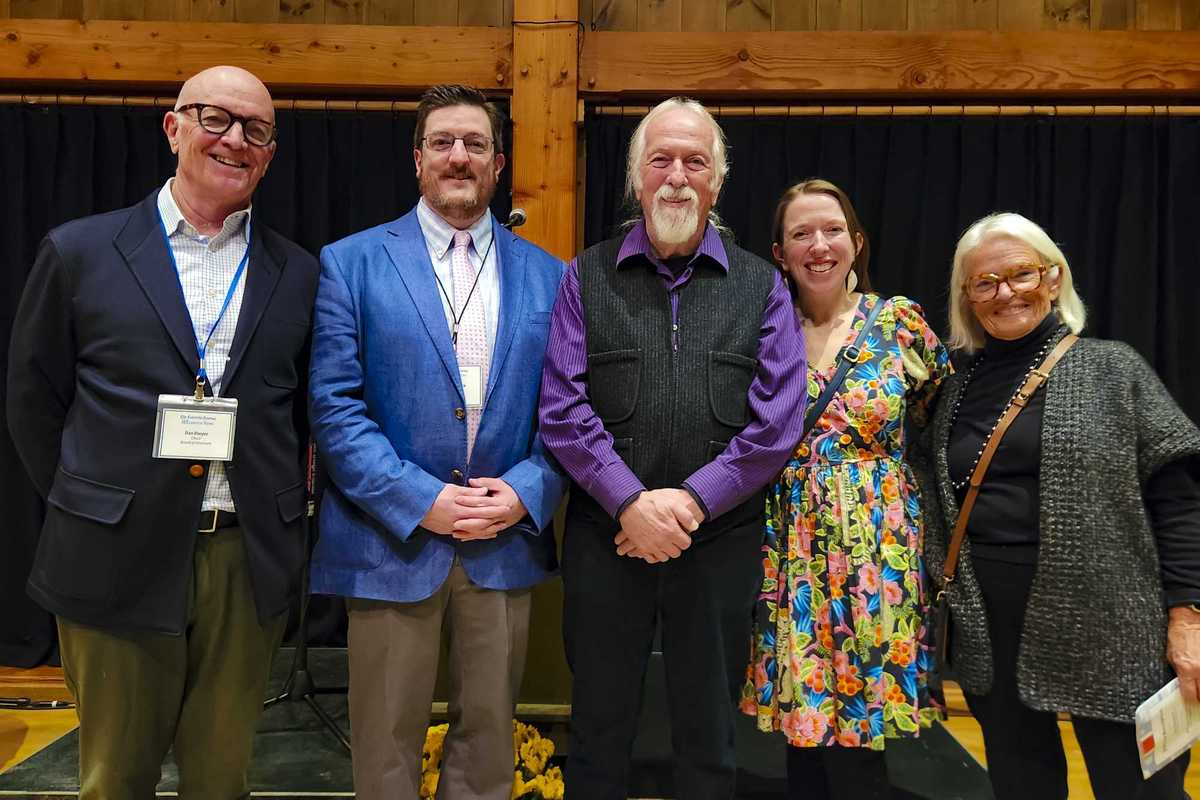
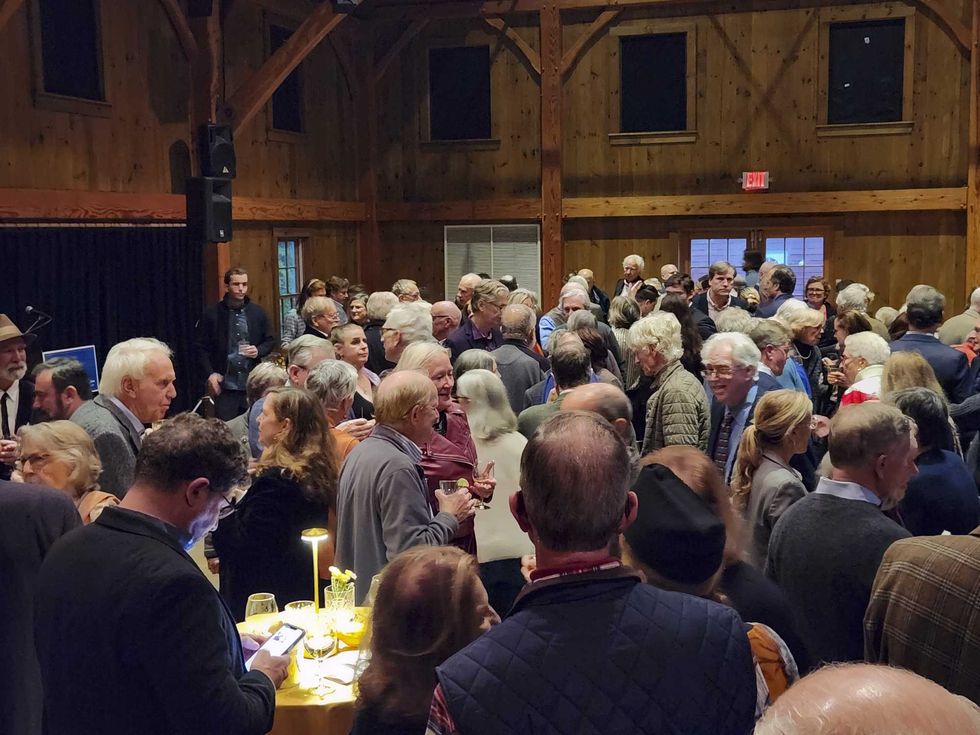 Attendees gather at the Sharon Playhouse Sunday, Oct. 11, for the annual Jubilee gala, celebrating five years of nonprofit ownership of The Lakeville Journal and The Millerton News.Photo by Patrick Stachniak