Thank you!
Your support is sustaining the future of local news in our communities.

Next steps for local journalism

As promised last week, here is more on the way this newspaper will continue to find ways to maintain a viable business model for local journalism. As noted, this is the first week The Lakeville Journal Company is instituting a price increase for single copy sales at dealers, as well as for print and online subscriptions. During the COVID-19 pandemic changes, in a cost-saving measure, we took the opportunity to shutter our Millerton News office, now operating both The Lakeville Journal and Millerton News from our Falls Village office, and remotely. The world has changed since March, and in order to stay up and running, every business, large or small, has to change as well.

Another way we have targeted to save money is by changing printers this week, from our longtime partners at Trumbull Printing in Trumbull, Conn., to The Berkshire Eagle, New England Newspapers, in Pittsfield, Mass. Sometimes change needs to happen in order to minimize costs and maximize efficiency, and that is what we hope will come of this move. It is also a way we can support the local, independent journalism that is happening now at the Eagle and their other New England Newspapers.

One of the things that makes The Lakeville Journal Company unique is not just that it’s a provider of local journalism, but also that it’s independently owned. Most of the local media in our region was bought by large corporate owners over the past decades, and it was not easy for this little media company to retain its individuality. It is owned by a board who cares deeply about keeping local journalism alive, and independent. In fact, if you look through the newspaper this week, you will find them listed in the statement of ownership required by the U.S. Postal Service to be run for the public to see every October. Only gratitude to our owners on behalf of those who work at the company and our readers. If it weren’t for their dedication to this cause, it’s very likely this local media would either no longer be around, or would be owned by a large corporate entity and look very different than it does now.

Our commitment is to provide the best coverage we can for our communities during this time of massive change. Last year at this time, we did a survey of our readers and established a for-profit membership model that was very successful, from our point of view. This year, as we analyze the way to survive through 2021 and beyond, we will maintain that basic model, calling it a contributors’ model, while still having people on our board and advisory board looking into options for a possible nonprofit arm of the company. Please take note of an inserted letter and return envelope in the newspapers Oct. 22, which is from our ownership on planning and needs as we continue through our 124th year in business.

And thank you for your support of local journalism. It is readers like you who have kept us going for 124 years.
Latest News

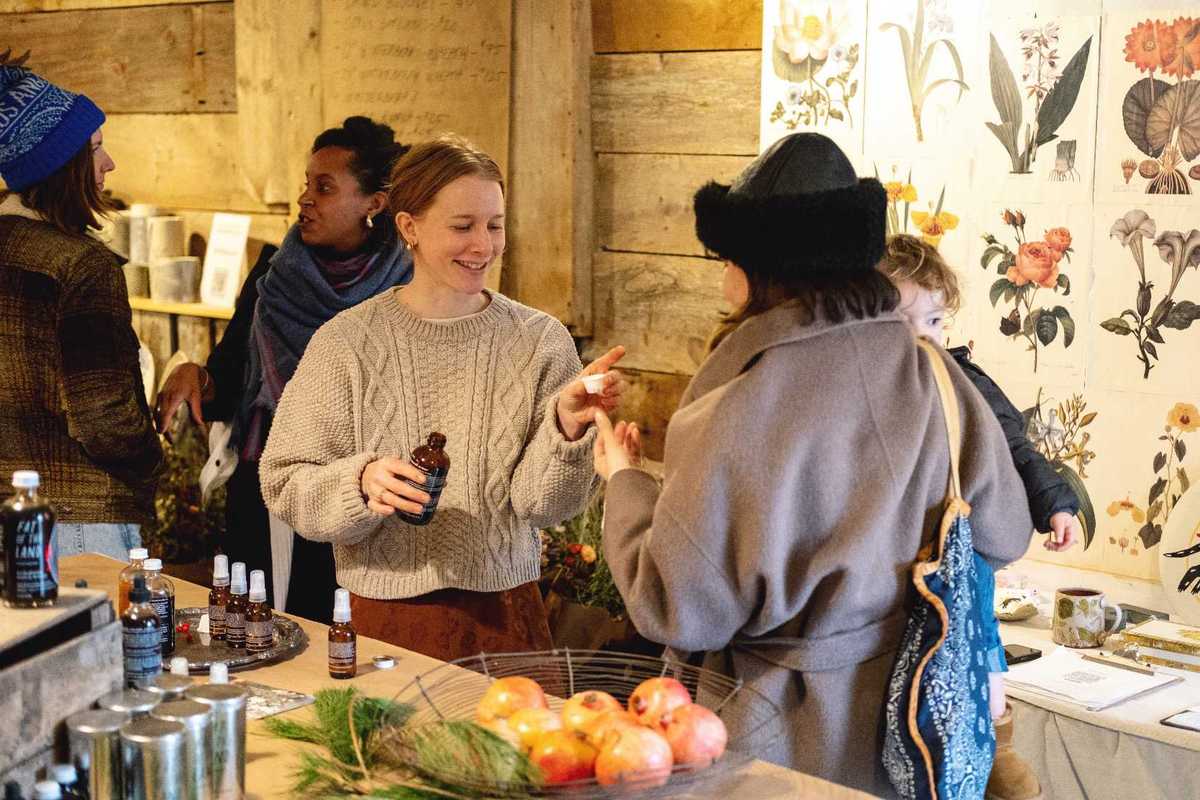
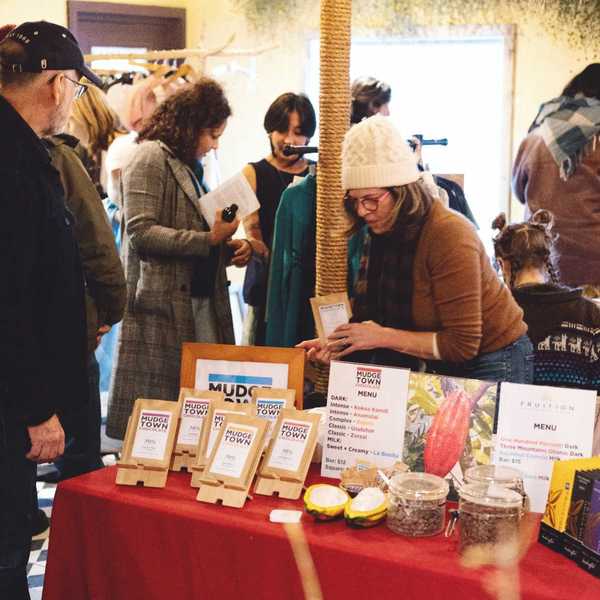
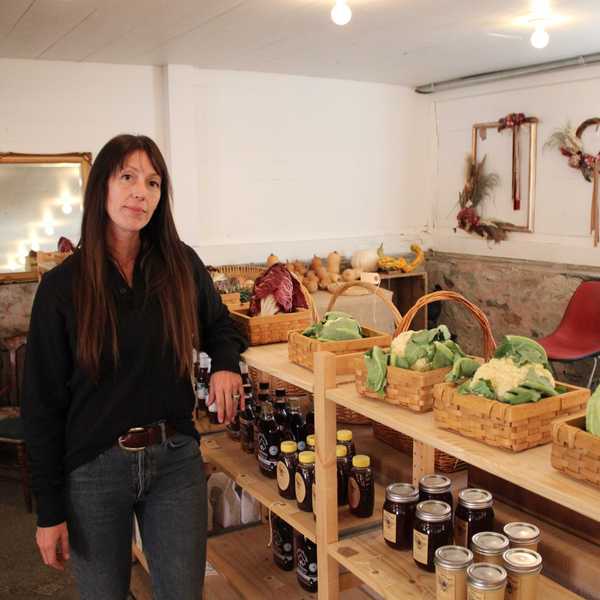
Farm & Friends: a holiday market that gives back

The Farm & Friends holiday market returns Nov. 21 and 22, featuring local makers, food producers and seasonal gifts.

Provided

According to PBS, “More than 5 million people have lost their Supplemental Nutrition Assistance Program, or SNAP, benefits since President Trump’s so-called One Big Beautiful Bill passed last year.” Combined with rising costs and new eligibility requirements, these cuts have placed additional pressure on families struggling to make ends meet. As more people turn to food banks and pantries for assistance, local farms are playing an increasingly important role in meeting that need. Hungry Reaper Farm in Morris, for example, supplies food and CSA shares to a variety of nonprofit organizations and schools.

In Dutchess County, The Webatuck Valley Farm Collaborative is working to strengthen the pipeline from farms to foodbanks. Led by Rock Steady Farm, Sweet Freedom Farm and Wildseed Community Farm and Healing Village, the collaborative hopes to double the infrastructure capacity for at least 15 local farms. This will allow them to increase supplies for food pantries and regional schools while expanding the farms’ reach to industrial buyers and distributors. By their estimation, the food hub “will supply and impact 9 school districts, 13 food pantries, and partner with 6 institutional buyers and 8 aggregators and distributors.”

Keep ReadingShow less
google preferred source

Want more of our stories on Google? Click here to make us a Preferred Source.

Under the big top at Full Circus Farm

Under the big top at Full Circus Farm

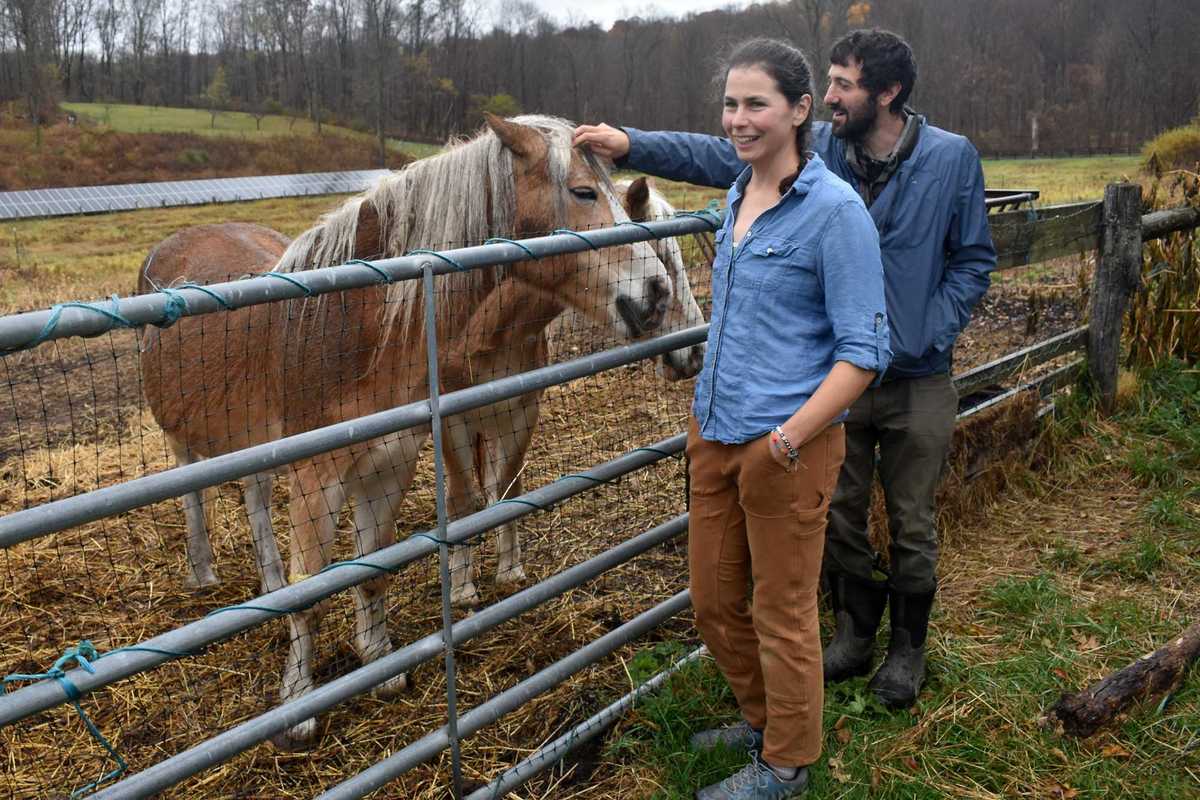
Miriam Goler and Mark Stonehill with their Haflinger horses, Sunshine and Sandy, at Full Circus Farm in Pine Plains.

L. Tomaino
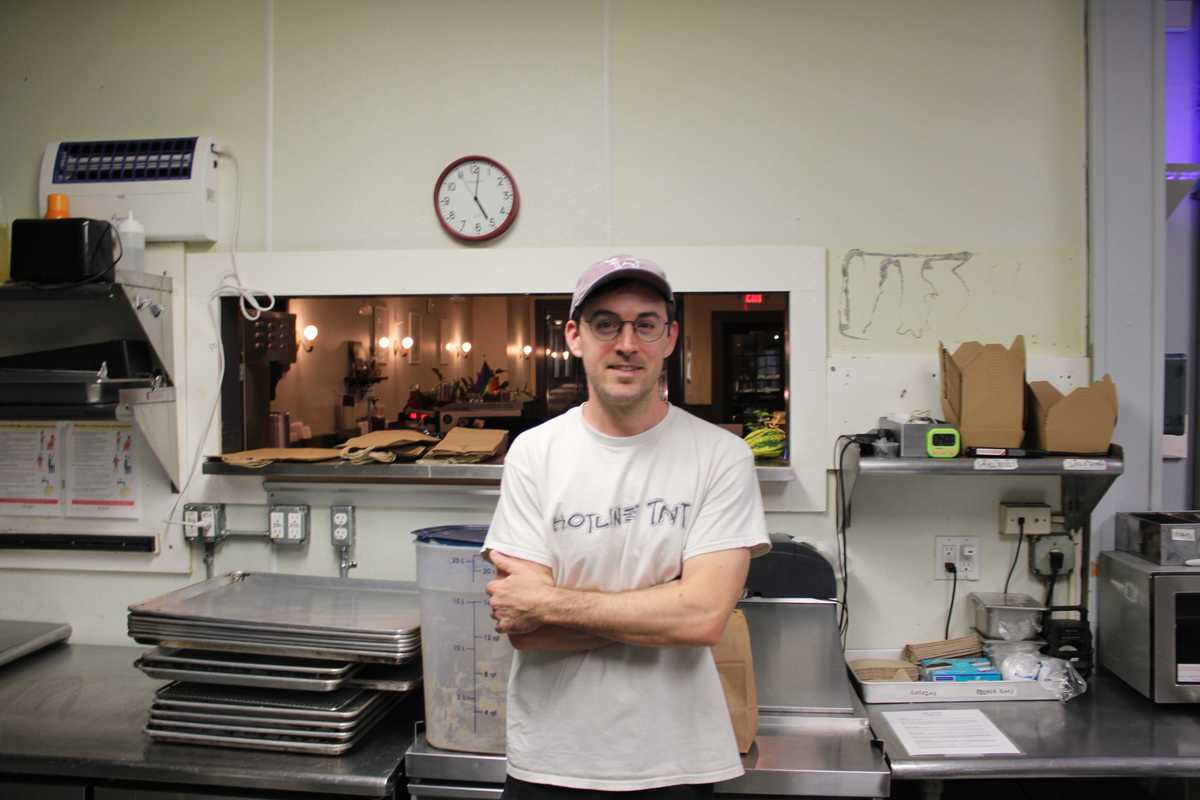
We share this farm with such amazing human and nonhuman neighbors.
— Mark Stonehill

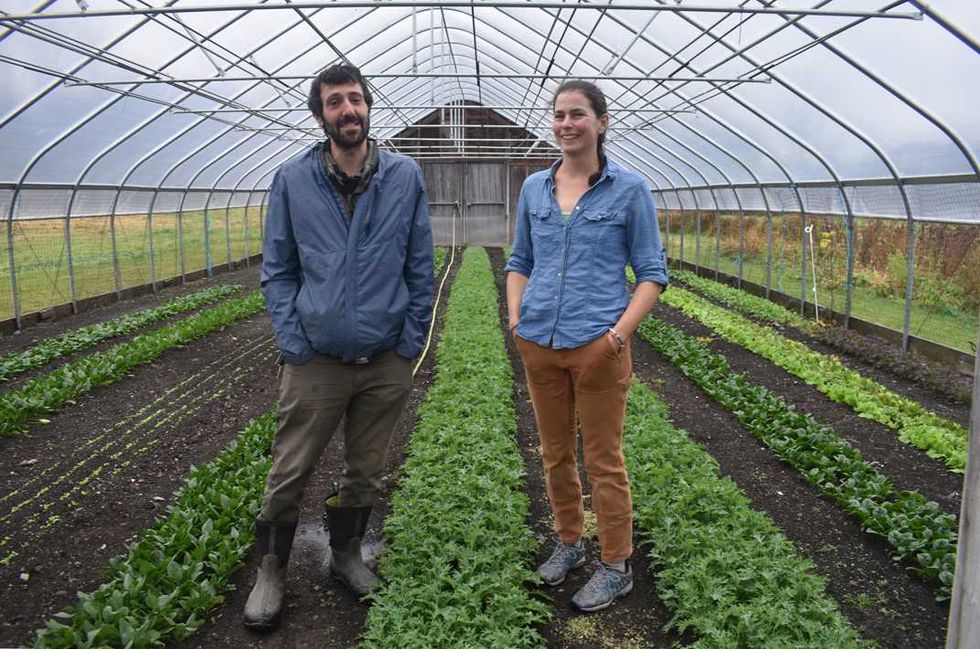
For Mark Stonehill and Miriam Stonehill Goler, the founder of Full Circus Farm in Pine Plains, farming has always been about more than what comes out of the ground.

“From the very beginning, we’ve envisioned the farm as a place not only for food production, but also merriment and community,” they said.

Keep ReadingShow less
At Ancram Center, community takes center stage
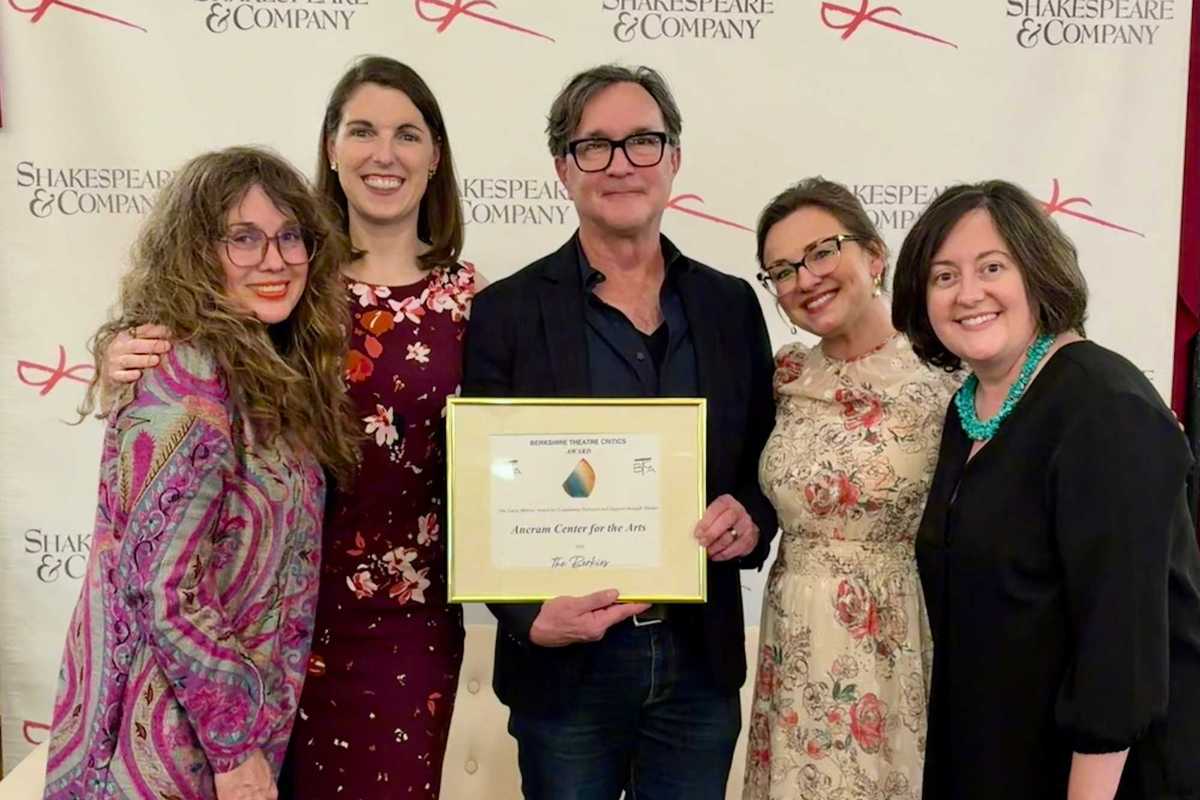
Ancram Center staff and teaching artists after the ceremony.From left to right,Simone Stevens, Sarah Katan, Jeffrey Mousseau, Erin Krom and Chris McCoy.
Provided

At the Ancram Center for the Arts, the stage has been host to numerous award winning professional actors, but it also often belongs to a neighbor with a story to tell. Other times, the performance moves out of the theater altogether, transforming a pond, a field or a corner of town into a stage.

That commitment to bringing theater into the community — and the community into the theater — has earned the Ancram Center the Larry Murray Award for Community Outreach and Support through Theater, one of the Berkshire Theatre Critics Association’s annual Berkie Awards.

Keep ReadingShow less
The Cornwall Whale resurfaces in West Cornwall

The Cornwall Whale is the brain-child of visual and experiential designer Lindsay Stadig.

Provided

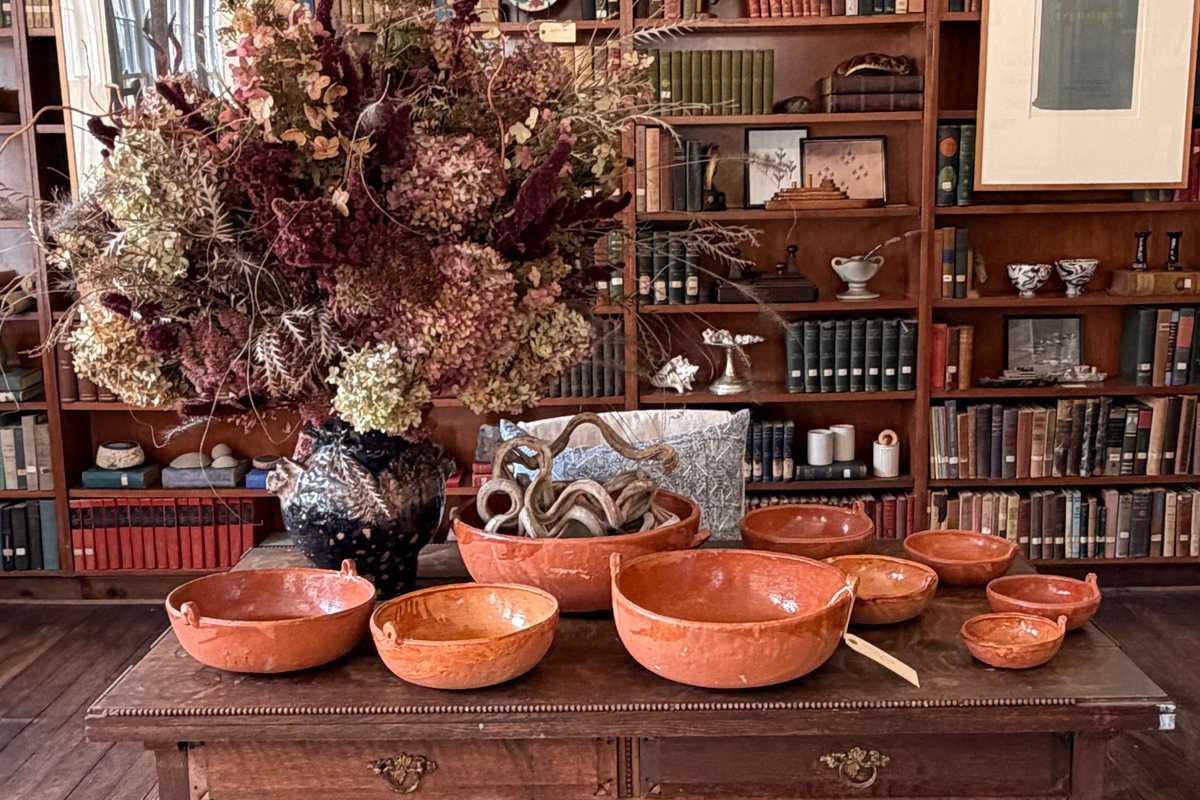
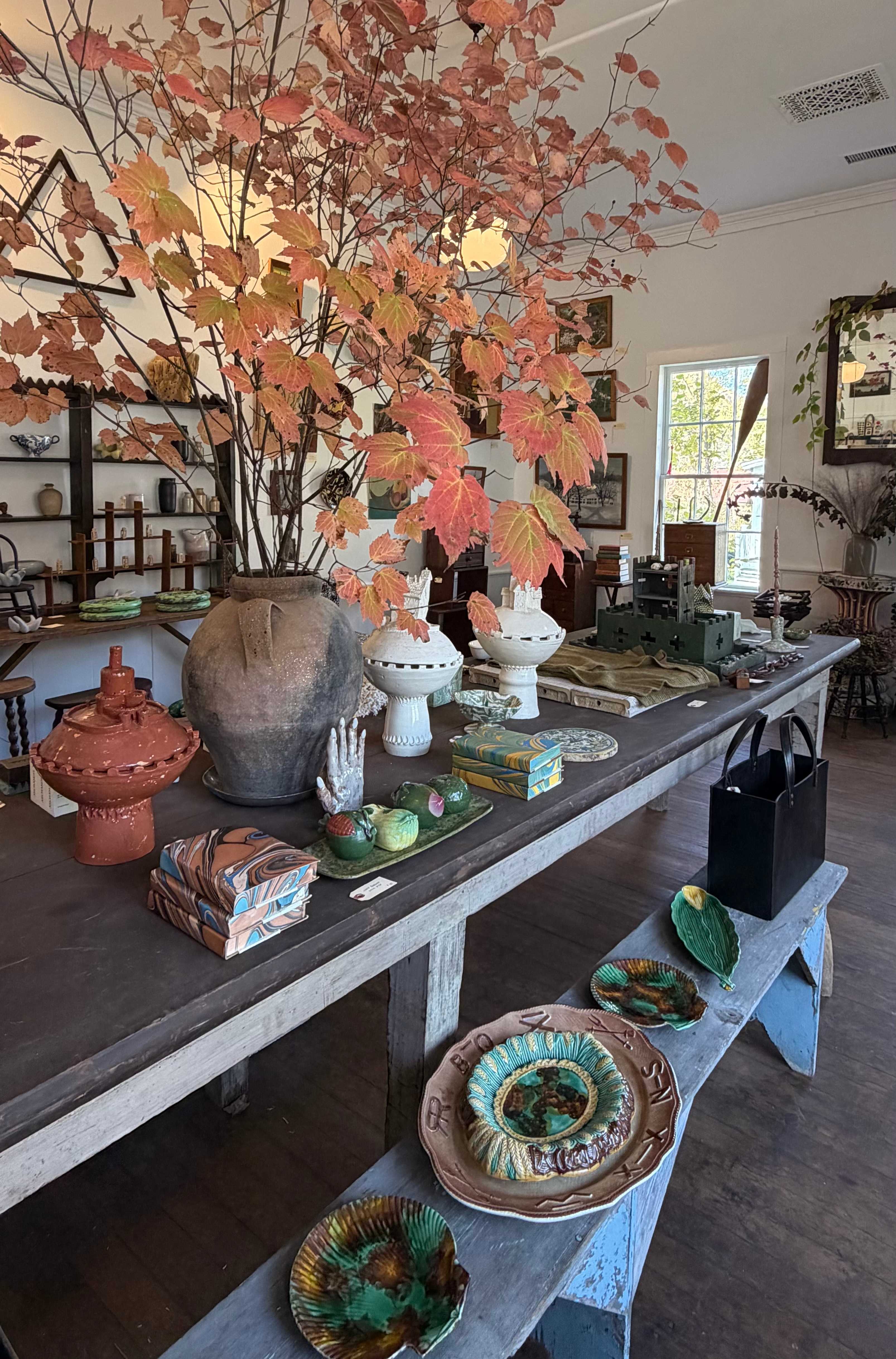
There’s something oddly familiar yet intangibly foreign about the Cornwall Whale. It’s not an interiors store, even though there are chairs and furnishings for sale. It’s not an art gallery, though there are paintings and sculptures occupying every corner of the space. It’s not a boutique, even with locally handmade shoes and carefully selected garments. No, The Cornwall Whale is something truly unique in the world of the truly unique.

The enigmatic shop popped up in the early winter of 2025 at the Hughes Memorial Library, right on the bank of the Housatonic River in West Cornwall. It is the brain-child of visual and experiential designer Lindsay Stadig.

Keep ReadingShow less
google preferred source

Want more of our stories on Google? Click here to make us a Preferred Source.

google preferred source

Want more of our stories on Google? Click here to make us a Preferred Source.