Thank you!
Your support is sustaining the future of local news in our communities.

Local news

The local newspaper can be greater than the sum of its parts. Today, people can find out what will happen with the weather by reaching for the phone in their pocket. With that phone still in hand, they can quickly look up any number of things, plus order dinner, shop for groceries and see what’s at the movies if they are inclined to see a big-screen flick once in a while. They can do all these things and much more with ease. But taking the pulse of a community is another matter – unless they happen to be reading a local newspaper on the phone. Maybe it’s a digital-first newspaper that “prints” its stories online first and then delivers a print version. But it’s a newspaper.

Day-to-day or week-to-week, the newspaper can deliver the greater sum of a community’s personality and character. With its range of stories about a place and its people, the newspaper can aspire to embody a community – and serve as a mirror that reflects the public back to itself, perhaps helping it to make sense of itself.

Even in an age when artificial intelligence, such as ChatGPT, appears ready to play a signficant role, local news as a commodity remains vitally important. To quote an AI-generated,  ChatGPT response:  “A local newspaper serves as an important source for local news, events and information that directly impacts the community it serves. It help to create a sense of community and can provide a forum for community members to express their opinions and raise concerns. A local newspaper can also provide coverage of local businesses, schools and government, which can help improve transparency and accountability. Additionally, a local newspaper may serve as an important historical record of the community.”

So back to print. It’s hard to resist Norma Bosworth’s “Turn Back the Pages” column, which appears on this page every week – “an important historical record.” The local newspaper seeks to report all the news and information (which ChatGPT knows about), and to provide a forum for opinions and concerns and keep government accountable. That’s good news.

This spring,  we witness new and revived local news operations sprouting in our communities. In Kent, work is underway to bring back the Good Times Dispatch weekly newspaper. In Pine Plains, the New Pine Plains Herald has launched at www.newpineplainsherald.org. As we reported in January, the Winsted Citizen launched as a start-up, print-focused newspaper, backed by Ralph Nader.

These new community news sources and other ones like them that have been serving their communities for decades are vital to community health and spirit. Many of them are staffed by volunteers, a virtuous cycle. In sum, they tie our communities together as a region, a larger-than-life village square.
Latest News

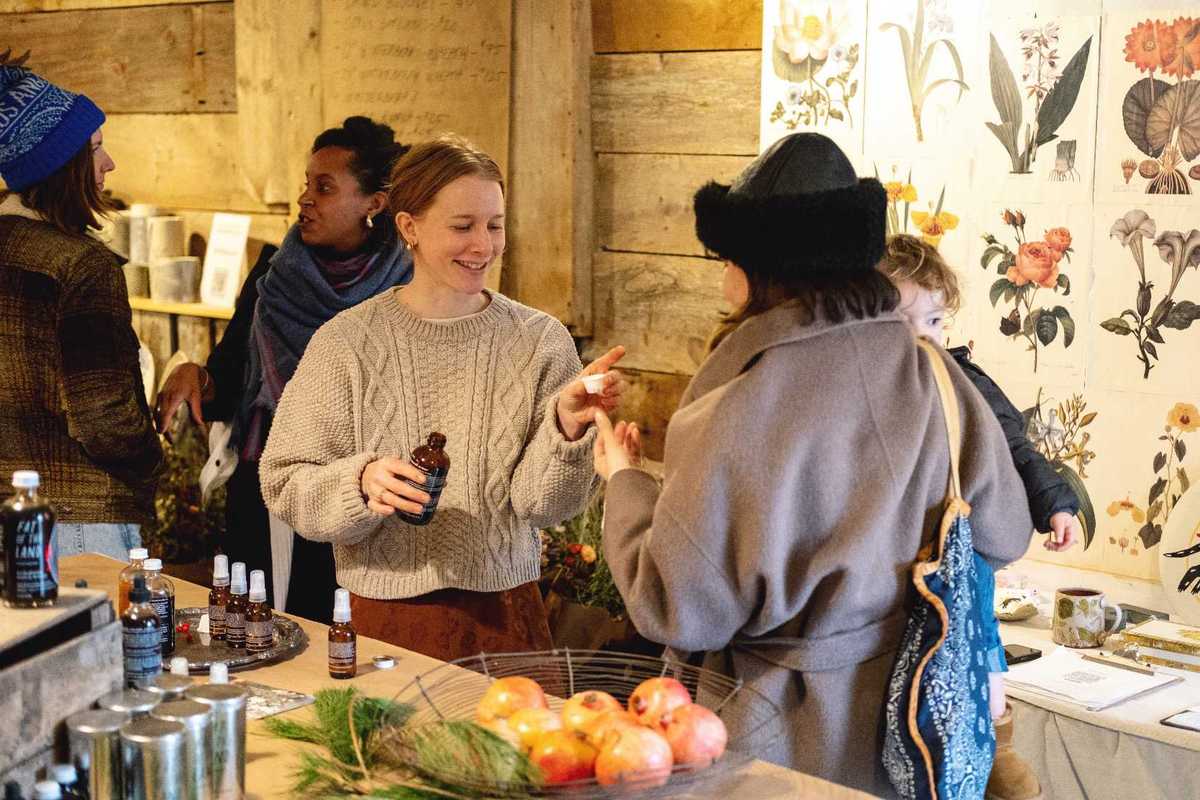
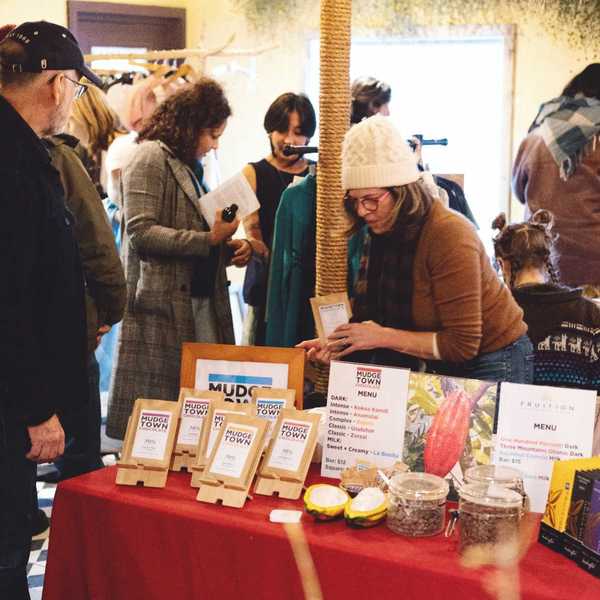
Farm & Friends: a holiday market that gives back

The Farm & Friends holiday market returns Nov. 21 and 22, featuring local makers, food producers and seasonal gifts.

Provided

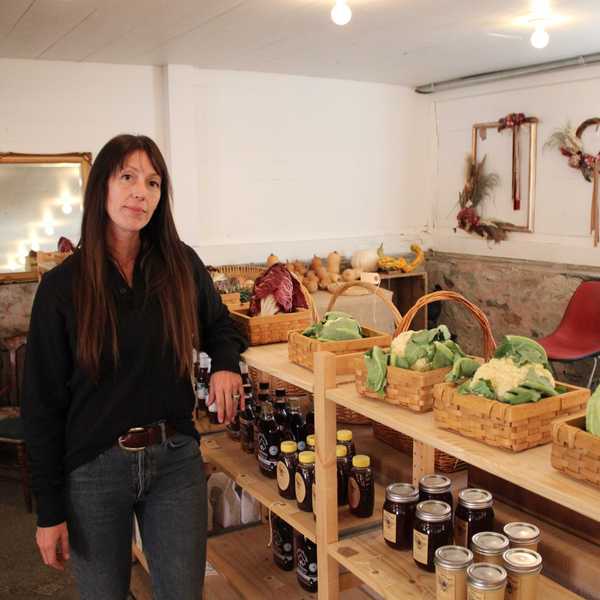
According to PBS, “More than 5 million people have lost their Supplemental Nutrition Assistance Program, or SNAP, benefits since President Trump’s so-called One Big Beautiful Bill passed last year.” Combined with rising costs and new eligibility requirements, these cuts have placed additional pressure on families struggling to make ends meet. As more people turn to food banks and pantries for assistance, local farms are playing an increasingly important role in meeting that need. Hungry Reaper Farm in Morris, for example, supplies food and CSA shares to a variety of nonprofit organizations and schools.

In Dutchess County, The Webatuck Valley Farm Collaborative is working to strengthen the pipeline from farms to foodbanks. Led by Rock Steady Farm, Sweet Freedom Farm and Wildseed Community Farm and Healing Village, the collaborative hopes to double the infrastructure capacity for at least 15 local farms. This will allow them to increase supplies for food pantries and regional schools while expanding the farms’ reach to industrial buyers and distributors. By their estimation, the food hub “will supply and impact 9 school districts, 13 food pantries, and partner with 6 institutional buyers and 8 aggregators and distributors.”

Keep ReadingShow less
google preferred source

Want more of our stories on Google? Click here to make us a Preferred Source.

Under the big top at Full Circus Farm

Under the big top at Full Circus Farm

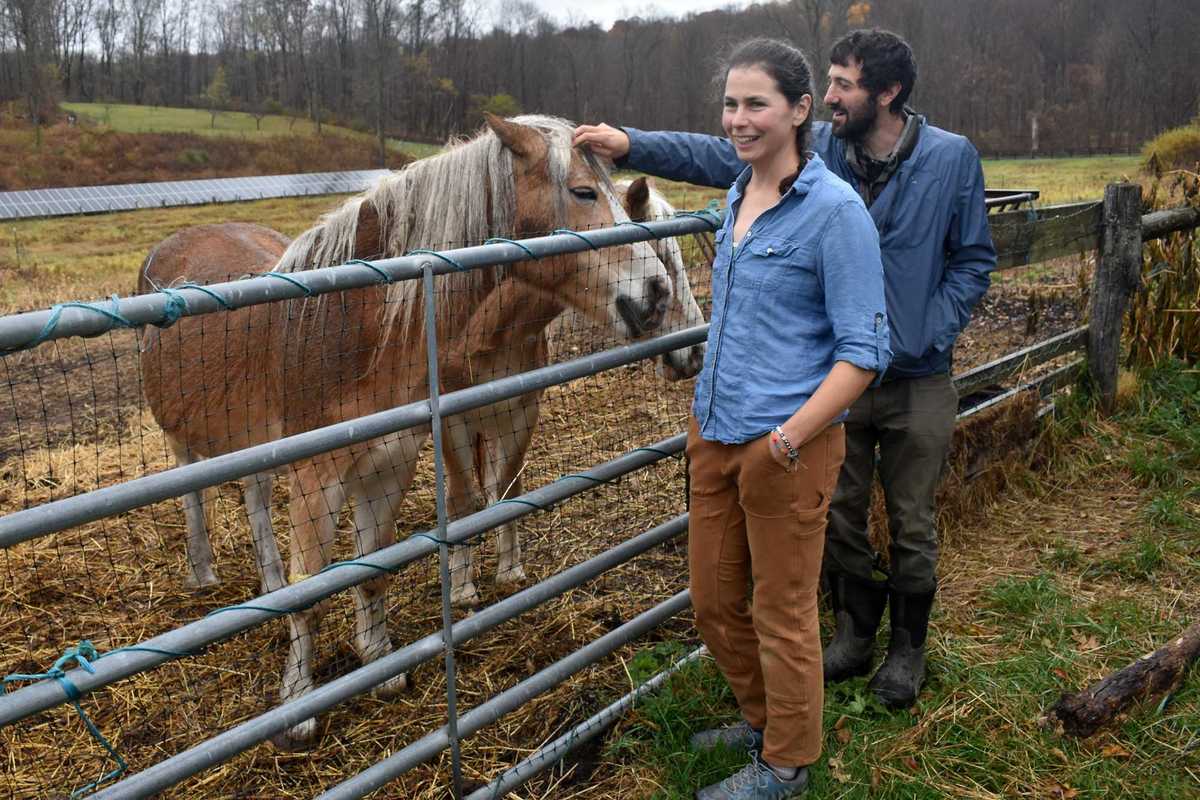
Miriam Goler and Mark Stonehill with their Haflinger horses, Sunshine and Sandy, at Full Circus Farm in Pine Plains.

L. Tomaino
We share this farm with such amazing human and nonhuman neighbors.
— Mark Stonehill

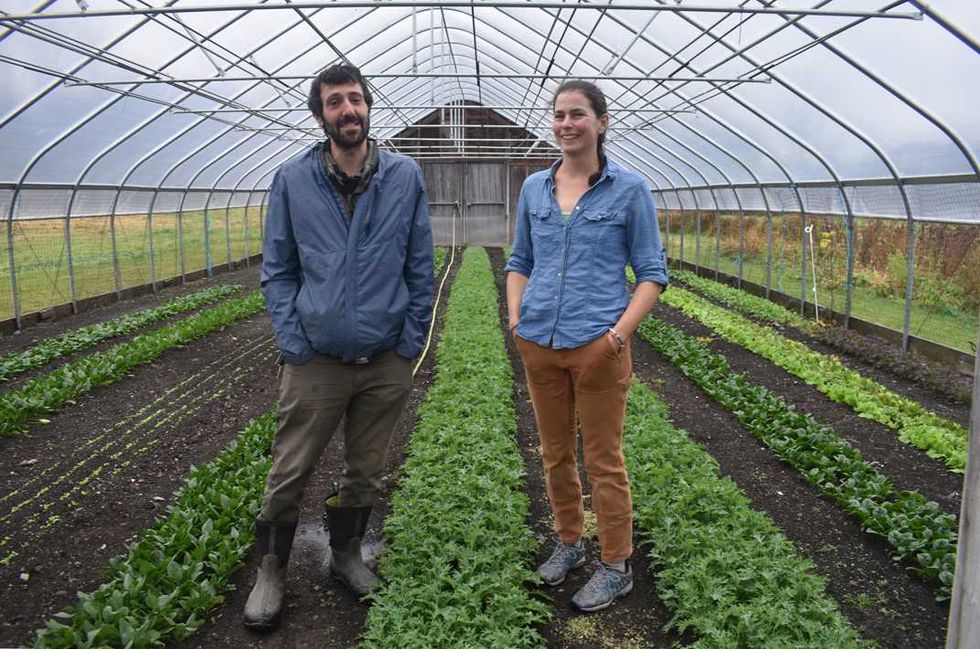
For Mark Stonehill and Miriam Stonehill Goler, the founder of Full Circus Farm in Pine Plains, farming has always been about more than what comes out of the ground.

“From the very beginning, we’ve envisioned the farm as a place not only for food production, but also merriment and community,” they said.

Keep ReadingShow less
At Ancram Center, community takes center stage
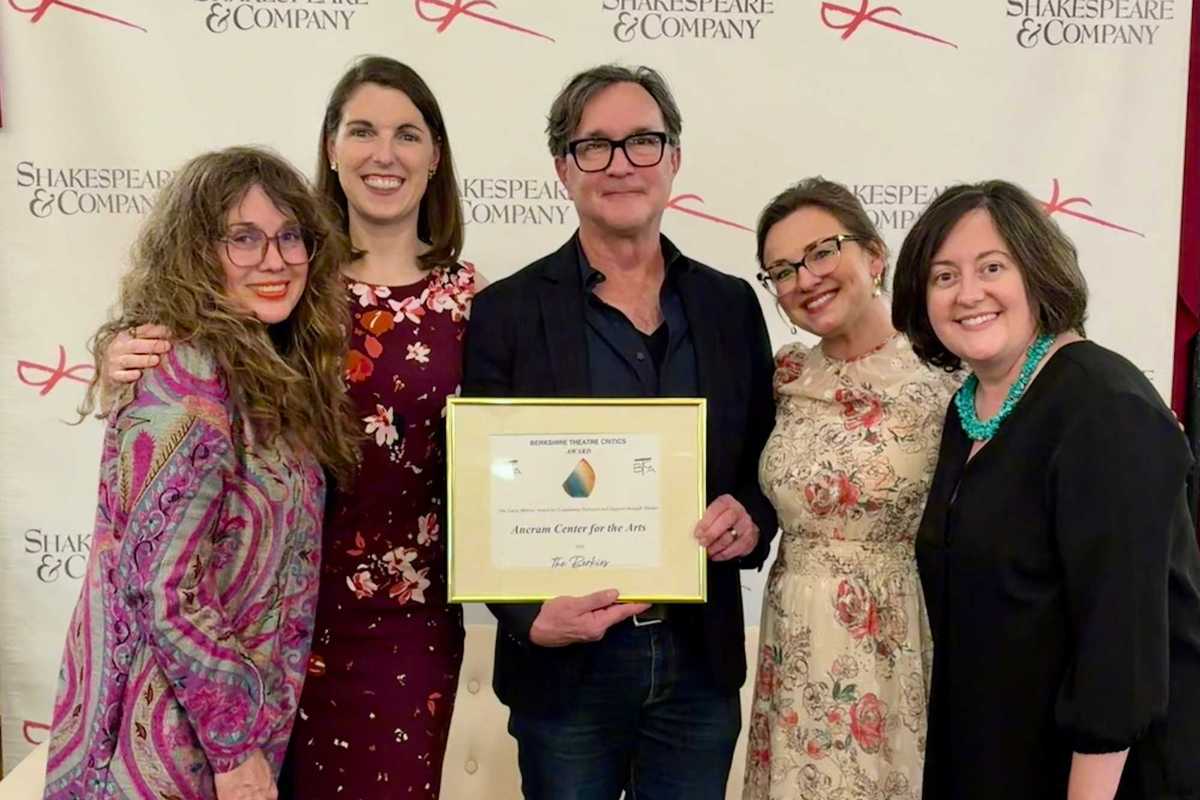
Ancram Center staff and teaching artists after the ceremony.From left to right,Simone Stevens, Sarah Katan, Jeffrey Mousseau, Erin Krom and Chris McCoy.
Provided

At the Ancram Center for the Arts, the stage has been host to numerous award winning professional actors, but it also often belongs to a neighbor with a story to tell. Other times, the performance moves out of the theater altogether, transforming a pond, a field or a corner of town into a stage.

That commitment to bringing theater into the community — and the community into the theater — has earned the Ancram Center the Larry Murray Award for Community Outreach and Support through Theater, one of the Berkshire Theatre Critics Association’s annual Berkie Awards.

Keep ReadingShow less

Social justice songwriting fall retreat

Social justice songwriting fall retreat

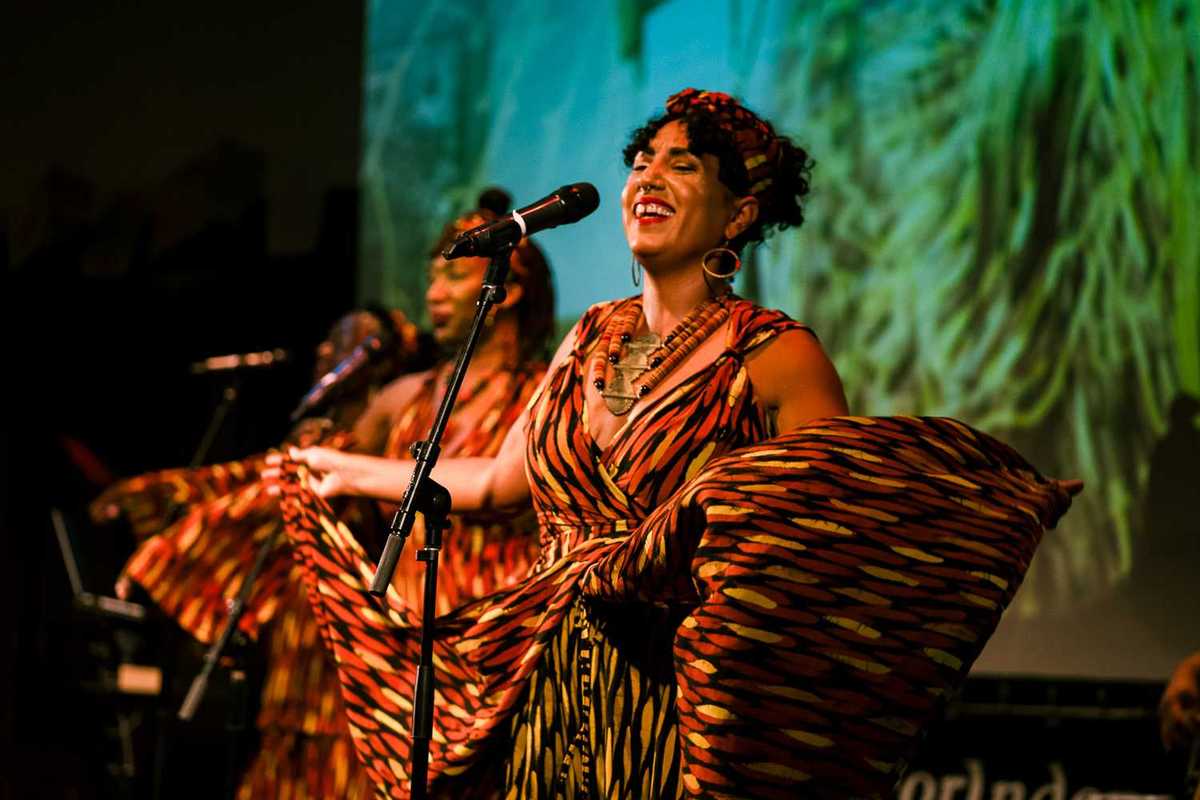
Singer, songwriter and activist Taína Asili leads a social justice songwriting retreat Nov. 20-23 at Soul Fire Farm in Petersburgh, N.Y.

Provided

Music has long been a powerful tool for protest, solidarity and social change. From civil rights anthems to contemporary songs of resistance, songwriting has helped give voice to movements and inspire collective action. Singer, composer and activist Taína Asili will explore that tradition during a four-day Social Justice Songwriting Retreat, Nov. 20 to 23, at Soul Fire Farm in Petersburgh, New York.

The retreat comes amid a renewed interest in collective singing as a form of activism. Organizations such as Singing Resistance are bringing people together across the country to use songs as tools for solidarity, nonviolent resistance and community building. The movement draws on the long history of music in social justice struggles, emphasizing the power of singing together to overcome fear, strengthen connections and inspire collective action.

Keep ReadingShow less
google preferred source

Want more of our stories on Google? Click here to make us a Preferred Source.

google preferred source

Want more of our stories on Google? Click here to make us a Preferred Source.