I guess this is what it means to have cultural myopia: When we talk about the national French holiday held every July 14, even though it’s called Bastille Day, I tend to think of it as French Independence Day, an extension of our own celebration 10 days earlier.
And naturally I tend to think of the Mexican celebration of May 5 in the same way.
Robert Arbor is the chef, owner and Le Grand Fromage of the popular bistro in Sharon, Conn., called Le Gamin. Rather than get into a lot of translation of French words and phrases, you may use Le Google to look most of them up.
But for the meaning of Bastille Day I will share Arbor’s explanation, which began with him politely refuting my claim that July 14 is his nation’s celebration of its independence.
“No,” he said or probably it was actually, “Non,” which is French. Again, Le Google Translate awaits.
The July 14 holiday marks the “prise de la Bastille,” or the liberating of inmates held in the famously horrifying prison in Paris.
“France was already independent,” Arbor said.
The people stormed and took the Bastille on July 14, Quatorze Juillet, during the Revolution of 1789 that ended the reign of King Louis XVI and his queen, Marie Antoinette and put the power of governance in the hands of the people. Historians, forgive me if that’s not completely correct. Again, Le Google, s’il vous plaît.
But there are similarities between the American and French July observances. There are fireworks. There is dancing.
“Most popular is the bal de pompiers” or the Firemen’s Ball in every town, Arbor said. “There are marching bands, officials give speeches, they put a wreath somewhere.
“That’s in the morning and then there is a big fête de village. The comité de fête makes the plan for the town’s festivities. In most towns there is a big square; if it were Sharon, it would be on the town Green. It’s always a fun party.”
Many years ago (decades, if we want to be honest), there was a big 14 Juillet celebration in my home town of Chicago, Ill. It was hosted by one restaurant but seemed to sprawl out over the entire large downtown of that large not-very-French city. The menu that day and that year was roast chicken, baguettes and red wine.
This is not necessarily traditional, Arbor said.
“We are so regional. There is no traditional food for Quatorze Juillet, each town will serve their regional specialities.”
In the southern regions, for example, there might be a ratatouille made of the season’s summer squash, basil, onions, tomatoes and perhaps some lavender. There might be a quiche Lorraine, roasted carrots, I don’t really know. If you search on the internet, almost every Bastille Day menu story recommends eating croissants or crêpes (all of which, by the way, you can order from Le Gamin).
There is usually some kind of charcuterie plate, Arbor said, with pâté, chicken, le grillade (barbecued or grilled sausages).
For the 2021 Bastille Day, Le Gamin hosted a big party at the Sharon Playhouse. The menu was vast but included grilled chicken, salad, sausages and, for dessert, a cherry clafoutis.
Clafoutis is one of those wonderful desserts that is very easy to make, and therefore perfect for a picnic; but it also brings forth rapture from guests, especially those who have spent cherry season in France. A true clafoutis will have cherries with their pits still in them, adding a kind of almond-y undertone. I usually just stick with sweet dark cherries from a can, in their own delicious syrup.
The New York Times has published many recipes for clafoutis over the years. I can’t tell you whose recipe this is or when it ran, but I use it all the time and it’s wonderful. Even though 14 Juillet might be over by the time you read this article, you can make this recipe anytime and it is wonderful with berries, pears and peaches as well; and I wish you all Joyeux Quatorze Juillet.
Cherry clafoutis
From the New York Times
Six servings
3 cups of black cherries (I buy canned cherries), 2/3 cup sugar, butter for greasing the pie plate or whichever baking vessel you use, 3 eggs, 1/2 teaspoon kosher salt, 1 1/4 cups whole milk, 2 teaspoons vanilla extract, 1 cup all-purpose flour, powdered sugar for garnish
Drain the cherries but save the juice and toss them with 1/3 cup sugar. Let them stand for one hour and then drain off, adding any additional juice to what came from the can.
Preheat the oven to 350 degrees. Butter a 9-inch deep dish baking pan or pie plate; glass or ceramic is best. Arrange the cherries across the bottom. Whisk together a half cup of the cherry juice, the eggs, 1/3 cup sugar, the salt and the milk and the vanilla.
Put the flour in a large bowl and then slowly stir in the wet ingredients, being sure not to let the flour clump up on the bottom or sides. Pour the batter over the cherries.
Bake until it is puffed and set in the center, which should take about 50 minutes. Let it cool slightly and sift powdered sugar over the top before cutting into slices and serving.
No one will complain if you serve some fresh whipped cream on the side, perhaps with some grated lemon zest.





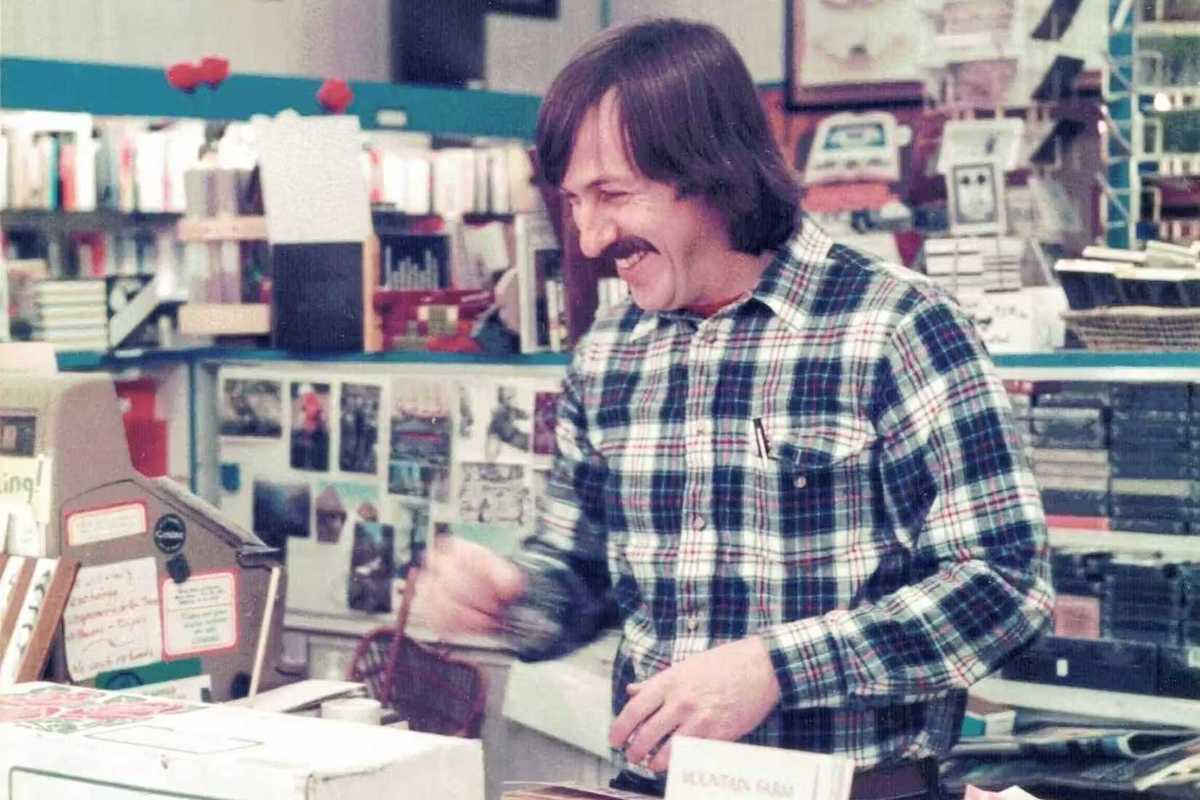
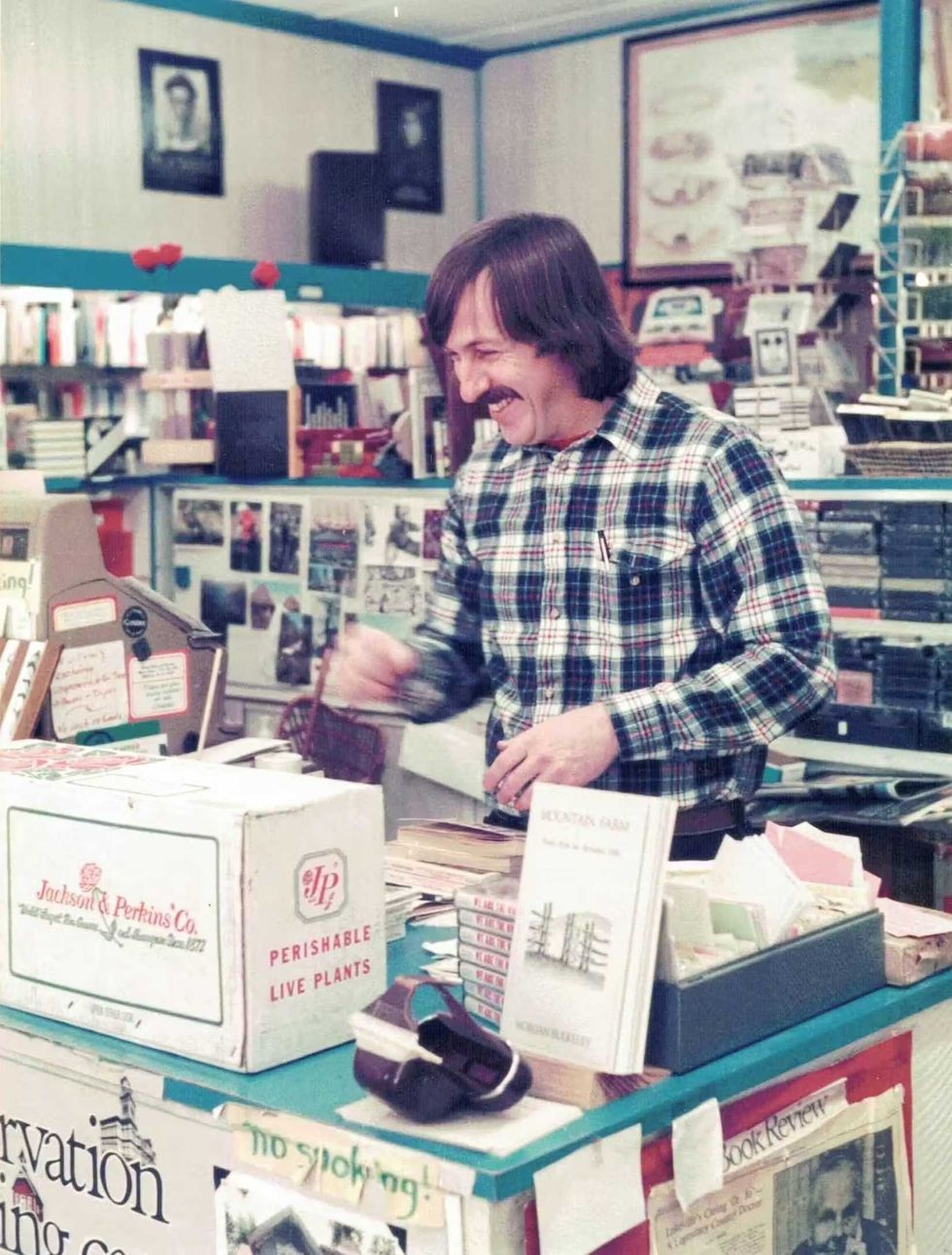 Dick Hermans in the Oblong Bookstore on Millerton’s Main Street in 1985.Provided


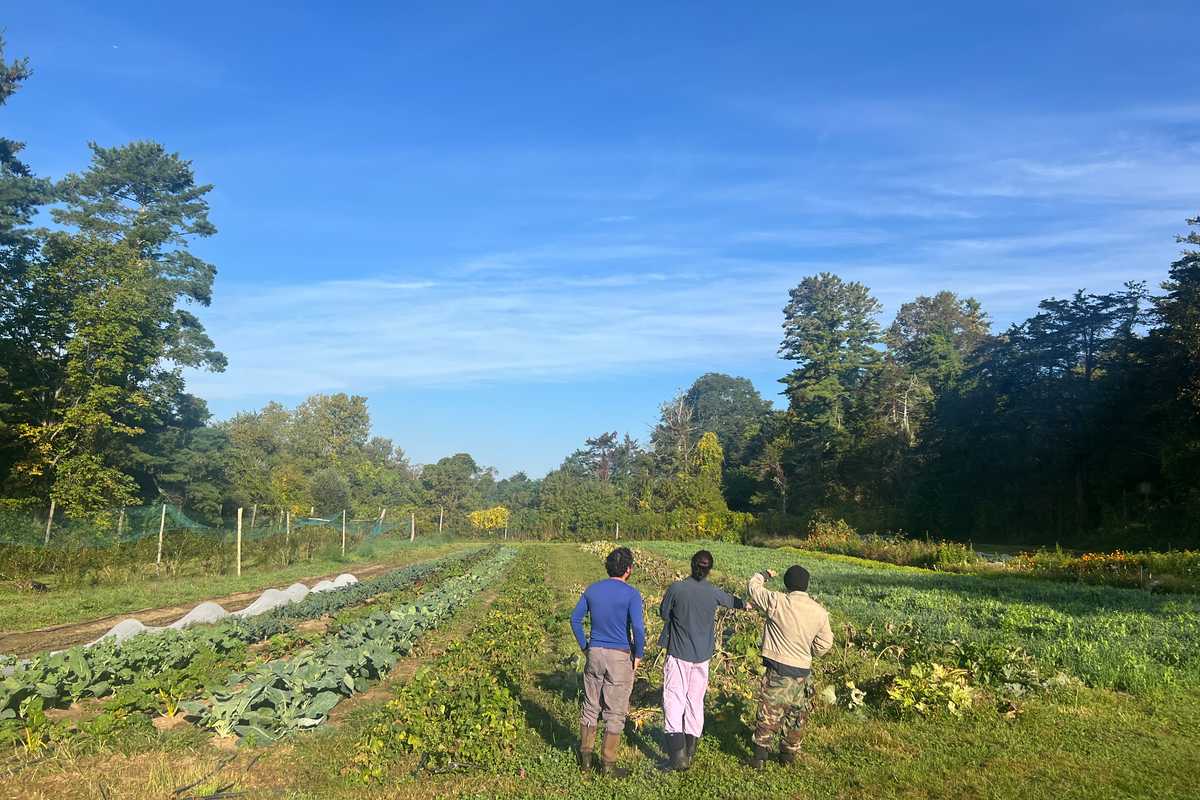
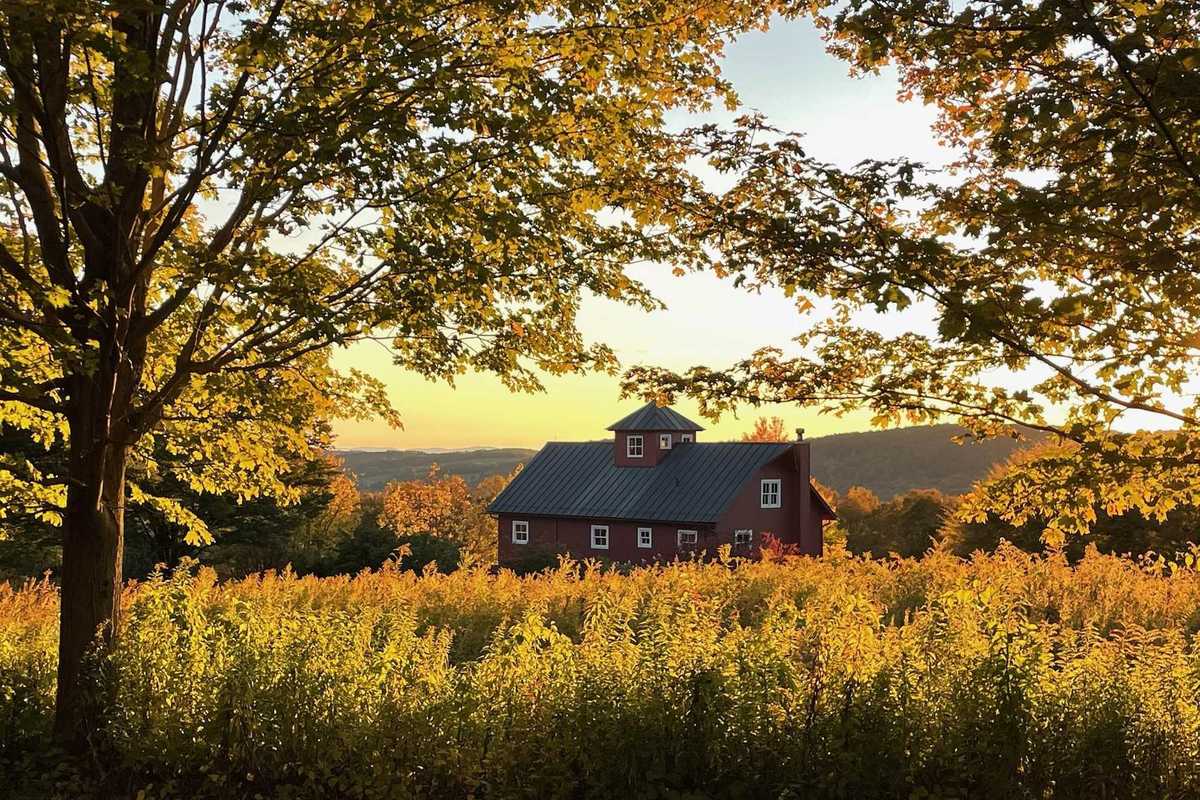
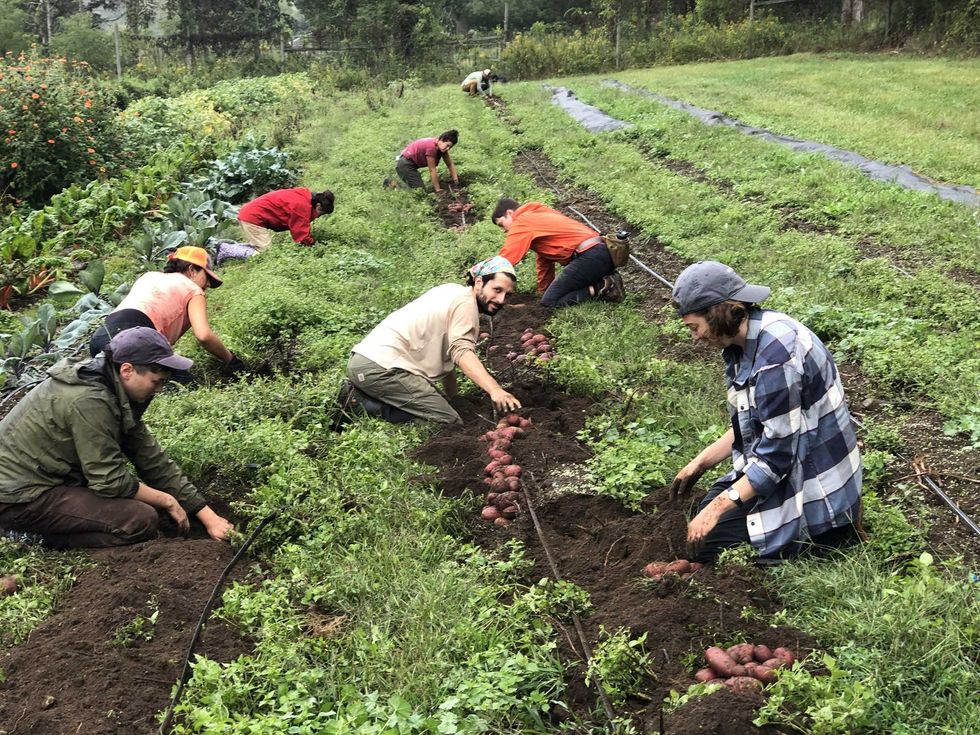 Fall storage crop harvests amid soil building cover crops at Adamah Farm in Falls Village. Janna Siller