
Playing a game of word association, what visual connections spring to the imagination when you hear the word “tent”? A small sanctuary for an outdoor adventurer? Maybe the lure of the traveling circus, the promise of spectacle, a horse-drawn calliope whistling out a repetitive tune? Or does your mind head to the modern day? A white tent on a manor lawn and the hum of guests arriving for a wedding.
For Manhattan designer Darren Henault, Tent — the name of his high-end home decor store now open in Amenia, N.Y. — represents a bit of historical adoration.
For three decades Henault’s had a picture on his desk of a tôle peinte (painted sheet metal) Tartar tent. Striped in electric blue and cream, the tent was commissioned by Charles de Beistegui for his Parisian party palace, the Château de Groussay.
De Beistegui, the French-born heir to a Mexican silver-mining fortune, had roofs designed by Dalí and was photographed by Cecil Beaton. He was also so enamored with fantasy decoration and foreign luxury that he built his own blue-striped garden folly similar to the Byzantine-inspired pagoda found on the grounds of the Drottningholm Palace, the home of Sweden’s royal family.
Are you supposed to know any of this arcane history when you step into Amenia’s Tent? Of course not. But the origin of the store’s name showcases the ever-active, reference-perfect mind of Darren Henault, who shares de Beistegui’s forte for decorative pastiche.
“It’s easy to fill a house full of furniture,” Henault said as he stepped through the Hague Blue (that’s Farrow & Ball paint talk) interiors of Tent, on the corner of Routes 22 and 343.
The unrecognizable former auto-repair shop, now in white shingles with an inviting porte-cochère structured much like, yes, the Tartar tent entrance (with stripes coming in the summer) represents Henault’s philosophy of luxury down to the detail. “It’s when you see beautiful objects in someone’s home, that’s what makes it human and personal. It’s how I’ve always worked as a designer.”
Tent offers a chance to consider the story of your home down to the finer points, with objects that marry everyday functionality with artistic individuality.
A sense of international co-mingling is also at the forefront of Henault’s style. There’s a Japanese dustpan made of a single sleek sheet of wood veneer with a hand-bound, grass brush. Bento boxes sit by desk sets made of Florentine marbled paper.
Henault’s attention gravitated toward his custom line of handmade flower and kitchen utility vases from New York Stoneware, a ceramic studio in the Bronx, N.Y. The vases from Stoneware take their inspiration from the design of antique French confit pots, pre-refrigeration food storage traditionally glazed on top with a clay bottom, and perhaps most elegantly seen in Van Gogh’s “Sunflowers” series of still life oils.
“It’s perfect, but there are imperfections,” Henault said of the pottery. “You can see a human being made that and I get great satisfaction from that.”
As an interior designer to the kind of top-notch clients who have Fifth Avenue addresses, Henault recalled having a reputation, even a pesky one, for the constant inclusion of custom-made pieces.
Per his vision of the decorative arts, he saw the price, and the possible complaint from the client, as worth the result. He strives for the human touch. There’s a personal connection an object or a piece of furniture can carry from the craftsman to your finished room. “I want people to see something was made just for their home,” Henault said.
Following this philosophy, the second half of Tent, draped in dramatic folds of deep gray, showcases what makes the store unique for the area: different styles of sofas with a hundred samples of gorgeous fabrics to choose from — and the promise of the rapid turnaround of delivery in seven weeks.
“My sofa words are ‘yummy’ and ‘comfy.’ I’m someone who doesn’t sit properly on a sofa,” Henault said, quickly demonstrating as he fell into the feather-filled cushions, sinking comfortably. “I’m always curled up onto it, so I make the living room sofas deep.”
An array of samples was scattered: muted stripes from Rogers & Goffigon, a textile design company in Greenwich, Conn., rich herringbone from Holland & Sherry who have historically provided suit fabrics for Savile Row tailors, and delightful patterns from Bennison, who draw inspiration from 19th-century European prints.
The pandemic might seem like a funny time to open a store like Tent. But with the increase of Manhattanites (and Brooklynites) leaving New York City in favor of second residences, or newly purchased primary residences, in Litchfield and Dutchess counties, many are investing in beautifying their homes.
The fast production time and luxury quality of these made-to-order pieces can be attributed to Henault’s 35-year career as a designer. Tent is the personal product of his career’s worth of connections with top-quality craftsmen.
It is also, apparently, a reflection of the livable, decorative decadence he inhabits in his own homes, splitting his time between New York City and Millbrook, N.Y. When his twin daughters, students at Spence on the Upper East Side, entered Tent for the first time, Henault recalled them saying, “It’s just like our home but everything’s for sale.”
Tent is located at 4950 Route 22 in Amenia, N.Y. Customers are asked to observe COVID-19 safety protocols. For more information go to the website, www.tentnewyork.com, which will be online soon.







 Tiffany Lemelin, shelter manager, brushing Marsala upon arrival.Provided
 Michael DeBarba, certified dog trainer working with Marsala.Jennifer Almquist
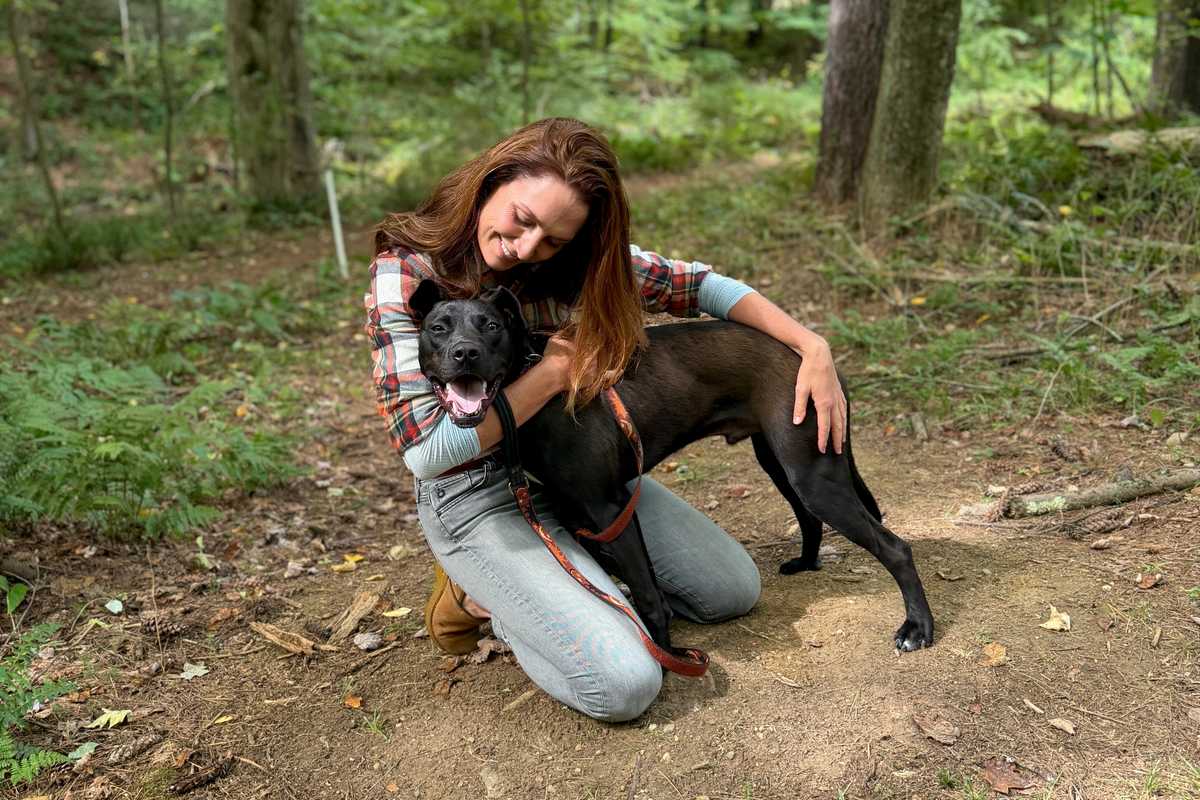 Marsala wins a heart.Jennifer Almquist
 Sadie, center, a Carolina dog, plays with her friend Negra, a terrier mix. Bella Linda, the small poodle, has since been adopted.L. Tomaino
 Wesley, a young, exuberant mix, is looking for an active home.L. Tomaino
 Bonnie and Clyde, an affectionate terrier pair.L. Tomaino