Thank you!
Your support is sustaining the future of local news in our communities.

Winding down in Fall? Think again.

Winding down in Fall? Think again.

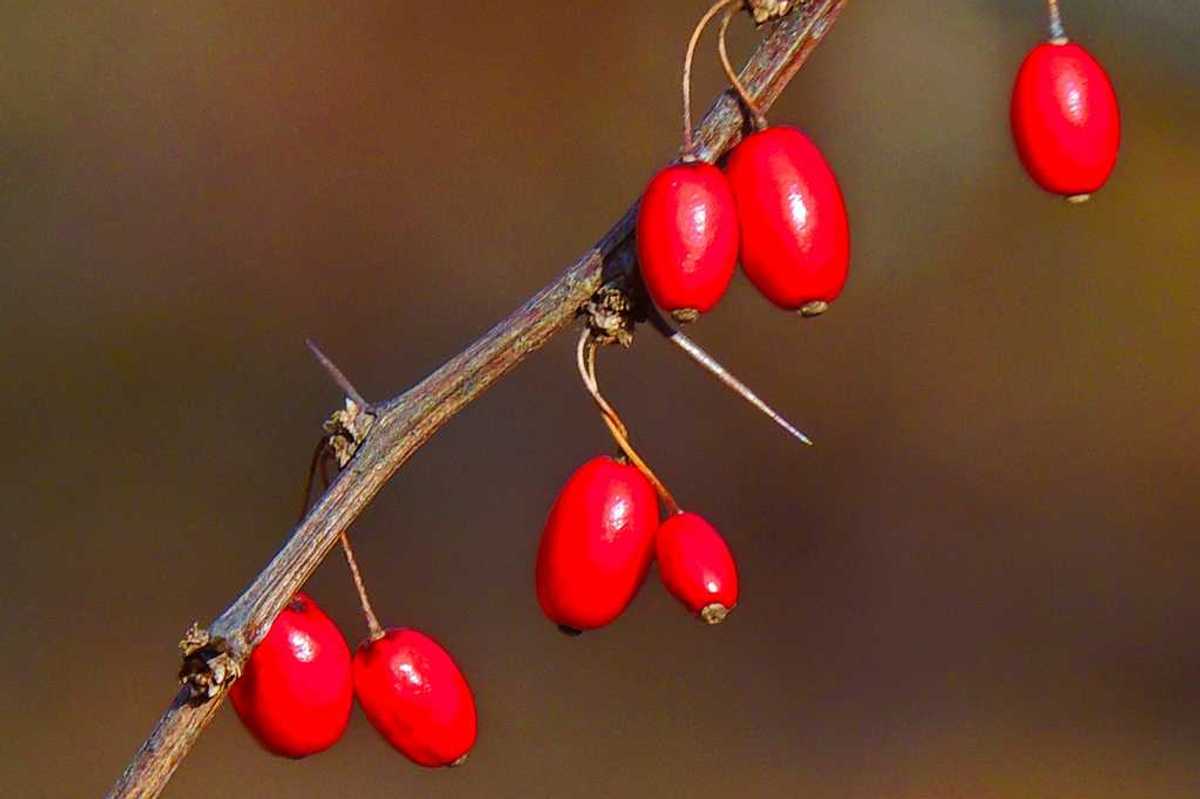
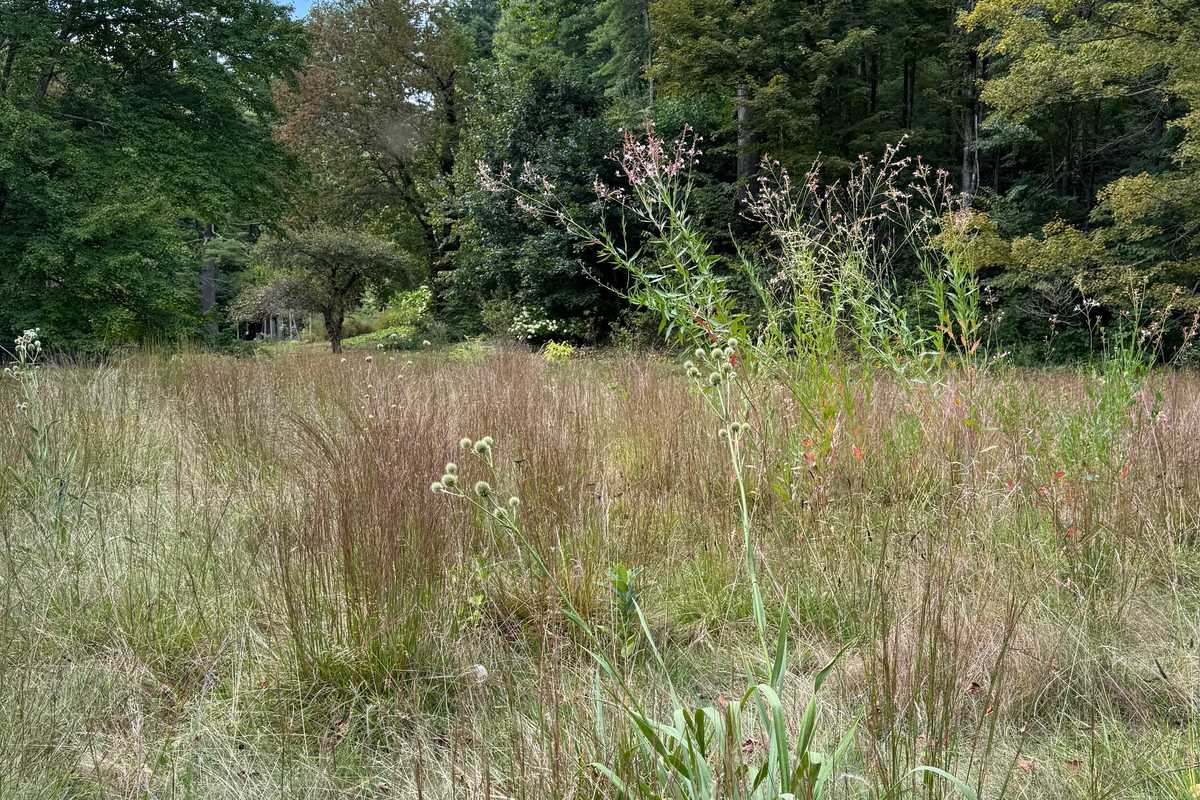
Burning bush and Norway maple are two invasive species that stand out in the fall, making late autumn an ideal time to identify and remove them before they further threaten native plants and habitats.

Dee Salomon

Putting the garden to bed is not just a metaphor; some blanket trees and shrubs with mulch and burlap. Think of leaves as nature’s blanket, giving precious caterpillars and other insects food, shelter and warmth during the winter. Gentle treatment of leaves now will give insects the best chance of surviving and feeding baby birds in the spring. A gentle blow or rake to move leaves from footpaths into woodland margins or under trees will work. But do not shred or mulch leaves or pile them up too densely, as this will kill the life overwintering there.

For me, fall, especially late fall, is an opportune time for action rather than winding down. Poison ivy has disappeared and, as the days get colder, tick numbers decline (still, no complacency on ticks!). Most of all, now is when the major invasive offenders are easiest to see and eradicate.

Norway maple, Acer platanoides, stands out with its five-lobed, yellow leaves and red stems that are still attached; native maples lost their leaves weeks ago. This invasive tree has a straight, vertical trunk that, combined with its large leaves, can resemble a child’s drawing. Instead of the sugary sap from which we make maple syrup, Norway maple oozes a milky liquid that does not provide nutrition to our native wildlife.

You can see the dominance of Norway maple along many of our roads, where it deftly outcompetes native trees and plants with a trifecta of superpowers characteristic of many invasives: its leaves cast dense shade, blocking sunlight from reaching the forest floor and preventing the growth of other plants; its leaves emerge earlier in spring and fall later in autumn than those of most native plants, giving it a longer growing season; and, finally, it disperses far more seeds than native species.

These trees grow as tall as 90 feet and, as with all large trees, benefit the Earth by storing carbon and producing oxygen. But this alone does not give these maples a pass; our native oaks do the same while supporting hundreds of species of caterpillars, insects, birds and small mammals. And I challenge anyone to defend the visual appeal of the Norway maple over, say, a mature scarlet oak, especially in the fall.

As with any large tree, mature Norway maples are best cut down by a professional, but a tree under 10 feet tall is easier to tackle yourself. If it is shorter than a couple of feet, try pulling it out by its base; the roots are shallow. Young trees have soft wood trunks that can be easily cut with pruning shears or loppers or, if larger, with a hand saw. You can then apply an appropriate herbicide to the cut surface of the trunk, following label directions. If you do not have an herbicide handy or are opposed to using one, repeated cutting over several seasons can work, but this can be tedious, especially as there likely to be many trees where there is even one.

Burning bush, Euonymous alatus, is like a blinking red light along just about every road this time of year. It is a noxious invasive that alters soil chemistry with its leaf litter, turning soil alkaline so that natives cannot germinate and grow. There are some who cannot let go of this notorious invasive, which is restricted or prohibited for sale in several Eastern states. The fact that it no longer can be bought in some nurseries is a moot point, as it long ago jumped the garden fence and is now running rampant, damaging our native habitats.

Some laud its leaf color in fall; to my eye, it’s blue-red shade is a sore thumb among the orangey russets and scarlets of the native oaks and the brilliant red of our sumac varieties or the Nyssa sylvatica, the tree known as tupelo or black gum. By the time you are reading this, burning bush leaves will have mellowed to a pale purplish pink. Native Mapleleaf viburnum has a similar pale leaf color in fall, along with a sweet lacy white flower in spring, and is a sensible replacement in wooded environments.

I have been steadily working on about an acre of a dense burning bush infestation behind our house. As with Norway maple, the small ones are easily seen and pulled this time of year. The larger ones can be cut with loppers or a hand saw and then treat with herbicide — always closely following label directions. A nice last effort before the winter cold sets in.

Dee Salomon ungardens in Litchfield county.
Latest News

A dinosaur is coming to Cornwall

A dinosaur is coming to Cornwall
Lou Barlow performing with Dinosaur Jr.
Photo by Roberta Osmers of illuminated scene

On Saturday, Nov. 14, Cornwall Town Hall will be the coolest place in the county. Lou Barlow, of the rock bands Dinosaur Jr., the Folk Implosion and Sebadoh, will be joined by Attawalpa’s Luis Felber and hauntingly raw singer-songwriter Amelia Jackie as they transform the official administrative building into a rockin’ music venue.

Lou Barlow rarely gets the credit he deserves. As bassist for 1980s pre-grunge indie sensation Dinosaur Jr., he influenced a whole generation of bass players. Barlow started his music career by playing guitar in a hardcore punk band called Deep Wound out of Central Massachusetts.

Keep ReadingShow less
Jaimoe keeps the Allman Brother’s sound alive at Infinity Hall

Jaimoe performs with Friends of the Brothers.

Derek McCabe

The Allman Brothers Band has a wild history that involves more than its share of death, drugs, booze and blues. The band played through several iterations from 1969 until 2014. For most of that time, it was powered by the rhythm and texture of its two drummers, Butch Trucks and the enigmatic Jaimoe. On Thursday, Nov. 12, Jaimoe will get back behind the drums to bring the music of the Allman Brothers to life with Friends of the Brothers at Norfolk’s Infinity Hall.

Jaimoe, born in 1944 as John Lee Johnson and also performed under the name Jai Johanny Johanson, was already an accomplished drummer before he met guitarist Duane Allman in 1967. Trained as a soul and jazz drummer, he started playing R&B at a young age and eventually made his way to Otis Redding’s band before Redding died in a plane crash at age 26. Jaimoe had an effortless texture to his drumming that set him apart from most drummers of the day, who were frequently enlisted to hold the beat rather than contribute to a bands’ musicality.

Keep ReadingShow less

Democrats earn big wins in 2026 elections

Democrats earn big wins in 2026 elections

Voters wait in a line that stretches out the door to receive their ballots at the NorthEast-Millerton Library Annex on Election Day, Tuesday, Nov. 3. Voting machines had recorded a total of more than 700 ballots cast in Millerton by 4:45 p.m.

Photo by Graham Corrigan

Democratic candidates in northeast Dutchess County scored wins alongside their state and federal counterparts.

Voters cited the rising cost of living and opposition to the Trump administration’s policies as reasons for turning out. In the Pine Plains town supervisor race, transparency and police surveillance were also concerns.

Keep ReadingShow less
google preferred source

Want more of our stories on Google? Click here to make us a Preferred Source.

Climate Smart Millerton’s Pumpkin Smash draws biggest crowd yet

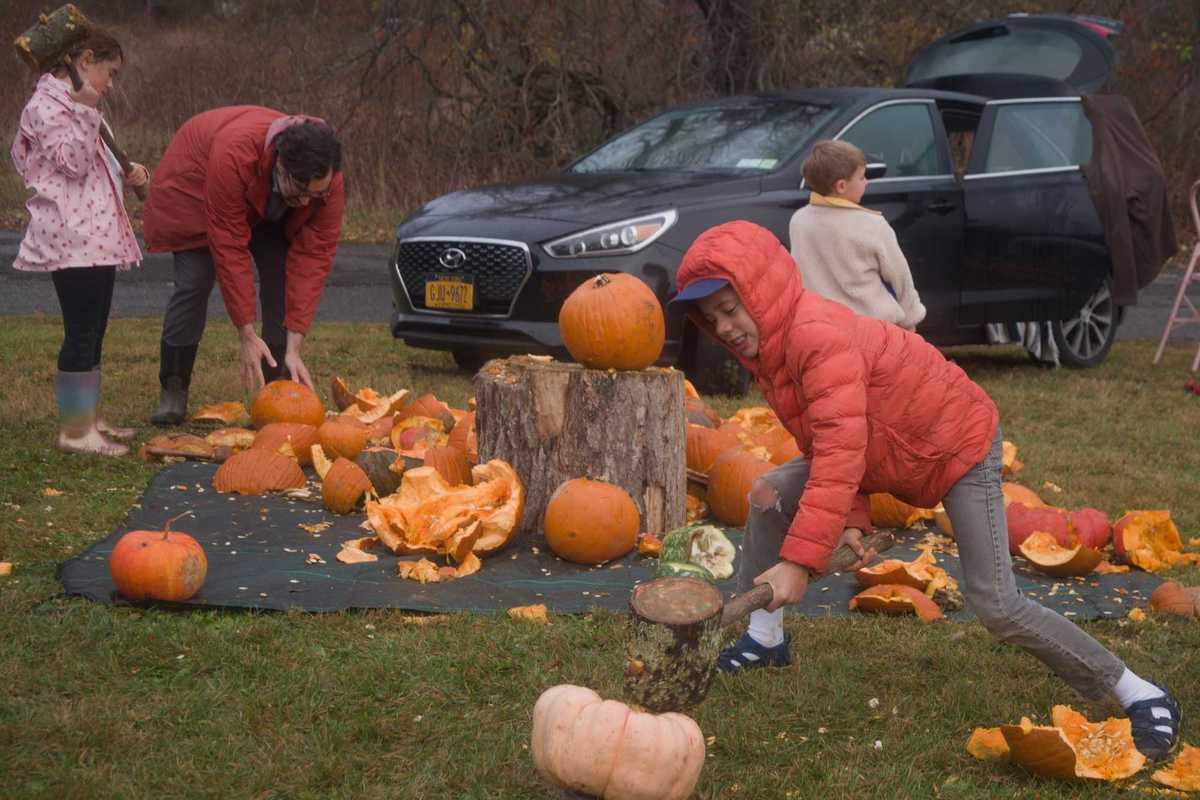
Zeke Diebboll uses one of the handmade wooden mallets at Pumpkin Smashto cave in a pumpkin at the former Millerton Elementary School on Saturday, Nov. 7.

Photo by Nathan Miller

MILLERTON — The third annual Pumpkin Smash drew the largest crowd yet for the Climate Smart Task Force’s composting promotional extravaganza.

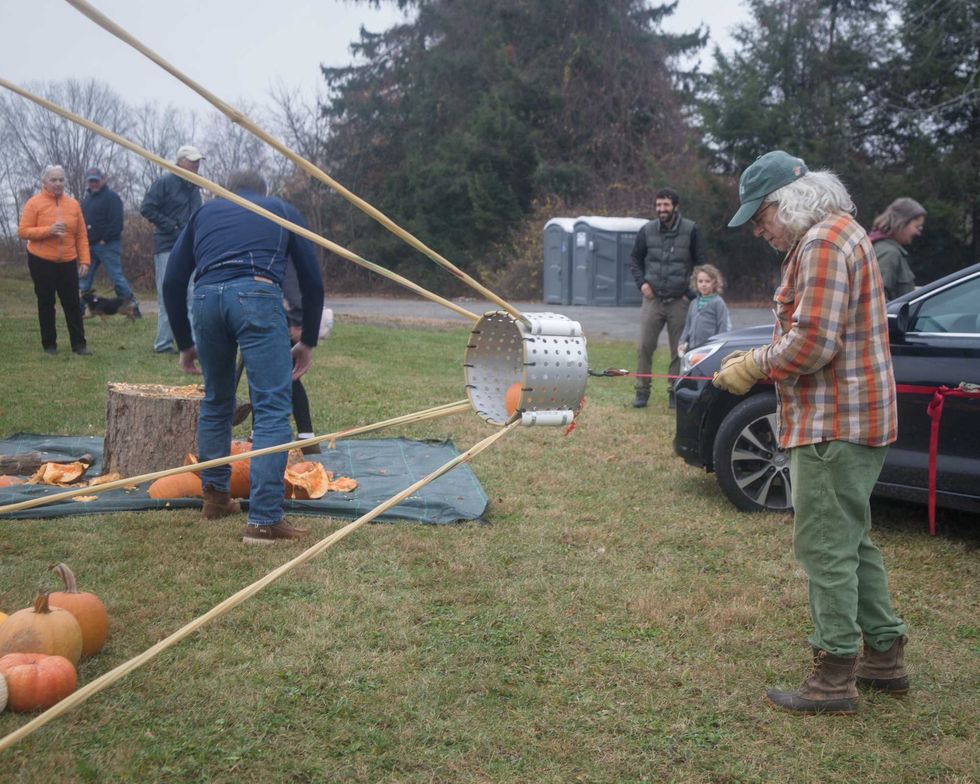
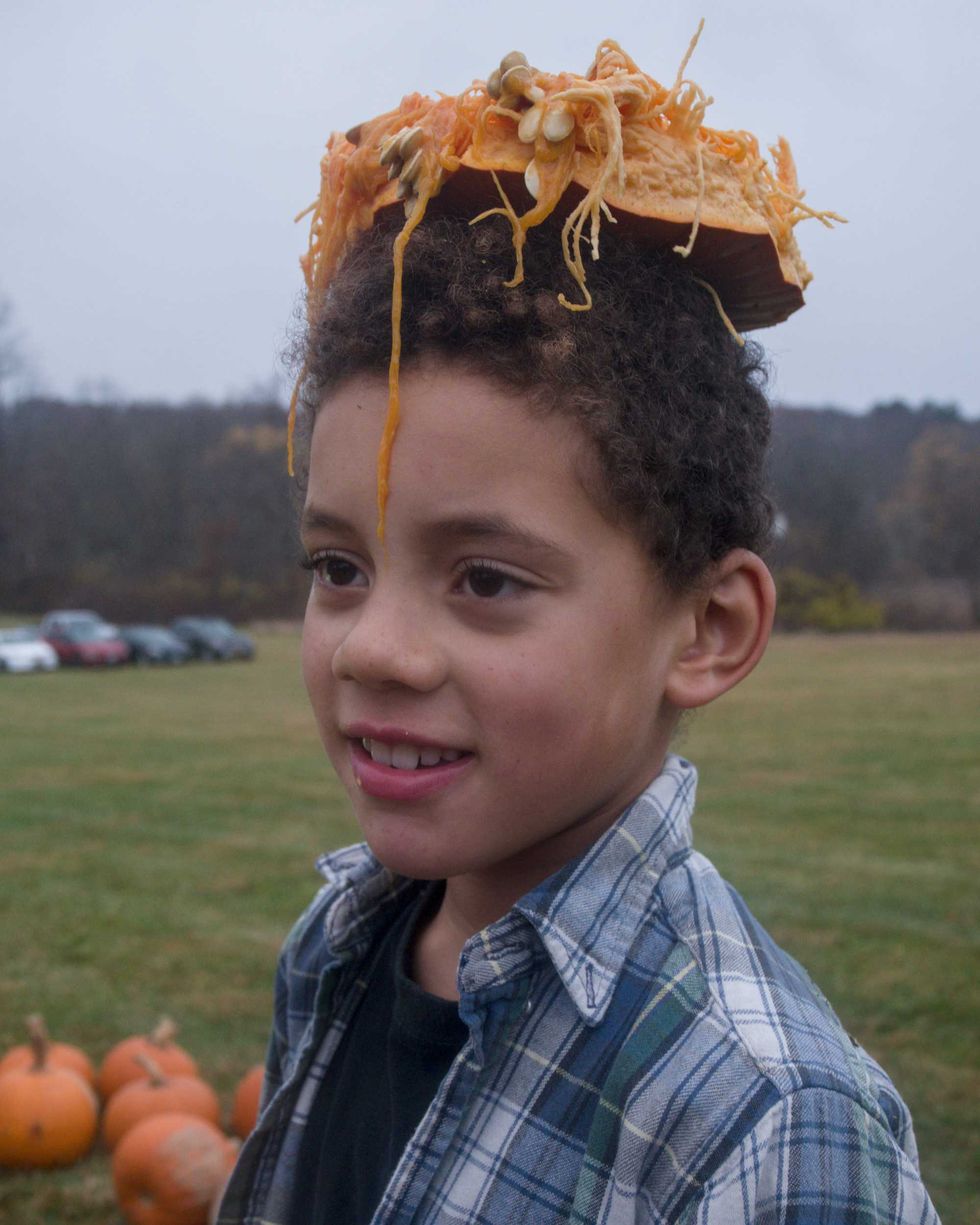
About 50 people visited the field that used to house Millerton Elementary School’s playground equipment on Saturday, Nov. 7, braving a drizzling rain to join in bashing and flinging pumpkins. This year’s event marked the return of repeat partner McEnroe’s Organic Farm and a new collaboration with North East Community Center, which owns the former elementary school property.

Keep ReadingShow less
Is it a concert or a play? “Yes, Darling.” It is.

Ryan Montbleau and Hayley Jane bring “Yes, Darling” to the Berkshire Theatre Group’s Colonial Theatre in Pittsfield on Nov. 13.

Provided

On Friday, Nov. 13, a truly unique performance will hit the stage of the Berkshire Theatre Group’s Colonial Theatre in Pittsfield, Massachusetts. “Yes, Darling” is the musical culmination of a longtime collaboration between musicians Hayley Jane and Ryan Montbleau. What sets this performance apart from a traditional musical or a regular concert is that the writers of the songs are the actors and performers themselves.

Though “Yes, Darling” is their first official album and subsequent show together, Jane and Montbleau share a number of compatible traits that work together marvelously in this project.

Keep ReadingShow less
Local favorites among Destination Dutchess tourism award finalists

Tenmile Distillery in Wassaic is a finalist for a Destination Dutchess 2026 Tourism Award of Distinction for its Revolutionary Whisky.

D.H. Callahn

Three familiar names from eastern Dutchess County are among the finalists for Destination Dutchess’ 2026 Tourism Awards of Distinction, recognizing the people, businesses and organizations that make the county a vibrant destination for visitors.

House of Stefas in Millbrook is a finalist for the Newcomer Award of Distinction, which celebrates tourism-related businesses that opened in 2025 and have already made an impression on visitors and residents alike.

Keep ReadingShow less
google preferred source

Want more of our stories on Google? Click here to make us a Preferred Source.

google preferred source

Want more of our stories on Google? Click here to make us a Preferred Source.