Thank you!
Your support is sustaining the future of local news in our communities.

Understanding Medicare’s hospice benefit

Local Matters

Understanding Medicare’s hospice benefit

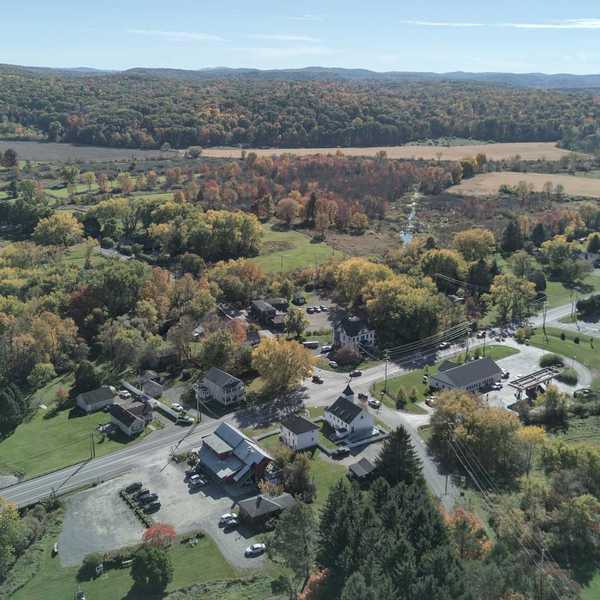
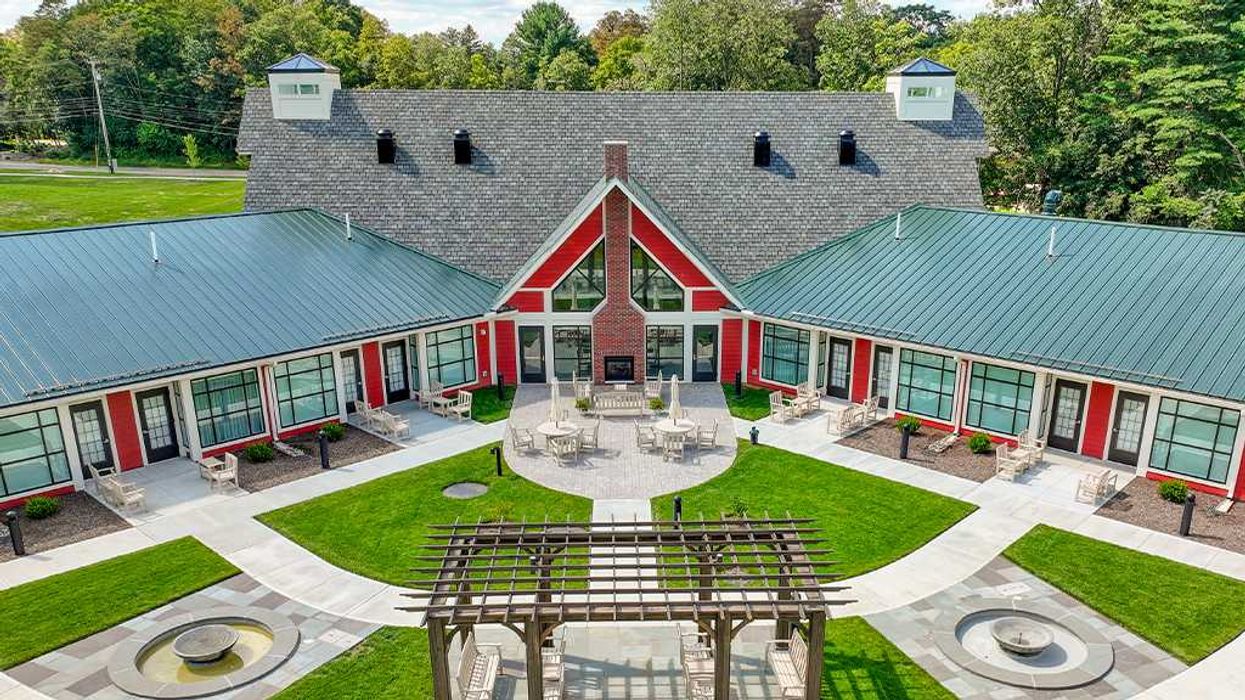
Hudson Valley Hospice House in Hyde Park is the first freestanding hospice to serve Dutchess and Ulster Counties.

Provided

If you or someone in your care are approaching end of life, Medicare’s hospice benefit provides comprehensive, coordinated care for people with a life expectancy of six months or less, as certified by a doctor who can prescribe hospice services. The goal of hospice is to improve quality of life by providing support rather than curative treatment.

Hospice care under Medicare is delivered by a team that typically includes doctors, nurses, home health aides, social workers, chaplains, counselors and trained volunteers. Hospice nurses can manage symptoms and medications; aides assist with personal care such as bathing and dressing; and trained volunteers may offer companionship, run errands or provide respite for caregivers. Drugs related to the terminal illness, as well as equipment such as hospital beds, oxygen, wheelchairs and wound care, are covered at no cost by the program.

The hospice benefit is available in a patient’s home, a nursing facility, an assisted living community or an inpatient hospice center. Patients can continue receiving hospice as long as they remain eligible, and they may stop hospice care at any time if they choose to pursue curative treatment again.

The Hudson Valley Hospice in Poughkeepsie (phone: 845-485-2272) covers all of Dutchess County including the northeast corner. Visiting Nurse and Hospice of Litchfield County provides care in the Northwest Corner of Connecticut (Phone: 860-379-8561, Winsted office). In addition, your doctor or nursing facility may recommend private hospice services, which are also available at no cost.

Latest News

Slow fashion takes the runway at Stone Ridge Orchard

The organic runway at HVSFW puts sustainable style among the apple trees at Stone Ridge Orchard.

Jay Ballesteros

Fast fashion has made it possible to buy the latest trend almost as quickly as it appears on social media. The environmental cost, however, is anything but fleeting. Fashion production accounts for about 10% of global carbon emissions, consumes enormous quantities of water and energy, and an estimated 85% of textiles end up in landfills each year. Synthetic fabrics also shed microplastics when washed.

So what would happen if we slowed things down?

Keep ReadingShow less
google preferred source

Want more of our stories on Google? Click here to make us a Preferred Source.

Susan Schneider and the magic of marbling
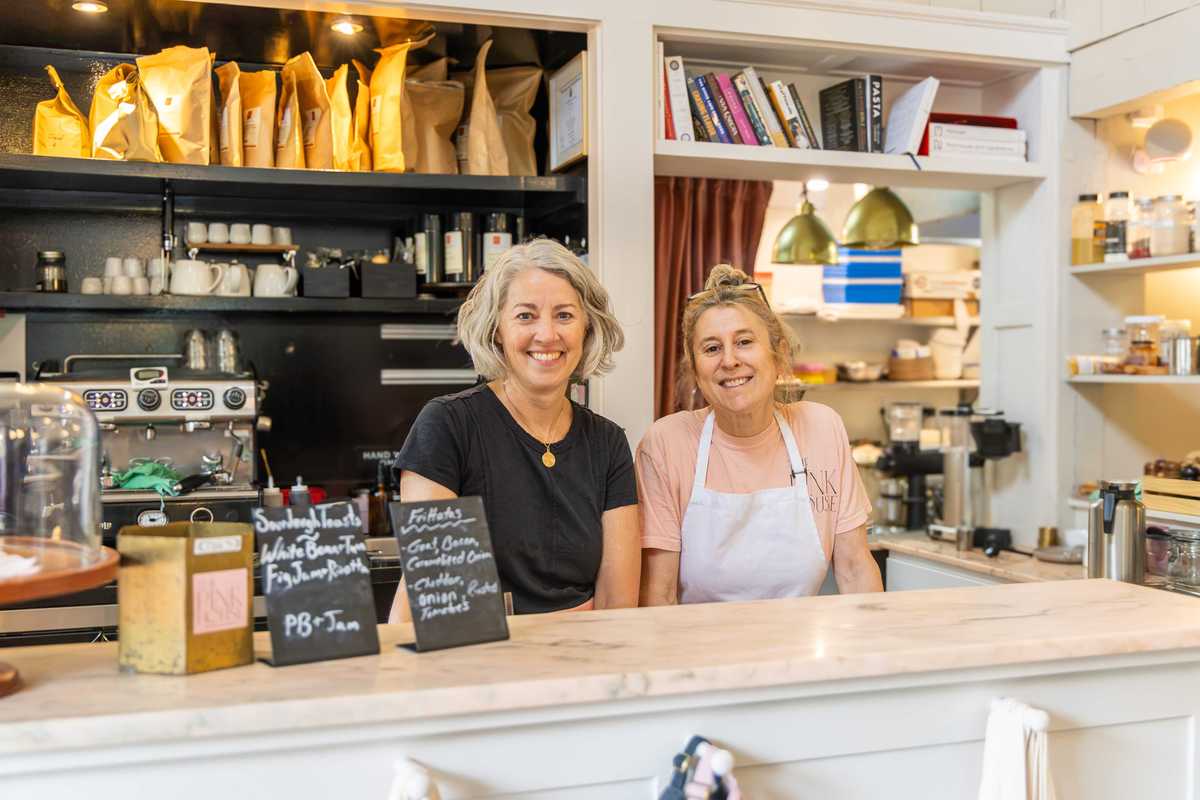
Susan Schneider, owner of Shandell’s in Ashley Falls, in her studio.
It’s a joyful process. —Susan Schneider

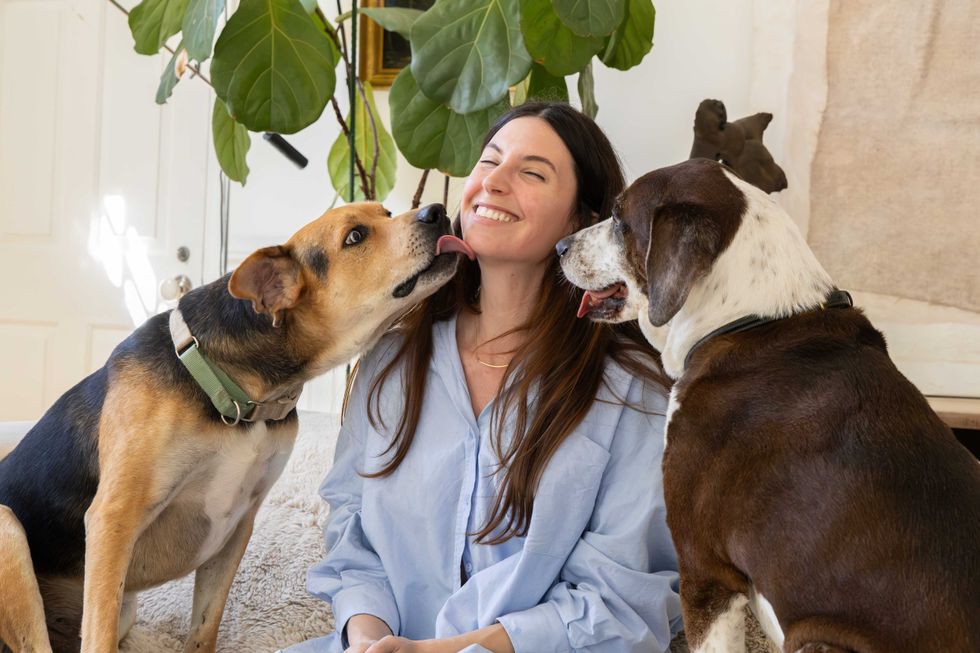
A beautiful September morning found Susan Schneider of Shandell’s working in her Ashley Falls home studio, while linen cocktail napkins she had marbled the day before hung on a line outside her back door. Her helpers, dogs Daisy and Stubbs, are never far from her.

“Marbling,” Schneider explained, “the art of floating paint on a liquid and printing it on a medium, has been around for hundreds of years.”

Keep ReadingShow less

Through the lens of war

Through the lens of war

“Omaha Beach Rescue, D-Day +1, Normandy, June 7, 1944.” one of the best-known photographs of D-Day.

Walter Rosenblum

Longtime Norfolk resident Nina Rosenblum will present her award-winning documentary, “They Fight With Cameras,” on Saturday, Sept. 26, at 6:30 p.m. at the Norfolk Library.

The film tells the story of her father, decorated U.S. Army Signal Corps combat cameraman Walter Rosenblum.

Keep ReadingShow less
Brian Gersten finds the story in the overlooked

Filmmaker Brian Gersten

D.H. Callahan

At 6 p.m. on Saturday, Sept. 26, award-winning filmmaker Brian Gersten will screen four short documentaries at the David M. Hunt Library in Falls Village, exploring obscure topics such as a lingering territorial dispute between the United States and Canada, a nationwide toilet paper panic sparked by a late-night joke, the infamous “Balloon Boy” saga and the history of bowling in America.

The Chicago-raised, Millerton-based filmmaker has worked as an editor on feature-length documentaries like the cycling film “Enter the Slipstream” and Netflix’s profile on author Tom Wolfe, “Radical Wolfe.” In 2025, “Why We Dream,” a film he edited about bringing D-Day veterans back to the beaches of Normandy, premiered aboard the U.S.S. Intrepid in New York City. When it comes to directing, Gersten’s own interests focus more on the underappreciated and unremembered, as the four short films he directed will demonstrate.

Keep ReadingShow less
google preferred source

Want more of our stories on Google? Click here to make us a Preferred Source.

google preferred source

Want more of our stories on Google? Click here to make us a Preferred Source.