SHARON — Rick Cantele grew up in the Northwest Corner, went to school here, has worked here since he graduated from college. He’s been a basketball coach at both the local elementary school and high school. He’s coached youth hockey and soccer and has been a member of many local boards over the years. Everybody knows Rick.
And he is now head of the community board for Sharon Hospital.
The hospital announced on Sept. 29 that it would be closing its obstetrics department, and convening workgroups of Sharon Hospital staff to evaluate both the current surgical schedule and inpatient services with the goal of serving the community more efficiently.
Hospital President Dr. Mark Hirko called out Cantele as head of the 12-person community board when he announced the changes during the Sept. 29 Zoom, saying that the board had endorsed the decisions made by the hospital’s nonprofit owner, Nuvance Health.
Cantele doesn’t dispute that, and he isn’t walking back the endorsement in the face of the disappointment of community members at cuts that are deep and hard at a beloved local hospital.
“The community board’s role is to represent the community and be stewards of the hospital,” Cantele said. “To a person, the board is extremely dedicated to and focused on doing what we believe is best for the long term. Except for Dr. Hirko, the board is comprised exclusively of members of the communities served by the hospital. The board’s members include three doctors and a former nurse at Sharon, the head of a local breast cancer foundation, the town clerk of Dover, along with local business people.”
“And as we educated ourselves about some of the issues facing the hospital, it became evident that the historical model was not sustainable.”
Cantele is a banker, but he isn’t just thinking about the bottom line. He lives and works here. His doctors are here. He and his wife had both their children at Sharon Hospital. It was a fantastic experience both times, and he understands that this new hospital model may deprive future mothers of that opportunity.
But from both a medical and a financial point of view, the community board agreed with Nuvance that changes have to be made.
It was the board’s decision, he said, to ask for an independent study. In partnership with the Foundation for Community Health in Sharon, which helped fund the purchase of the hospital by Health Quest (which later became Nuvance), a decision was made to hire Stroudwater Associates to do the study.
They were chosen, Cantele said, because “Stroudwater is in the business of helping rural community hospitals create models that are sustainable.
“The study they did identified the challenges with labor and delivery, and the impact of that lack of volume on sustaining all that goes with labor and delivery.”
The labor and
delivery decision
Nuvance Health COO Kerry Eaton had said in the Sept. 29 presentation that only 60% of women living in the hospital’s Connecticut coverage area choose to deliver their babies at Sharon. The ob gyn doctors declined to comment.
Back in 2018, when Nuvance was still called Health Quest, the company had also announced it would close the labor and delivery unit. There was a community outcry at the time and the decision was rescinded.
Cantele said that the company has promised to work with internal “stakeholders,” such as Sharon Hospital surgeons, physicians and nurses, on how to move forward with plans such as evaluating the number of hours in each day that the surgical rooms are available.
He acknowledged, though, that community members and stakeholders might never be satisfied with decisions that are being made now that will dramatically change the availability of health care in the region.
Cantele remains optimistic that better days are ahead and that the cuts will help restore health.
“It is not just about cutting back services, as Nuvance intends to recruit more primary care physicians to our area. The board will proactively work with Nuvance management to help recruit more primary care physicians. Over time Nuvance plans to expand services that are consistent with the needs of our community.”
Finance, medicine,
community
The needs of the three interest groups are not, at this time, overlapping. Cantele hopes that at some point there will be a way to align the needs of the doctors, the desires of the community members and the financial realities of running a small rural hospital.
At the moment, that isn’t happening, and it’s hard and, for many, it’s frightening.
“I use the hospital for all my medical care. We all want the hospital here,” Cantele emphasized. “The board will continue to work hard, be thoughtful, and focus on what our community needs. We will hold Nuvance accountable for achieving its plan, so we can have a vibrant, thriving Sharon Hospital. I’m optimistic we will get there. But we all have to come together to make that work.”
One thing everyone can do: “Use the hospital’s services and support the local medical community whenever we can.”
And, he asked of the community: “Be open minded and recognize that change in health care, like many other businesses and industries, is inevitable. We can accomplish more by working together constructively to ensure we have a local hospital for years to come.”
The Stroudwater report
Nancy Heaton, who is CEO of the Foundation for Community Health (FCH), also commented on the Nuvance plan, and confirmed Cantele’s explanation of how Stroudwater was chosen.
“FCH’s primary role in this current planning process has been as a funder,” she explained.
“The Sharon Hospital Board asked FCH to consider funding an outside rural healthcare delivery expert to review the current state of Sharon Hospital and to provide recommendations based on that review.
“All of that was predicated on Nuvance agreeing to the process, which they did and which they also decided to co-fund.
“Stroudwater Associates was identified and mutually agreed upon as the consultant. As a funder we also have been, and will continue to be, open to discussions about supporting the exploration of new and effective methods of delivering healthcare in our rural environment. We do this through our ability to convene stakeholders and provide support for relevant research and expertise required for this process.”
Eaton feels that more community input would be helpful and appropriate as Sharon Hospital moves forward.
“FCH has always been interested in strengthening the relationship of the community with Sharon Hospital, especially after financially supporting the transition of the hospital from a for-profit to a not-for-profit (providing $3 million of the $5 million).
“To this end we have advocated for an increased role of the Community Board in guiding the future of Sharon Hospital, supported and advocated for increased transparency and communication from the hospital to the community, and our continued participation on the Sharon Hospital Community Need Assessment committee.”



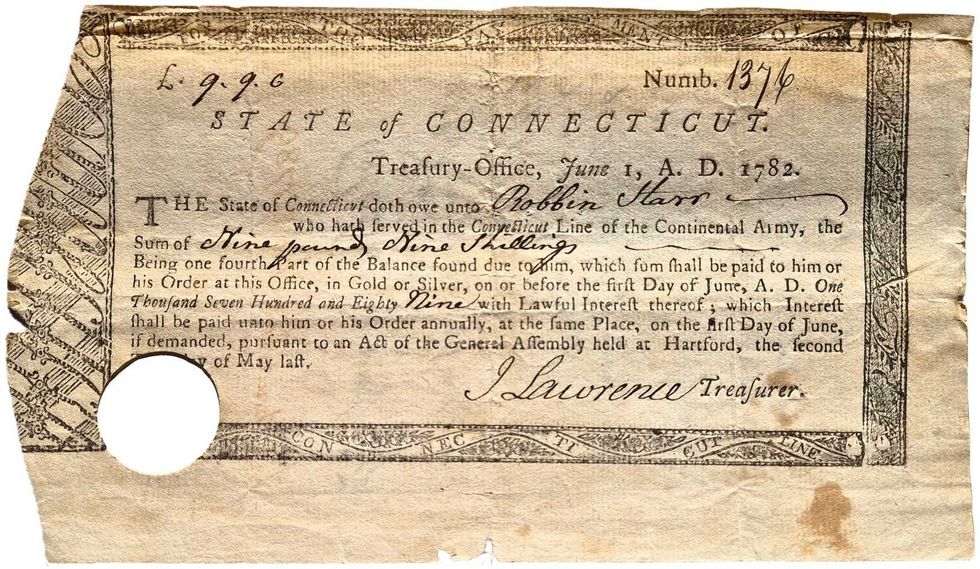 Pay Bill for Robin Starr’s service in the Continental Army.Courtesy the Alex Breanne Corporation
 John Mills speaking at Quinnipiac University.Courtesy the Alex Breanne Corporation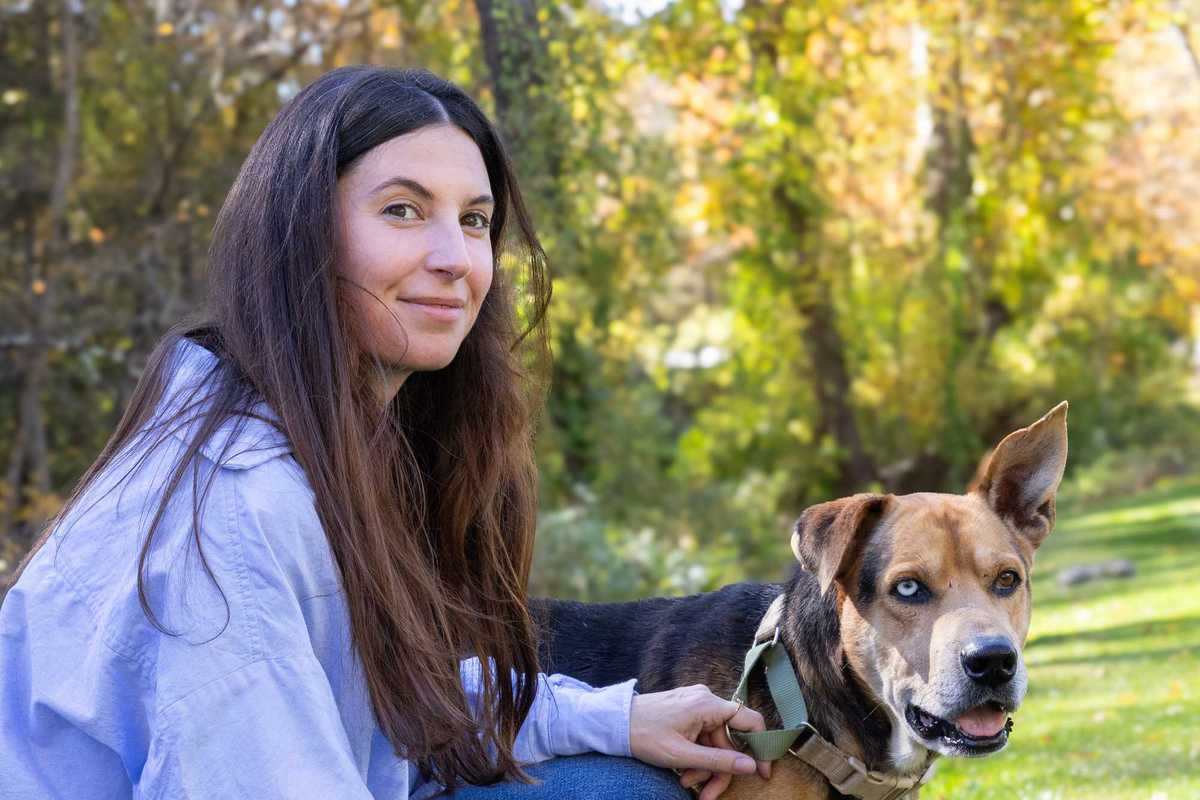
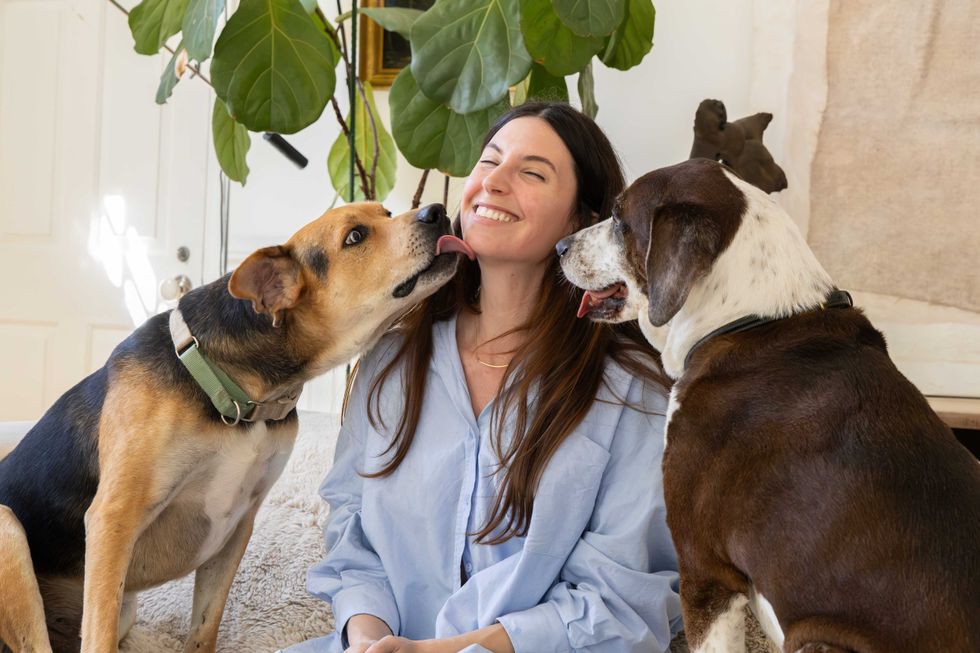 Stephanie Saetta,with her rescue dog George and Blue (left), a shepherd mix awaiting his forever home.Madi Long