These days, there seem to be a flock of fellas trying to figure out how they can futz around and fix the fine old game we know as baseball. You can figure what grade this old teacher assigns to this forgettable effort, can’t you?
First they think the game goes on too long. So they tell managers that they can’t switch pitchers as often as they did. Out goes the late game strategy.
Then they decide that extra innings should start with a man on second. Talk about an unearned run! I mean if a nine inning game is too long, what would the poor fan think about a 12 or 15 inning game? And double headers? Fergettabout it! Knock the games down to seven innings and charge fans for two games instead of one admission.
Now these fellas are afraid that pitchers are getting too much of an edge and point to the five no-hitters already registered so early in this season. So the talk began about moving the mound back a foot or two, or maybe getting rid of the mound altogether.
Of course, last year, they had been worried about exactly the opposite: that the hitters had too much of an edge and that there were too many home runs. So they deadened the ball this year, making the out-of-park experience harder to obtain, presumably shortening the game. Are they happy about that? Are you kidding?
Batting averages are in the tank because everyone knows that home runs sign big contracts. Singles hitters, if you can find any, are supposedly bottom of the market cheap. If you can hit your weight but smash 30 dingers, ball clubs will be lining up for your services.
Meanwhile, stolen bases, hit and runs, moving the runner over, sacrifice bunts and flies, all gone out the bullpen gate.
But with all this nonsense, there is still beauty to be found out here in the bleachers. Running catches in the outfield, sometimes with attempts to smash through the outfield wall thrown in for good measure, are still frequent and are still acts of supreme athleticism, as well as take-one-for-the-team self sacrifice.
There are still youngsters jumping with joy as they snag their first souvenir baseball. There are still moments to be savored and remembered so that youngsters can become oldsters and boast about “the old days” when there was real baseball.
The bleachers will still be there, and so will we ever leave in disgust at all this futzing around? Fergettabout it!
Millerton resident Theodore Kneeland is a retired teacher and coach — and athlete.







 Tiffany Lemelin, shelter manager, brushing Marsala upon arrival.Provided
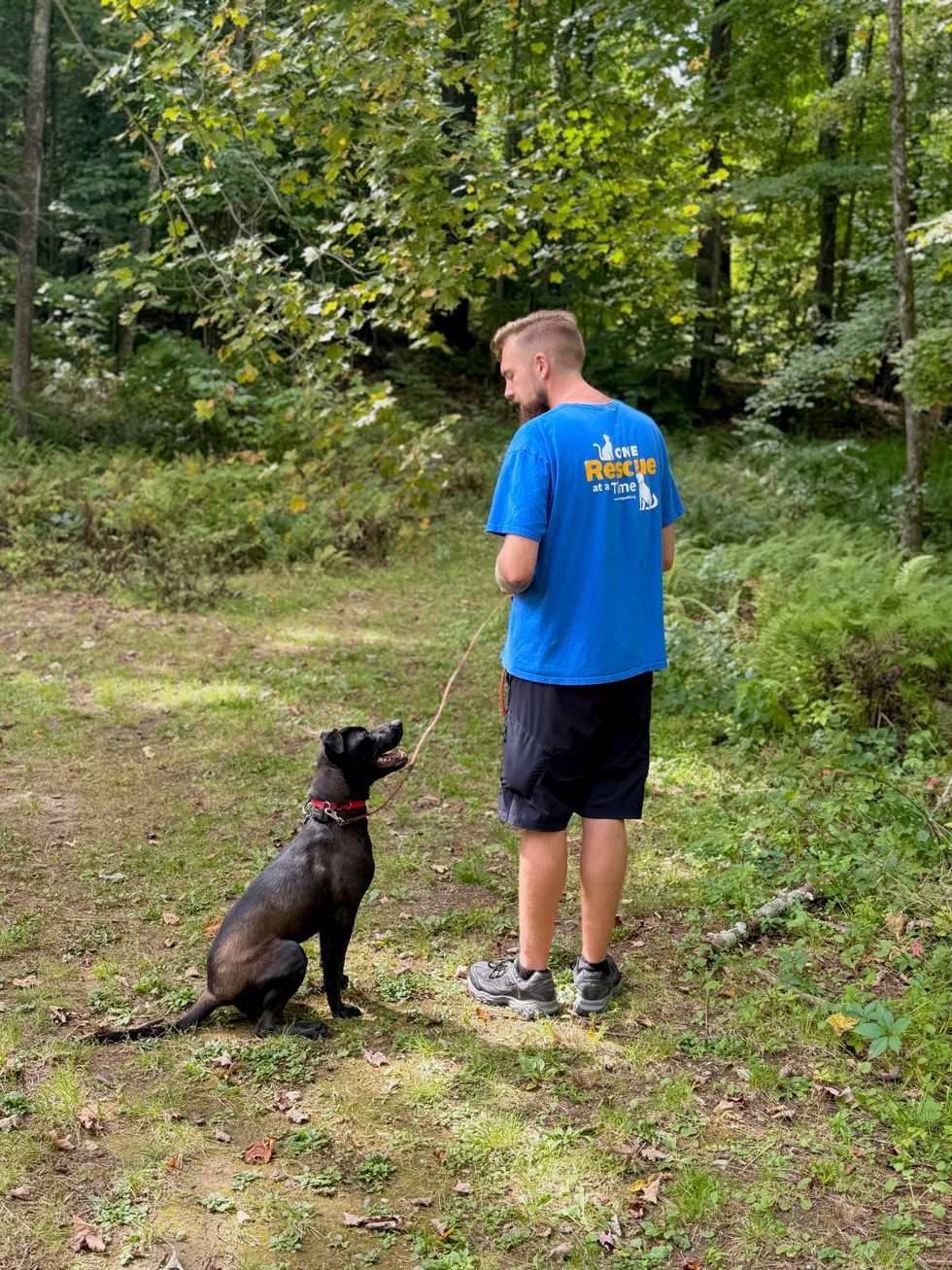 Michael DeBarba, certified dog trainer working with Marsala.Jennifer Almquist
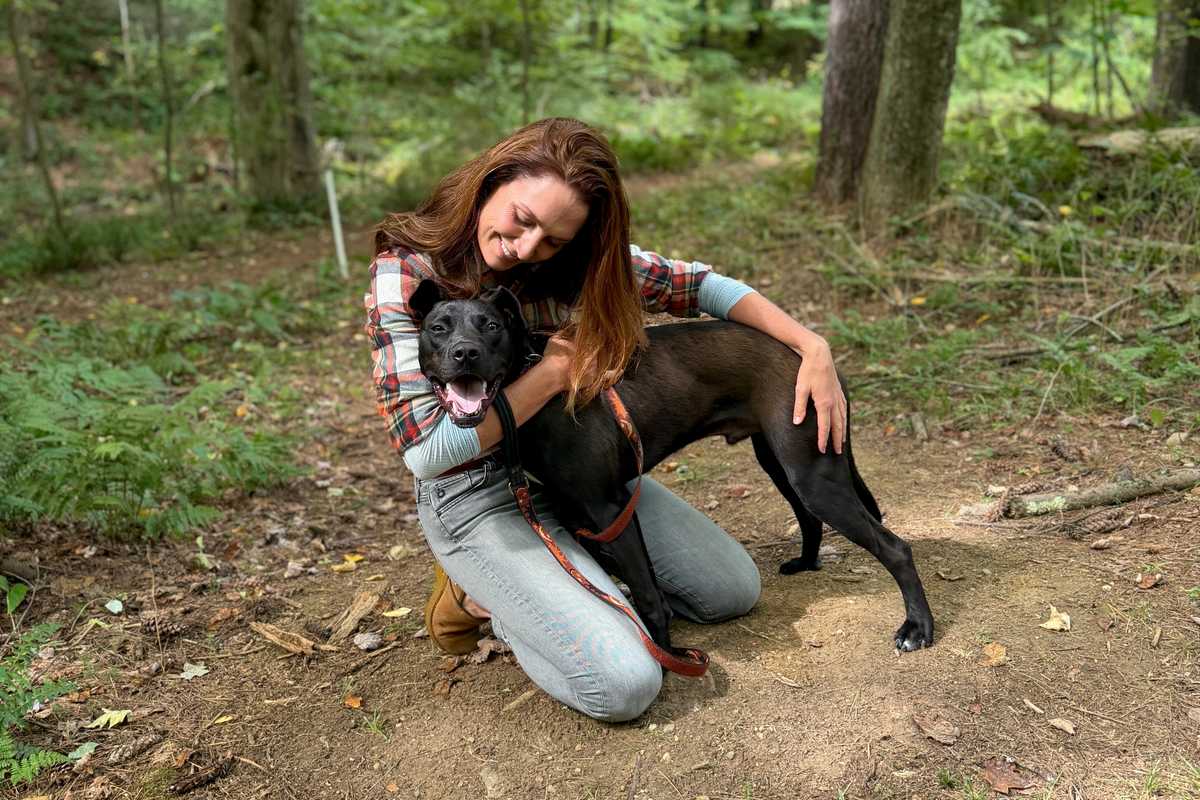 Marsala wins a heart.Jennifer Almquist
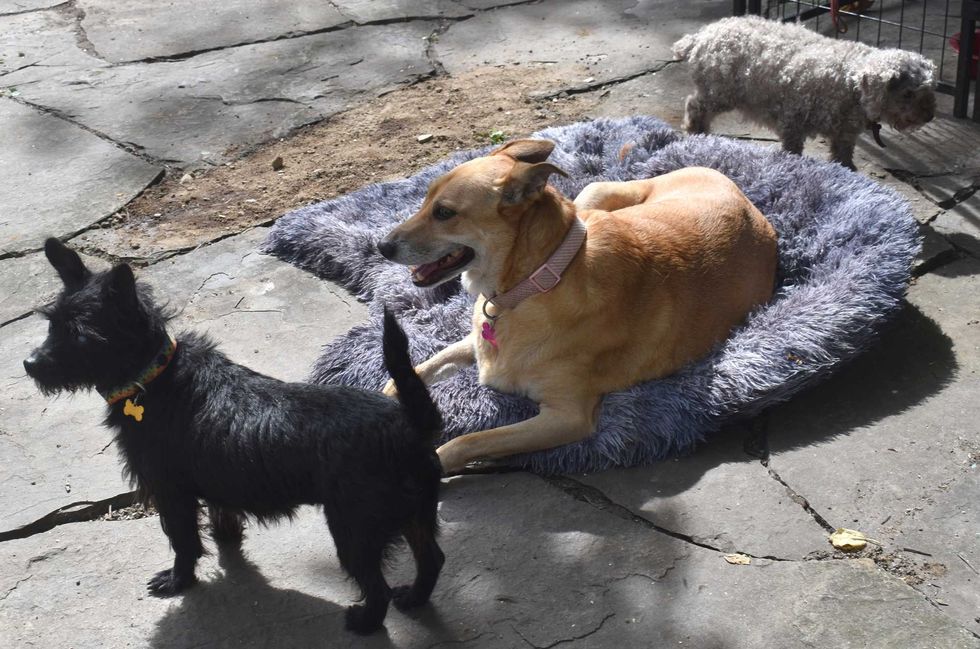 Sadie, center, a Carolina dog, plays with her friend Negra, a terrier mix. Bella Linda, the small poodle, has since been adopted.L. Tomaino
 Wesley, a young, exuberant mix, is looking for an active home.L. Tomaino
 Bonnie and Clyde, an affectionate terrier pair.L. Tomaino