MILLBROOK — A crowd of about a dozen gardening enthusiasts from across Dutchess County took a free lesson in wild gardening on Saturday, June 20.
Jessica Williams of Odd Duck Farm in Highland, New York, led a talk on “re-wilding” garden spaces in the Millbrook Library’s basement as part of an ongoing series of talks organized by the Millbrook Garden Club.
Williams, an avid gardener and florist, has been focusing on native, pollinator-friendly plants in her gardening efforts to promote biodiversity on her property and ecological health in general. She said she’s driven by an appreciation for bugs and allowing nature to take its course — even if that means letting plants die when a typical gardener might fight harder for life.
“I believe in survival of the fittest in the garden,” Williams said.
Williams advocates for gardeners to change their perspective and stop seeking to eradicate bugs and critters from gardens. She described the food chain as a delicate balance, where insects and the plants they eat form a base that all other life sits on top of.
“They can live without us, but we need them,” Williams said.
As an example, Williams produced an oak twig she grabbed from a tree in her yard the morning of the talk. Leaves were tattered and chewed on, evidence of an insect feast that Williams said should be seen as a beautiful sign of an active ecosystem.
Part of building an appealing ecosystem for local bugs is planting local plants. Williams told the crowd that 70-80% of biomass should be native plants. She suggested planting an oak tree to meet that quota, saying one tree would then allow gardeners to plant whatever other flowers they wanted without worrying about exceeding their foreign plant ratio.
Maintaining a 70-80% ratio of native plant biomass helps to ensure that local bugs have plenty of food to eat. And well-fed bugs make for well-fed birds, Williams said.
Williams also encourages variety in a garden. She said that a mix of flowers, shrubs and trees both improve aesthetic value and provide a variety of good food and habitat for bugs and birds.
“It’s important to keep the neighbors happy, too,” Williams said.
Another unorthodox tip was to embrace decay. Williams explained that soil is composed of broken down biological matter and letting plant trimmings and leaves return to that soil will only improve garden health.
“It just disappears,” Williams said.
One technique she supports is the “chop and drop” method. It’s intended for gardeners that may not have room for a dedicated compost pile, and advocates for dropping plant trimmings directly into the garden bed and leaving it there to rot and decay into the soil.
That strategy actually serves multiple purposes. Decaying plant matter will return useful nutrients for plant health to the soil and the sticks and leaves provide habitat for bugs.
Williams specifically called out fallen leaves during the fall as especially beneficial. She supports letting leaves lay where they fall whenever possible, but said that collecting leaves and spreading them in places like garden beds and compost piles can also be a good use.
But, with all things gardening, Williams said nature should be a guide in the proper way of doing things. A layer of leaves that’s too thick can essentially strangle a plant. Instead, gardeners using the material as makeshift mulch in their garden beds should apply the leaves in a thin layer that mimics a naturally windswept covering.
Williams maintains that 100% native gardening is not necessary as long as gardeners make an effort to plant as many native plants as possible. Many annuals and bulbs are beneficial to pollinators and bugs despite being foreign. She recommended alliums, cosmos, salvia, sunflowers and herbs such as basil, thyme and lavender.









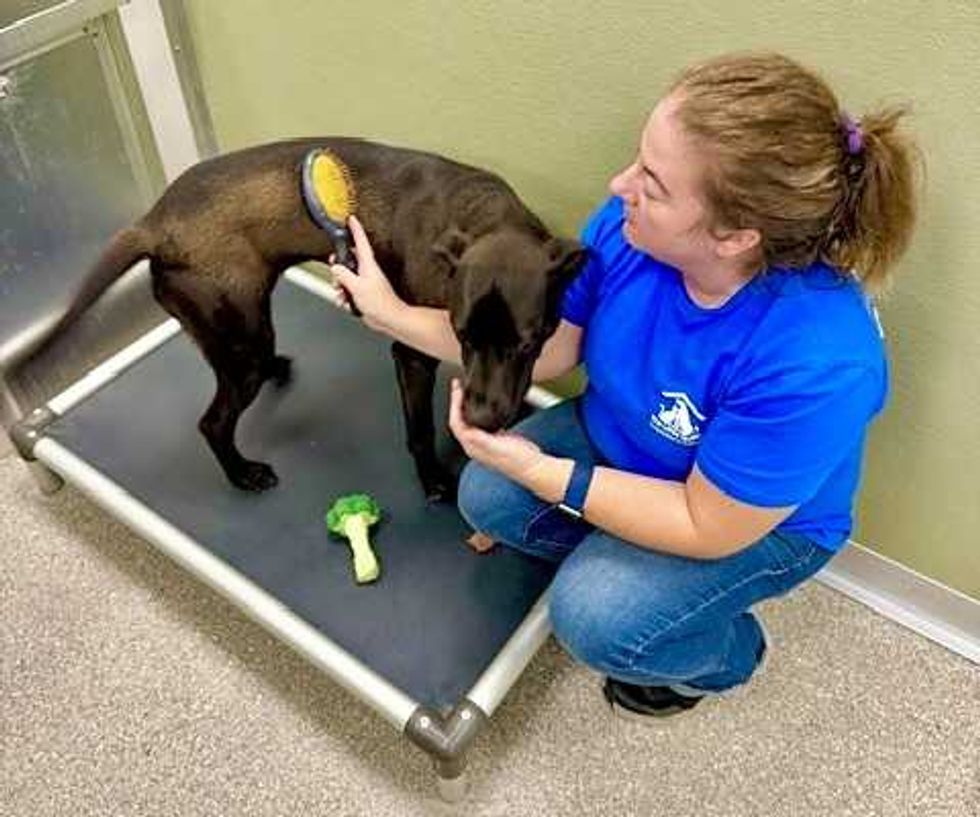 Tiffany Lemelin, shelter manager, brushing Marsala upon arrival.Provided
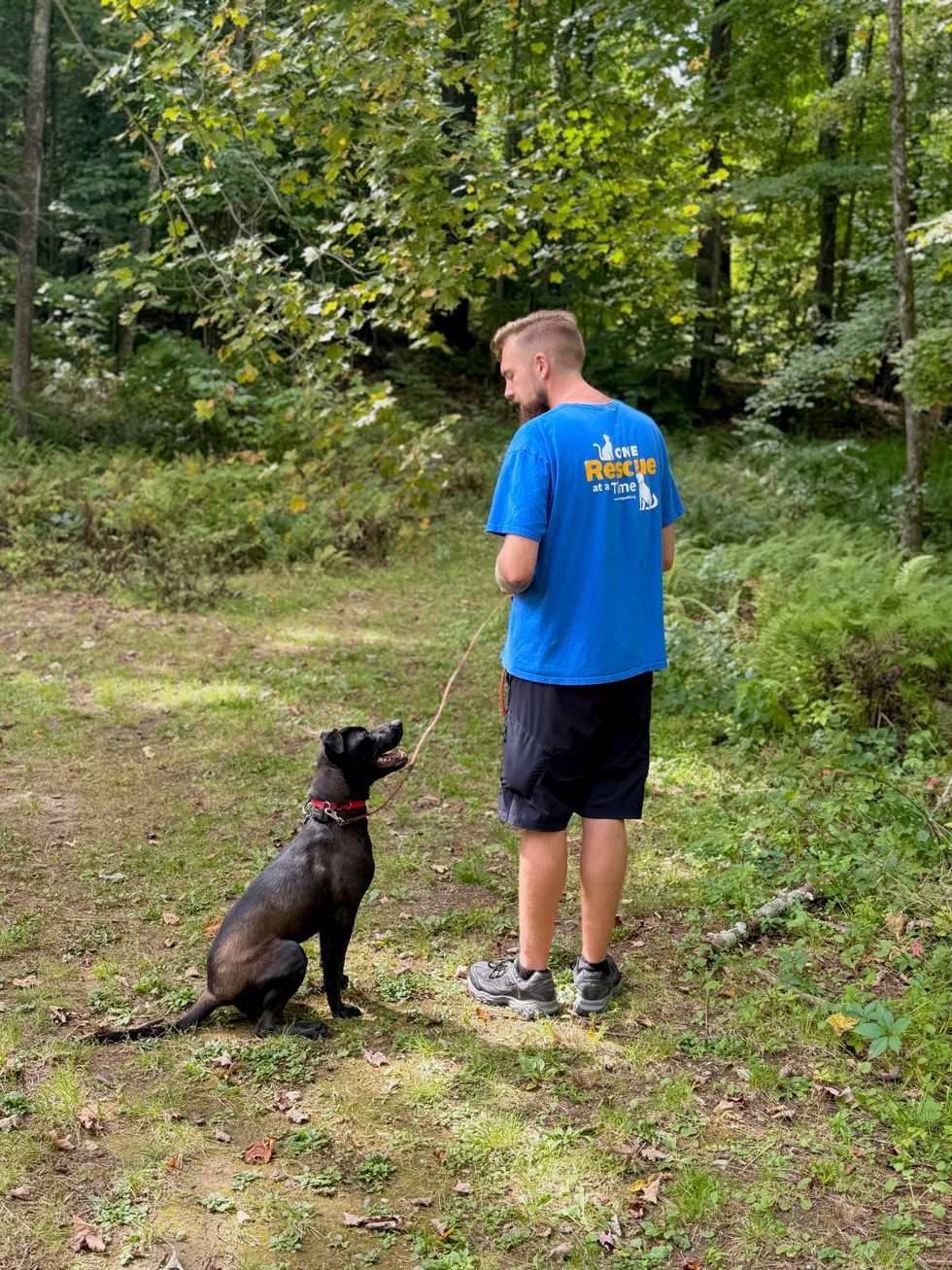 Michael DeBarba, certified dog trainer working with Marsala.Jennifer Almquist
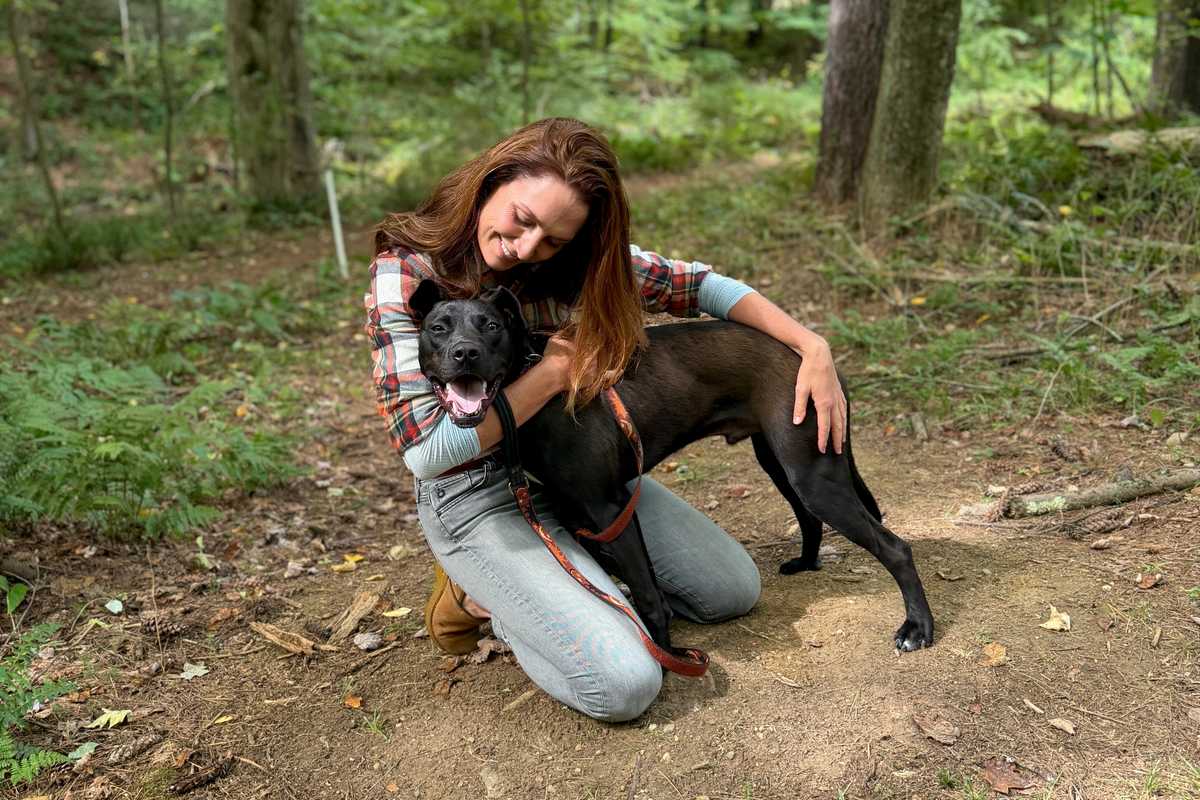 Marsala wins a heart.Jennifer Almquist
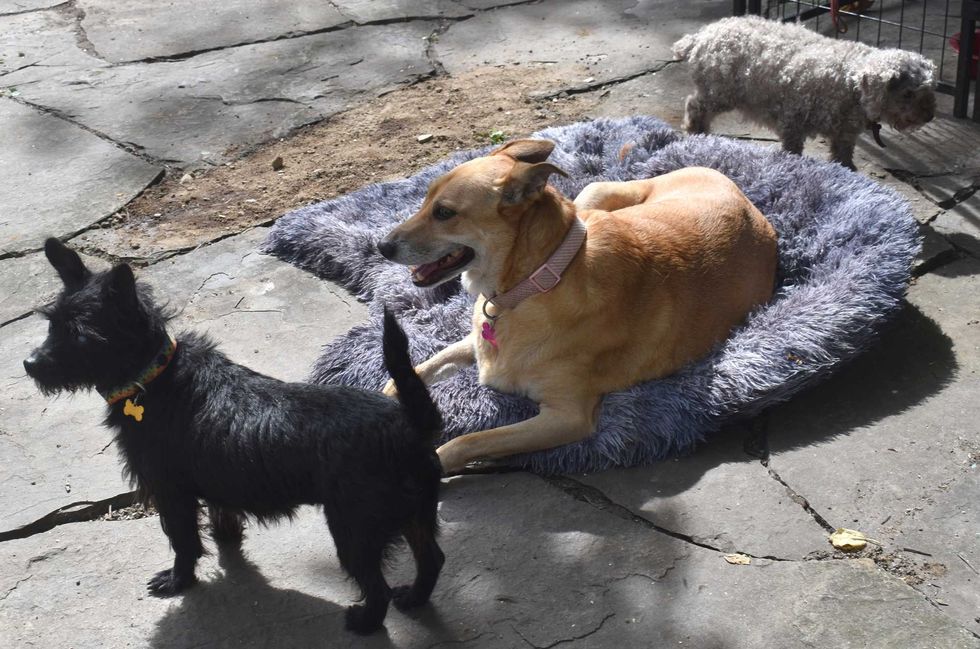 Sadie, center, a Carolina dog, plays with her friend Negra, a terrier mix. Bella Linda, the small poodle, has since been adopted.L. Tomaino
 Wesley, a young, exuberant mix, is looking for an active home.L. Tomaino
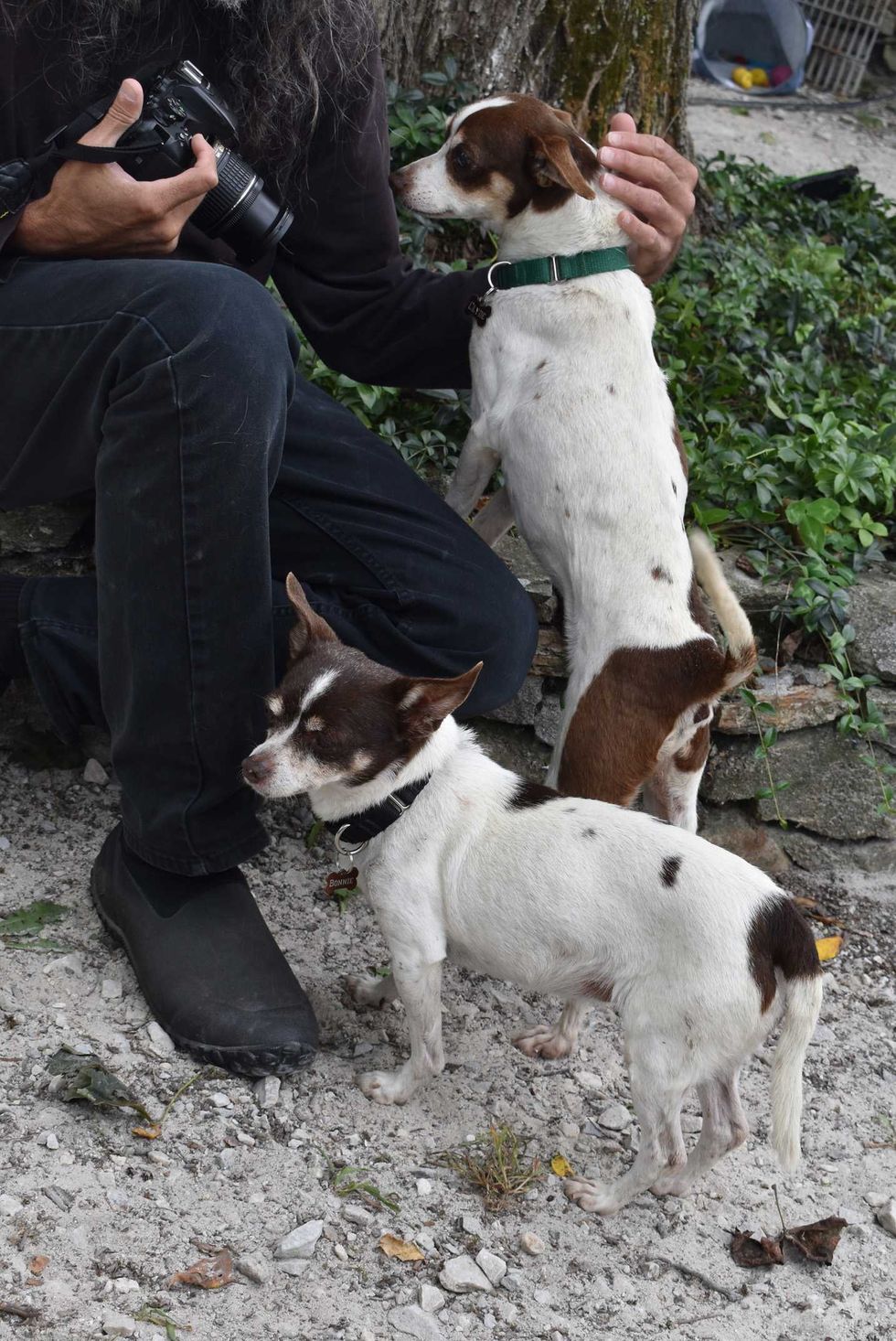 Bonnie and Clyde, an affectionate terrier pair.L. Tomaino