Textiles & Treasures on Nov. 15 and 16 at the White Hart Inn in Salisbury, showcased an extraordinary sale of global wares. The collection included textiles and home goods for dining and décor with table linens from India (Anokhi), Sweden (Jobs), Finland (Marimekko); Clothing tailored in Thailand, India, Mexico, Indonesia, Africa and Ukraine; Silver objects from Mexico and Thailand; Baskets from Mexico, Malaysia, Ecuador, Scandinavia; Jewelry from Africa; Pre-Colombian reproductions from Galeria Cano. 100% of the sales went to benefit the Little Guild’s new building.




Latest News
An appetite for life: Tarajia Morrell’s “Desire Feeds the Feast”
Jennifer Almquist
Oct 21, 2026
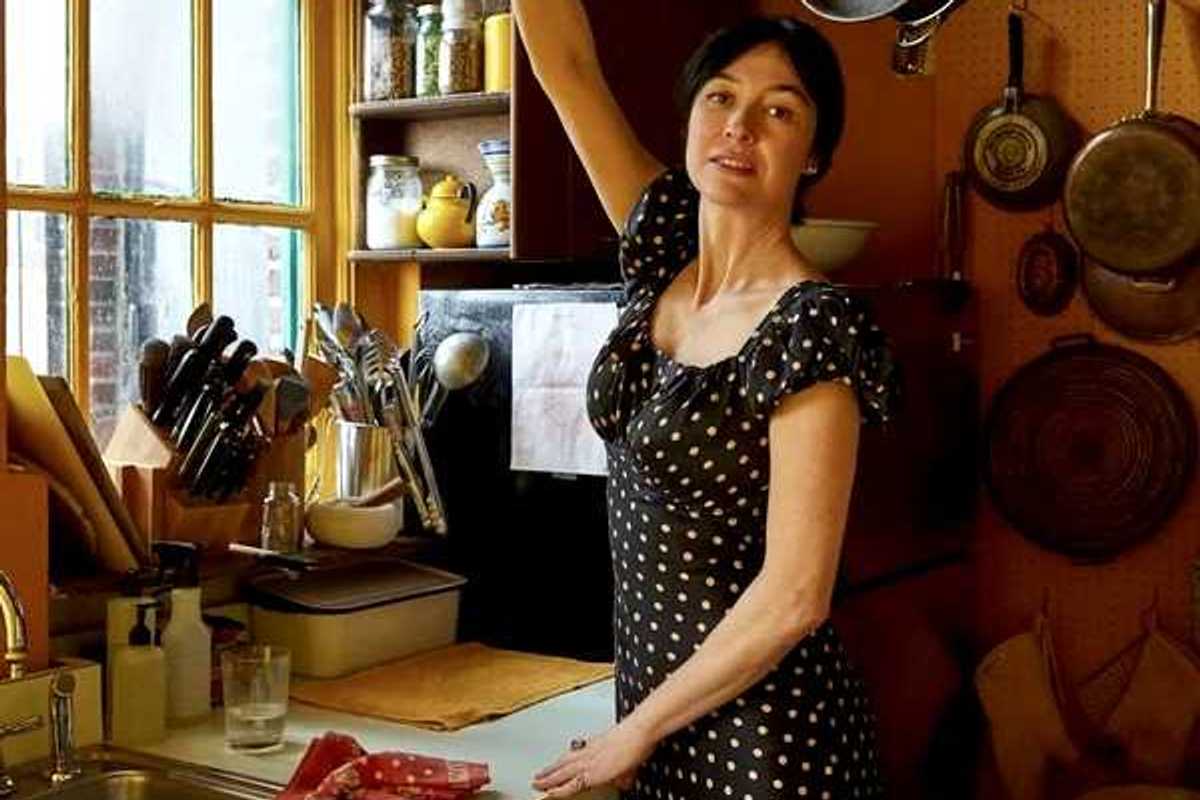
Author Tarajia Morrell in her kitchen.
Jessica Antola
In her new memoir, “Desire Feeds the Feast,” writer Tarajia Morrell traces a life shaped by an appetite for beauty, pleasure and belonging. On Saturday, Oct. 24, Morrell will discuss the book with fellow author Dani Shapiro, whose works include the memoir “Inheritance” and the novel “Signal Fires,” at a prerelease event at Troutbeck in Amenia. Published by Zibby Books, a women-led startup, “Desire Feeds the Feast” will be released Nov. 3.
Described by author Chris Pavone as “a deeply gratifying emotional feast of a memoir: poetic, dramatic, romantic, atmospheric, sensual, evocative, poignant, heartbreaking, heartwarming,” this tale brings readers on a restless journey. Morrell writes of the “electric excess” of the New York City club scene in the late 1990s and the Hollywood tables where she waited on celebrities while pursuing her acting career. Her wanderlust took her to the beaches in Uruguay, where she discovered the “brine and brightness” of ceviche, the splendor of Barcelona’s food markets and, back home, the simple pleasure of a ripe plum eaten by her “graceful mother.”
Her family founded fine wine mecca Morrell & Co., a fine wine destination in New York City. “I grew up in a family where the next meal was an ever shifting, but constant lodestar, where the pleasures of the table were paramount.”
Morrell is currently the communications director for Troutbeck and Litchfield’s Belden House & Mews. She continued, “I’m finally doing what I want - writing about characters through the lenses of food, wine, and travel, and helping specialty hospitality brands and restaurants to grow.”
Morrell explains, “Food is the metronome keeping the rhythm of my days, of my life. It’s the source of pleasure for the people I love most and hold dearest, my family. It is how we show each other love, and how we show love for friends. I find a meditative pleasure in the kitchen.”
Her friend, chef Gabe McMackin once wrote, “Tarajia, it is a privilege to work with you, to have your guidance, your enthusiasm, your thoughtfulness, your imagination and the love you put into all that you do. I feel fortunate to create things with you, but also to have your perspective on the world - to see the light and joy you bring into it as a part of our community and our lives.”
Morrell shares that her greatest pleasure is her daughter. “Just inhaling her, kissing her, making her laugh and sharing her with my parents and friends who help me parent alone. My mother is my absolute muse. She is incredibly strong. Her strength comes from steadiness and consistency. I hope that I’m passing that on to my child. Gathering at a table with the people I love. Love, loss, appetite, motherhood, home, friendship. To me these are the crux of everything.”
Morrell, a native New Yorker, co-authored “Savor: A Chef’s Hunger for More” with Fatima Ali. The book won a James Beard Award and was named one of Oprah’s best books of 2022. She also wrote “Soul of New York: A Guide to 30 Exceptional Experiences.” Her food and wine writing has appeared in publications including WSJ Magazine, Food & Wine, Departures and Cherry Bombe.
Shapiro lives in Litchfield County and has written 11 books. She is the creator of the podcast “Family Secrets.” Her novel “Signal Fires” and memoir “Inheritance” won National Jewish Book Awards. Her work has been published in 14 languages.
For tickets to the book talk on Oct. 24, visit
troutbeck.com.
Keep ReadingShow less
Berkshire Mountain Distillers is bringing brewery vibes to Sheffield
D.H. Callahan
Oct 21, 2026
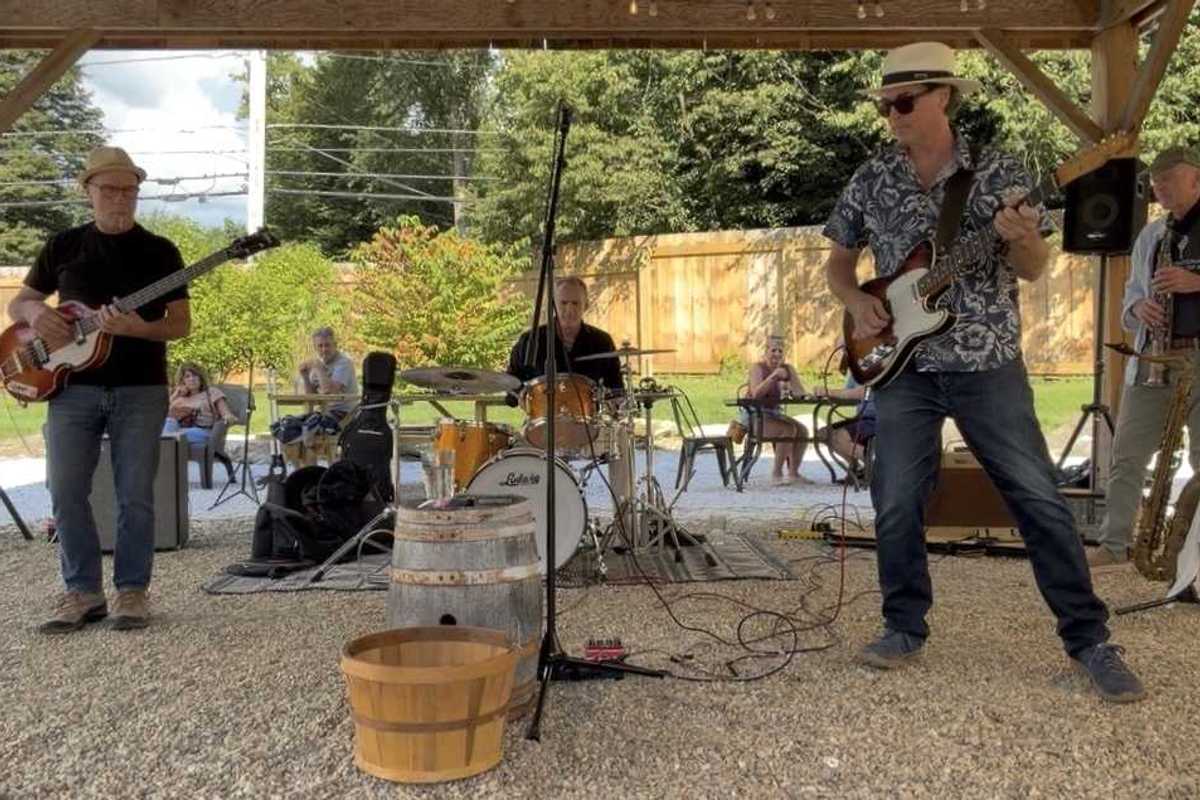
Mike Cobb and the Crevulators at Berkshire Mountain Distillery.
Courtesy Mike Cobb
Almost 20 years after Chris Weld first opened Berkshire Mountain Distillers in Sheffield, Massachusetts, he’s expanding his offerings yet again. This time, he’s bringing the beer.
When Weld opened his distillery in April 2007, it was a bit of a risk. Nobody had distilled spirits in the area since Prohibition. Fancy cocktail culture was just emerging in major cities and alternative urban centers. The craft distilling market had not yet matured to its eventual level of popularity.
Nonetheless, the distillery was impressing casual tasters and critics right away. Its fresh granite spring water helped ensure ideal distilling conditions for its bourbon, vodka, gin and rum lines. The distillery won all sorts of awards, and their Greylock Gin was named one of the best craft gins in the country by the New York Times just five years into its run.
Making an exceptional spirit is one thing. Getting the average customer to try it is quite another. Weld estimates that maybe 50 craft distillers operated in the United States when he opened his doors. Today, following a dramatic post-pandemic spike in 2023, the American Craft Spirits Association estimates there are just over 2,000 craft distilleries in the country. That’s a lot of competition.
Berkshire Mountain Distillers (BMD) has done a lot to distinguish itself in an increasingly crowded market. It has released limited runs, like its Smoke and Peat series, in which whiskey and rum are aged a second time in used barrels from Scotland. Its Cultural Cocktails program saw BMD team up with local arts institutions like the Clark Art Institute,, Berkshire Botanical Garden and the Mahaiwe Performing Arts Center to create custom cocktail recipes inspired by the venues.
In 2021, BMD introduced the Craft Brewers Whiskey Project, partnering with regional breweries to distill their beers into whiskeys. The project has seen BMD collaborate with a dozen breweries, including Sam Adams, Two Roads in Stratford, Connecticut, and Big Elm, just down the street from the distillery in Sheffield. That first year, Smoke & Dagger Whiskey, BMD’s collaboration with Massachusetts-based Jack’s Abby Craft Lagers, won a gold medal in the beer-distilled whiskey category at the U.S. Open Whiskey and Spirits National Championship.
Unfortunately, their friends at Big Elm closed down their brewery and beer hall earlier this year, leaving a hole in Sheffield’s social scene. Weld decided to pick up the slack by making the distillery experience more like that of a neighborhood brewery. He brought in games, created a seasonal food menu, added seating to the tasting room and started booking musicians to play free shows on Saturday afternoons. There was only one thing missing: the beer.
After mastering the crafts of distilling and cannabis cultivation — Weld is also co-founder of local cannabis dispensary, The Pass — odds were good that he’d brew a pretty choice beer. But as is frequently the case when navigating regulations surrounding alcohol and cannabis, the seemingly endless and sometimes illogical red tape proved difficult to overcome in the short time Weld had before summer. So he tapped back into his partnerships, asking some of his brewery collaborators to help with his first beer releases.
So far, working with partner breweries, BMD has created three beers: an IPA, a hazy pale ale and a lager, with a hefty brown ale on the way. Many early consumer reviews rank their available varieties above four out of five stars on the beer-rating website Untappd. Until now, the beers have been available only at the distillery, but bottles will soon be available to take home.
Weld is thrilled to send customers home with bottles of his spirits and his beers, but this time, the main goal seems less about setting a brand apart from the competition and more to creating a space for locals, weekenders and, yes, even leaf peepers to gather, enjoy Sheffield and its people, and sample the fruits of Weld’s many labors.
To learn more about Two Lanterns Brewery and Berkshire Mountain Distillers, visit berkshiremountaindistillers.com.
Keep ReadingShow less
Bobby’s Pheasant Casserole
Bobby Graham & Matthew Marden
Oct 21, 2026

Pheasant casserole, a South Dakota tradition, passed down through generations and made for sharing.
Bobby Graham
Growing up in Sioux Falls, South Dakota, October meant one thing: pheasant hunting season. For generations, it’s been a cherished tradition bringing family and friends together, both in the fields and around the dinner table.
Our family’s annual pheasant hunt has continued for 43 years, spanning three generations. It’s a tradition filled with crisp autumn mornings, great stories and memories that last a lifetime. And although I’ve traded the South Dakota prairies for the hills of northwest Connecticut, my love of pheasant season has followed me home.
Each year, after the big hunt, Matt and I gather friends around our table to enjoy this special treat. For many, it’s their first taste of pheasant, and even Matt, who didn’t grow up with the tradition, has come to love it.
Of course, the evening is about more than what’s on the plate. It’s about setting a beautiful table, lighting the candles, opening a good bottle of wine and making everyone feel welcome. To us, that’s the true gift of hospitality: sharing something you love with the people you love.
And no pheasant season would be complete without our family’s favorite pheasant casserole. It’s the very dish Matt and I serve each year after the big hunt, a recipe passed down through generations and still marked “our family favorite!” in our original cookbook.
It’s comforting, delicious and perfect for a table full of friends. Best of all, it can be prepared ahead of time, leaving more time for what matters most: enjoying the company around your table.
Bobby’s Pheasant Casserole
Serves 6
Ingredients
• 12 ounces mild pork sausage
• ½ pound fresh mushrooms, sliced
• 8 ounces water chestnuts, chopped
• 1 large onion, finely chopped
• 1 (6-ounce) box wild rice mix
• ¼ cup all-purpose flour
•¼ cup butter
• ½ cup milk
• 1¾ cups chicken broth
• Juice of ½ lemon
• 1 teaspoon salt
• 1 teaspoon Tony Chachere’s Original Cajun Seasoning
• ⅛ teaspoon black pepper
• 2 cups cooked, boned pheasant (or turkey or chicken)
• ½ cup slivered, toasted almonds
Preparation
Preheat the oven to 350 degrees.
In a large skillet, sauté the pork sausage until browned. Drain well, reserving a little of the drippings.
Sauté the onion and mushrooms in the reserved drippings until softened. Add the chopped water chestnuts toward the end of cooking. Squeeze the lemon juice over the mixture.
Prepare the wild rice according to package directions.
In a separate saucepan, melt the butter over medium heat. Whisk in the flour and gradually add the milk and chicken broth, stirring until smooth and thickened. Season with salt and pepper.
In a large casserole dish, gently combine the cooked pheasant, sausage, wild rice and mushroom mixture. Pour the cream sauce over everything and toss gently to combine.
Bake for approximately 1 hour, until heated through and bubbling. Sprinkle with toasted almonds just before serving.
NOTE: This is a wonderful dish for entertaining because it can be made ahead. As our original family recipe reminds us, the flavors only get better as the casserole rests. If holding it warm before serving, keep it at 140 degrees or above.
Each month, Bobby Graham and Matthew Marden, owners of Dugazon in Sharon, share a recipe inspired by traditions, stories and a sense of welcome.
Keep ReadingShow less

Want more of our stories on Google? Click here to make us a Preferred Source.
Ungardening: let nature take the lead
Millerton News
Oct 21, 2026

Dee Salomon, “The Ungardener”
Provided
What if the best thing you could do for your garden this fall was a little less? On Sunday, Oct. 25, habitat advocate Dee Salomon, president of the Homegrown National Park board and “Ungardener” columnist for The Lakeville Journal and The Millerton News, will explore how leaving leaves, removing invasive plants and encouraging native species can help restore biodiversity and provide essential habitat for birds and wildlife. Presented by the Salisbury Association Land Trust at Scoville Memorial Library in Salisbury, the talk will offer practical tips for gardens and woodlands of all sizes. 4:30 to 6 p.m. Registration required; waitlist available at scovillelibrary.org
Time for harvest
Graham Corrigan
Oct 20, 2026

Throngs of visitors crowd Amenia’s Main Street on Saturday, Oct. 17, for the town’s second annual Harvest Festival. The event filled downtown Amenia with vendors selling food, jewelry, trinkets, decor, books and art — and a stage on each end of the street filled the air with music.
Photo by Graham Corrigan
Throngs of visitors crowd Amenia’s Main Street on Saturday, Oct. 17, for the town’s second annual Harvest Festival. The event filled downtown Amenia with vendors selling food, jewelry, trinkets, decor, books and art — and a stage on each end of the street filled the air with music.
 Photo by Graham Corrigan
Keep ReadingShow less
Copake solar farm permit denied by state energy officials
John Coston
Oct 20, 2026
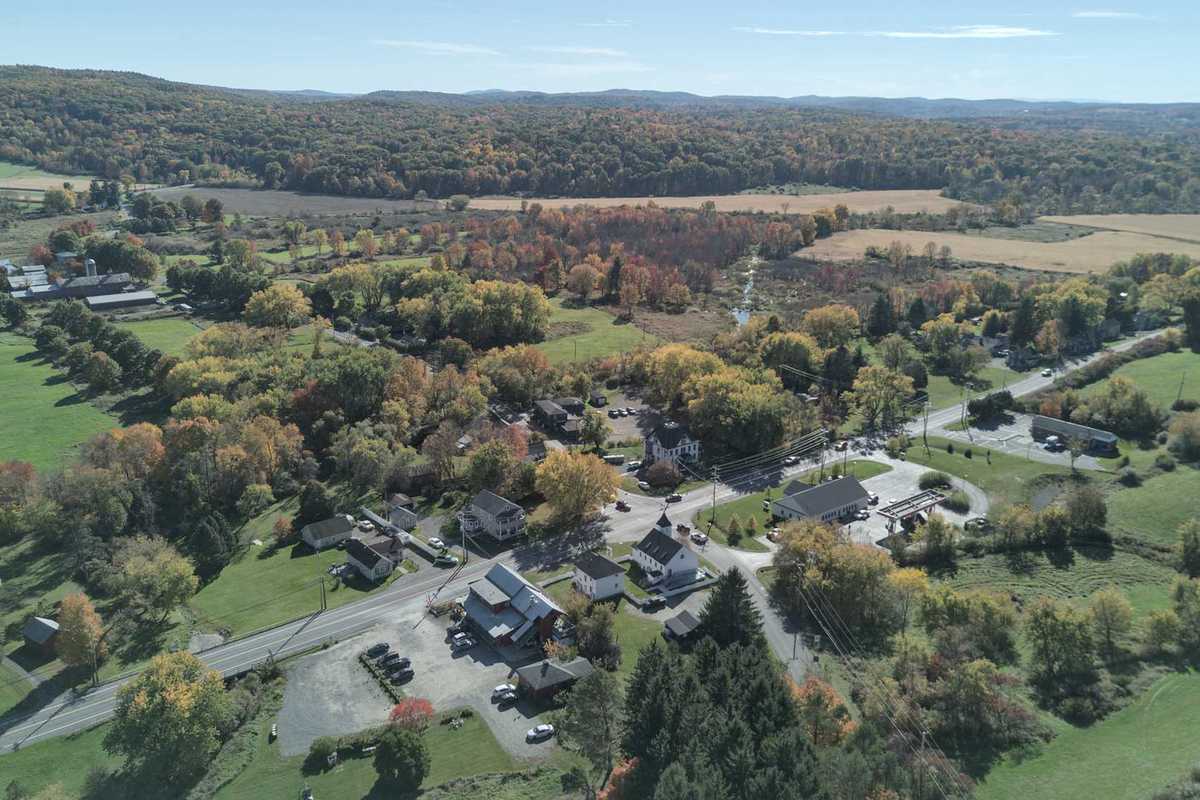
The hamlet of Craryville in the Town of Copake, New York, will no longer be the home of a 42-megawatt solar farm following New York’s Office of Renewable Energy Siting denying a permit for the facility to Chicago-based Hecate Energy LLC.
Photo by Nathan Miller
COPAKE — New York State denied Hecate Energy LLC’s application for a more than 700-acre Shepherd’s Run solar project, pointing to two factors: floodplain and community protection issues and identification of and protection of wetland resources in this rural hamlet.
Jason Zehr, interim executive director of the Office of Renewable Energy Siting and Electric Transmission,issued the decision on Wednesday, Oct. 14, five days before the clock was to run out for the state to approve or deny the Chicago-based company’s application.
“My analysis on each of these separate issues leads me to conclude that I am not able to affirmatively certify and determine that the project application satisfies the criteria for a permit,” Zehr wrote in his 31-page decision.
The denial caps years of protest from local residents and steadfast efforts on Hecate’s part to advance the 42-megawatt project, which initially was proposed as a 60-megawatt project before it had to be downscaled after the company lost control of some of the targeted project land.
Shepherd’s Run was slated to be built near the intersection of Routes 7 and 23 in Craryville. The company first envisioned Shepherd’s Run in 2017 and has faced opposition from residents, state legislators and local politicians. In February, 2024 the company’s first application for what has been dubbed “Shepherd’s Run I” was dismissed by the state. The company then followed up with the current application in late December, 2024.
“Hecate strongly disagrees with this disappointing decision and is evaluating all available legal avenues to challenge it,” said Matt Levine, a Hecate vice president who has worked on the Shepherd’s Run project for years.
“Hecate Energy followed ORES’ rules and regulations, and ORES staff twice recommended permit approval. Yet this decision appears to elevate political pressure and misinformation over a fair, established permitting process. It sends a troubling message to developers and raises serious questions about New York’s commitment to its clean energy goals,” Levine added.
The Town of Copake has been a consistent opponent from the beginning.
“We are gratified that the long saga of Shepherd’s Run has concluded with a formal decision denying a permit,” said Richard Wolf, Copake supervisor, who has chronicled the project’s progress in periodic ‘Solar Update’ reports to the town’s residents. He counted up 79 separate updates over the years, he said.
Sensible Solar for Rural New York, a citizens group that has fought the project, wrote in a press release: “This brings an end, at least for now, to a David and Goliath battle between the small town of Copake, N.Y., and Hecate Energy, a large Chicago-based corporation.
“This has been a decade-long struggle, one where we kept raising the numerous reasons why this project should not be built,” Sensible Solar added.
The state received 1,166 individual verbal and written comments from members of the public. Of those 751 were opposed to Shepherd’s Run, 409 were in favor and six were neutral. The issues raised by the public focused on several areas: compliance with local laws; whether the Municipal Home Rule Law was being violated; impacts on agriculture, community character and visual impacts; and public health and safety. Concern also was raised about Hecate’s financial viability, raising questions about what would happen if the company couldn’t meet project obligations. There also were concerns expressed about the impact to wildlife, including loss of habitat, and to wetlands and flood risk.
Those who supported the project noted its contribution to renewable energy goals, including combating climate change.Supporters also endorsed reducing dependence on fossil fuels and decreasing air pollution along with economic benefits to the community.
But as time passed, scrutiny of Shepherd’s Run intensified. Last month, two administrative law judges held an adjudicatory hearing in Copake’s town hall that was attended by more than 100 residents, with few expressing favor for Shepherd’s Run. The hearing ran from 10 a.m. to 8p.m. and was geared to obtaining testimony aimed at establishing a fact-based record. On Oct. 5, those judges, Maureen F. Leary and Dawn MacKillop-Soller, administrative law judges at the New York State Department of Public Service’s ORES office, recommended denying Hecate a permit “based upon Hecate’s failure to demonstrate compliance with applicable wetlands laws and regulations.”
That left the final say up to Zehr, who wrote: “In summary, the evidence required to demonstrate compliance is absent in the topic areas of identifying base flood elevations, establishing the reliability of inputs for [Hecate’s] hydrology modeling, the ability of facility components to avoid being inundated by flooding, the reliability of the design and operation of measures intended to control panel operation during a flood event, and the avoidance of siting of facility components near or within a floodway.”
Keep ReadingShow less
Want more of our stories on Google? Click here to make us a Preferred Source.
loading