For 35 years, cellist Yehuda Hanani has been inviting audiences to experience classical music in unexpected ways. As founder and artistic director of Close Encounters with Music, Hanani has built a concert series that goes beyond the music itself, exploring connections to literature, history, politics and the human experience.
This year, Close Encounters celebrates its 35th season with “Celebration & Discovery,” a seven-concert series that opens Sunday, Nov. 1, at the Mahaiwe Performing Arts Center in Great Barrington.
From Mozart and Gershwin to a cabaret inspired by Paris and Weimar Berlin, a full orchestra and the world premiere of a commissioned work, the season reflects Hanani’s longstanding belief that classical music should be accessible, adventurous and relevant.
As classical music has moved further from the cultural mainstream, Hanani has looked for creative ways to bring audiences into the concert hall.
“We try to figure out ways of drawing them into the concert hall,” he said. “This was the idea behind thematic programs. Every concert had a theme, and my goodness, after 35 years, we’ve covered hundreds of themes.”
Those themes haven’t always been strictly musical. Over the years, Close Encounters has explored the relationship between creativity and mental illness, celebrated women’s suffrage with a program featuring 15 female composers and presented music of political protest in response to a proposed cement plant along the Hudson River.
For Hanani, these connections are part of what makes the series distinctive.
This season opens with “Saluting the Clarinet,” featuring acclaimed clarinetist Alexander Fiterstein alongside pianist Michael Chertock, violinists Xiao-Dong Wang and Helena Baillie, violist Daniel Panner and Hanani on cello.
Why the clarinet?
“It’s so versatile. It can be velvety and smooth and sexy, and it can be brash and biting and it can bend notes,” he continued. “It’s perfectly suitable for jazz. It’s prominent in operatic literature. It’s symphonic. It’s all over the place.”
The opening program demonstrates that versatility with works by Beethoven, Mozart, Bartók and Gershwin. Among the highlights is Bartók’s “Contrasts,” commissioned by jazz clarinetist Benny Goodman and violinist Joseph Szigeti, with Bartók himself at the piano for the premiere.
The program also includes a jazz-inspired reimagining of Gershwin’s “Rhapsody in Blue” by a female composer, which Hanani described as “a pretty crazy kind of jazzy piece of music.”
The concert concludes with Mozart’s Clarinet Quintet.
The musical variety continues Dec. 13 with “Come to the Cabaret! Paris and Weimar Berlin,” featuring Israeli singer and actress Yael Rasooly in her Close Encounters debut. The theatrical program draws on the music of Édith Piaf, Marlene Dietrich and the cabaret traditions of interwar Europe, complete with elaborate costumes and life-size puppets.
On Feb. 21, pianist Simone Dinnerstein joins Hanani and cellist Hannah Sohn for a more intimate program at Saint James Place devoted to Bach and Handel.
Although the two Baroque composers are often grouped together, Hanani is interested in their differences.
“It sounds like the same Baroque music, two guys with a big wig on their head,” he joked. “But they were so, so different.”
“Handel was affluent and lived in style, and he owned two Rembrandts, believe it or not,” Hanani said. “Very worldly. And Bach, of course, is in another sphere altogether.”
The season continues March 14 with the four-time Grammy-nominated Skylark Vocal Ensemble, presenting music inspired by gardens, birdsong and the natural world.
On April 18, Close Encounters turns to Dvořák, whose music bridges European and American traditions. The program includes the composer’s “American” Quartet, Piano Quintet and vocal selections performed by baritone Tyler Duncan.
“We are going to just have a musical portrait of Dvořák, including some of his songs that are very seldom heard, sung in Czech,” Hanani said.
Another milestone arrives May 16 with “The Golden Chain of Classical Music,” featuring the 26-member Vivace Orchestra under conductor Joshua Gerson. The program includes Haydn’s “Surprise” Symphony, Mozart’s Sinfonia Concertante and Beethoven’s First Symphony.
“We’re having something we’ve never done before,” Hanani said, describing the orchestral program as a way to illustrate “the three golden rings linked, which really make the foundation of the classical style.”
The season concludes June 13 with perhaps its most personal offering: the world premiere of “Metamorphosis: Love,” a work commissioned by Close Encounters from Cuban composer Jorge Martín.
The piece was inspired by the writings of Matt Morris, a young poet and librettist whom Hanani befriended in the Berkshires. Morris studied at the Royal Academy in London and struggled with serious mental health challenges before dying by suicide.
“We became very close,” Hanani recalled. “What we did is we collected all his writings, his poems, his musings, even his libretto.”
Martín used those writings to create a work for soprano and tenor with an unusual instrumental ensemble. The tenor represents Morris, while the soprano takes the role of his muse.
“Very unusual combination of sounds,” Hanani said. “Very eerie, kind of very spiritual.”
The new composition is part of a commissioning tradition that has become central to Close Encounters’ identity. More than 20 composers have created works for the organization over the years, often bringing together musical traditions that might seem worlds apart. After 35 years, that spirit of exploration remains at the heart of Close Encounters.
“This is the nature of our series,” Hanani said, “exploring old masterpieces, sometimes neglected masterpieces, commissioning a lot of composers and looking forward to the future.”
Close Encounters with Music opens its 35th season Sunday, Nov. 1, at 4 p.m. with “Saluting the Clarinet” at the Mahaiwe Performing Arts Center in Great Barrington. The seven-concert season runs through June 13, 2027, with performances at the Mahaiwe and Saint James Place. Tickets and information are available at cewm.org.


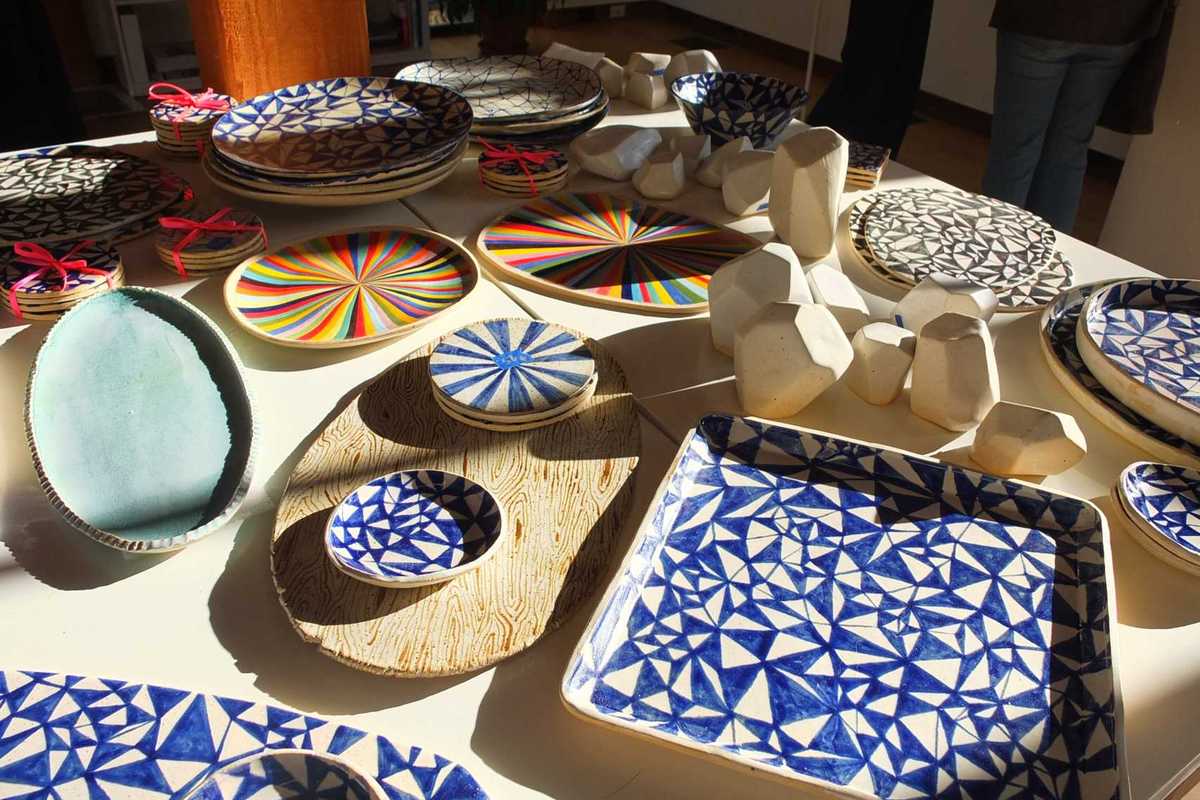
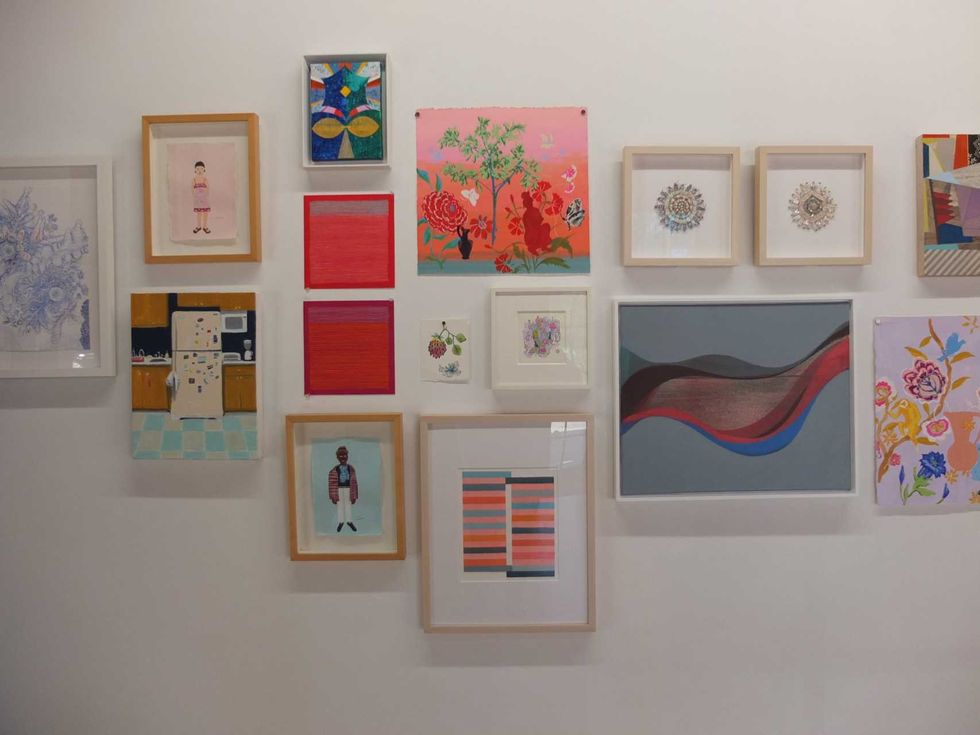 Part of “Cool & Collected” at Kenise Barnes in Kent.D.H. Callahan
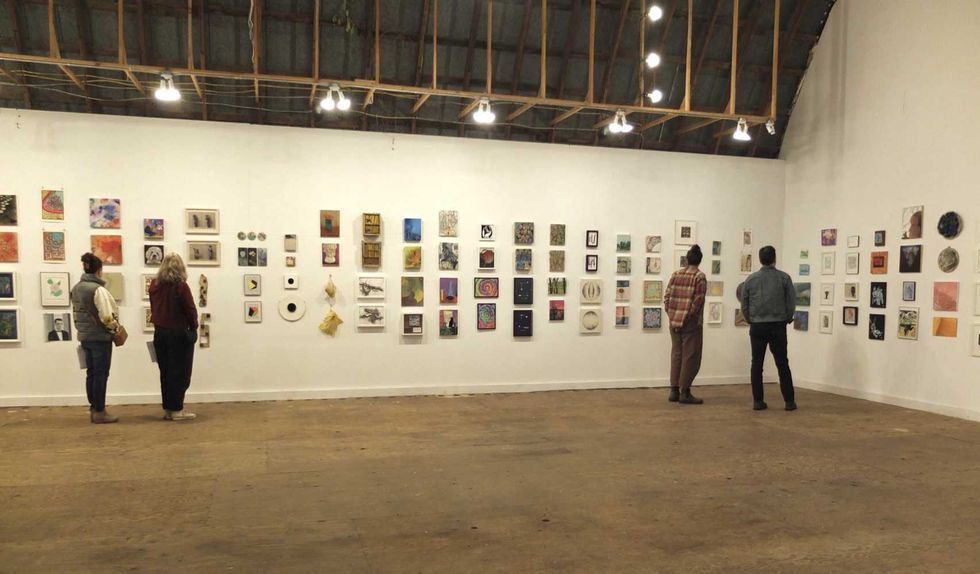 The Re Institute’s Holiday Show features more than 400 works by over 200 artists through Dec. 6, with a closing party from 1 to 4 p.m. that day.D.H. Callahan
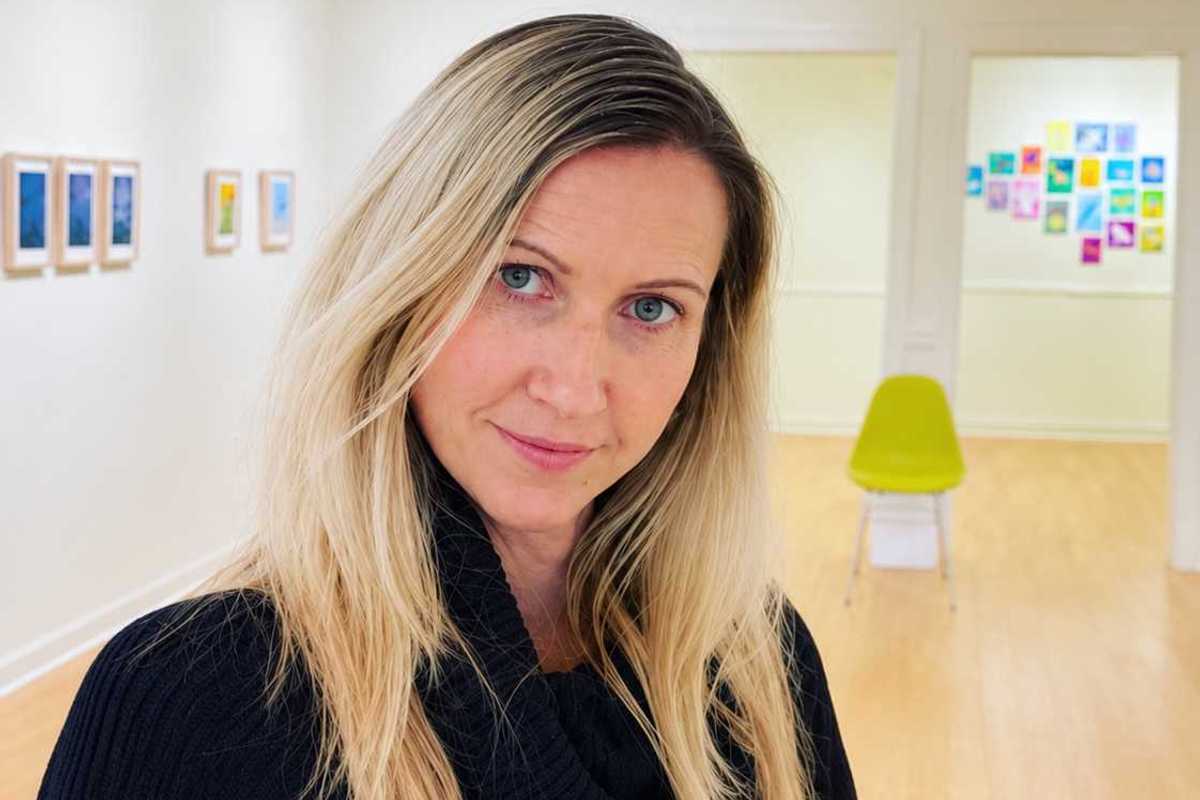
 Jennifer Terzian’s gallery showcases emerging and mid-career artists, with a focus on drawing, works on paper and painting.Provided

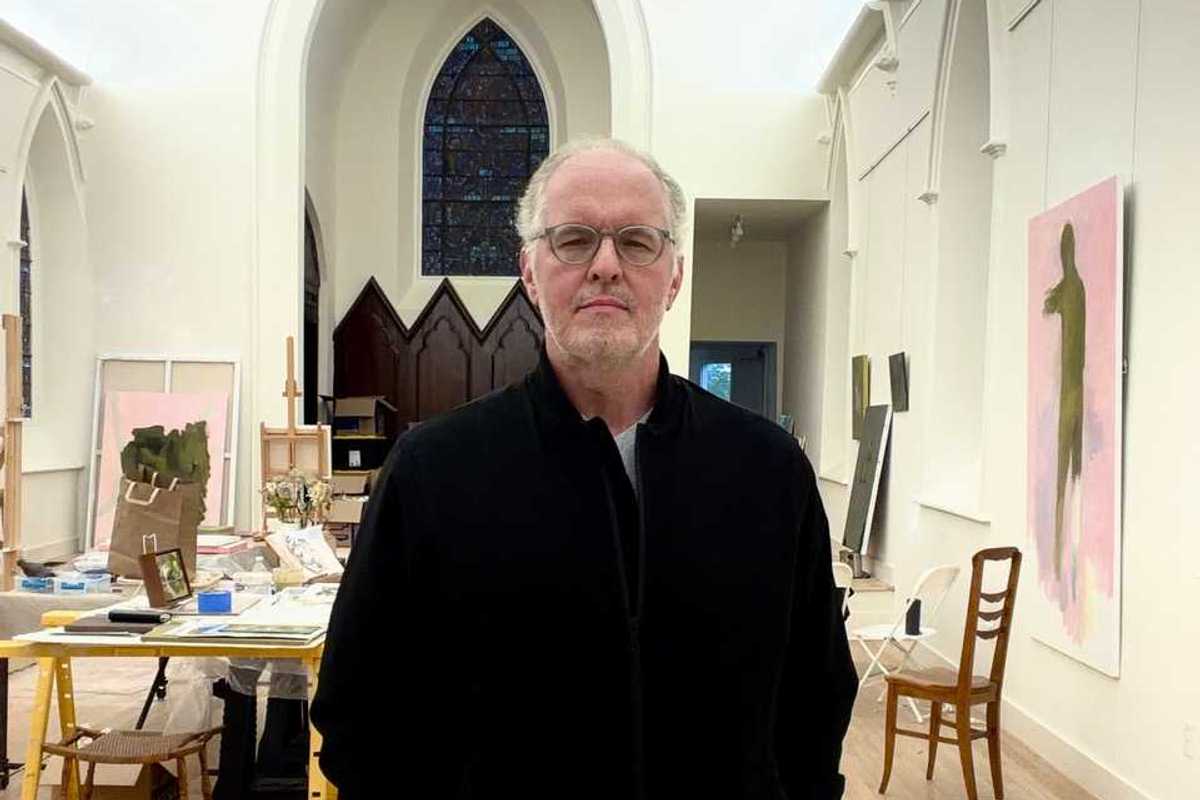
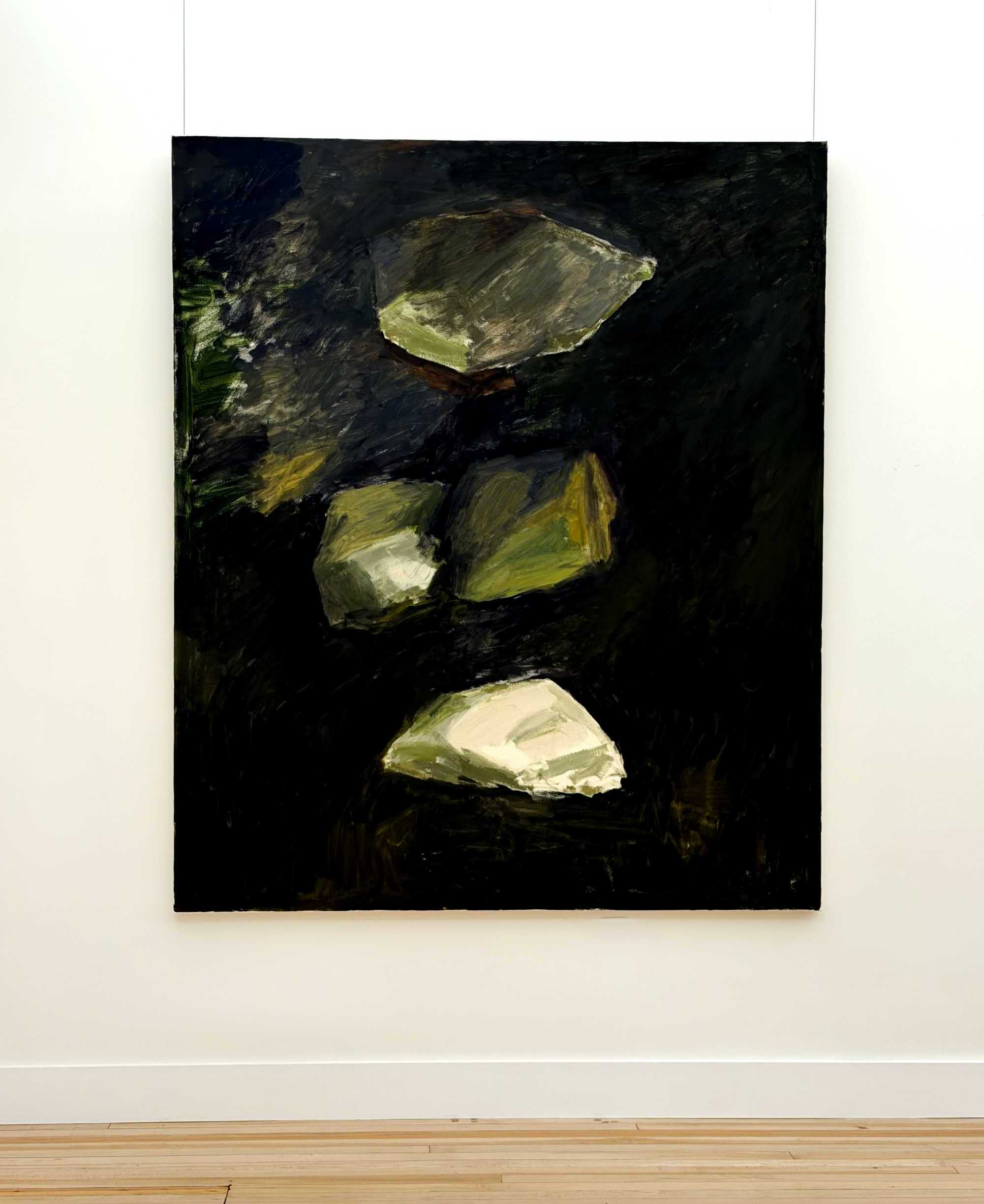 “From Ground to Gravity,” 2026, Oil on Canvas, 77 x 65 inchesProvided
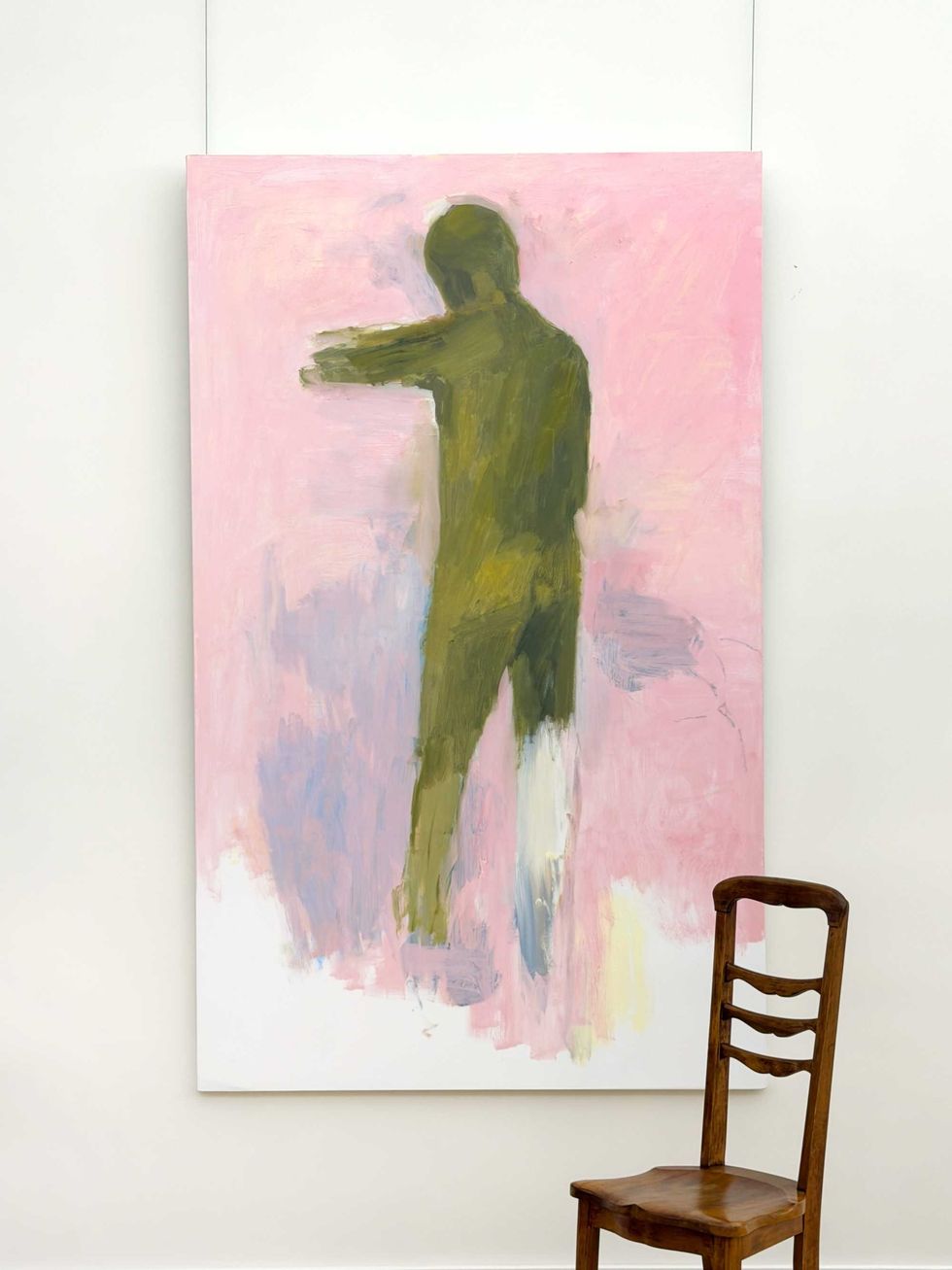 “Nature Eternal,” 2026, Oil on Canvas, 77 x 47 inches.Provided