At 6 p.m. on Saturday, Sept. 26, award-winning filmmaker Brian Gersten will screen four short documentaries at the David M. Hunt Library in Falls Village, exploring obscure topics such as a lingering territorial dispute between the United States and Canada, a nationwide toilet paper panic sparked by a late-night joke, the infamous “Balloon Boy” saga and the history of bowling in America.
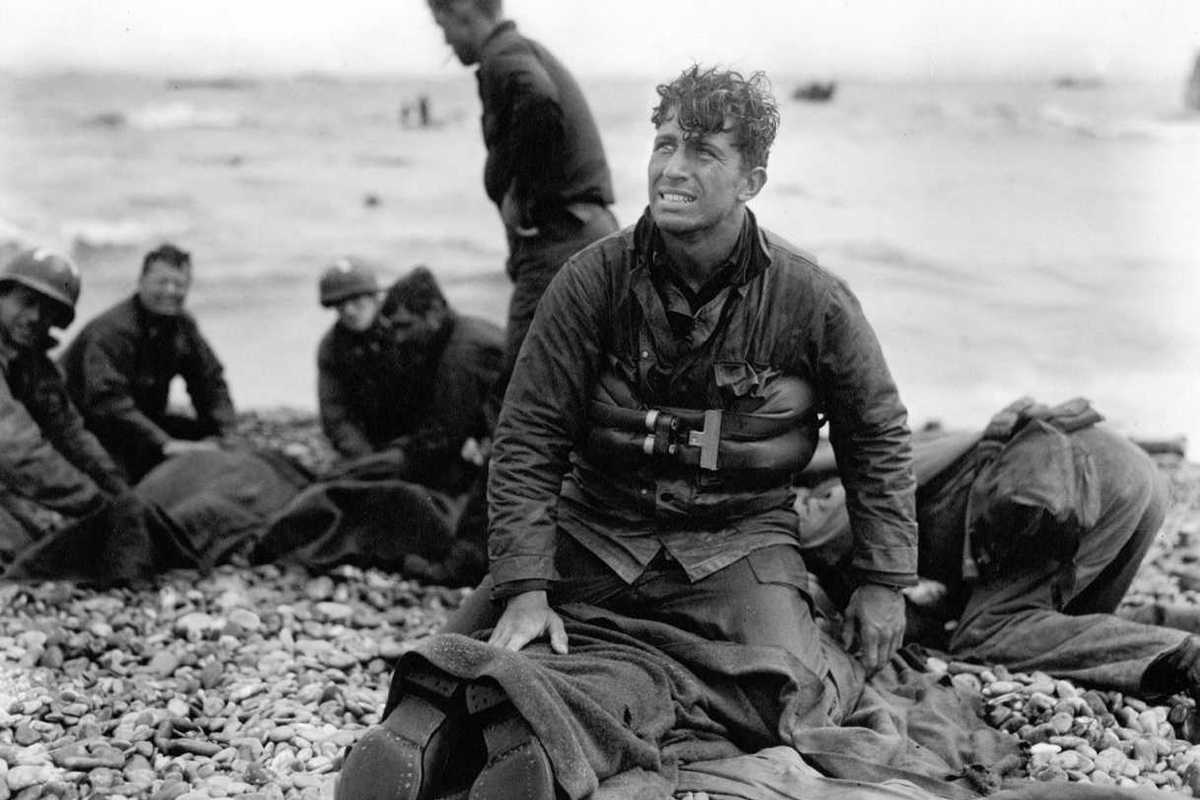
The Chicago-raised, Millerton-based filmmaker has worked as an editor on feature-length documentaries like the cycling film “Enter the Slipstream” and Netflix’s profile on author Tom Wolfe, “Radical Wolfe.” In 2025, “Why We Dream,” a film he edited about bringing D-Day veterans back to the beaches of Normandy, premiered aboard the U.S.S. Intrepid in New York City. When it comes to directing, Gersten’s own interests focus more on the underappreciated and unremembered, as the four short films he directed will demonstrate.
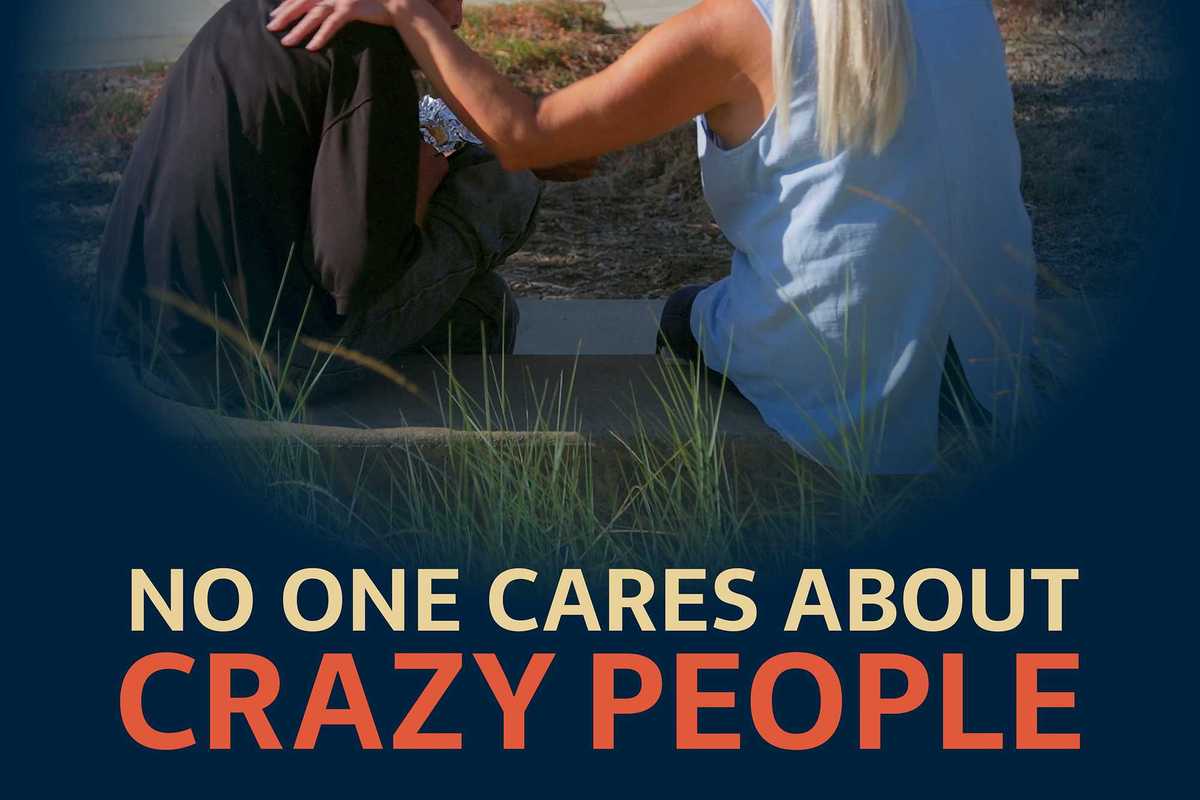
“The Gray Zone” explores the casual conflict of Machias Seal Island, a small island off the coast of Maine or Nova Scotia, depending whom you ask. It is the last piece of land disputed by the United States and Canada. While the island is mostly seabirds and seals, it also houses a lighthouse, making it more important than any other strip of rock poking above the waves in the area. News and politics publication The Atlantic chose “The Gray Zone” as one of its Atlantic Selects short films to highlight, and that was before tensions between the two nations became strained. If things get any more tense, Gersten might have to head back out to sea to make a sequel.
On a similarly low-stakes topic with potential high-stakes outcomes, “The Great Toilet Paper Scare” covers a little late-night joke that had some real-world consequences. Again, this short seems to be even more prescient than when Gersten made it in 2020, with themes of out-of-control gas prices and supply shortages across the country setting the stage for some good, clean bathroom humor, if you will.
Conversely, “Balloon Boy” was a high-stakes situation with low-stakes results. In 2009, the same year Disney released their hit animated movie “Up,” it seemed the entire nation had tuned in to witness the real-time drama of a 6-year-old boy who had allegedly climbed into his family’s experimental “flying saucer” weather balloon and taken off into the sky above Colorado.
Finally, “Memory Lanes” explores the history of bowling in America through a much more personal lens than the other three. The film was made during the COVID-19 pandemic, which forced many bowling alleys across the country to close. This pause prompted Gersten to think about the history of bowling, its meaning to him and his family, the Midwestern community where he grew up and America at large. The result is an emotional study of a game that anyone can play, but precious few can master.
These are just some of the obscure and underappreciated topics that Gersten has focused on in his career. PBS featured his short film on hollering competitions in the American South. “Mr. Ash,” a profile on a Chicago-based magician and store owner, won him multiple awards. Premiering earlier this year to rave reviews, his short documentary “Hollywood’s Mermaid” explores the life of Esther Williams, a once-famous competitive swimmer turned star of the silver screen.
After his films screen, Gersten will participate in a conversation with Yonah Sadeh, the creator of the VideoWall at the David M. Hunt Library. VideoWall is an installation in the library designed to give the community access to local independent filmmakers. Gersten’s selected films will be available at the VideoWall through the end of the year.
Gersten can be found coming in third or fourth at The Moviehouse in Millerton’s Trivia Night on the last Tuesday of every month with his team, which no longer uses names based on the 1979 comedy masterpiece “The Jerk.”
To learn more about Gersten and see some of his work, visit briangersten.org.



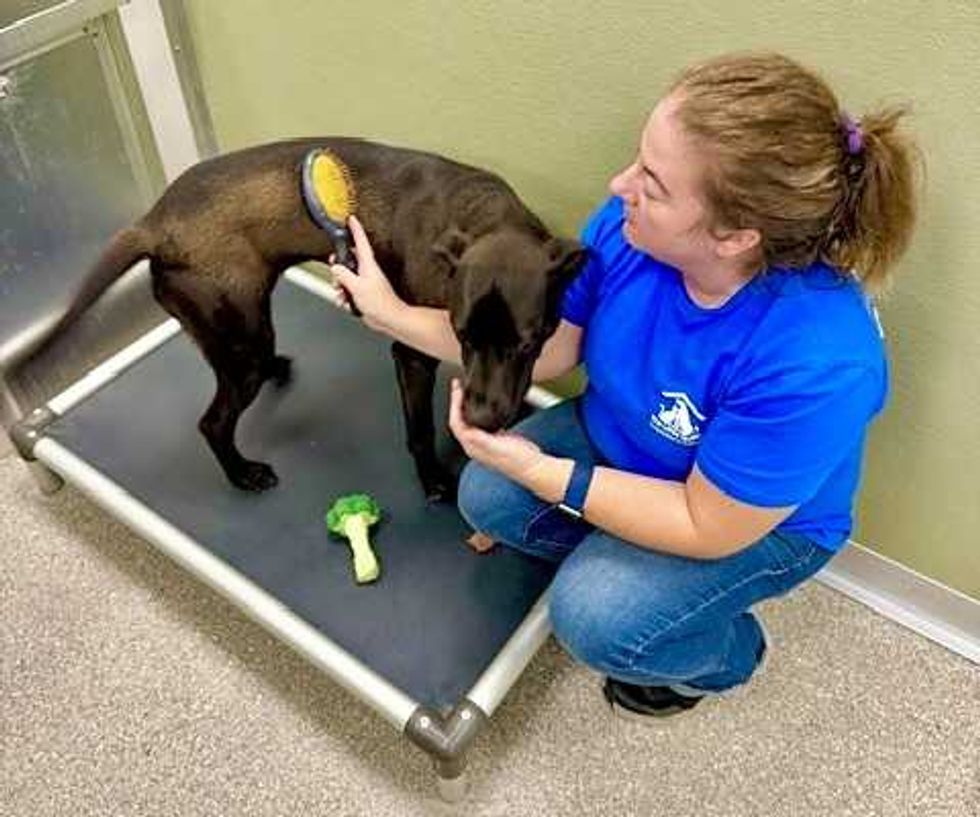 Tiffany Lemelin, shelter manager, brushing Marsala upon arrival.Provided
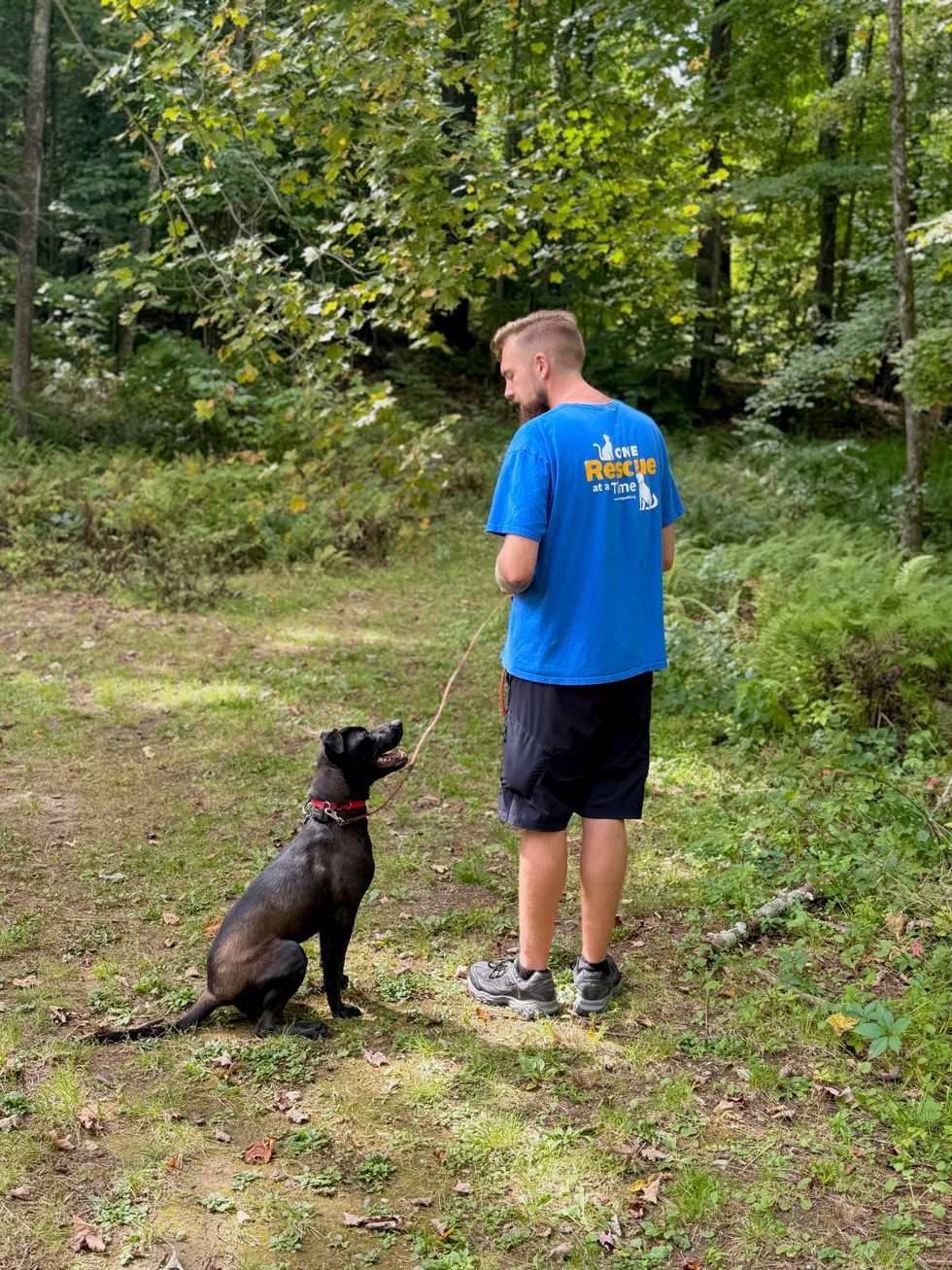 Michael DeBarba, certified dog trainer working with Marsala.Jennifer Almquist
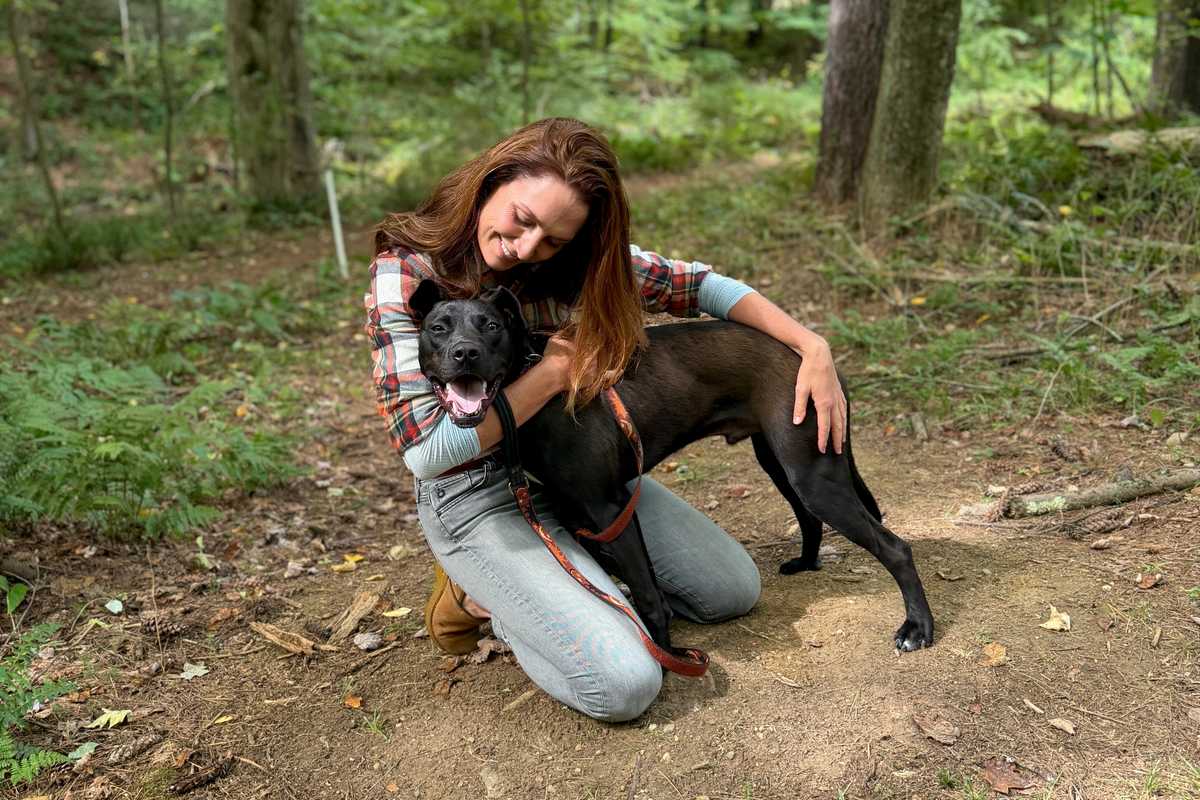 Marsala wins a heart.Jennifer Almquist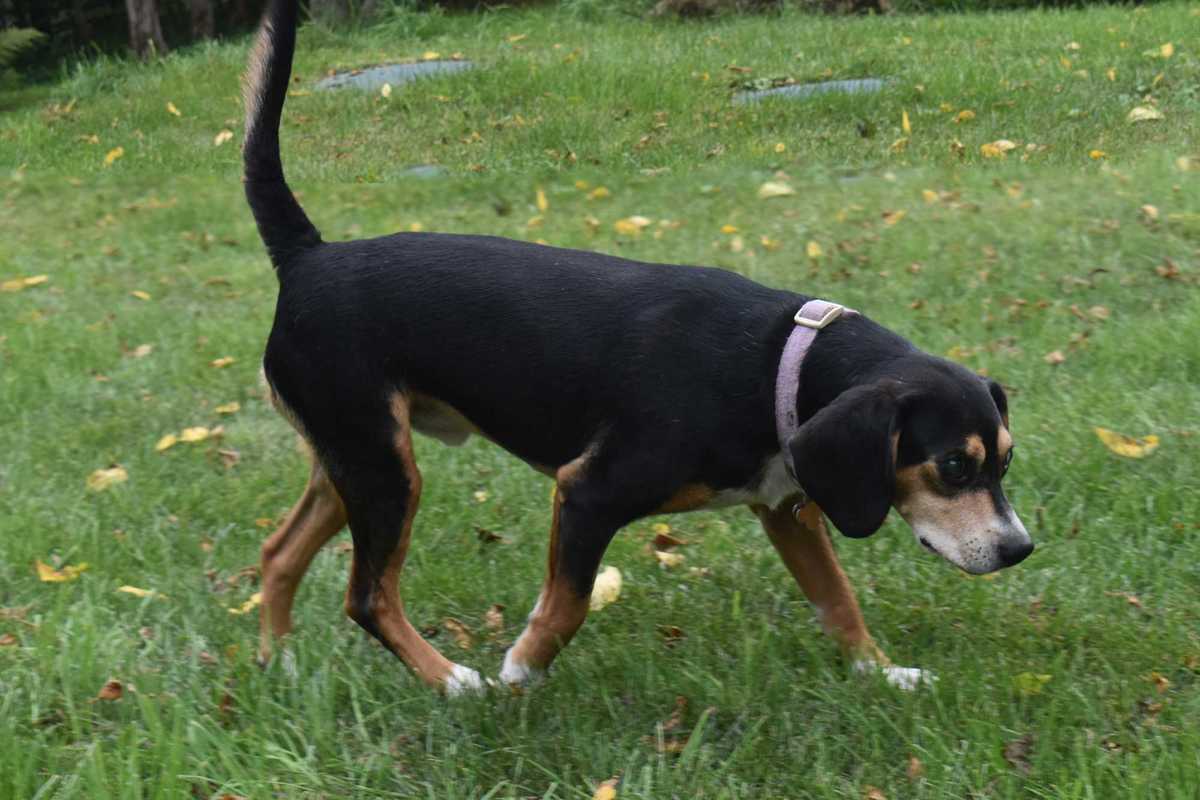
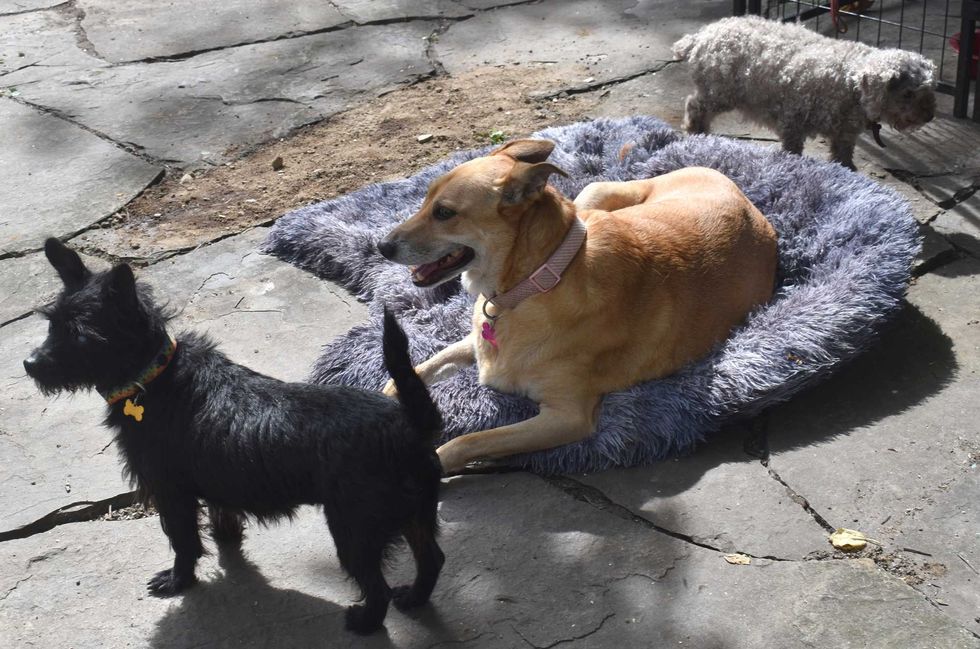 Sadie, center, a Carolina dog, plays with her friend Negra, a terrier mix. Bella Linda, the small poodle, has since been adopted.L. Tomaino
 Wesley, a young, exuberant mix, is looking for an active home.L. Tomaino
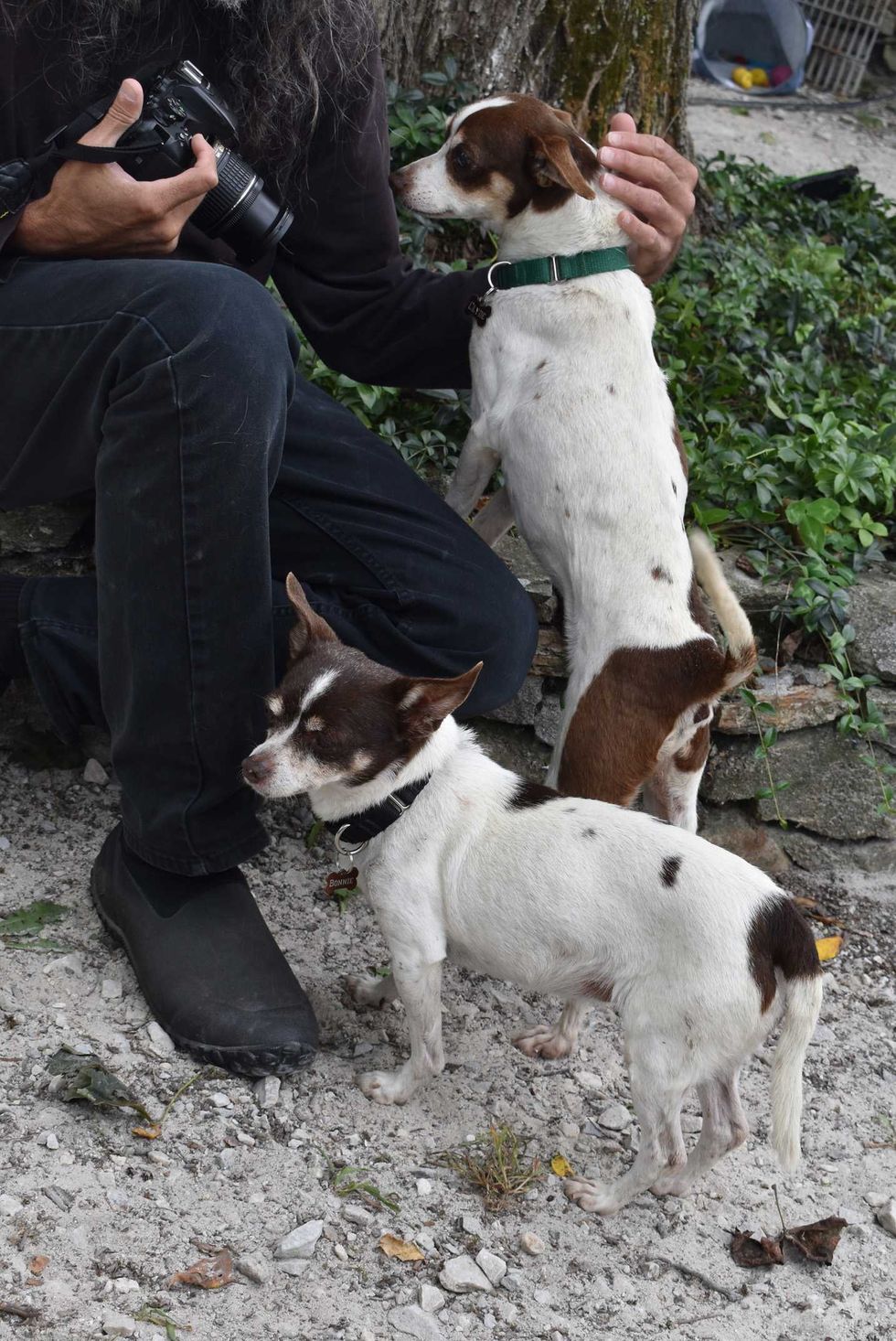 Bonnie and Clyde, an affectionate terrier pair.L. Tomaino