Every Sunday until the end of August, passengers can ride back in time on the Litchfield County Clipper, a scenic train running between Thomaston and Torrington on the county’s only passenger rail line.
The train, operated by the Railroad Museum of New England and the Naugatuck Railroad, follows the Naugatuck River through Mattatuck State Forest and along the Thomaston Dam, making it the only railroad in the country that operates over the face of an active dam. For $26.50 passengers can ride all day, boarding or disembarking at any of the train’s three stops, which include two stops in Torrington and one in Thomaston.
Scott Becker, chair of the Celebrate 30 Committee at the Railroad Museum of New England, said he hopes the project increases local tourism and helps people appreciate the cities as they have in the past.
“The railroad is not just a tourist railroad or heritage railroad. It links the two towns, just like it did in 1849, 177 years ago,” Becker said. “History is repeating itself. The railroad was always an economic development generator.”
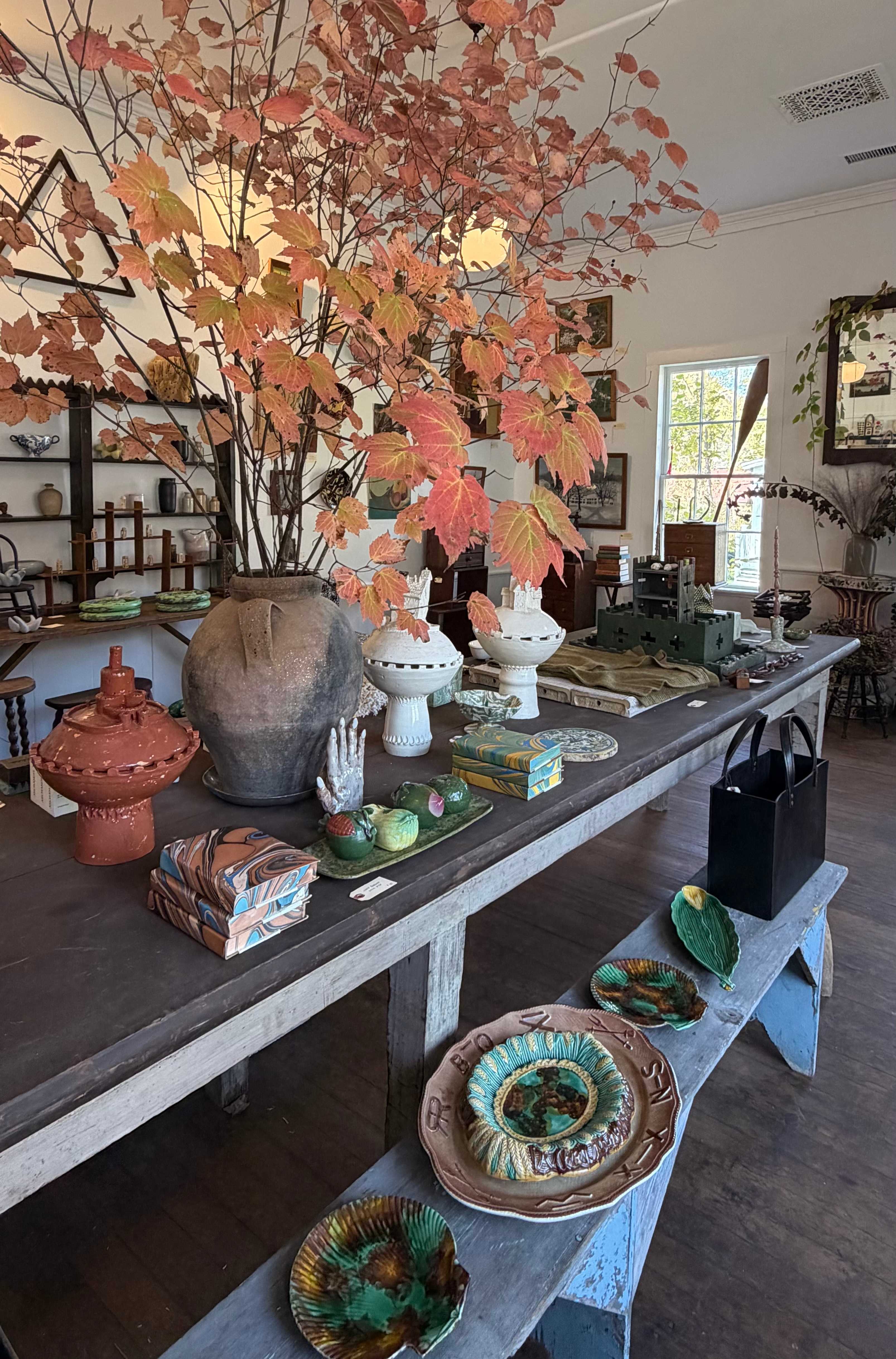
In Torrington, there are stops at Market Street Creatives, an artisan market housing 230 vendors, and the newly restored Railroad Square, a short walk from the city’s downtown. Some local businesses offer passengers discounts if they bring their ticket.
Market Street Creatives opened in August 2025, in the building that housed Turner and Seymour Manufacturing Co. from 1870-2009. Owner Eric Royer wanted to create a space that gave small businesses a chance to showcase their work without expensive, long-term rental commitments.
“I had a big manufacturing company in town. I just got tired of it,” Royer said, “When I turned 50, I decided I wanted to start a business that was going to make a difference locally, in our community. I wanted to be able to help small businesses start and grow.”
The market recently partnered with the railroad museum, even programming and installing its own departures board to keep visitors apprised of the train’s whereabouts. Royer said it’s brought in a good bit of business.
“It brings in a couple hundred people over the weekend,” Royer said. “No other vendor market around that I know of has train access.”
Railroad Museum of New England Board of Trustees Vice President and Volunteer Coordinator Craig Czarsty said planning for the Litchfield County Clipper started back in December and was inspired by the revitalization projects happening in Torrington.
Today, the railroad offers scenic excursions, but for more than a century after opening in 1849, it was a vital transportation corridor, carrying passengers, mail and freight. The line stretched from Bridgeport to Winsted and even offered express service to New York City. Clock manufacturers, including Seth Thomas, relied on the railroad to ship their products.
“One of the things that’s fascinating to me is that more clocks were made in the Naugatuck Valley than anywhere else,” Becker said, referring to Thomas’ company, Ansonia Clock Company and Waterbury Clock Company. “You had all these clock companies, and they had to get their clocks to market, and the railroad was central to the whole thing.”
All that came to an end in 1955, though, after hurricanes Connie and Diane flooded much of the region. The floods wiped out sections of the railroad, destroyed factories and washed away the local manufacturing industry.
“That’s why they built Thomaston Dam, so that if they had future storms, they’d be able to keep the storm surge from going down the river into those towns,” Becker said. “It’s interesting, the river brought life to the area for manufacturing, but also, when the hurricane came, it caused a lot of devastation. Hurricanes really ripped the heart out of Connecticut’s manufacturing.”
Becker, who’s been involved with the museum since 1984, has seen the Thomaston station grow from a burnt-out building beside an overpass to the scenic attraction it is today.
Passenger service to the Thomaston station ended in 1958, and the building had various uses before being partially destroyed by arson in 1993. The museum purchased and restored it in 1996 and 1997.
The museum runs various seasonal trains, including an autumn colors train, a holiday train and a tequila train, which Czarsty said is very popular. Last year, he said, their holiday trains saw 27,000 visitors in about a month.
While the Naugatuck Railroad’s employees restore and maintain the trains, the museum is a nonprofit and train service is run entirely by volunteers.
On Sept. 26, the museum will celebrate 30 years in Thomaston, operating special trains all weekend in commemoration, including a newly restored locomotive from the New Haven Railroad. Becker said the past 30 years wouldn’t have been possible without volunteer and community support. It’s expensive to run a rail line, Czarsty said, and fundraising keeps it all chugging.
For more information and train schedules, visit rmne.org/excursions/countyclipper


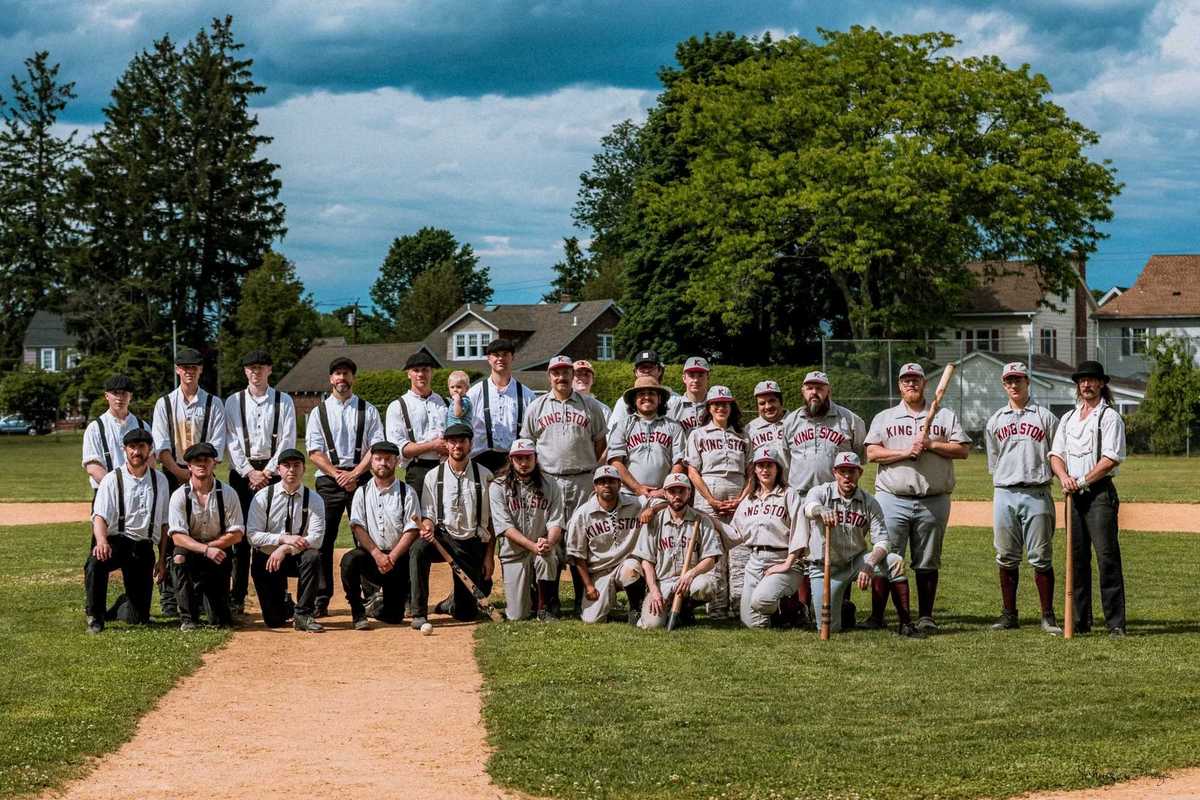


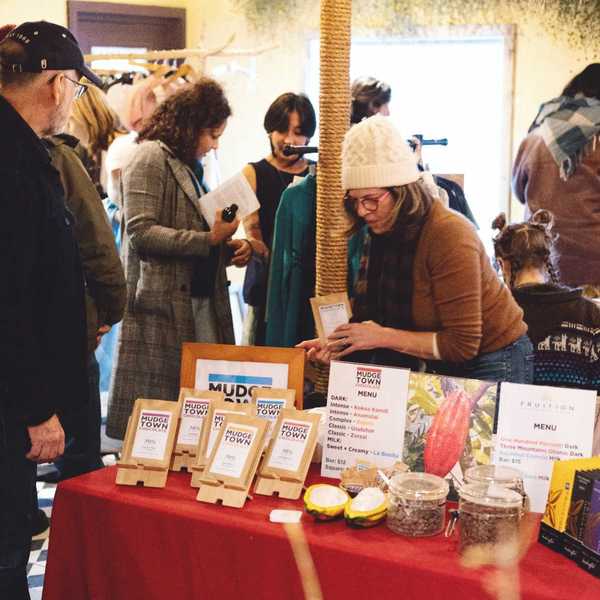 Farm & Friends 2025.Provided

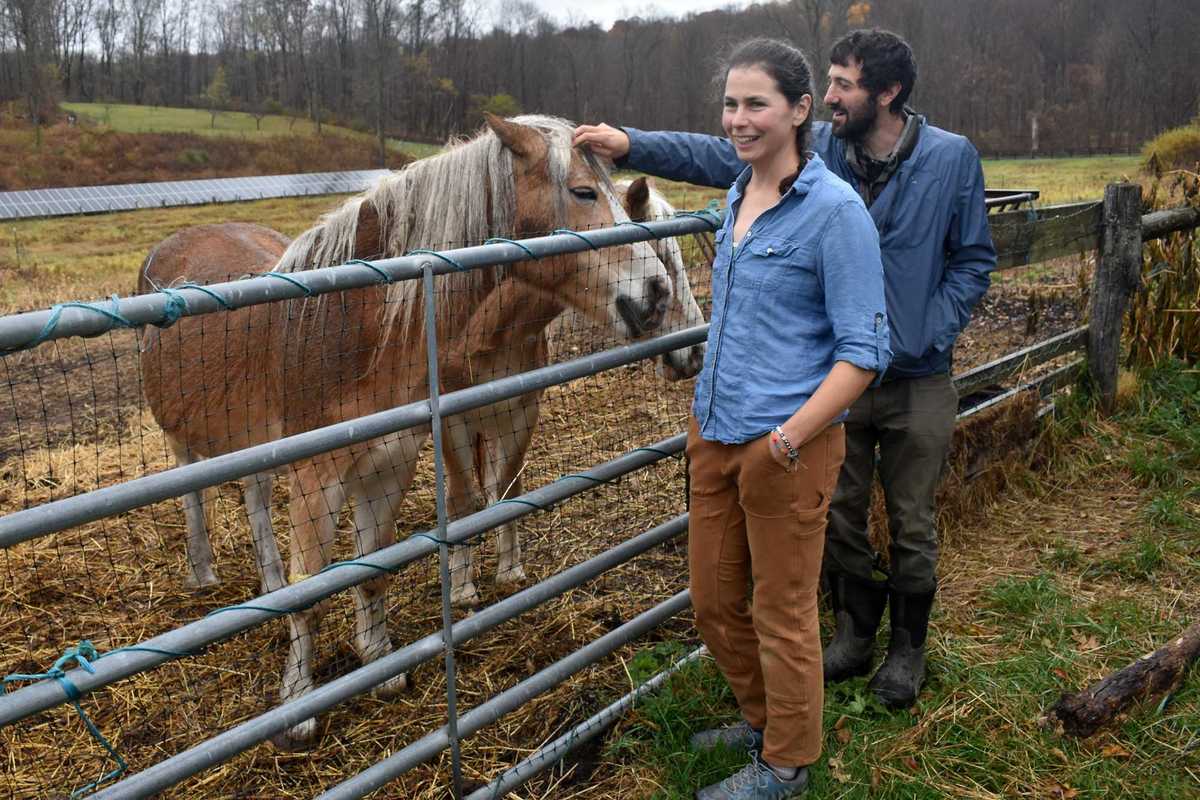
 Mark Stonehill and Miriam Goler with their winter greens at Full Circus Farm in Pine Plains. L. Tomaino


 Provided