Thank you!
Your support is sustaining the future of local news in our communities.

Taconic Hills science students impress with their research

COPAKE — Area residents had the unique privilege of watching rising scientists bring their bright ideas into being last week as the Roeliff Jansen Community Library in Copake hosted two presentations from Taconic Hills High School’s Science Research program at 6 p.m. on Friday, Jan. 21.

As told by teacher Linda Hopkins, the three-year intensive Taconic Hills High School Science Research program is affiliated with the University at Albany and guides students “through the scientific process with the goal being in-depth authentic scientific research.”

In their first year of the course, Hopkins said the students immerse themselves in the scientific literature associated with their chosen topic and gain an in-depth understanding of what makes a sound experimental design. They also reach out to experts in their field to discuss the topic and start to form ideas for their experiments.

With guidance from their advisors and course instructors, students develop detailed research plans in their second year of the course before presenting the plans to the Science Review Committee for approval. After conducting their experiment and collecting data during the spring and summer, students spend the third and final year of the course analyzing their data, writing up their research papers and sharing their results.

As the culmination of her research work with Dr. Claudia Knab-Vispo from the Hawthorne Valley Farmscape Ecology Program, Taconic Hills senior Ellie Yang shared her findings on the differences between duckweed grown in a laboratory setting and duckweed growing in the wild.

A fellow Taconic Hills senior, Imogen Drake presented her findings on the impact of traumatic brain injury on the development of anxiety.

— Kaitlin Lyle

As the culmination of her work with a psychology professor from the University of California on the impact of traumatic brain injury on the development of psychological disorders, Imogen Drake, a senior at Taconic Hills High School, presented her findings on the impact of traumatic brain injury on anxiety development on Friday night, Jan. 21. Photo submitted

Latest News

Dinner with the dog

Dinner with the dog
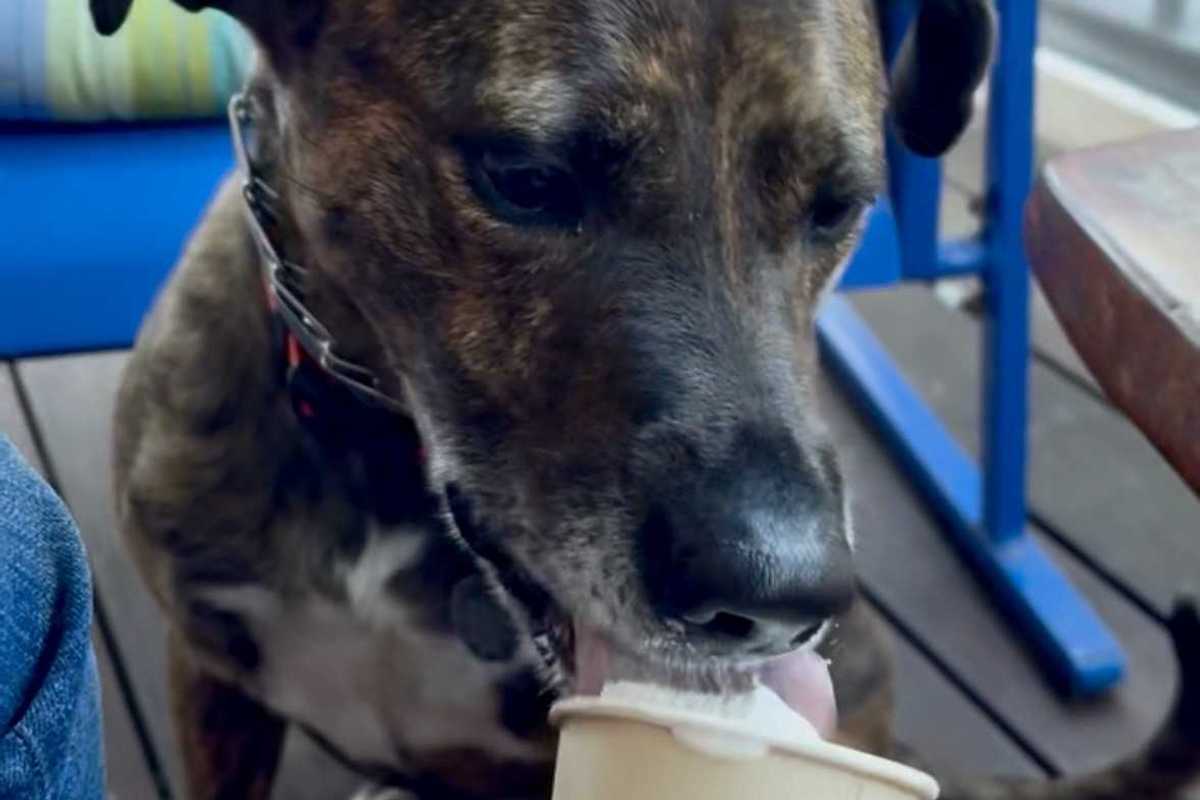
Georgie, enjoying a late-summer “pup cup” on the porch at Grassland Dessert Cafe in Lakeville.
Natalia Zukerman

Dog owners know the dilemma: You’re out for the day with your four-legged sidekick when hunger strikes. Fortunately, a number of area restaurants, cafés and breweries welcome dogs, mostly at outdoor tables. Policies and outdoor seating can change with the season, so calling ahead is always a good idea.

The White Hart and Provisions in Salisbury is particularly pet-friendly. The inn welcomes pets on request, and its front porch and sprawling lawn make inviting places to settle in with a canine companion. They even welcome well-behaved patrons — bipedal and quadruped alike — in the cozy dining area.

Keep ReadingShow less
google preferred source

Want more of our stories on Google? Click here to make us a Preferred Source.

A day in the life of a rescue dog

A day in the life of a rescue dog

Marsala is eager to go home with you.

Jennifer Almquist

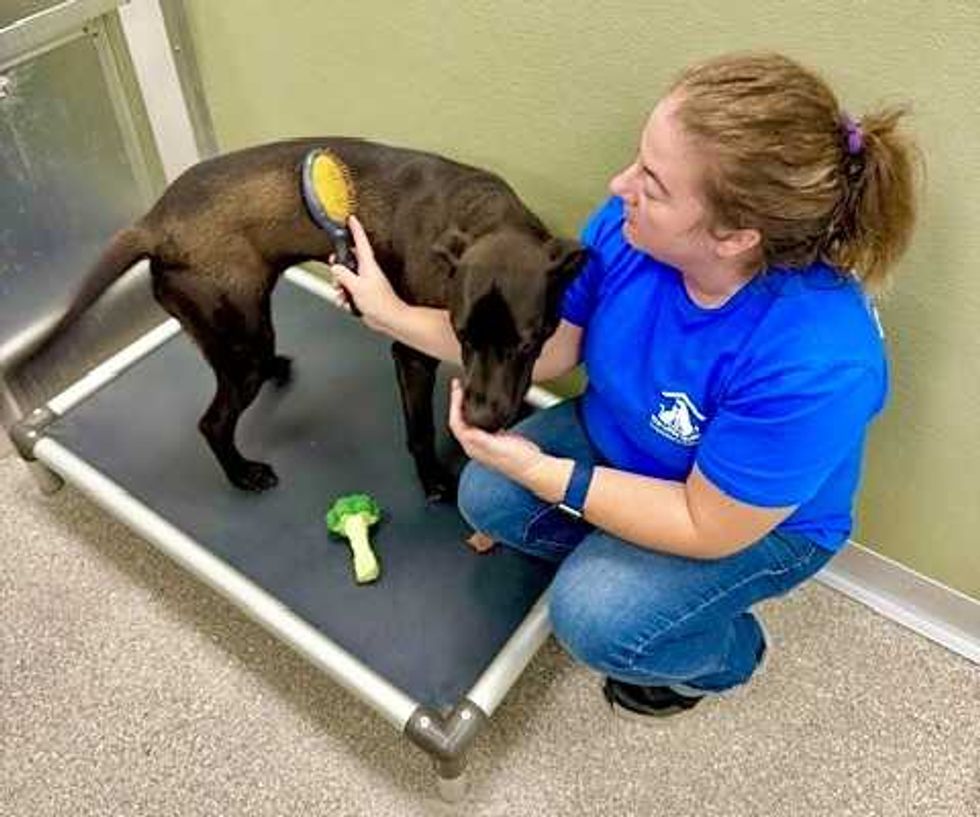
“It’s unbelievable that this sweet, loving boy hasn’t found his home yet,” said Tiffany Lemelin, shelter manager of The Little Guild, whose mission is to rescue, love and heal homeless cats and dogs. She smiled at the small dog wagging his tail. “This is one of the most deserving dogs you could ever meet, with so much love to give.”

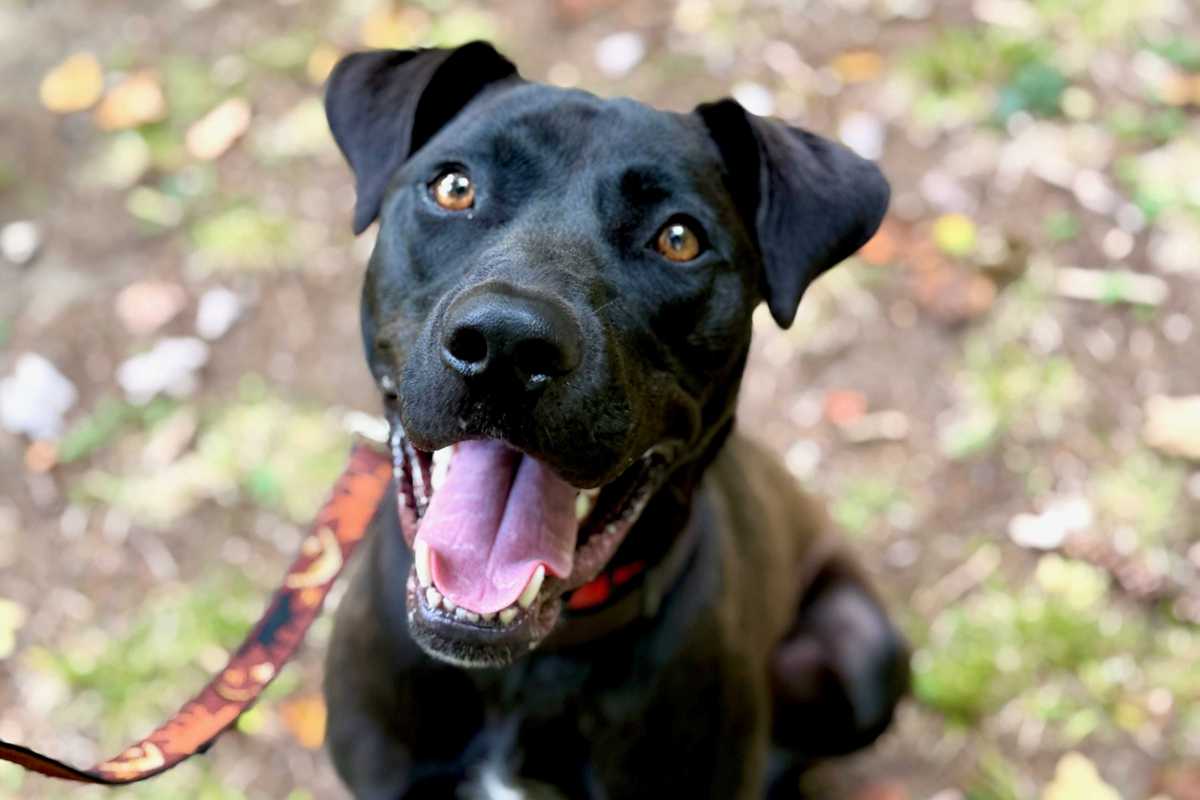
Marsala is an energetic, 1-year-old, 45-pound black Labrador mix waiting to be adopted. He arrived March 25 as a stray named “Chicken” from Toccoa, Georgia.

Keep ReadingShow less

A second chance in Wingdale

A second chance in Wingdale

Sampson, a playful and independent blind hound mix, explores the rescue’s large yard.

L. Tomaino

Meade Canine Rescue and Sanctuary is not the average rescue. Situated on a quiet dirt road on 8 acres in Wingdale, the dogs living there are, for the most part, uncaged, roaming the yard, sleeping in the house, resting in the shade of a tree or lounging in the open van that often takes them for rides.

“We go on lots of adventures,” said the rescue’s founder, Charlotte Meade.

Keep ReadingShow less
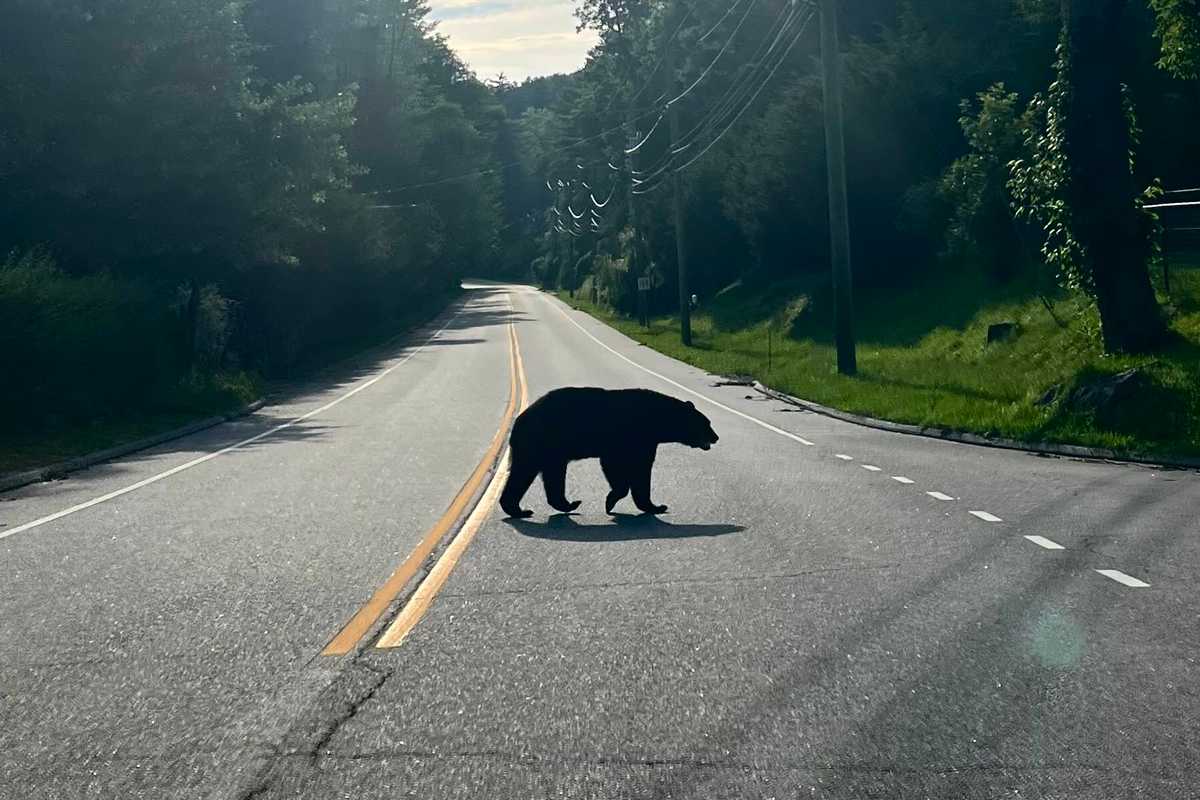
The bear necessities of living in bear country

A bear outside Cornwall Consolidated School in West Cornwall.

D.H. Callahan
Take down bird feeders when bears are active. Secure garbage cans left outside, and never leave pet food or trash on porches, screened-in or otherwise.

This here is bear country. In fact, Connecticut has an unusually high rate of bear home entries compared with neighboring states. So far this year, the state has documented more than 60 home entries, and bears have been spotted in all 169 towns and cities.

Bears are also part of life in neighboring Dutchess County. But don’t worry. It’s not as bad as it sounds.

Keep ReadingShow less
google preferred source

Want more of our stories on Google? Click here to make us a Preferred Source.

google preferred source

Want more of our stories on Google? Click here to make us a Preferred Source.